Released in 2003, Star Wars: Knights of the Old Republic (KOTOR) by BioWare redefined expectations for licensed video games and solidified its place as a seminal title in the role-playing game genre. Achieving a remarkable 94 Metascore, it quickly ascended to the top echelon of Star Wars video games on platforms like Metacritic and IMDb, demonstrating that its success was not merely a byproduct of its iconic brand. Instead, KOTOR leveraged the vastness of the Star Wars universe to tell a profoundly personal and impactful story, distinguishing itself through thoughtful narrative design, unforgettable characters, and a groundbreaking emphasis on player agency.
The Genesis of a Galactic Saga: BioWare’s Vision for the Old Republic
Prior to KOTOR’s release, the Star Wars video game landscape was rich but often fragmented, with titles ranging from flight simulators like X-Wing and TIE Fighter to action-adventure games like Jedi Knight. However, a truly expansive, choice-driven role-playing experience within the beloved universe remained largely unexplored. Enter BioWare, a Canadian developer already lauded for its contributions to the RPG genre with critically acclaimed titles such as Baldur’s Gate and Neverwinter Nights. Their expertise in complex narratives, deep character interactions, and meaningful player choices made them an ideal candidate to tackle a Star Wars RPG.
The decision to set KOTOR approximately 4,000 years before the events of Star Wars: Episode IV – A New Hope was a masterstroke. This "Old Republic" era, while part of the existing Expanded Universe (now largely categorized as Legends), offered BioWare a significant degree of creative freedom. It allowed them to craft an epic saga without being constrained by established cinematic canon, introducing new planets, characters, and conflicts while still retaining the familiar thematic core of the struggle between the Light and Dark sides of the Force. This fertile ground enabled the developers to construct a universe that felt both intrinsically Star Wars and refreshingly new.
A Narrative Woven with Choice: The Story of Revan and the Star Forge
KOTOR’s central narrative plunges players into a galaxy ravaged by war, following a Republic soldier tasked with stopping the formidable Sith Lord Darth Malak. The quest to locate the ancient superweapon known as the Star Forge and halt the Sith invasion propels the protagonist across diverse planets, fostering alliances with a colorful cast of companions. However, the game’s true genius lies in its unwavering commitment to player agency, a cornerstone of BioWare’s design philosophy.
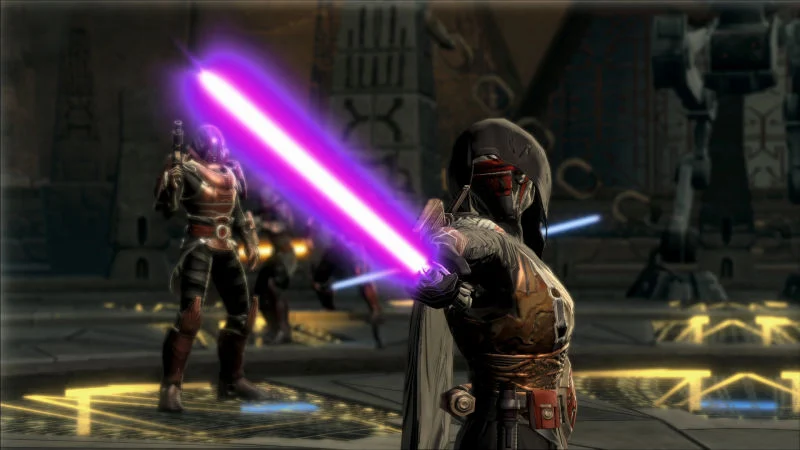
From the outset, players are presented with choices that profoundly influence their journey. The order in which planets are visited, the selection of party members, the utilization of over 40 distinct Force powers, and the construction of a personalized lightsaber all contribute to a tailored experience. Most crucially, KOTOR empowers players to define their character’s moral compass. The path between the Light and Dark sides of the Force is not merely cosmetic; it reshapes dialogue, alters character relationships, and fundamentally impacts the story’s trajectory and conclusion. This dynamic system ensures that each playthrough feels unique, reflecting the player’s ethical decisions and ideological leanings.
The narrative arc culminates in one of gaming’s most iconic plot twists, which recontextualizes the entire journey and elevates the themes of identity, redemption, and the weight of past actions. The revelation challenges players to confront their character’s true nature, forcing them to reconcile with a history they may not remember but are inextricably linked to. This pivotal moment underscores the game’s core message: true identity is forged not by what one was, but by the choices one makes in the present. This profound exploration of free will within a galactic conflict resonated deeply with critics and players alike.
Critical Acclaim and Enduring Recognition
Upon its release in November 2003 for Xbox and subsequently for PC and Mac, Star Wars: Knights of the Old Republic garnered universal critical acclaim. Its 94 Metascore placed it among the highest-rated games of its era, with publications praising its engaging story, deep character development, innovative gameplay, and faithful yet fresh interpretation of the Star Wars universe. IGN awarded it a 9.5 out of 10, commending its "gripping story, incredible characters, and rich universe." GameSpot gave it 9.3, highlighting its "complex and compelling storyline" and "excellent voice acting."
KOTOR’s excellence was recognized with numerous industry accolades. It won the BAFTA Games Award for Best Xbox Game in 2004 and was nominated for multiple Game Developers Choice Awards, including Game of the Year. It frequently appears on "Greatest Games of All Time" lists and is consistently cited as a benchmark for narrative-driven RPGs. Its commercial success further solidified its impact, demonstrating the vast market for high-quality, story-rich licensed titles. The game’s influence extended beyond its initial release, inspiring numerous subsequent RPGs to adopt similar choice-and-consequence mechanics and robust companion systems.
Memorable Characters and Enduring Dialogue
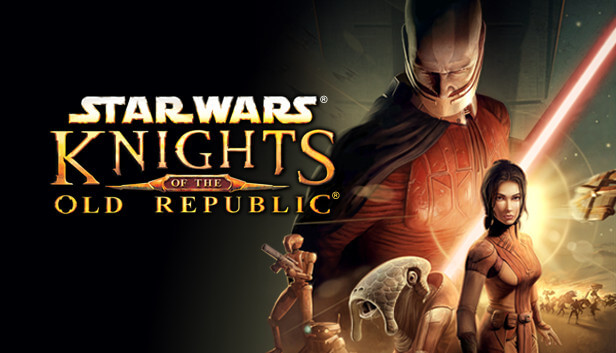
The rich tapestry of KOTOR’s narrative is brought to life by its diverse and well-developed cast of characters, whose interactions and memorable dialogue often drive the game’s most profound moments. The writing elevates the experience beyond typical video game exposition, crafting conversations that are insightful, humorous, and emotionally resonant.
-
Revan (Player Character): As the central figure, Revan’s personality is shaped by player choices. The dialogue options provided allow players to embody a stoic Jedi, a cynical pragmatist, or a burgeoning Sith Lord. This flexibility makes Revan a powerful conduit for the game’s themes of identity and moral choice. The impact of their journey is encapsulated in lines that question the nature of good and evil, and the fluidity of destiny.
-
Bastila Shan: A young Jedi Padawan with a rare Force ability known as Battle Meditation, Bastila is portrayed as confident, disciplined, and initially unwavering in her loyalty to the Jedi Code. However, her character arc is defined by her struggle with impatience, pride, and ultimately, her vulnerability. Her internal conflict, particularly in her relationship with the player character, often leads to poignant and revealing dialogue. Lines exploring her commitment to duty versus personal feelings, or her struggle against the Dark Side’s allure, humanize her immensely.
-
Jolee Bindo: A former Jedi Padawan living in self-imposed exile, Jolee is a fountain of sarcastic wisdom and philosophical observations. His cynical wit masks a deep understanding of the Force and the complexities of morality, often challenging the rigid doctrines of the Jedi Order. His memorable quips and profound insights provide both comic relief and genuine guidance. Jolee’s dialogue frequently questions dogma, highlights the grey areas of the Force, and offers a more nuanced perspective on the galaxy’s conflicts, making him a fan-favorite for his grounded yet enlightened views.
Beyond these central figures, characters like the zealous Mandalorian Canderous Ordo, the enigmatic assassin HK-47, and the earnest Twi’lek Mission Vao contribute significantly to the game’s emotional depth and world-building. Each companion boasts unique motivations, backstories, and reactions to the player’s choices, further enriching the dialogue and the overall narrative experience. The quality of voice acting, a critical component of BioWare’s presentation, lent significant weight to these exchanges, making each character feel distinct and believable.
Gameplay Innovations and RPG Evolution
KOTOR’s impact extends to its gameplay mechanics, which refined elements seen in previous BioWare titles and set new standards for console RPGs. The combat system, based on a modified Dungeons & Dragons 3rd Edition rule set, offered a satisfying blend of real-time action and tactical pause-and-play strategy. Players could choose from various character classes (Scout, Scoundrel, Soldier) and then specialize into Jedi classes (Guardian, Consular, Sentinel), each offering distinct abilities and playstyles.
The influence system, where companion loyalty and alignment shifted based on player actions and dialogue, was particularly innovative. This mechanic encouraged players to consider the long-term consequences of their choices, not just for the main narrative but for their relationships with their crew. The ability to customize lightsabers, acquire a variety of equipment, and explore diverse planets filled with side quests and moral dilemmas cemented KOTOR as a truly expansive and immersive RPG experience.
A Lasting Legacy and Future Resurgence
Two decades after its initial release, Star Wars: Knights of the Old Republic continues to be celebrated as a benchmark in gaming history. Its influence is evident in countless subsequent RPGs, particularly in their approach to branching narratives, moral choice systems, and richly detailed companion characters. It proved that a licensed property could achieve profound artistic merit and stand on its own as a masterpiece.
The enduring demand for KOTOR’s return has been palpable within the gaming community, leading to the highly anticipated announcement of a full remake. This project, while facing its own development challenges, is a testament to the original game’s timeless appeal and the fervent desire of fans, both old and new, to revisit or experience for the first time the epic saga of Revan. The original KOTOR remains a foundational pillar of the Star Wars Legends canon, cherished for its groundbreaking narrative and its role in expanding the lore of a galaxy far, far away.
In conclusion, Star Wars: Knights of the Old Republic transcended its status as a mere video game. It was a cultural phenomenon that proved the interactive medium’s capacity for complex storytelling, profound character development, and meaningful player engagement within a beloved fictional universe. Its legacy continues to resonate, shaping the expectations for RPGs and reminding players that true greatness is achieved not by simply carrying a brand, but by doing the heavy lifting to elevate it.
About the Author