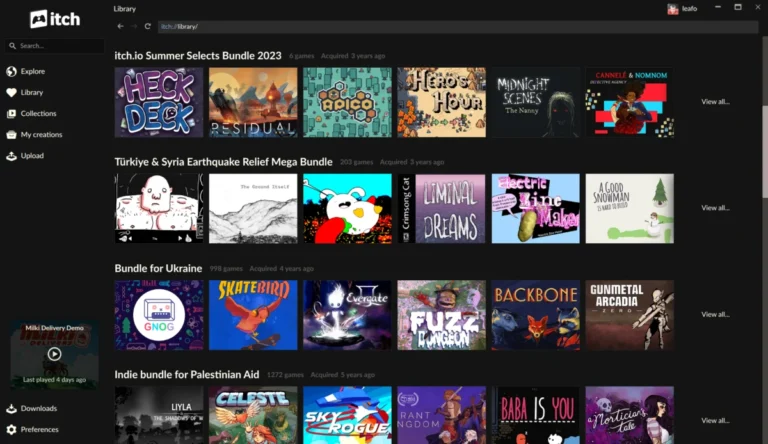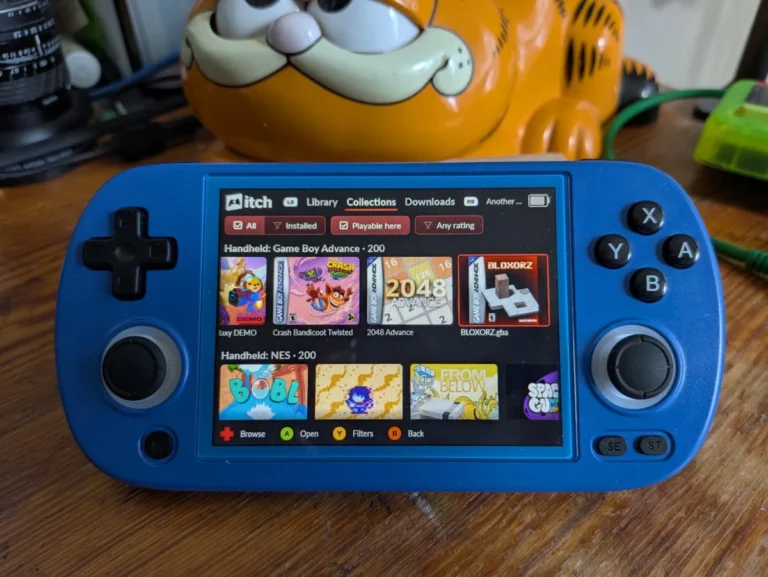
The independent gaming platform itch.io has rolled out a significant update to its desktop application, version 26.20.0, introducing a suite of highly anticipated features designed to enhance user experience, streamline game management, and foster greater interoperability within the broader PC gaming ecosystem. The update’s cornerstone additions include the ability to create Steam shortcuts for itch.io games, a new headless launch mode, and the option to link existing game folders directly to the app, collectively marking a strategic step towards a more unified and flexible gaming library for its diverse user base.
Bridging Worlds: The Introduction of Steam Shortcuts
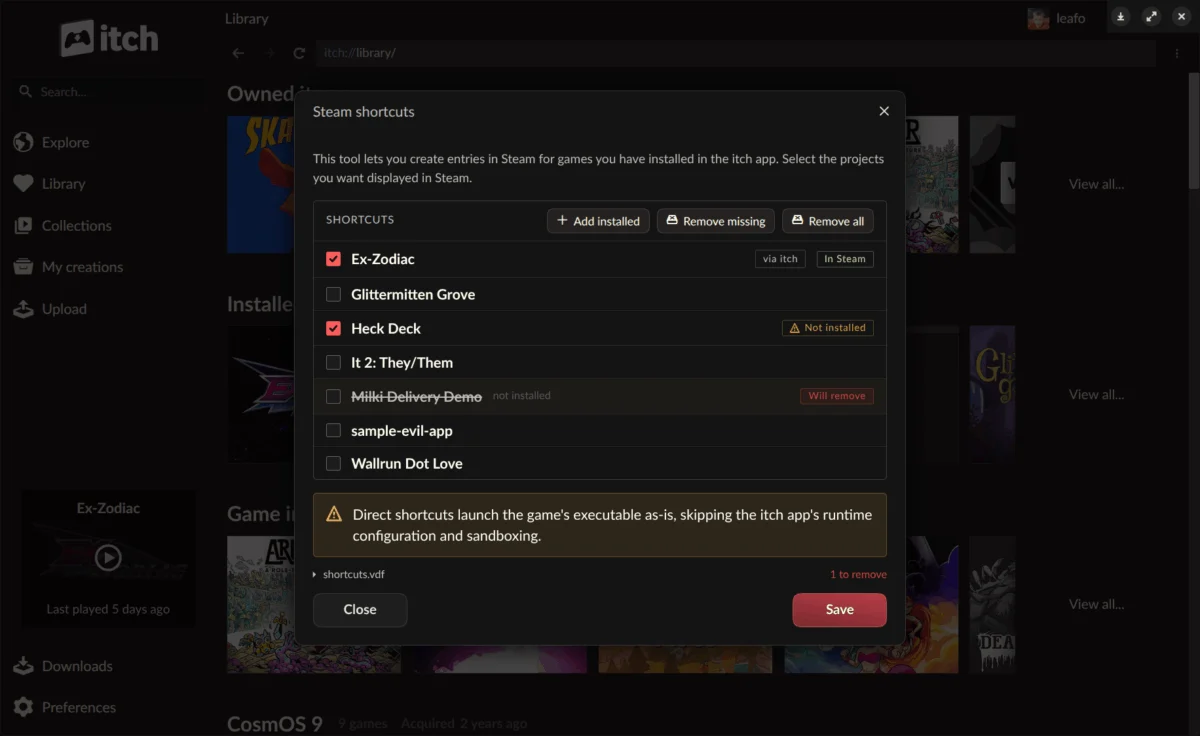
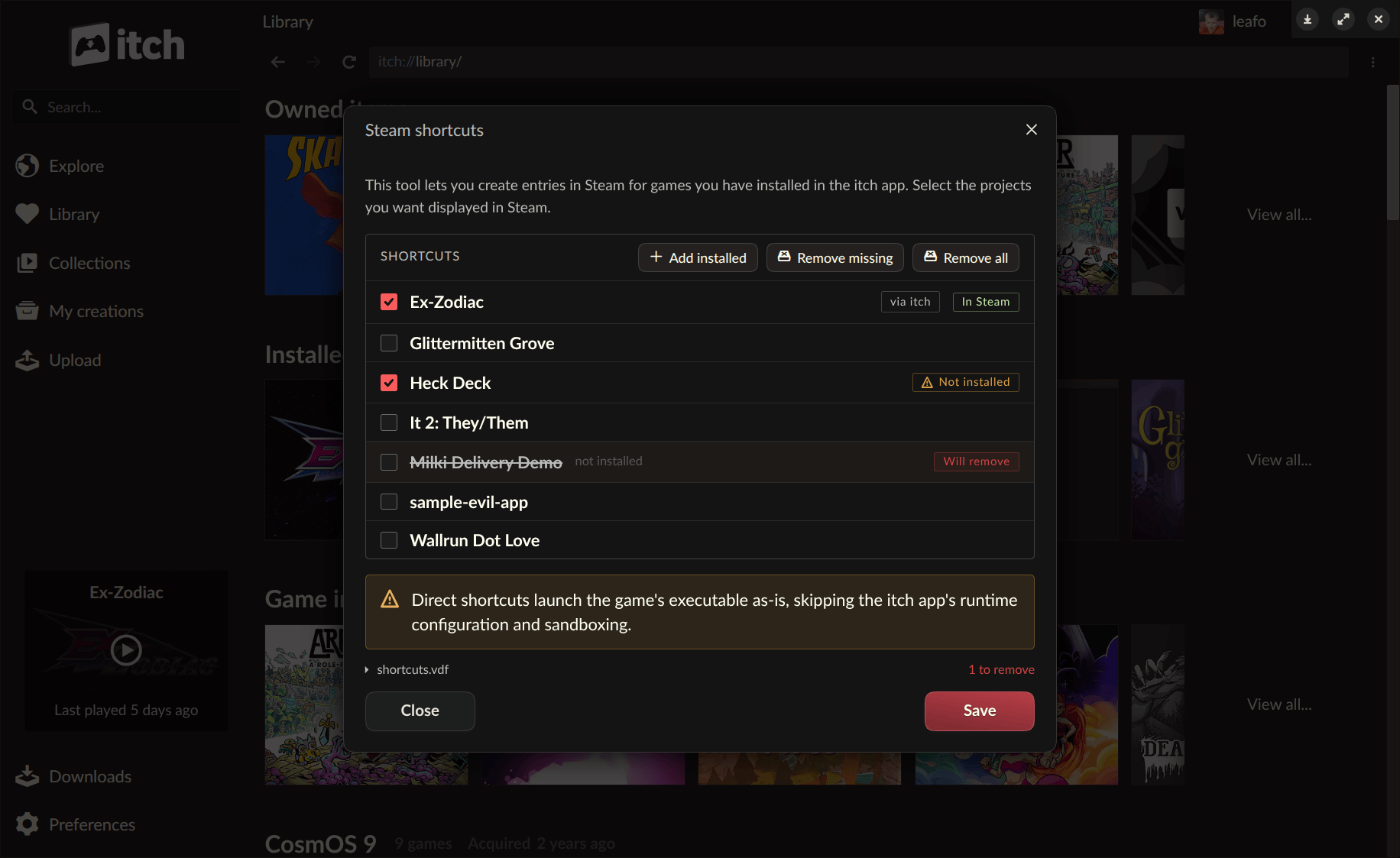
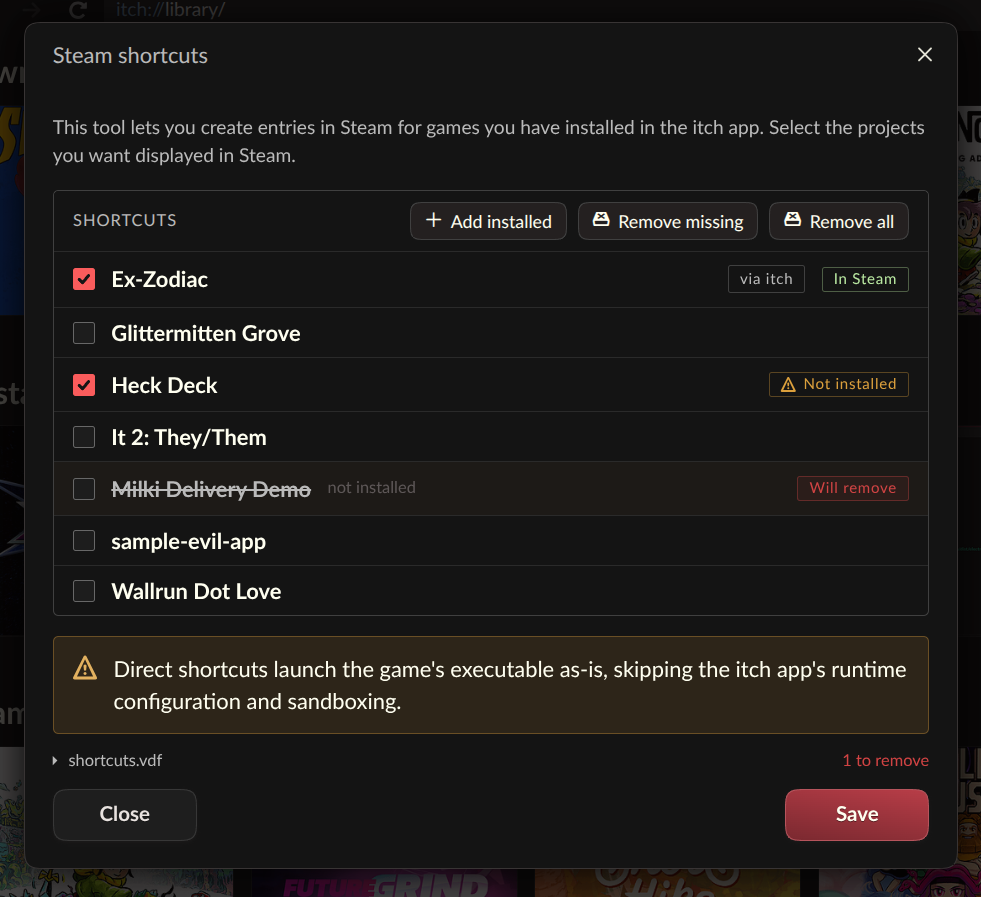
Among the most impactful features in the new release is the integration of Steam shortcuts. This functionality allows users to add games installed via the itch.io app directly into their Steam library, a long-requested capability that addresses a significant pain point for many players. The move is particularly beneficial for users deeply embedded in the Steam ecosystem, especially those utilizing devices like the Steam Deck or operating in Steam’s Big Picture mode. By allowing itch.io titles to appear and launch directly from Steam, the update eliminates the need to switch between applications, offering a more cohesive and uninterrupted gaming experience.
Steam, with its estimated 120 million monthly active users and dominant market share in PC game distribution, represents a colossal ecosystem. For itch.io, a platform renowned for championing independent developers and offering a vast collection of unique, often experimental, and DRM-free titles, integrating with Steam is a strategic move that enhances accessibility without compromising its core values. The Steam Shortcuts tool, conveniently located in the itch app’s preferences page or accessible via a right-click on any game, automatically organizes synchronized titles into a dedicated "itch.io" collection within Steam, ensuring tidy library management.
This integration is not merely a convenience; it’s a testament to the growing demand for interoperability in the digital landscape. As gaming libraries expand across multiple launchers and storefronts, players increasingly seek solutions that consolidate their collections. The Steam Deck, Valve’s handheld PC gaming device, has further amplified this need, as its SteamOS interface is optimized for the Steam client. By enabling itch.io games to function seamlessly within this environment, the update significantly improves the user experience for a rapidly expanding segment of PC gamers.
Pioneering Flexibility: The Headless Launch Mode
Underpinning the Steam shortcut functionality is another pivotal innovation: the new headless launch mode. This feature allows installed itch.io games to be started without the full itch.io application running in the background. Executed via a simple command-line interface—itch-setup --run-game <gameId> [--profile-id <profileId>]—this mode provides a powerful tool for advanced users and developers alike.
While initially developed to facilitate Steam integration, the headless launcher’s utility extends far beyond. Any third-party launcher, custom shortcut system, or script can leverage this command to initiate itch.io games. This opens up a realm of possibilities for broader platform integration, allowing other services or user-created tools to add native itch.io support. An itch.io spokesperson, reflecting on the update’s implications, might emphasize the platform’s commitment to open standards and empowering users with greater control over their gaming libraries, aligning with the platform’s independent ethos.
Crucially, the headless launch mode does not compromise the security or functionality typically provided by the full application. It meticulously respects all configurations set within the itch.io app, including sandboxing protocols, prerequisite checks, per-game launch settings, play time tracking, and the API key passed to the game. This robust implementation is achieved through a new butler launch subcommand, which directly interacts with the user’s existing app database, ensuring a consistent and secure launch environment.
However, the headless mode does come with specific limitations. Certain game types, such as HTML5 browser-based games, inherently require a browser environment to run. In such instances, attempting to use the --run-game command will still trigger the launch of the full itch.io application to provide the necessary runtime. Despite this, the introduction of a headless execution model is a significant technical achievement, paving the way for a more modular and adaptable itch.io ecosystem. The platform has even provided a dedicated guide for interfacing with the itch app to build custom launchers, signaling its intent to foster community-driven integrations.
Streamlining Management: Linking Existing Game Folders
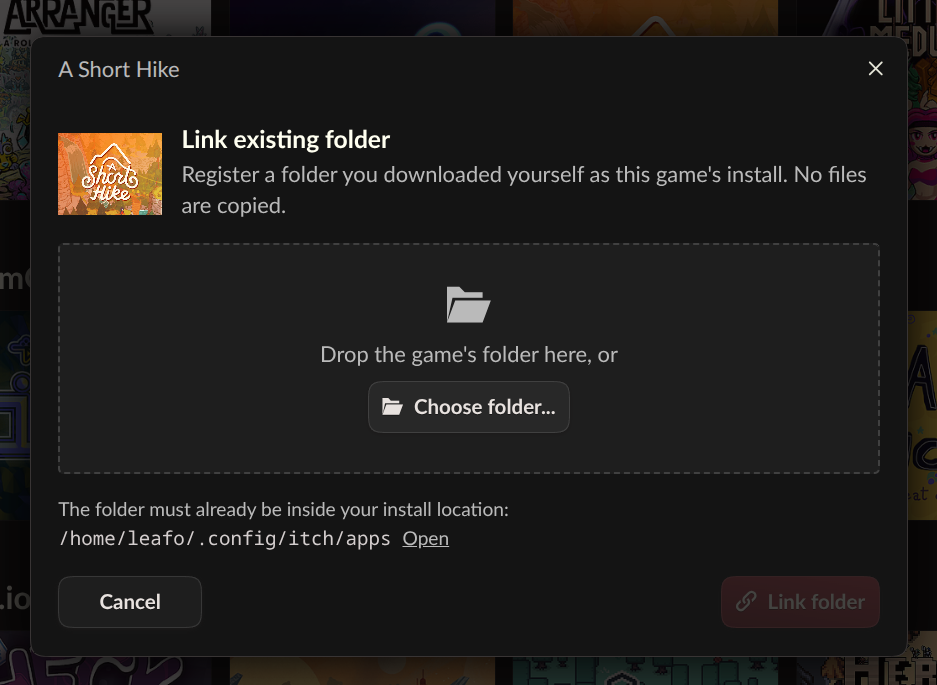
Further enhancing user convenience, the update introduces the "Link existing folder…" option. This feature directly addresses the common scenario where users might have downloaded an itch.io game outside of the official app—perhaps directly from a developer’s website or during a game jam—and wish to integrate it into their itch.io library without having to redownload it.
Previously, users would have been compelled to delete the manually downloaded version and initiate a fresh download through the itch.io app to gain the benefits of app-managed updates, launches, and play time tracking. With the new linking functionality, available within a game’s install dialog alongside standard download options, users can simply point the app to the existing game folder. Once linked, the game seamlessly appears in the user’s library as an installed title, ready to be launched and managed like any other app-installed game.
This feature is described by itch.io as an "escape hatch," a pragmatic solution for situations where a redownload is impractical due to bandwidth limitations, or when a project offers downloads through external links that the app cannot natively process. It operates on a principle of trust: the app takes the user’s word that the designated folder contains the correct game files, and no file verification is performed during the linking process. This straightforward approach prioritizes user autonomy and flexibility, aligning with itch.io’s developer-friendly and community-centric philosophy.
The Broader Context: itch.io’s Evolving Role in Indie Gaming
Founded in 2013, itch.io has steadily grown into a vital hub for independent game development, distinguishing itself through its open platform, flexible revenue sharing models, and strong emphasis on direct creator-to-consumer relationships. Unlike more curated or commercially driven platforms, itch.io embraces a vast array of experimental, niche, and early-access titles, fostering a vibrant ecosystem for creative expression.
The platform’s desktop application plays a crucial role in delivering this experience, providing a centralized way to discover, download, update, and manage a potentially sprawling library of indie games. Prior to this update, while robust, the app occasionally presented friction points for users accustomed to consolidated libraries or those navigating multi-platform gaming setups. The v26.20.0 update directly addresses these challenges, signaling itch.io’s commitment to refining its user experience while staying true to its core mission.
The timeline of itch.io’s development has consistently shown an evolution towards greater user empowerment and developer support. Early versions of the app focused on core library management, while subsequent updates introduced features like offline mode, better update mechanisms, and improved search functionalities. The current update, particularly the Steam integration, marks a significant leap in cross-platform compatibility, reflecting a maturity in the platform’s strategy to coexist and integrate with the wider gaming industry while maintaining its unique identity.
Industry Implications and Community Reception
The release of itch.io v26.20.0 carries significant implications for both players and developers. For players, it promises a more unified and less fragmented gaming experience, especially for those who enjoy a diverse library spanning multiple platforms. The convenience of launching itch.io games directly from Steam, particularly on devices like the Steam Deck, is a substantial quality-of-life improvement. For developers, these features could indirectly lead to increased discoverability and player engagement, as their games become more seamlessly integrated into popular gaming environments. Reduced friction in accessing and managing games often translates to higher play rates and greater visibility.
Early reactions from the community have been overwhelmingly positive, as evidenced by comments praising the "amazing" and "fantastic" update. Users have highlighted the practical benefits, such as the ability to easily play externally downloaded games on a Steam Deck. The headless launch mode has also sparked excitement for its potential to enable further custom integrations.
An interesting development mentioned in the comments section hints at future innovations: "We’re working on (not so) secret project for Linux based handhelds." This suggests itch.io is actively exploring dedicated solutions for the burgeoning market of portable Linux gaming devices, further emphasizing its commitment to cross-platform compatibility and addressing the needs of a diverse gaming audience. While mobile support for Android handhelds is not immediately on the roadmap, the Linux handheld project indicates a strategic focus on expanding accessibility to various hardware platforms.
Availability and Future Outlook
The latest version of the itch.io app (v26.20.0) is readily available for download from the official itch.io website at https://itch.io/app. Existing users will find that the application automatically updates itself in the background, or they can manually trigger an update check via the Preferences screen. A comprehensive list of all changes, bug fixes, and security enhancements is detailed in the official release notes on GitHub. Furthermore, the itch.io team continues to welcome community contributions to app translations via Weblate, underscoring their commitment to a globally accessible platform.
In conclusion, itch.io’s v26.20.0 update represents a pivotal moment for the independent gaming platform. By embracing interoperability through Steam shortcuts, pioneering flexibility with a headless launch mode, and enhancing user control with folder linking, itch.io is not only improving its core application but also setting a precedent for a more open and user-centric future in digital game distribution. These advancements solidify itch.io’s position as a forward-thinking platform dedicated to empowering both creators and players in the ever-evolving landscape of video games.
About the Author