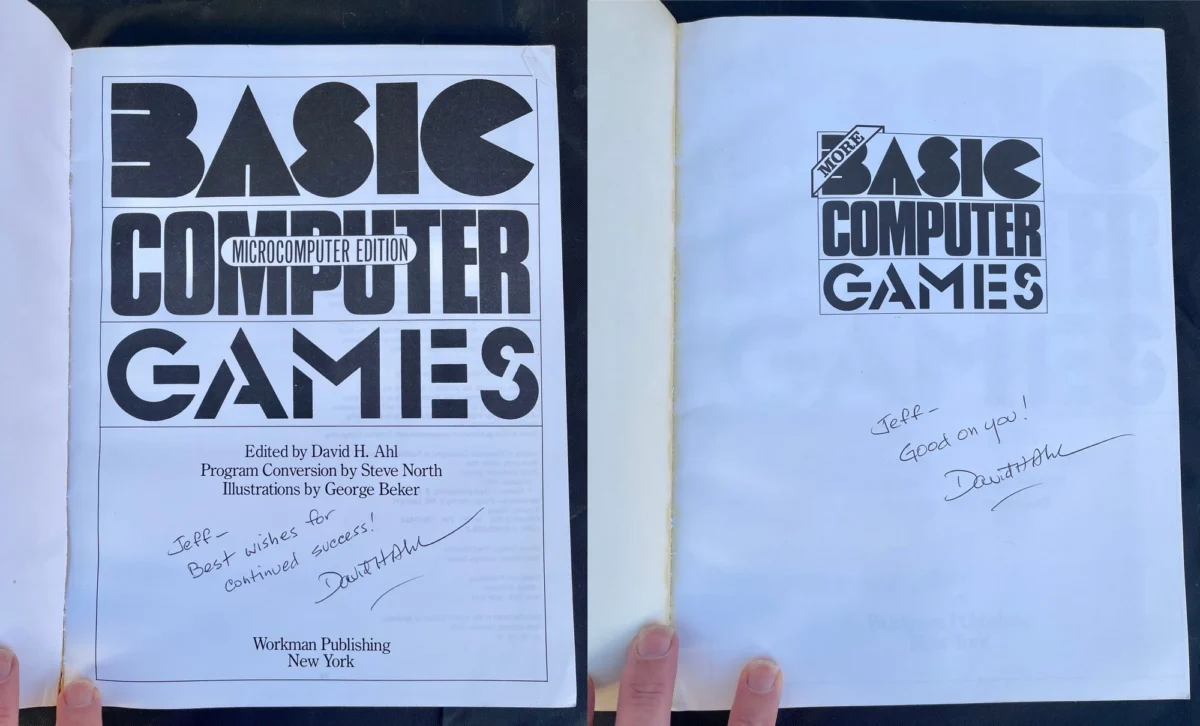
In a significant move to bridge the foundational era of personal computing with contemporary programming practices, acclaimed programmer and author Jeff Atwood of Coding Horror has initiated a large-scale collaborative project to modernize David H. Ahl’s iconic "101 BASIC Computer Games." This ambitious undertaking, hosted on GitHub, aims to transform the vintage programs from a book that profoundly shaped an entire generation of developers into versions compatible with modern, memory-safe scripting languages, while simultaneously fostering new talent through a charitable incentive.
The Genesis of a Generation: Early Computing and BASIC’s Rise
The origins of this modernization effort are deeply rooted in the nascent days of personal computing. For those who began their digital journey in the 1970s and early 1980s, the computing landscape was starkly different from today’s intuitive graphical user interfaces. There were no sleek desktops adorned with easily navigable icons; instead, users were greeted by a blinking cursor on a monochrome screen – the command line. This minimalist interface was the gateway to interaction, demanding precise textual commands for every operation.
The Command Line Era
Early personal computers, such as the Apple II, Commodore PET, and TRS-80, were pioneering machines that brought computing power to homes and schools, but they lacked the sophisticated operating systems and readily available software libraries common today. Storage solutions were rudimentary; floppy disk drives were often expensive add-ons, and hard drives were virtually unheard of for personal use. Many early enthusiasts relied on cassette tape drives, a slow and often unreliable method for loading programs. For a substantial number of early adopters, the primary means of making a computer "do anything" was to manually type programs directly into the machine. This arduous process involved transcribing lines of code from printed books, a task fraught with the potential for errors and demanding immense patience. It was within this context that "101 BASIC Computer Games" emerged as an indispensable resource.
BASIC: The Language of Innovation
The programming language at the heart of this revolution was BASIC, an acronym for Beginner’s All-purpose Symbolic Instruction Code. Developed in 1964 at Dartmouth College by John G. Kemeny and Thomas E. Kurtz, BASIC was designed to be simple and accessible, allowing individuals without extensive mathematical or scientific backgrounds to learn and use computers. Its straightforward syntax and interpretative nature made it ideal for early microcomputers with limited memory and processing power. The language’s ubiquity meant that books filled with BASIC programs became essential companions for anyone acquiring a new personal computer. These manuals were not merely guides; they were often the sole source of ready-to-run applications, providing immediate gratification and a tangible demonstration of the computer’s potential. The act of typing in a program, debugging it, and finally seeing it execute successfully was a profound and formative experience for countless individuals, including Jeff Atwood himself, who credits books like Ahl’s for his entire professional career.
"101 BASIC Computer Games": A Phenomenon Unveiled
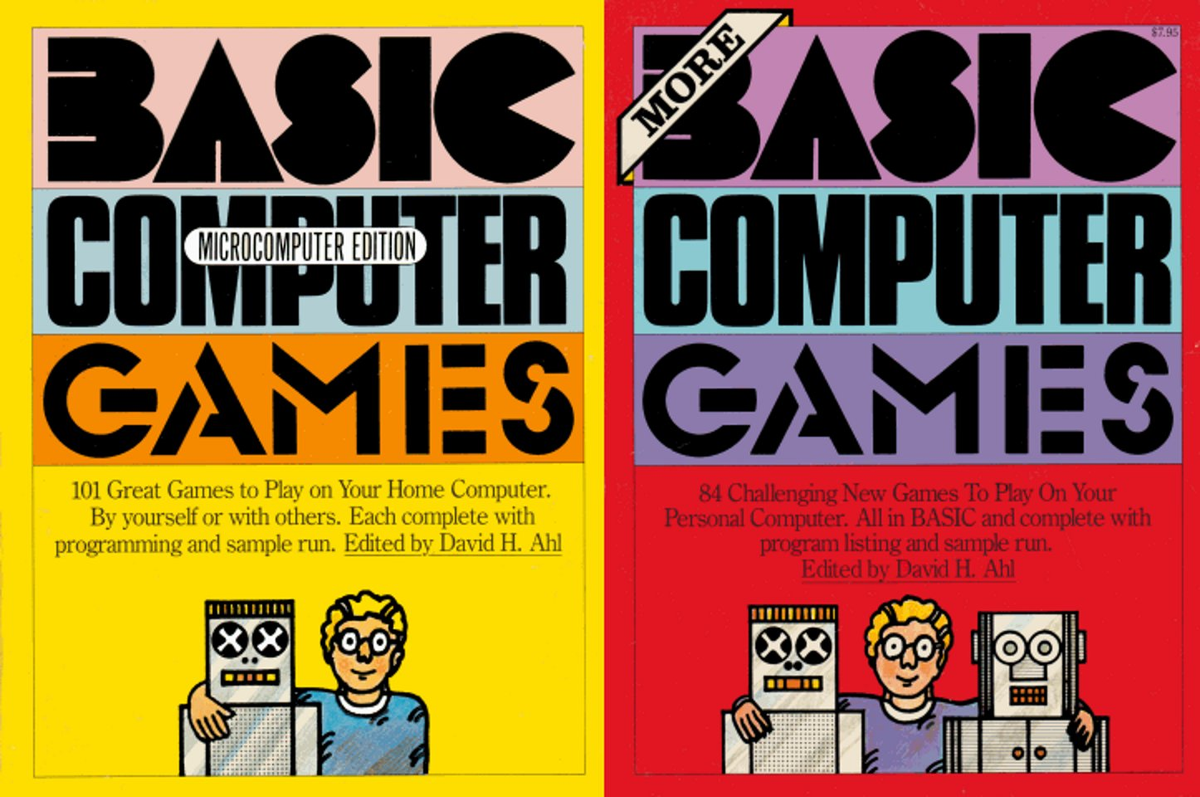
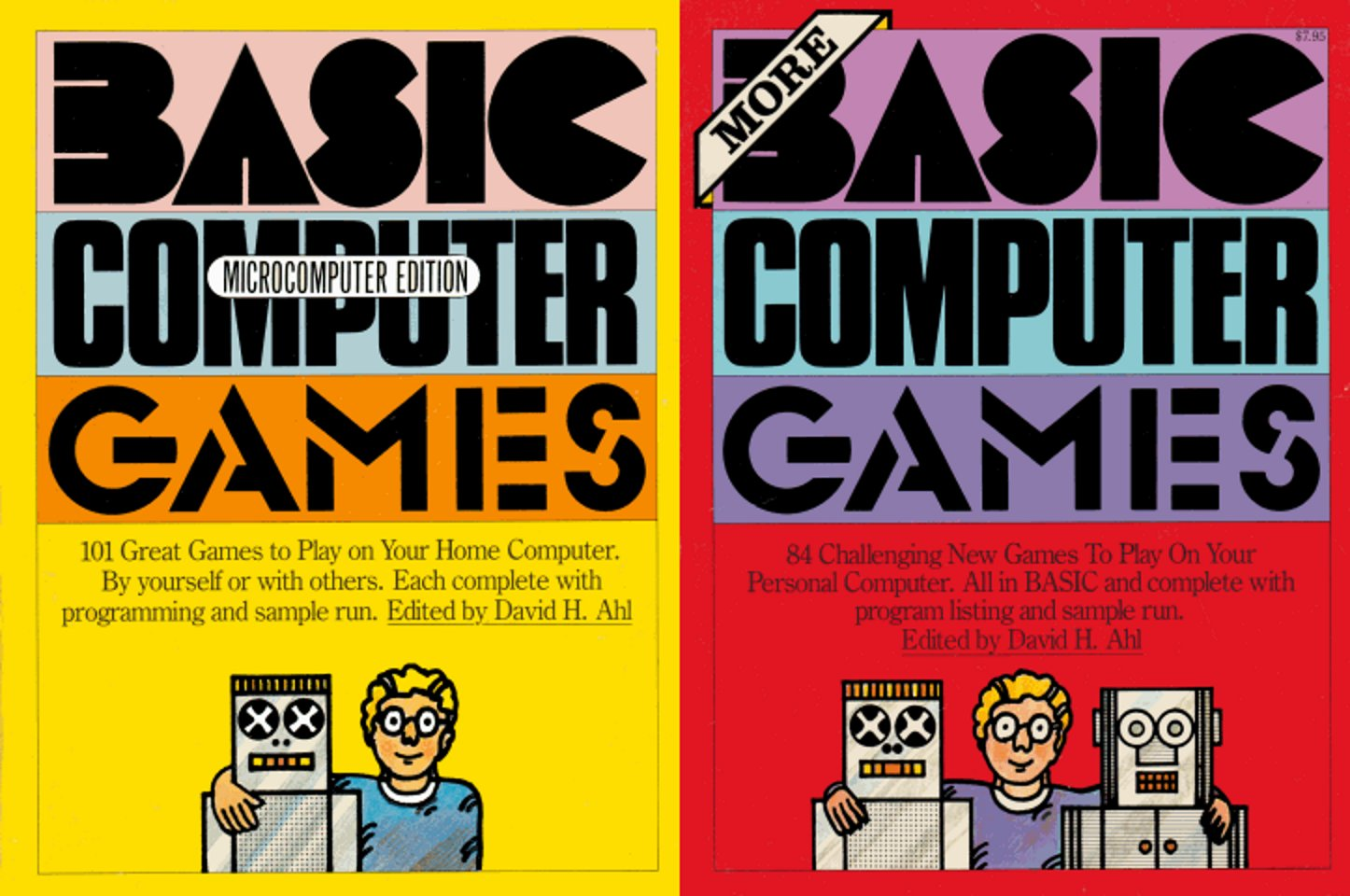
First published in 1973 by Digital Equipment Corporation (DEC), "101 BASIC Computer Games" quickly transcended its humble origins to become a monumental force in the burgeoning world of personal computing. Its impact was not merely anecdotal; it was quantifiable and unprecedented. The book’s immediate success led to a rapid second printing, and it went on to achieve sales figures that were staggering for its time.

More Than Just a Book
At its peak, "101 BASIC Computer Games" became the first computer book to sell a million copies, an extraordinary feat given the nascent state of the personal computer market. Remarkably, there were more copies of this book in print than there were personal computers available for purchase. This unique phenomenon meant that many early computer enthusiasts owned multiple copies, using them as primary sources of entertainment and education for their solitary machines. The book served as a portal to a world of interactive experiences, from text-based adventures like "Civil War" and "Star Trek" to mathematical puzzles and simple simulations. For young, aspiring programmers, typing these games line by line was a hands-on masterclass in logic, debugging, and computational thinking, laying the groundwork for future innovations.
David H. Ahl’s Visionary Leadership
Central to the book’s success and the broader popularization of computing was its author, David H. Ahl. A true pioneer, Ahl’s vision extended beyond simply compiling games. After leaving DEC, he founded Creative Computing magazine in 1974, a seminal publication that played a crucial role in demystifying computers for the general public. Ahl’s entrepreneurial journey with Creative Computing is a testament to his dedication. Starting with minimal capital, he famously printed 8,000 copies of the first issue despite having only 600 subscribers, personally distributing the unsolicited copies to libraries and schools across the country. This grassroots effort significantly broadened the reach of computer literacy and ignited interest in programming at a time when computers were still largely confined to academic and corporate environments. Creative Computing became a vibrant forum for sharing ideas, programs, and insights, cementing Ahl’s legacy as a pivotal figure in the personal computer revolution. His work, both through the magazine and "101 BASIC Computer Games," cultivated a generation of enthusiasts who would go on to define the digital age.
The Imperative for Modernization: Beyond Simple Ports
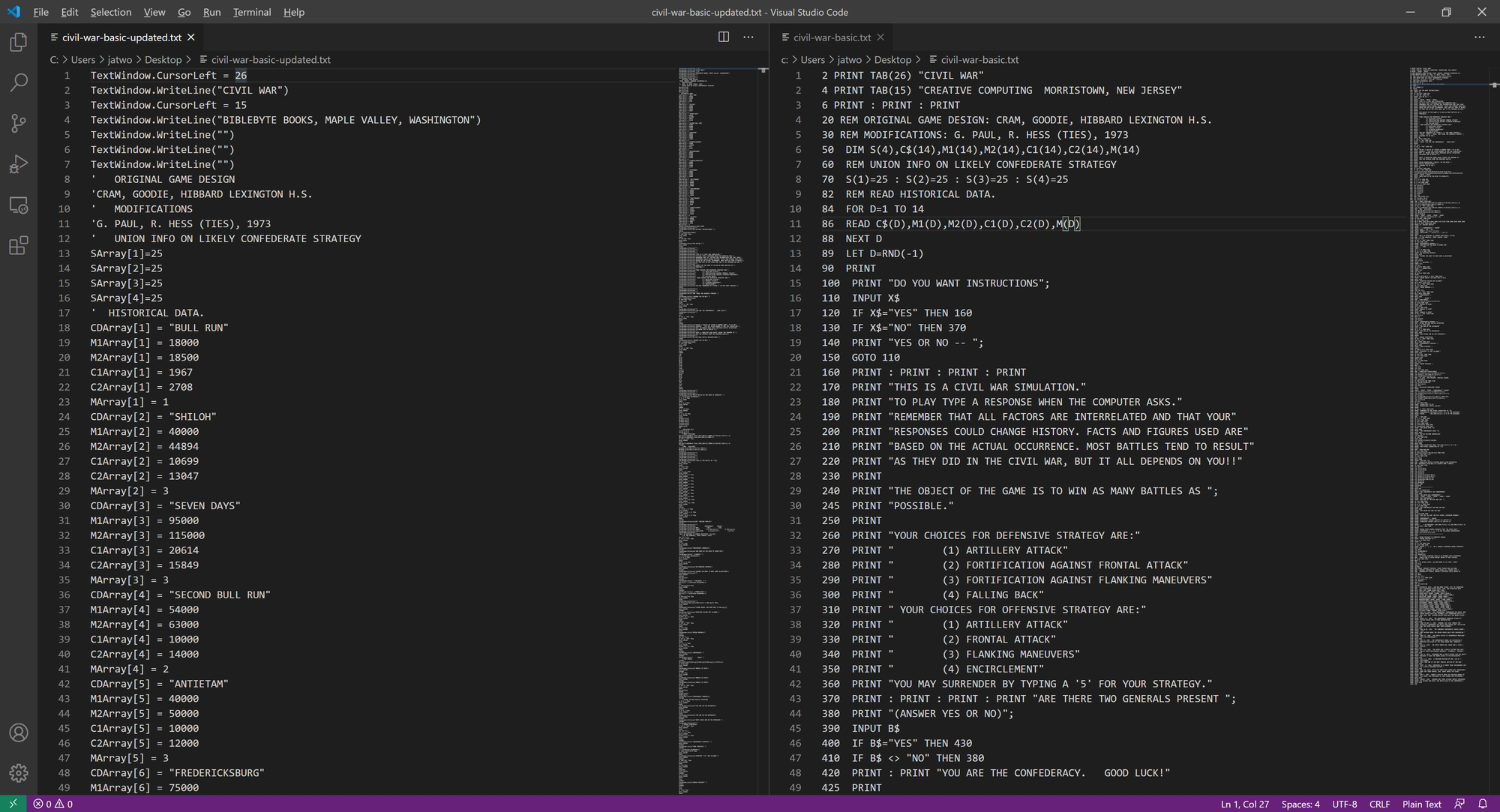
Despite the profound historical significance of "101 BASIC Computer Games," its original programs, written in the simplistic BASIC dialect of the 1970s, pose significant challenges for modern interpretation and application. A previous attempt in 2010 to modernize these games using SmallBasic, while well-intentioned, fell short of truly updating the code for contemporary programming paradigms.
A Call for True Evolution
Jeff Atwood’s critique of the 2010 SmallBasic port highlights a critical distinction: merely removing line numbers, a vestige of early BASIC’s structure, does not constitute a genuine modernization. Modern programming emphasizes principles like modularity, abstraction, and data integrity. The absence of fundamental concepts such as subroutines – which Atwood rightly champions as "the greatest invention in computer science" for promoting code reuse and organization – rendered the SmallBasic adaptations largely irrelevant to current coding practices. The original BASIC programs were often monolithic blocks of code, relying heavily on GOTO statements, which led to "spaghetti code" that was difficult to read, debug, and maintain.
Atwood’s initiative aims to rectify this by reimagining these games using "modern, memory-safe languages that embody the original spirit of BASIC" while incorporating contemporary programming principles. This means restructuring the code to leverage functions, procedures, and object-oriented concepts where appropriate, ensuring that the updated versions are not just functional but also serve as exemplary demonstrations of good coding practices. The focus on "memory-safe" languages is particularly crucial in today’s cybersecurity landscape, minimizing common vulnerabilities associated with manual memory management.
A Collaborative Endeavor: Crafting the Future of Legacy Code
The heart of this modernization project lies in its collaborative, open-source nature, leveraging the power of global programming communities to breathe new life into these digital artifacts. Jeff Atwood has secured explicit permission from David H. Ahl, the original author, underscoring the project’s legitimacy and the shared vision of preserving this computing legacy.

The GitHub Initiative
The project is hosted on GitHub, the world’s leading platform for collaborative software development. This choice reflects a fundamental shift from the solitary coding experience of the 1980s – where one might labor alone, typing lines from a book and cursing inevitable typos – to a distributed, community-driven model. Programmers from around the world are invited to contribute, collectively working on updating the 101 BASIC games across a diverse array of 10 modern, memory-safe, general-purpose scripting languages. The chosen languages are strategically selected for their relevance, accessibility, and robust features: Python, JavaScript, Ruby, C#, Go, Kotlin, Rust, Lua, PHP, and Perl. This broad spectrum ensures that the project appeals to a wide range of developers and provides valuable cross-language comparisons. The inclusion of languages like Rust, known for its strong memory safety guarantees, and Lua, recognized for its lightweight scripting capabilities, further highlights the project’s commitment to both modern performance and pedagogical value.
Contributors are encouraged to adhere to specific guidelines outlined in the project’s README, ensuring consistency and quality across all ports. The collaborative environment of GitHub allows for version control, issue tracking, and peer review, mirroring the best practices of contemporary software development. This approach not only facilitates efficient project management but also serves as an educational tool for participants, exposing them to real-world open-source collaboration.
Empowering the Next Generation of Coders
Beyond its technical objectives, the project carries a significant philanthropic dimension. To incentivize contributions and foster new talent, Jeff Atwood has pledged to donate $5 to Girls Who Code for every functioning program submitted in each of the 10 specified languages by the end of 2022. Girls Who Code is a prominent non-profit organization dedicated to closing the gender gap in technology, providing educational programs and resources to inspire and equip young women with computing skills. This initiative transforms the act of preserving computing history into an active investment in the future of technology, aligning the project with broader goals of diversity and inclusion in STEM fields.
Furthermore, Atwood is actively seeking project co-owners, individuals who possess a strong passion for the endeavor and can help organize and steer the collaborative effort. This call for leadership underscores the project’s long-term vision and its commitment to shared ownership, ensuring sustainability and diverse perspectives in its development. The project also maintains a discussion forum on Discourse, providing a dedicated space for contributors to ask questions, share insights, and troubleshoot challenges, fostering a vibrant community around this unique historical preservation effort.
Preserving Digital Heritage: Broader Implications
The modernization of "101 BASIC Computer Games" extends beyond a mere coding exercise; it represents a significant act of digital archaeology and an invaluable educational resource with far-reaching implications.
Educational Resonance
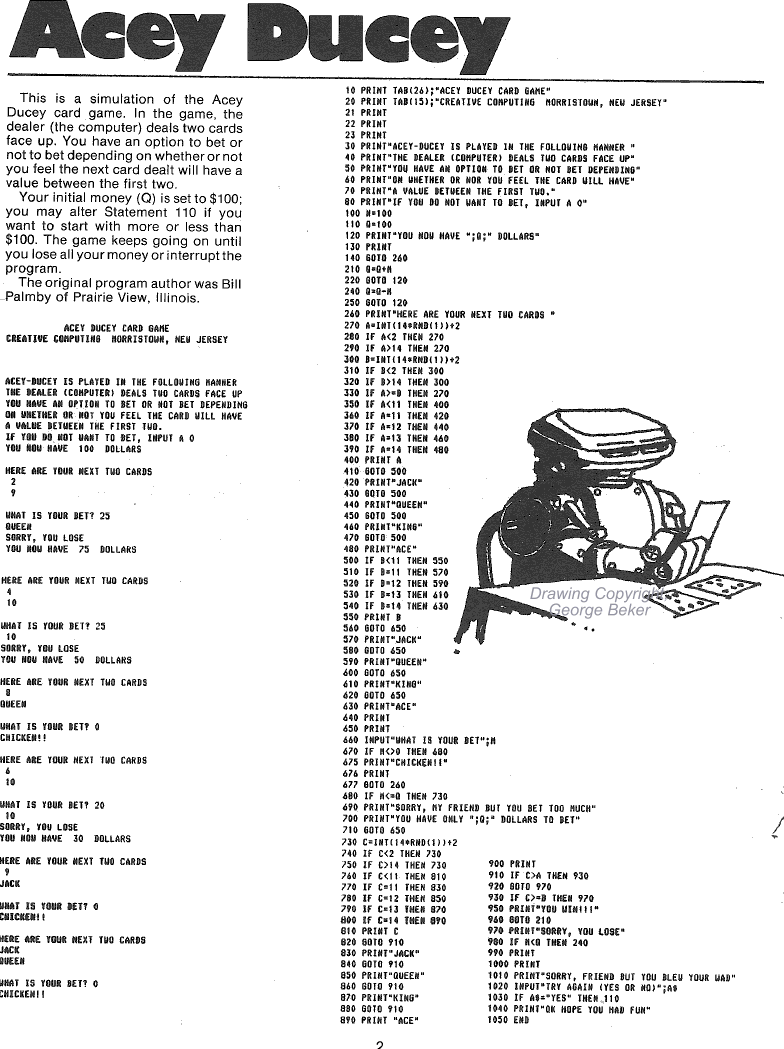
These games, though primitive by today’s standards, are "precious artifacts of early computing." They encapsulate fundamental programming logic and problem-solving approaches that remain relevant regardless of language or paradigm. By porting them to modern languages, the project creates a bridge between historical computing and contemporary education. Students and aspiring programmers can explore foundational algorithms, input/output operations, and control flow in a context that is both historically rich and syntactically current. This can demystify the origins of computer science and demonstrate how core concepts endure, even as tools and languages evolve. The project also serves as an excellent practical learning ground for those wanting to practice new languages or contribute to an open-source initiative, offering manageable, well-defined tasks. The original artwork by George Beker, integral to the charm of the 1970s publication, is also preserved, adding a visual historical layer to the digital experience.
A Blueprint for Digital Preservation
In an era where digital content can easily become obsolete due to changing file formats, software environments, and hardware, this project offers a proactive model for digital preservation. It ensures that a pivotal piece of computing history remains accessible and executable for future generations. By translating the underlying logic of these games into multiple modern languages, the project guarantees their longevity, making them adaptable to future technological shifts. This collaborative, open-source approach to preservation could serve as a blueprint for other historical software and digital artifacts, encouraging communities to actively maintain and update legacy code rather than letting it fade into obscurity. It highlights the importance of not just archiving, but re-interpreting and re-contextualizing historical software for contemporary use.
Conclusion: A Bridge Between Eras
Jeff Atwood’s initiative to update "101 BASIC Computer Games" is more than just a coding project; it is a profound tribute to the pioneers of personal computing and a forward-looking investment in the future of programming education. By honoring the legacy of David H. Ahl and the millions of individuals whose careers were shaped by these simple BASIC games, the project aims to create a living archive that resonates with both nostalgia and innovation. It stands as a testament to the enduring power of community, collaboration, and the fundamental joy of making computers do something, even if that "something" began with a simple game typed line by line from a cherished book. As programmers worldwide heed the call to contribute, they are not merely porting code; they are forging a tangible link between the command-line era and the sophisticated digital world of today, ensuring that the lessons and inspirations of computing’s formative years continue to enlighten and entertain for decades to come. This new year’s resolution for the tech community offers a unique opportunity to participate in updating what is arguably one of the most influential books in computing history, making its lessons accessible and relevant for 2022 and beyond.
About the Author