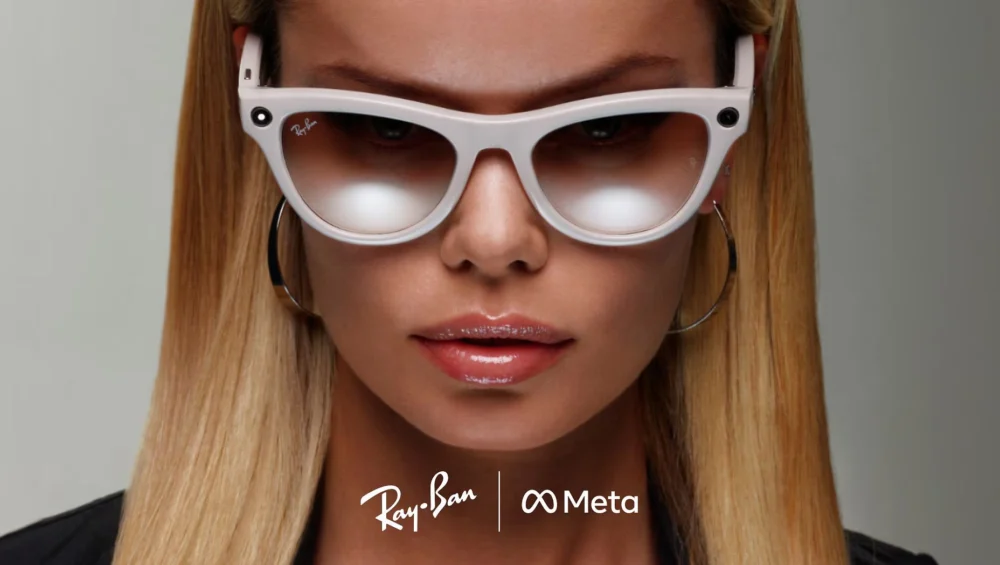
EssilorLuxottica, the French-Italian eyewear conglomerate, has reported that its collaborative smartglasses venture with Meta Platforms Inc. achieved a significant commercial milestone in 2025, surpassing 7 million units sold within a single calendar year. This figure represents a tripling of sales compared to previous iterations of the product line, signaling a pivotal shift in consumer adoption of wearable extended reality (XR) technology. The growth, described by Luxottica as "exponential" within the United States market, suggests that smartglasses are transitioning from niche enthusiast hardware to mainstream consumer electronics.
The success of the Ray-Ban Meta collection highlights a strategic divergence in Meta’s hardware portfolio. While the company’s Quest line of virtual reality (VR) headsets remains a cornerstone of its "Metaverse" vision, the smartglasses have demonstrated higher retention rates and broader retail appeal. Analysts attribute this to two primary factors: ubiquitous distribution through traditional optical boutiques and a more immediate, socially acceptable use case. Unlike VR headsets, which require dedicated indoor space and often isolate the user, smartglasses function as high-end eyewear with integrated utility, fitting seamlessly into daily public life.
Strategic Shift and the Meta Hardware Roadmap
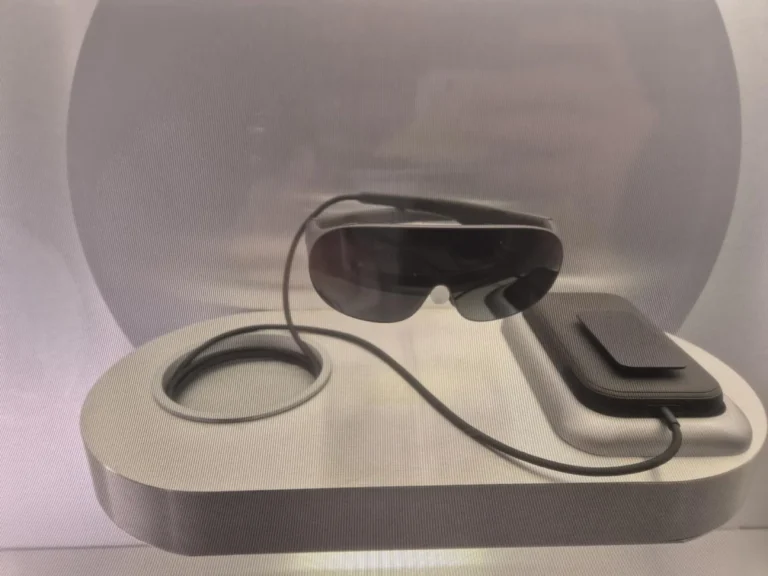
The commercial trajectory of Meta’s wearable division was a central theme in a recent comprehensive interview with Meta’s Chief Technology Officer, Andrew "Boz" Bosworth. During the discussion, Bosworth confirmed that Meta is currently developing two distinct paths for its future head-mounted displays. The first is the Quest 4, which remains focused on high-fidelity gaming and immersive experiences. The second is a series of lighter, more portable devices—codenamed Puffin, Loma, or Phoenix—designed to compete with the Apple Vision Pro in the "spatial computing" category.
A critical revelation from the CTO’s briefing involved the synergy between hardware and Meta’s artificial intelligence (AI) initiatives. Bosworth noted that the team developing smartglasses and the team refining Meta’s Llama AI models are now working in close synchronization. Notably, the next generation of Meta AI is being trained using vast quantities of egocentric data captured via smartglasses. This approach allows the AI to perceive the world from a human perspective, potentially making Meta’s software the most capable assistant for wearable AR applications. This integration creates a feedback loop: the popularity of the glasses provides data to improve the AI, and a superior AI makes the glasses more indispensable to the consumer.

Beyond consumer electronics, Bosworth also alluded to Meta’s entry into the field of humanoid robotics. While specific details remain proprietary, the move indicates Meta’s intention to apply its computer vision and AI research to physical automation, further diversifying the company’s technological footprint beyond social media and digital advertising.
Privacy Debates and Facial Recognition Integration
As smartglasses gain market share, the debate regarding privacy and public surveillance has intensified. Internal reports recently surfaced via the New York Times suggesting that Meta is considering the activation of facial recognition features for its Ray-Ban Meta line. This feature would theoretically allow users to identify acquaintances or public figures in real-time, providing digital overlays of names or social profiles.
While the utility for networking and memory assistance is clear, the ethical implications are profound. An internal company memo from 2025, cited by industry observers, reportedly suggested that the current "dynamic political environment" might provide an opportune window to launch such a controversial feature, as civil society groups and regulators are currently preoccupied with other global crises. This revelation has drawn criticism from privacy advocates who argue that such features should only be deployed following rigorous public debate and the establishment of clear "opt-in" protocols. Experts suggest that for facial recognition to be socially viable, users must have absolute control over their biometric data, including the ability to opt-out of being recognized by others’ devices.
Global Market Projections and the Rise of OLEDoS
The surge in Meta’s sales coincides with a broader bullish outlook for the XR industry. Market research firm Omdia has projected that total revenues for near-eye displays—encompassing AR, VR, and mixed reality (MR)—will reach $1.2 billion in 2026. This forecast represents a year-on-year growth rate exceeding 200%.
The primary technological driver behind this revenue spike is the transition to OLED on Silicon (OLEDoS), also known as Micro OLED. This technology allows for significantly higher pixel density and brightness in a much smaller form factor than traditional LCD or OLED panels. The adoption of OLEDoS is considered essential for the next generation of "all-day" wearable glasses, as it enables the slim profiles required for consumer fashion while maintaining the visual clarity necessary for complex AR overlays. While some industry rumors suggest a slight delay in certain high-end hardware releases toward 2027, the overall trend toward miniaturization and high-resolution optics remains the dominant market force.

Ecosystem Competition and Content Development
While Meta leads in volume, Apple and Google continue to refine their presence in the XR ecosystem. Google recently released a native YouTube application for the Apple Vision Pro, filling a significant content gap for the high-end headset. This move is seen by industry analysts as a strategic positioning by Google, potentially using the VisionOS app as a template for its upcoming Android XR platform. The availability of immersive, high-resolution video content is viewed as a "killer app" for the Vision Pro, which has struggled to find a mass-market hook beyond professional productivity and high-end media consumption.
Conversely, the European market has seen a slight regression in immersive content availability. Disney+ recently removed 3D movie support for the Apple Vision Pro in European territories, a move that highlights the ongoing complexities of regional licensing and digital rights management in the XR space.
In the hardware manufacturing sector, legacy players like HTC are pivoting their strategies. Following the sale of a significant portion of its VR development talent to Google, HTC has shifted its focus toward smartglasses, such as the Vive Eagle, and investments in content production houses like Atlas V. This shift reflects a broader industry realization that the "pure VR" market may be reaching a temporary saturation point, prompting a migration toward lighter AR and smartglasses solutions that offer higher daily utility.
Community Innovation and Market Accessibility
The XR sector continues to be characterized by a high degree of grassroots innovation and aggressive pricing strategies. On the community front, independent developers have garnered attention for experimental hardware, such as a functional VR headset constructed using legacy Cathode Ray Tube (CRT) displays. While commercially unviable due to weight and safety concerns, such projects underscore the enduring interest in optical experimentation within the developer community.
Simultaneously, major retailers have begun aggressive discounting of current-generation hardware to clear inventory for upcoming models. The Meta Quest 3S, for instance, has seen significant price reductions at major outlets like Walmart, bringing the entry point for high-quality mixed reality below $250. This democratization of hardware is expected to bolster the software ecosystem, as a larger install base incentivizes developers to produce more ambitious titles.

Current trends in the Quest Store reflect this growth, with high-profile updates to titles like No Man’s Sky and the release of new entries such as Orcs Must Die! By The Blade. However, the market remains volatile for smaller studios; the asymmetric horror game Inverse recently announced its closure, highlighting the "hit-driven" nature of the current VR software market.
As the industry moves toward 2026, the focus has clearly shifted from "if" XR will become a mainstream reality to "how" it will be integrated into the existing social and regulatory fabric. With smartglasses leading the charge in sales and AI providing the necessary software intelligence, the next 24 months are poised to define the standard for wearable computing for the next decade.
About the Author