The ubiquitous double jump, a staple mechanic in platforming and action-adventure games for decades, has become remarkably straightforward to implement within Unreal Engine 5 (UE5), marking a significant stride in developer accessibility and efficiency. This simplification, highlighted in a recent developer guide, underscores UE5’s commitment to empowering creators, from independent studios to large-scale enterprises, by reducing the technical overhead associated with fundamental gameplay features. The ease with which developers can now integrate this classic movement option promises to accelerate prototyping, refine player experience, and potentially unlock new creative avenues in game design.
The Enduring Legacy of the Double Jump in Gaming
The concept of a character being able to execute a second jump mid-air is far from new, yet its impact on game design and player engagement remains profound. Tracing its origins, the double jump emerged as a revolutionary mechanic that granted players unprecedented control over their character’s vertical movement, adding layers of strategy, exploration, and challenge. Early pioneers in the genre, such as Castlevania: Symphony of the Night, Crash Bandicoot, the Kirby series, and Banjo-Kazooie, masterfully leveraged the double jump to create intricate platforming puzzles, hidden pathways, and dynamic combat encounters. These titles demonstrated how a seemingly simple mechanic could dramatically expand level design possibilities and enhance the fluidity of character movement.
Beyond mere traversal, the double jump often serves multiple gameplay functions. In action games, it can be a vital evasive maneuver, allowing players to dodge attacks or reposition themselves quickly. In puzzle platformers, precise double jumps might be necessary to navigate complex environments or reach otherwise inaccessible areas. Its inclusion often signifies a game’s commitment to empowering players with agile, responsive controls, directly contributing to a sense of mastery and satisfaction. The mechanic has evolved from a niche ability to an expected feature in many modern titles, influencing player expectations for character mobility and environmental interaction across genres. The simplified integration within UE5 thus addresses a core demand within the game development community, ensuring that this beloved feature can be incorporated with minimal friction.
Unreal Engine 5: A Paradigm of Developer-Centric Design
Unreal Engine 5, Epic Games’ latest iteration of its powerful development platform, has been lauded for its cutting-edge graphics capabilities, particularly with technologies like Nanite and Lumen, but equally significant are its advancements in developer workflow and ease of use. The engine’s robust Blueprint visual scripting system stands as a cornerstone of this philosophy, allowing developers to create complex gameplay mechanics, interactive elements, and intricate logic without writing a single line of C++ code. This democratizes game development, making sophisticated features accessible to a broader audience, including those without extensive programming backgrounds.
The Character Movement Component, a highly customizable and integral part of Unreal Engine’s framework, is central to the simplified double jump implementation. This component manages all aspects of character movement, including walking, running, falling, and jumping, abstracting much of the complex physics and collision detection that would otherwise require extensive coding. By providing a pre-built, flexible foundation, UE5 allows developers to focus on creative execution rather than reinventing core systems. This architectural design philosophy is precisely what makes the double jump, and many other common mechanics, so readily achievable. It’s a testament to Epic Games’ foresight in creating tools that are both powerful and approachable.
Streamlined Double Jump Implementation: A Technical Overview
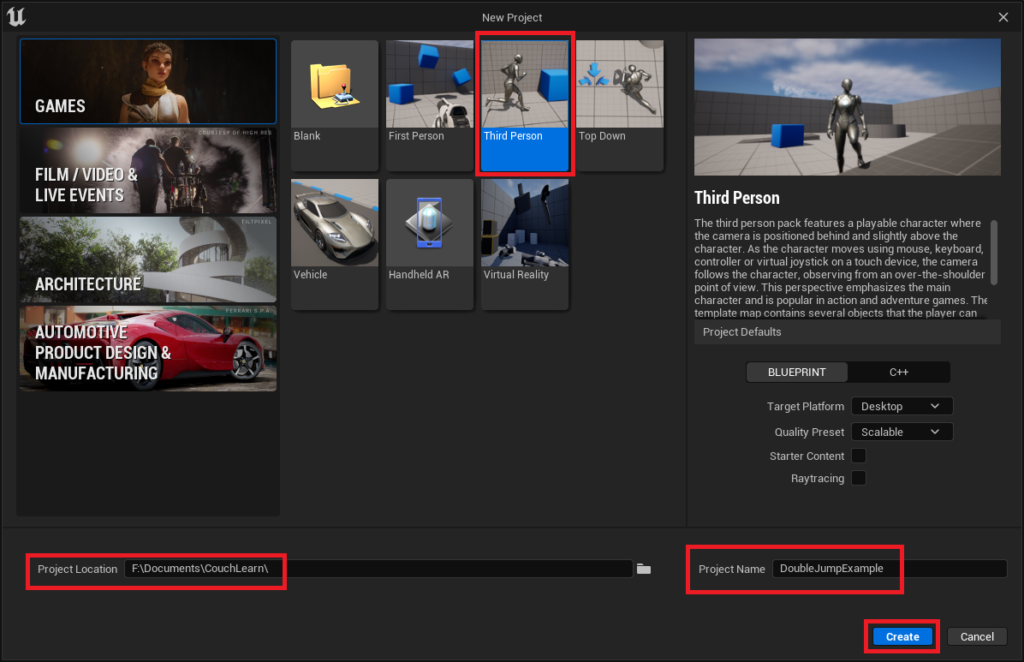
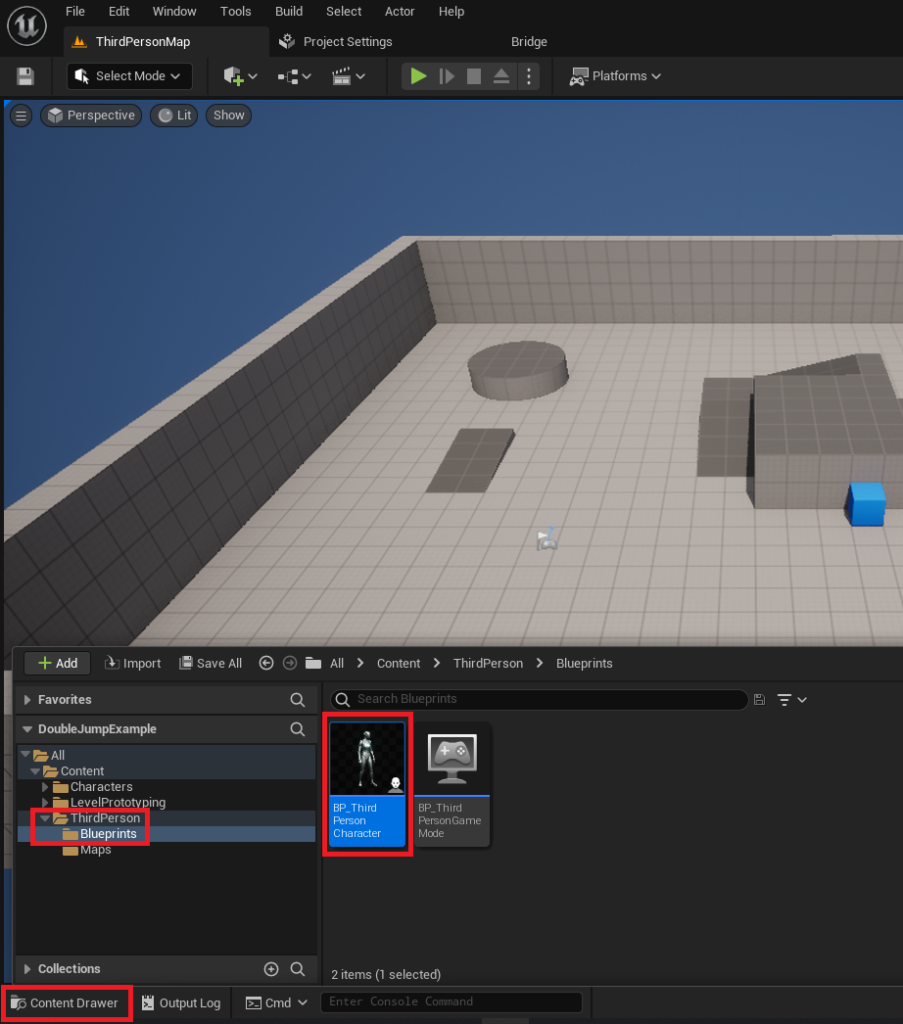
The process of enabling a double jump in Unreal Engine 5 is surprisingly straightforward, primarily involving a single parameter adjustment within the character’s blueprint. For new developers utilizing the engine’s Third Person template, the journey begins with project creation. After selecting the "Third Person" template, designating a project location, and assigning a name, the Unreal Engine editor loads, providing a pre-configured character and environment.
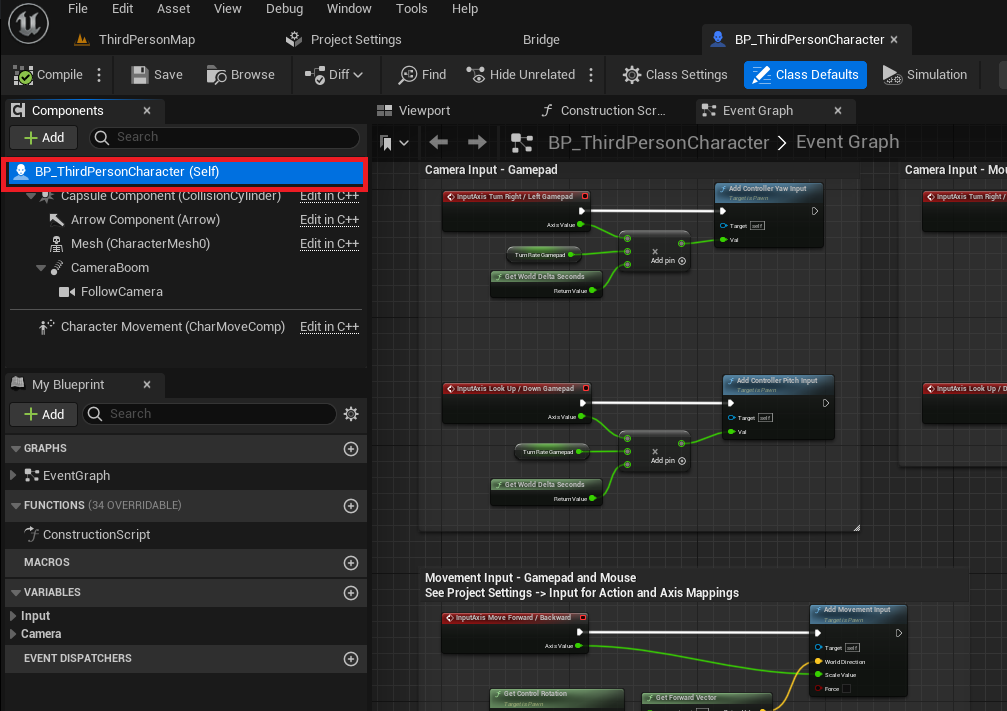
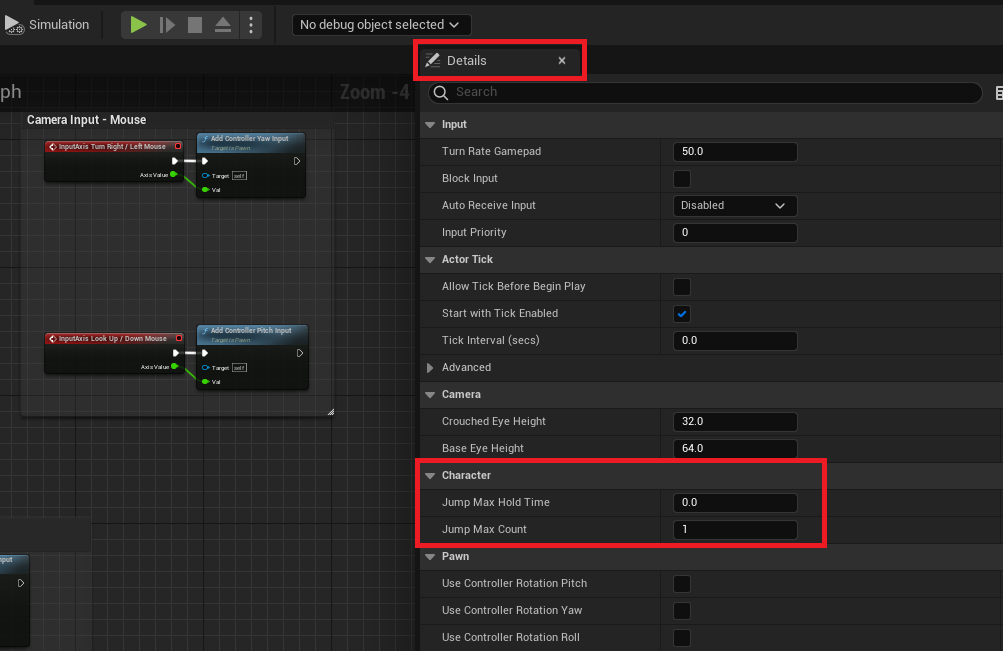
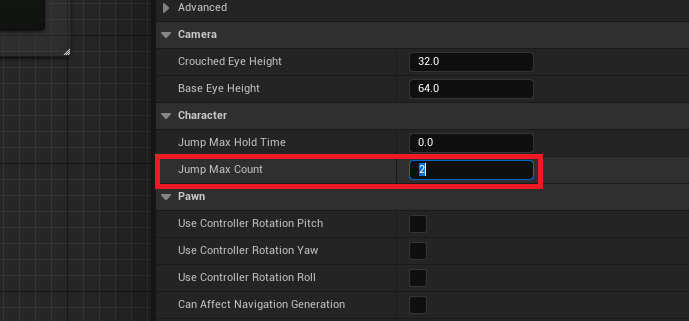
The core of the modification lies within the BP_ThirdPersonCharacter object, found in the Content/ThirdPerson/Blueprints folder. This Character blueprint serves as the central hub for defining the protagonist’s properties and behaviors. Once opened, developers navigate to the "Details" tab, specifically locating the "Character" section. Within this section, a crucial parameter named "Jump Max Count" dictates how many consecutive jumps a character can perform before needing to touch the ground. By default, this value is set to ‘1’, allowing only a single jump. The magic of the double jump is unlocked by simply changing this value to ‘2’. For games requiring even more verticality or unique traversal mechanics, this parameter can be adjusted to ‘3’ or higher, providing multi-jump capabilities with the same ease.
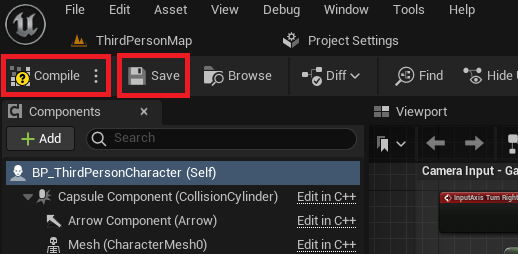
This modification bypasses the need for custom code or complex event graphs for the basic functionality. The Character Movement Component inherently handles the logic of tracking jump counts, applying upward force, and resetting the count upon landing. This level of abstraction significantly reduces development time and minimizes potential bugs associated with custom physics implementations. After adjusting the "Jump Max Count," compiling and saving the blueprint ensures that these changes are integrated into the project, immediately making the character capable of executing a double jump in-game.
The Crucial Role of Animation Refinement for Player Feedback
While the functional aspect of the double jump is effortlessly achieved, a truly polished player experience necessitates corresponding animation. Initial implementations of the double jump often reveal a common visual discrepancy: the character’s jump animation plays only once, leaving the second jump feeling visually disconnected and lacking impact. This lack of visual feedback can detract from player immersion and make the mechanic feel less responsive. Unreal Engine 5’s robust animation system, particularly through Animation Blueprints and State Machines, provides the tools to address this with intermediate difficulty, transforming a functional jump into a satisfying one.
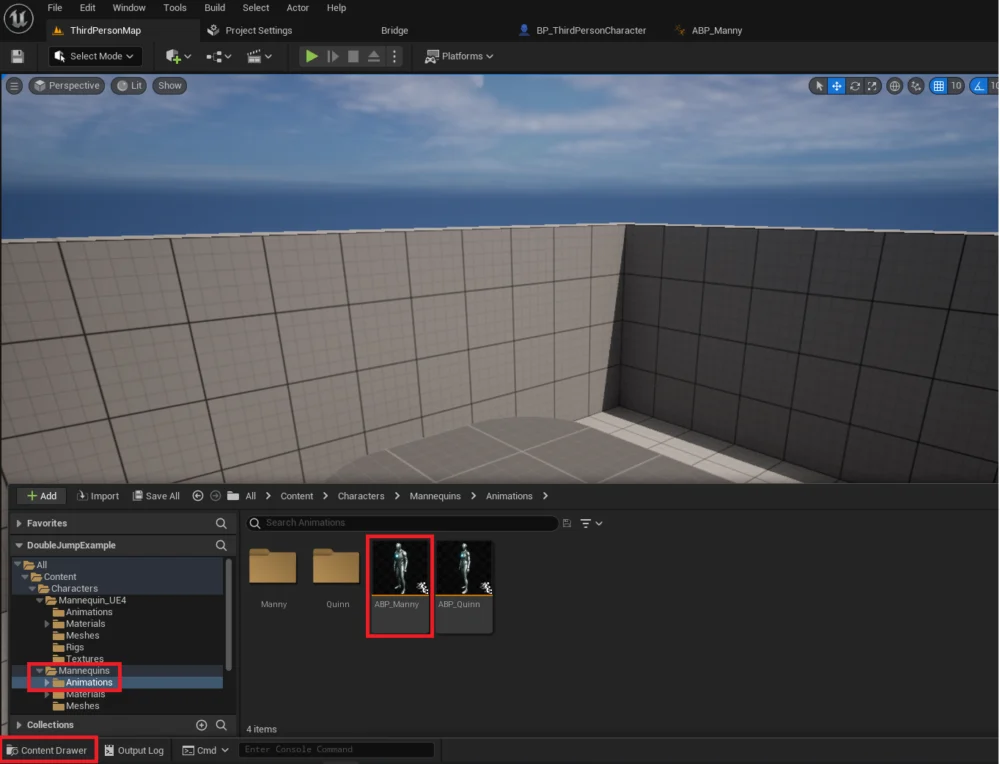
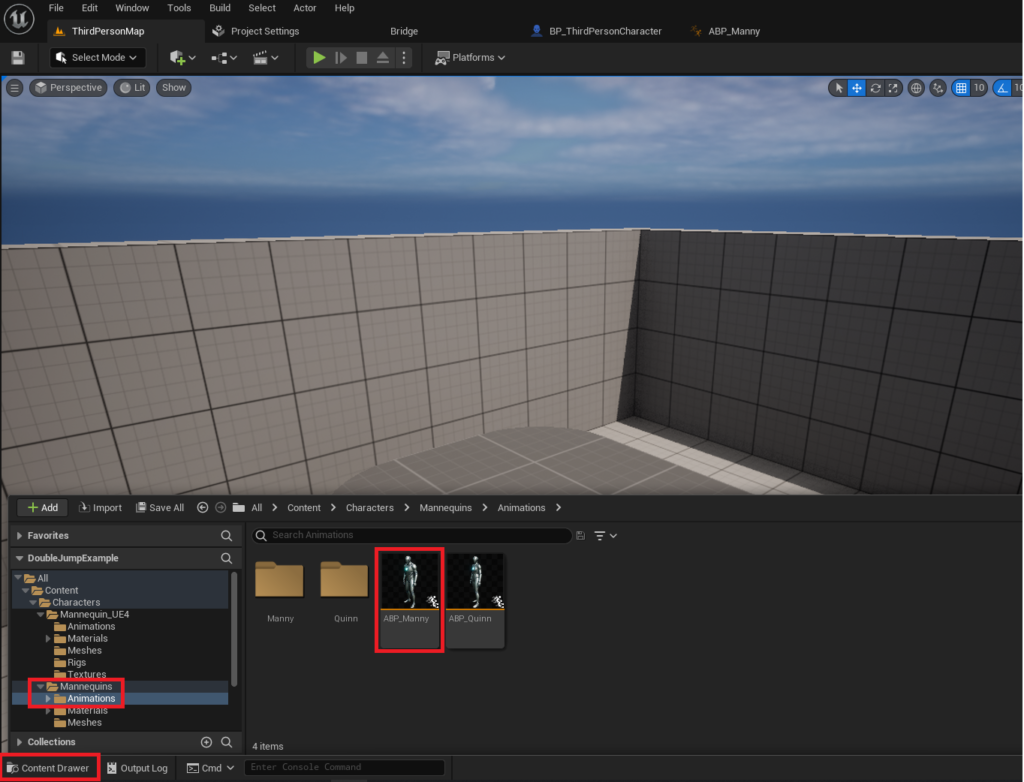
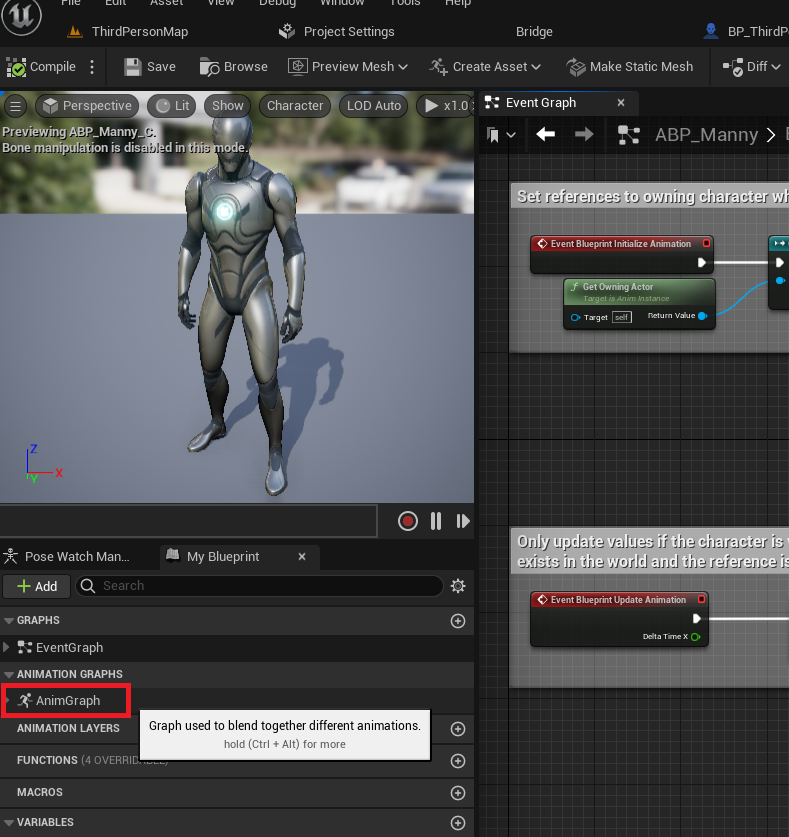
The ABP_Manny object, located in the Content/Characters/Mannequins/Animations folder (or its equivalent for custom characters), houses the animation logic. Within this Animation Blueprint, the "AnimGraph" is the canvas where animation states and transitions are defined. The "Main States" state machine within the AnimGraph governs the character’s primary animation cycles, such as idle, run, jump, and fall.
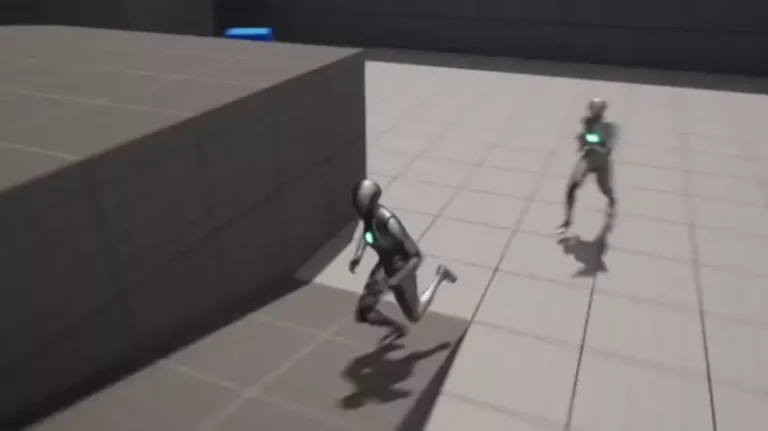
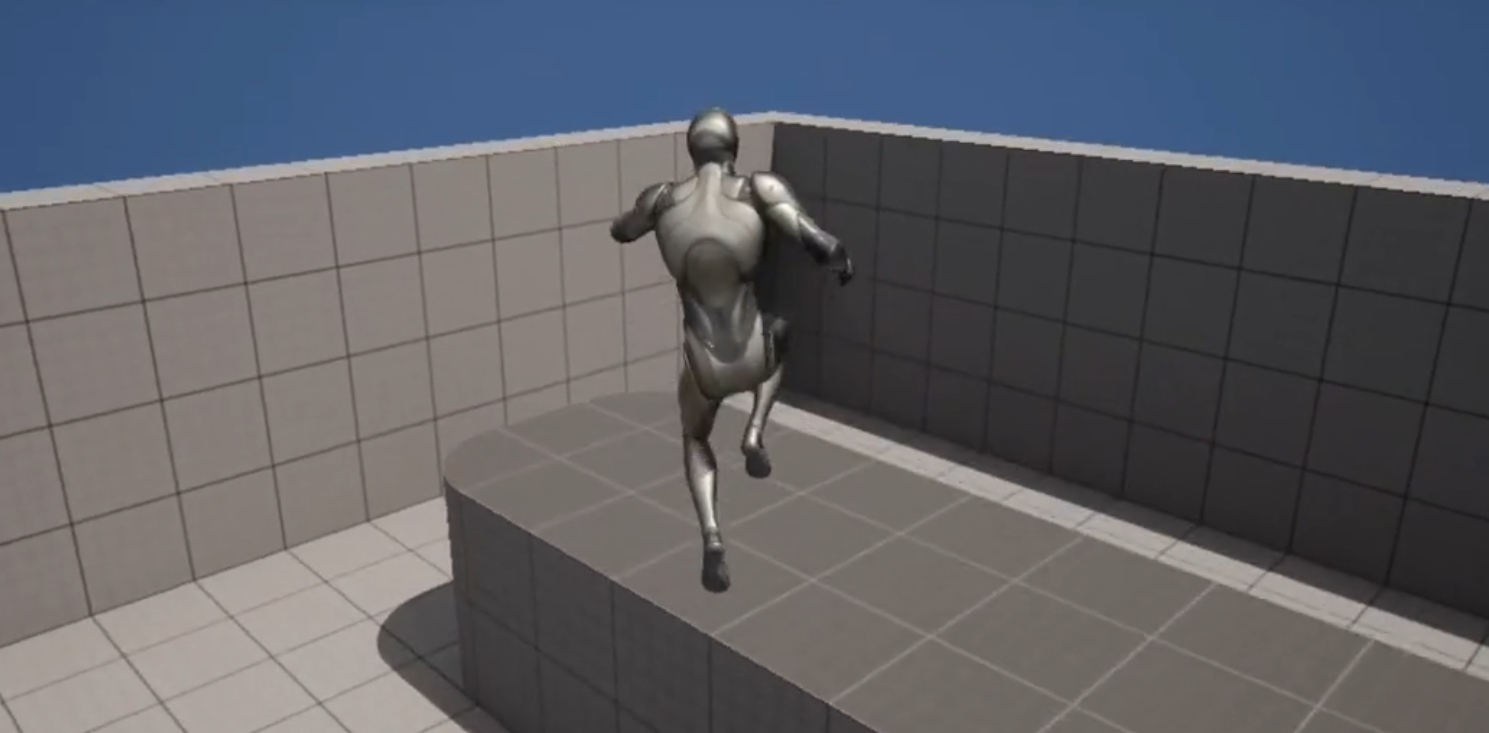
To ensure the jump animation replays correctly for the second leap, developers need to establish a transition pathway. Specifically, a transition is created from the "Fall Loop" state back to the "Jump" state. This crucial link ensures that if the character is in a falling state (which they would be after the initial jump) and another jump input is registered, the animation system correctly re-initiates the jump animation. The transition logic within the editor typically involves checking conditions such as IsFalling (to confirm the character is airborne) and IsJumping (to confirm a jump input has occurred). By configuring these blueprint nodes, the animation state machine intelligently cycles back to the jumping animation, providing clear visual reinforcement for every jump. This attention to animation detail elevates the double jump from a mere mechanical input to an integrated, visually satisfying action. The contrast between a simple, functional double jump and one with proper animation feedback is stark, with the latter significantly enhancing player satisfaction and the overall polish of the game.
Implications for Game Developers and the Industry
The ease of implementing features like the double jump within Unreal Engine 5 carries significant implications across the game development spectrum:
- Accelerated Prototyping and Iteration: For all developers, the ability to quickly integrate core mechanics means less time spent on foundational systems and more time dedicated to creative iteration. Designers can experiment with level layouts and gameplay scenarios much faster, allowing for rapid testing and refinement.
- Empowering Indie Developers: Small teams and individual creators often operate with limited resources and time. UE5’s streamlined approach to common mechanics significantly lowers the barrier to entry, enabling indie developers to build more feature-rich and polished games without needing deep programming expertise. This fosters innovation and diversity in the indie game landscape.
- Efficiency for AAA Studios: Even large studios benefit from this efficiency. While they may have dedicated teams for custom character controllers, readily available and robust engine features mean these teams can focus on more complex, unique mechanics rather than reinventing standard ones. This can lead to cost savings and allow for greater ambition in project scope.
- Enhanced Player Experience: As developers can more easily implement and refine core mechanics, the overall quality and polish of games improve. A double jump that feels responsive and looks fluid contributes directly to player immersion and enjoyment, raising the baseline expectation for character control in modern titles.
- Focus on Unique Selling Points: With common mechanics largely handled by the engine, developers are freed to allocate more resources and creative energy towards differentiating their games through novel gameplay, innovative storytelling, or unique artistic direction.
- Education and Skill Development: For aspiring game developers, UE5 provides an accessible entry point into understanding complex game logic. Learning how to modify existing character components and animation blueprints serves as a practical foundation for more advanced game development concepts.
Industry analysts suggest that the continued simplification of fundamental gameplay elements within leading engines like Unreal Engine 5 is a critical trend. It signifies a maturation of game development tools, where the focus shifts from the arduous task of building foundational technology to the creative art of crafting engaging experiences. This trend not only broadens the pool of potential game creators but also allows established studios to push the boundaries of what’s possible within tighter production schedules.
Looking Ahead: The Future of Game Mechanics and Engine Evolution
The ease of integrating an iconic mechanic like the double jump in Unreal Engine 5 is more than just a convenience; it’s indicative of a broader industry trajectory. As game engines become more sophisticated and user-friendly, the threshold for creating compelling gameplay experiences continues to drop. This democratization of development tools fosters an environment ripe for innovation, where creative ideas can be brought to life with unprecedented speed and efficiency.
The integration of advanced physics, animation blending, and robust character controllers directly into the engine’s core means developers can spend less time on boilerplate code and more time on the unique elements that define their games. This allows for greater experimentation with emergent gameplay, more refined controls, and a higher standard of polish across the board. The double jump, a simple yet powerful example, perfectly illustrates how intelligent engine design can empower developers to focus on the artistry of game creation. As Unreal Engine continues to evolve, developers can anticipate even more sophisticated and accessible tools, further blurring the lines between technical implementation and creative vision, ultimately leading to richer, more immersive, and more diverse gaming experiences for players worldwide.
About the Author