The founding leadership of the game development house formerly known as Bossfight Entertainment has announced the studio’s resurrection as an independent entity, simply titled Bossfight, following its formal closure by Netflix’s gaming division. Headquartered in Dallas, Texas, the newly independent studio marks a significant return to the industry for its original architects, who have reclaimed the brand to focus on developing cross-platform titles for PC and mobile devices. This transition follows a tumultuous three-year period that saw the studio acquired by the global streaming giant, integrated into a burgeoning internal games division, and eventually shuttered as part of a broader strategic realignment within Netflix’s interactive entertainment arm.
The re-established Bossfight is led by its original founders: Chief Executive Officer David Rippy, Chief Product Officer Bill Jackson, and Chief Operating Officer Scott Winsett. The trio, who have worked together for over a decade across multiple successful ventures, confirmed that the new iteration of the studio will operate with a "small, lean core team." This structural choice reflects a growing trend in the gaming industry toward agile development models, utilizing external partners to scale production when necessary while maintaining a tight-knit internal leadership group to oversee creative direction and community engagement.
A Chronology of Acquisition and Independence
The history of Bossfight is inextricably linked with the early ambitions of Netflix’s foray into the video game market. Bossfight Entertainment was originally founded in 2013 by veterans of Ensemble Studios and Zynga. The studio achieved significant commercial and critical success with its mobile battler, Dungeon Boss, which became a staple of the mid-core mobile gaming market. This success positioned the studio as an attractive target for Netflix, which was looking to bolster its internal development capabilities to support its mobile games subscription service.
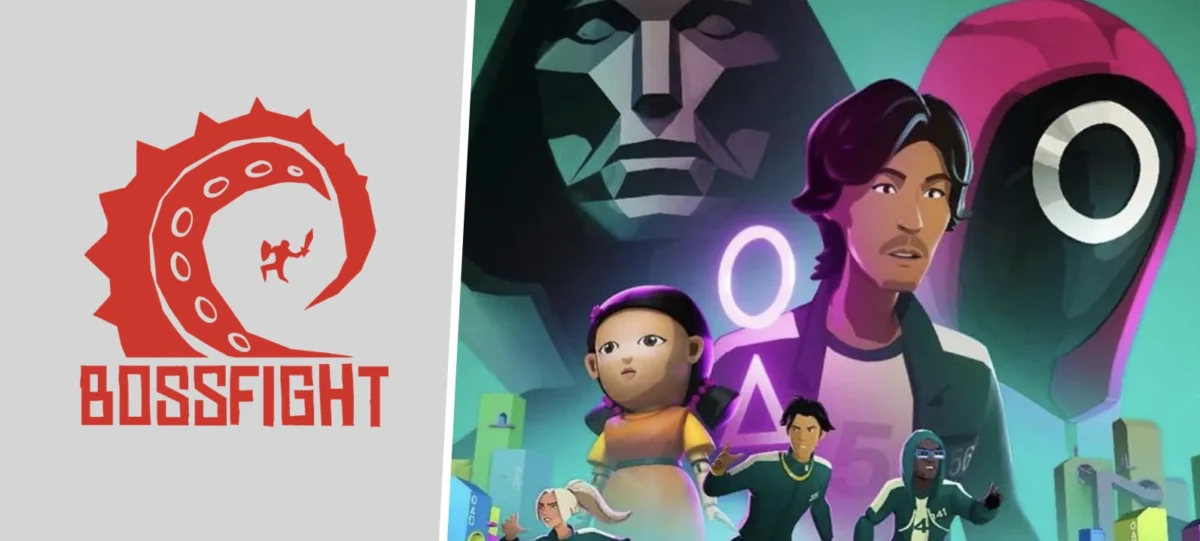
In March 2022, Netflix officially acquired Bossfight Entertainment. At the time, the move was seen as a cornerstone of Netflix’s aggressive expansion strategy, following its acquisitions of Night School Studio (the creators of Oxenfree) and Next Games. Under the Netflix umbrella, Bossfight was tasked with leveraging high-profile intellectual properties. This culminated in the development and launch of Squid Game: Unleashed, a multiplayer "party royale" title inspired by the global hit series Squid Game. The game, which drew comparisons to the popular Fall Guys for its physics-based obstacle courses and competitive mini-games, was intended to showcase Netflix’s ability to turn its cinematic IP into interactive experiences.
However, the landscape of corporate gaming changed rapidly. In October 2025, Netflix made the strategic decision to close Bossfight Entertainment, resulting in the displacement of approximately 80 staff members. This closure was part of a broader restructuring that also saw the dissolution of Netflix’s "Team Blue," an internal AAA studio based in Southern California that had been staffed by high-level veterans from the Halo and God of War franchises. The shuttering of Bossfight marked the end of the studio’s first corporate chapter, but the founders’ decision to relaunch independently suggests a belief in the viability of their original creative philosophy over corporate-driven IP management.
Strategic Shift and the Return to PC Roots
The new Bossfight is currently in the early stages of developing an unannounced title. While the studio’s recent history was defined by mobile-first development under Netflix, the leadership has signaled a pivot back toward PC platforms. This move is significant, as many members of the leadership team began their careers in the PC space at Ensemble Studios, the legendary developer behind the Age of Empires series.
"This is about bringing back the team that built Bossfight," stated CEO David Rippy in a recent address regarding the studio’s revival. "We’ve created and scaled games side-by-side for well over a decade. Reuniting that leadership team under the Bossfight name—and returning to the principles that have guided us from the beginning—is something we’re incredibly excited about."
Chief Product Officer Bill Jackson echoed these sentiments, emphasizing a return to core gaming values. "We build communities through our games around a simple philosophy: create experiences that are simple, beautiful, and fun," Jackson said. "That approach has guided us across every platform we’ve ever worked on. We’re excited to bring that philosophy back to PC—where many of us began—while continuing to build great experiences across all platforms and staying true to the values that bring players together."
Analysis of the "Lean Studio" Model in a Volatile Market
The decision to operate with a "small, lean core team" is a calculated response to the current economic climate of the video game industry. Between 2023 and 2025, the gaming sector faced a period of unprecedented contraction. Following the pandemic-era boom, many large-scale publishers and tech giants found themselves overextended. According to industry tracking data, over 10,000 gaming industry jobs were lost in 2024 alone, with 2025 continuing the trend as companies prioritized profitability and "live service" stability over rapid expansion.
By adopting a lean model, the new Bossfight aims to mitigate the overhead costs that often lead to mass layoffs in larger corporate structures. This "Phoenix Studio" approach—where veterans of shuttered studios reform as smaller, independent entities—is becoming a common sight in the industry. It allows developers to maintain creative control and intellectual property rights, avoiding the "churn and burn" cycle of corporate acquisitions.
Industry analysts suggest that Bossfight’s move to PC is also a strategic diversification. While the mobile market remains the largest in terms of total revenue, the PC and console markets offer a more dedicated "core" player base that is often more receptive to new, independent IPs. By targeting both PC and mobile, Bossfight is positioning its upcoming project to capture the growing "cross-play" demographic, where users expect to continue their progress seamlessly between their desktop and mobile devices.
Supporting Data: The Netflix Gaming Portfolio
To understand the context of Bossfight’s departure, one must look at the broader performance and strategy of Netflix Games. Since 2021, Netflix has acquired several key studios:
- Night School Studio (2021): Known for narrative-driven games; successfully launched Oxenfree II under Netflix.
- Next Games (2022): Based in Finland, creators of Stranger Things: Puzzle Tales.
- Bossfight Entertainment (2022): Originally focused on Dungeon Boss and later Squid Game: Unleashed.
- Spry Fox (2022): Developers of Cozy Grove, focused on non-violent, "cozy" gaming experiences.
Despite these acquisitions, Netflix has faced challenges in converting its massive streaming subscriber base into active gamers. Third-party analytics from late 2024 suggested that less than 5% of Netflix’s total subscribers were engaging with its game library on a daily basis. This lack of deep penetration into the gaming market likely contributed to the decision to shutter internal studios like Bossfight in favor of a more streamlined approach that may rely more heavily on third-party licensing rather than internal first-party development.
Broader Impact and Industry Implications
The resurrection of Bossfight serves as a case study for the resilience of independent development teams in the face of corporate consolidation. When a major tech company like Netflix acquires a studio, the goal is often "transmedia synergy"—the idea that a television show can perfectly translate into a game and vice versa. However, the closure of Bossfight suggests that the cultural and operational differences between a subscription-based video service and a hit-driven game studio can create friction.
The new Bossfight is likely to focus on the "mid-core" market—games that are more complex than casual titles but more accessible than hardcore AAA shooters. This is where the team’s experience with Dungeon Boss and their history at Ensemble Studios will be most valuable. By focusing on "lasting communities," the studio is signaling a shift away from the "one-off" promotional games often associated with streaming tie-ins, and toward a "Games as a Service" (GaaS) model that prioritizes long-term player retention.
Official reactions from the Dallas tech community have been largely positive, noting that the retention of the Bossfight name and its leadership team keeps a significant amount of specialized talent within the Texas gaming hub. Dallas has long been a secondary center for the industry, housing veterans from id Software and Gearbox, and the survival of the Bossfight brand is seen as a win for the local ecosystem.
Future Outlook
Details regarding the studio’s first independent project remain confidential, with Bossfight stating that more information will be released in the coming months. The industry will be watching closely to see if the team can replicate the success of Dungeon Boss without the massive marketing reach of the Netflix platform. However, with a leadership team that has remained intact through an acquisition, a major product launch, and a studio closure, the "new" Bossfight enters the market with a level of veteran stability that is rare in the modern startup environment.
As the gaming industry continues to recalibrate in the wake of post-pandemic market shifts, the story of Bossfight—from independent success to corporate subsidiary and back to independent entity—highlights the cyclical nature of game development. For Rippy, Jackson, and Winsett, the return to the Bossfight name is more than just a business move; it is a return to the "simple, beautiful, and fun" philosophy that defined their earliest successes. Whether they can navigate the competitive PC and mobile landscapes as a lean, independent team will be the definitive test of their next chapter.
About the Author