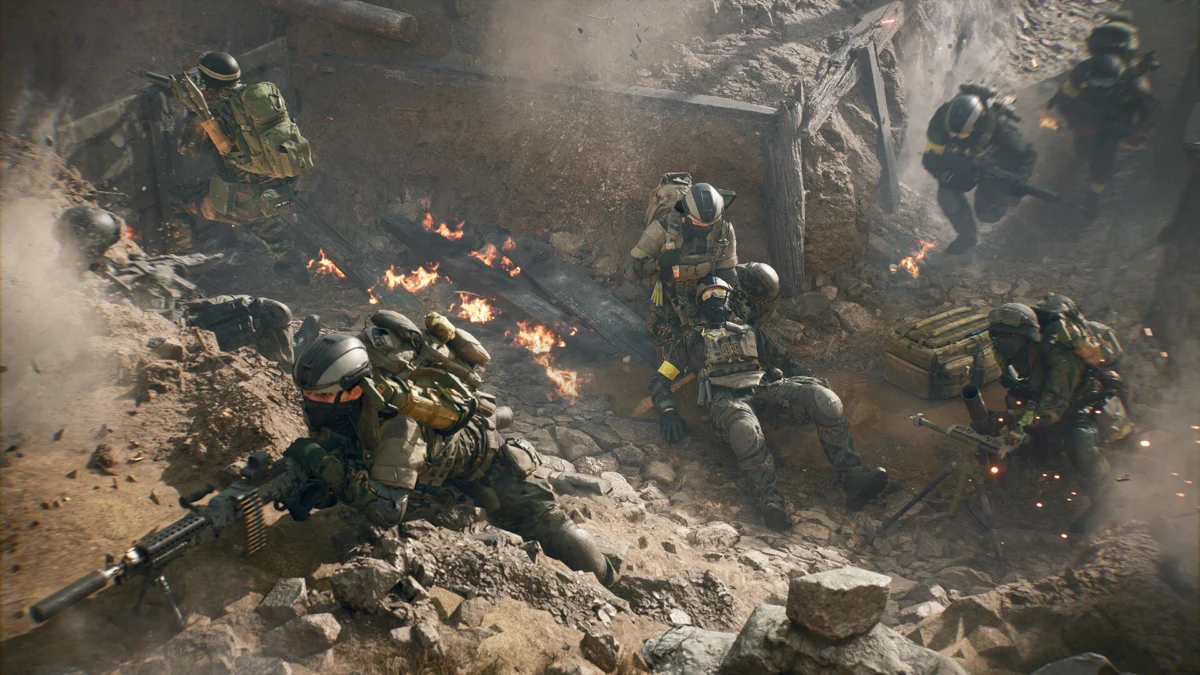
The venerable Battlefield series, long celebrated for its ambitious large-scale engagements, has consistently navigated a delicate balance between gritty military realism and the exhilarating spectacle inherent in its over-the-top action sequences. For any first-person shooter (FPS) striving to deliver a visceral sense of conflict, the quality of visual feedback and player perception is paramount. With the highly anticipated Battlefield 6, the core development team at DICE Studios has undertaken a profound re-evaluation of this fundamental "feel," aiming to elevate the player’s sense of being directly immersed in armed combat. This strategic shift, unveiled at the GDC Festival of Gaming 2026, marks a pivotal moment for the franchise, signaling a renewed commitment to foundational gameplay mechanics informed by an unexpectedly diverse range of influences.
GDC Festival of Gaming 2026: A Platform for Innovation
The Game Developers Conference (GDC) Festival of Gaming, a globally recognized nexus for game development professionals, serves as a crucial platform for sharing cutting-edge design philosophies, technical breakthroughs, and industry insights. The 2026 iteration of the festival, held in San Francisco, once again drew thousands of developers, artists, programmers, and producers from across the international gaming landscape. Amidst a packed schedule of keynotes, panels, and workshops, one presentation particularly resonated with attendees eager for a glimpse into the future of blockbuster titles: a deep dive into Battlefield 6‘s design ethos by DICE Studios game designer Jac Carlsson. His talk, titled "The Kinesthetic Battlefield: Designing Visual Language for Player Feedback," provided a rare and candid look into the meticulous process of crafting player experience, drawing intriguing parallels between game design and other performative arts.
Carlsson, a seasoned designer known for his commitment to "function over form," outlined the studio’s rigorous approach to redesigning visual cues and locomotion animations for Battlefield 6. What truly captivated the audience, however, was his revelation that an unlikely source had profoundly shaped this redesign: his extensive background in dance choreography. This unique interdisciplinary perspective, Carlsson argued, proved instrumental in enhancing the game’s visual feel, translating the intricate dynamics of movement and emotion from the stage to the digital battlefield.
Re-establishing the Foundational "Feel" Post-Battlefield 2042
The journey towards Battlefield 6‘s refined game feel was not without its challenges, deeply influenced by the preceding installment. The launch of Battlefield 2042 was met with a mixed reception from the global gaming community, characterized by widespread discussions regarding technical limitations, perceived inconsistencies in its visual style, and a general dissatisfaction with certain core gameplay elements. This feedback served as a critical inflection point for DICE Studios. Internally, the team recognized the imperative to address these concerns head-on, initiating a comprehensive introspection into the very essence of the Battlefield experience.
"I think it’s important for any creative work to ask yourself, ‘How do I balance the aesthetic goals versus the core function of the game?’" Carlsson stated during his presentation, echoing the studio’s renewed focus. He elaborated on the inherent tension within the franchise: "We lean into a kind of military fantasy, right? It’s a military simulation, in a way, and Battlefield also has a dash of arcade shooter. But the foundation of it all—the team agreed that the fundamentals of an FPS should drive our decision-making. This means solid input, low input latency and movement, and firing that feels connected to the reality of the gameplay and the rhythm of the game."
This commitment to fundamental FPS mechanics meant a return to basics. The developers scrutinized every aspect of player interaction, from the instantaneous response of button presses to the nuanced visual and auditory cues that accompany every action. Carlsson articulated this foundational principle as achieving "the alignment of perception in gameplay." In essence, this refers to the seamless congruence between a player’s intended action, the game’s execution of that action, and the player’s sensory perception of it. When this alignment is achieved, the player’s brain interprets the in-game avatar’s movements and actions as an extension of their own, fostering a deep sense of presence and control.
The Kinesthetic Combat Systems: A Deep Dive into Animation and Feedback
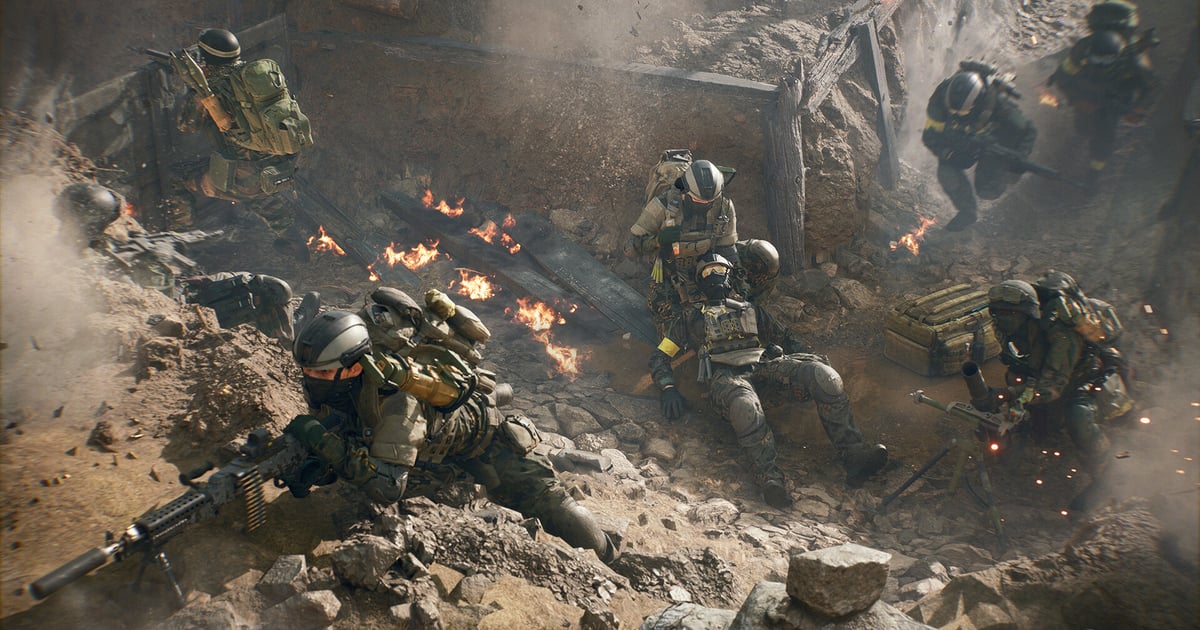
Following the critical assessment of Battlefield 2042, the Battlefield 6 team embarked on a mission to completely overhaul how movement, aiming, and firing feedback are conveyed to the player. This effort culminated in what the studio internally dubbed the "Kinesthetic Combat Systems." This system goes beyond mere animation; it’s a holistic approach to ensuring every player action translates into clear, intuitive, and physically grounded visual and auditory feedback.
A significant portion of Carlsson’s talk delved into the intricacies of first-person animations. He detailed how elements like weapon sway, arm motion during sprinting, and the subtle shifts in the player’s field of view when aiming were meticulously redesigned. The emphasis was placed squarely on realistic limb motion and maintaining a clear visual line of sight during intense action. For instance, sprint animations were refined to convey a greater sense of momentum and physical exertion, with the weapon and arms reacting dynamically to the character’s speed and terrain. Similarly, aiming down sights (ADS) now incorporates more nuanced movements that suggest the weight and handling of the weapon, rather than a rigid, instantaneous snap.
This painstaking attention to detail is rooted in behavioral psychology. When visual feedback is inconsistent or unconvincing, it can break immersion and even lead to player frustration, as the brain struggles to reconcile the player’s intent with the avatar’s actions. By contrast, a well-executed kinesthetic system reinforces the illusion of agency, making the player feel truly connected to their character in the heat of battle. This involves not just the visual aspect, but also the subtle camera shakes, the tactile rumble of the controller, and the precise audio cues that accompany every bullet fired, every step taken, and every enemy engaged. The goal is to create a multi-sensory feedback loop that is both informative and emotionally resonant.
The Unlikely Muse: Dance Choreography and the Rhythm of Combat
Perhaps the most compelling aspect of Carlsson’s presentation was his exploration of how his extensive background in dance choreography—for TV, film, live events, and nightclubs—directly informed the design of Battlefield 6. This interdisciplinary approach highlights a growing trend in game development, where designers draw inspiration from fields far removed from traditional software engineering.
Carlsson elucidated how building dance performances, which are fundamentally about conveying emotion and narrative through movement, provided invaluable insights into redesigning Battlefield 6‘s visual feedback and overall game feel. "This is where dance comes in—so you have input to hardware, to screen, and then back to the body of the player, and understand that this is a loop instead of a finite result," Carlsson explained. "In other words, returning information to the player is essential. This means that game feel is about more than the experience of any action in isolation. It’s about how the game responds to you and then how you respond to that over and over again."
In dance, every movement, every gesture, contributes to a larger narrative and evokes a specific emotional response from the audience. Choreographers meticulously craft sequences, considering rhythm, timing, spatial awareness, and the flow of energy. Carlsson applied these principles to game design, viewing the player’s interaction with the game as a continuous performance. The "flow of movement" in Battlefield 6—how a player transitions from sprinting to sliding, from aiming to firing, from taking cover to engaging an enemy—was designed to possess a natural rhythm and momentum, much like a choreographed piece. This rhythm, Carlsson argued, is crucial for allowing players to intuitively sequence emotions and actions, creating a more fluid and engaging combat experience.
He further elaborated that "response time and aesthetics are important, but they’re not enough, because the qualitative behavior of that response is what’s going to determine the player’s ability to intuitively sequence emotions and actions." This means that simply being fast or pretty isn’t enough; the way the game responds must feel right, must communicate intent, and must enable the player to anticipate and react effectively. A well-choreographed dance move isn’t just about hitting the right pose; it’s about the seamless transition, the energy conveyed, and the emotional impact. Similarly, a well-designed game mechanic isn’t just about functionality; it’s about the intuitive, qualitative feel of its execution.
Engineering Player Feedback Loops and Sensory Input
The concept of the "input-to-body" loop is central to Carlsson’s philosophy. Players provide input via controllers or keyboards; the game engine processes this input and renders visual, auditory, and haptic feedback; and the player then perceives this feedback, which in turn informs their next input. This continuous, iterative loop is where game feel is truly forged. Carlsson emphasized that designers must not view player actions in isolation but as part of an ongoing dialogue between the player and the game world.
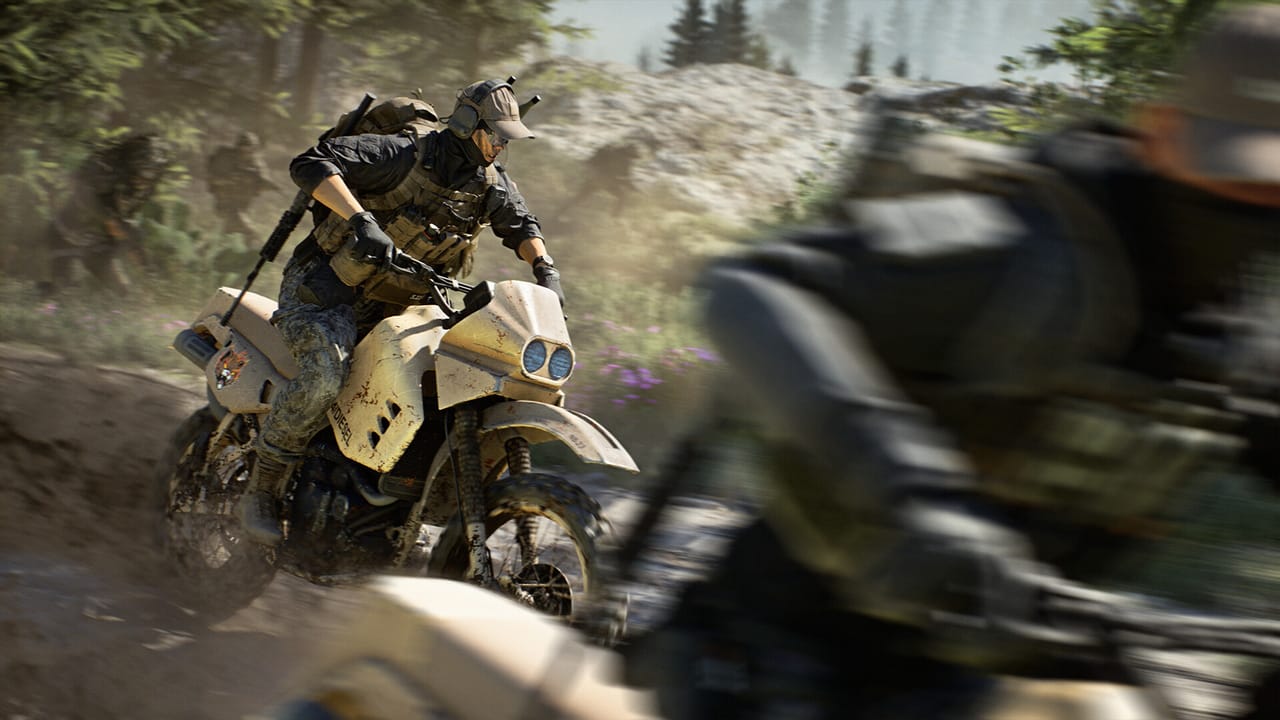
Achieving this level of nuanced sensory input, especially within the chaotic, large-scale battles of a Battlefield game, presents significant technical and design challenges. Conveying the details of modern armed conflict—the weight of equipment, the impact of bullets, the physical strain of movement—while simultaneously ensuring the game remains fun and accessible, requires a delicate balancing act. Carlsson and his team embraced this responsibility, striving for a "certain reality" within the bounds of an action game. This meant careful calibration of visual effects like muzzle flash and bullet impacts, subtle screen shake to denote explosions or nearby gunfire, and a robust audio design that accurately portrays the spatial and directional aspects of combat.
The impact of these design choices extends beyond mere aesthetics. Improved visual feedback can enhance tactical awareness, allowing players to better understand their character’s state, weapon status, and environmental context. For example, clear animations for reloading or weapon jamming can provide vital split-second information that impacts survival in a firefight. The goal is to make the game’s systems transparent and intuitive, allowing players to focus on strategy and execution rather than struggling against clunky controls or ambiguous feedback.
Broader Implications for the FPS Genre and DICE’s Future
Carlsson’s presentation and the design philosophy behind Battlefield 6 have significant implications not only for the franchise but for the broader FPS genre. By prioritizing the "kinesthetic" experience and drawing from diverse artistic disciplines, DICE Studios is pushing the boundaries of what constitutes compelling game feel. This approach underscores a growing industry trend towards holistic design, where mechanics, visuals, audio, and player psychology are considered as interconnected elements rather than separate silos.
Industry analysts and critics have largely reacted positively to the insights shared at GDC 2026. Many see this renewed focus on core player experience as a strategic move to rebuild trust and re-establish the Battlefield series as a benchmark for immersive large-scale combat. Statements from DICE leadership, while not directly quoted in the presentation, have consistently signaled a commitment to learning from past experiences and investing heavily in foundational gameplay. This public introspection and transparency regarding their development process are often appreciated by a community eager for tangible improvements.
The "player as performer" ethos championed by Carlsson resonates deeply with the core appeal of action games. In the closing moments of his talk, he powerfully reinforced this idea by referencing a line from Michael Mann’s seminal heist film Heat, where the late actor Tom Sizemore’s character, Michael Cheritto, declares, "The action is the juice." This iconic quote encapsulates the very essence of Battlefield 6‘s design ambition: to make the moment-to-moment experience of combat so visceral, so engaging, and so intrinsically rewarding that the player feels truly alive within the game world.
Battlefield 6 is poised to redefine player immersion by meticulously crafting a feedback loop that marries military fantasy with an arcade sensibility, all through the lens of movement and rhythm. By harnessing the unexpected insights of dance choreography, DICE Studios is not just building a new game; it’s orchestrating a new kind of combat symphony, inviting players to become the performers in their own white-knuckle spectacle. The anticipation for the game’s release is palpable, with the community keenly awaiting the opportunity to experience this meticulously choreographed battlefield firsthand and witness how Carlsson’s unique vision translates into a truly unforgettable gaming experience.
Game Developer and GDC Festival of Gaming are sibling companies under Informa Festivals.
About the Author