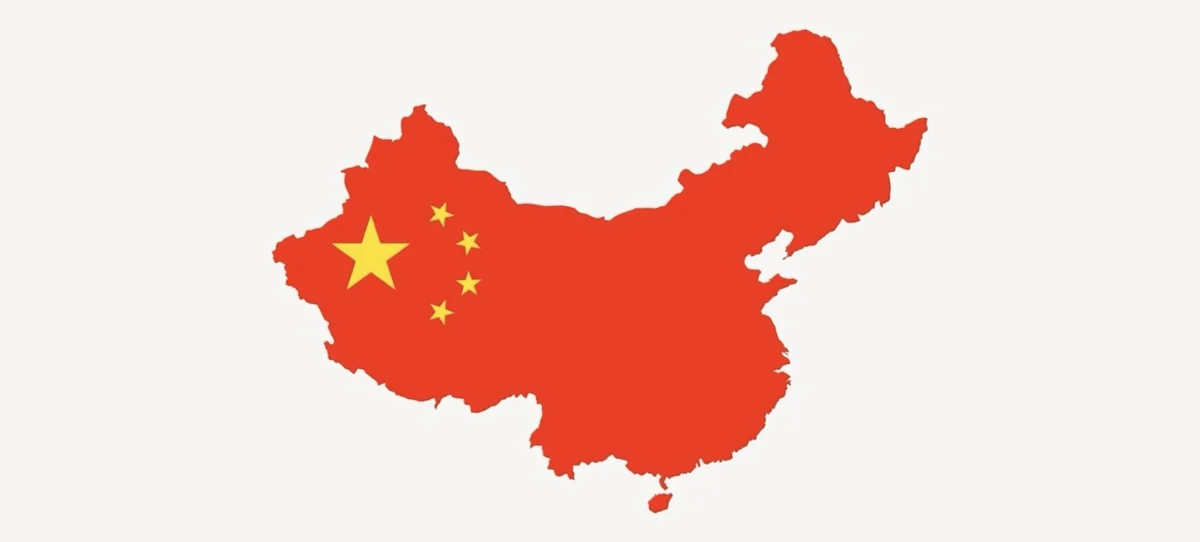
The People’s Republic of China represents the single most significant growth opportunity for Western mobile game developers, characterized by a massive population, a robust digital economy, and a consumer base that prioritizes mobile platforms over traditional consoles or PCs. According to Daniel Ahmad, Director of Research and Insights at Niko Partners, the Chinese gaming sector is a "50 billion dollar opportunity," supported by a gaming population exceeding 700 million individuals. This scale makes China the largest domestic video game market in the world, yet it remains one of the most difficult to penetrate for international firms. While the economic allure is undeniable, the path to success is obstructed by a formidable barrier to entry, including stringent regulatory frameworks, intense competition from domestic tech giants, and a unique digital infrastructure that differs fundamentally from Western ecosystems.
The Evolution of the Chinese Gaming Market: A Chronology of Regulation
To understand the current landscape, it is essential to review the chronological shifts in Chinese gaming policy. For much of the early 2000s, China maintained a ban on game consoles, which inadvertently fueled the rise of PC cafes and, eventually, the mobile gaming revolution. By the mid-2010s, China had become a mobile-first nation, with companies like Tencent and NetEase rising to global prominence. However, the regulatory environment tightened significantly in 2018 when the government suspended game approvals for nine months to restructure the licensing body.
In 2021, the National Press and Publication Administration (NPPA) introduced further restrictions, limiting the gaming hours of minors to three hours per week. Despite these hurdles, the market has shown remarkable resilience. By 2024 and looking toward 2025, the issuance of Import Silicon Book Number (ISBN) licenses—the mandatory permits required to monetize games in China—has seen a gradual but cautious increase. This trend suggests a stabilizing environment, though one that requires developers to be more disciplined and compliant than ever before.
Regulatory Compliance and the ISBN Licensing Process
The primary obstacle for any Western developer is the government approval process. No game can be legally monetized in China without an ISBN license issued by the NPPA. For international developers, the process is particularly rigorous. These "Import Licenses" are limited in number and are often subject to long wait times. To mitigate these delays, many firms are turning to co-development models.
Daniel Ahmad notes that submitting a game through the domestic approval process is often faster and subject to higher quotas. However, this necessitates a deep partnership with a local entity or a "local development" approach where the intellectual property is effectively managed or co-produced within Chinese borders. This strategy not only aids in navigating the bureaucracy but also ensures that the content is curated to meet local sensibilities and legal requirements regarding depictions of violence, gambling, and political themes.
Beyond content, data security has emerged as a critical pillar of compliance. With the implementation of the Personal Information Protection Law (PIPL) and the Data Security Law (DSL), China has established some of the world’s strictest data export regulations. Thorbjorn Warin, Chief Revenue Officer at Mygamesz, emphasizes that setting up a compliant service is a non-negotiable requirement. While Warin notes that it is rarely a "major issue" for prepared firms, it requires significant technical groundwork to ensure that user data remains on domestic servers and is handled according to state protocols.
The Fragmented Android Ecosystem and Discoverability
Unlike Western markets, where the mobile landscape is a duopoly between the Apple App Store and the Google Play Store, China’s Android ecosystem is "extremely convoluted," according to analyst and consultant Daniel Camilo. Because Google Play is unavailable in China, the market is split across dozens of proprietary app stores managed by hardware manufacturers like Huawei, Xiaomi, Oppo, and Vivo, as well as third-party platforms like Tencent’s Myapp and the gaming-focused community TapTap.
This fragmentation creates a logistical nightmare for localization and operations. Each platform may require its own Software Development Kit (SDK) integration, payment gateway, and marketing strategy. Consequently, the operational costs of maintaining a game post-launch can often eclipse the revenue generated if the game fails to achieve significant scale. "I’ve seen a lot of studios struggling to make revenue that would justify the localisation and operational costs," Camilo explains, highlighting that discoverability is a "serious struggle" for games that lack massive marketing budgets.
Strategic Localization: Cultural Resonance vs. Identity
A common pitfall for Western developers is the tendency to "over-localize." There is a historical misconception that Western games must be "reskinned" with Chinese aesthetics to succeed. However, industry experts suggest a more nuanced approach. Thorbjorn Warin advises against replacing characters or forcing a "China re-skin," noting that the Chinese audience is sophisticated and well-acquainted with Western media. The goal should be to embrace the original narrative and characters while ensuring the gameplay loop feels natural to local users.
Hyper-localization, as opposed to mere translation, involves adjusting the "live service cadence" and in-game designs to match local expectations. This includes integrating social features that align with Chinese digital habits and ensuring that monetization models—often leaning toward "gacha" mechanics or battle passes—are tuned to the competitive nature of the Chinese player base. Daniel Ahmad suggests that entering the market with a well-known IP or a title that fills a specific "market gap" is the most viable path to success, as evidenced by the high performance of Nexon’s Dungeon & Fighter Mobile.
Marketing and User Acquisition in the Era of Super Apps
Marketing in China is often described as a familiar concept executed in a "completely different" environment. The dominance of "Super Apps" like Tencent’s WeChat and ByteDance’s Douyin (the Chinese version of TikTok) means that User Acquisition (UA) is on a level of sophistication rarely seen in the West. Paid acquisition remains a pillar of the industry, but campaigns must be "extremely granular" and data-driven to cut through the noise.
Influencer marketing, or Key Opinion Leader (KOL) marketing, carries significantly more weight in China than in many Western regions. Due to the size of the domestic market and the cultural importance of social proof, a recommendation from a top-tier streamer on platforms like Bilibili or Huya can determine a game’s fate within hours of launch. Daniel Camilo argues that this landscape is so specific that it necessitates native expertise. "Marketing for gaming in China absolutely needs to be executed by Chinese professionals," he asserts, noting that native immersion is required to navigate the rapidly shifting trends of Chinese society and language.
Economic Implications and the Long-Term Investment Strategy
The financial stakes of the Chinese market are high, but so are the potential rewards. The success of Dungeon & Fighter Mobile serves as a benchmark for what is possible when a Western-affiliated IP is correctly managed and launched with a local partner. However, experts warn that China should not be viewed as a source of "quick revenue."
The consensus among analysts is that China requires a "multi-year investment" strategy. This involves early-stage planning during the game’s development to ensure that the architecture can support Chinese compliance and that the gameplay resonates with the target demographic. For many organizations, this means a fundamental shift in how they view their global operations. Launching in China is not merely a distribution task; it is a strategic endeavor that must be anchored throughout the entire company, from the legal department to the creative team.
Broader Impact on the Global Gaming Industry
The influence of the Chinese market extends far beyond its borders. As Western developers adapt their games for China, these changes often influence the global versions of their titles, particularly regarding monetization and live-service structures. Furthermore, the necessity of partnering with Chinese firms like Tencent or NetEase has led to a cross-pollination of talent and technology.
While the "50 billion dollar opportunity" remains a beacon for the industry, the reality of the "convoluted" Android market and the "strict data export laws" serves as a sobering reminder of the geopolitical and technical complexities involved. As we move into 2025, the divide between those who succeed in China and those who fail will likely be defined by their willingness to commit to the "long haul" and their ability to integrate native expertise into their core business models. In the high-stakes world of mobile gaming, China is no longer just an optional expansion; it is a rigorous test of a developer’s global viability.
About the Author