Technology luminary Jeff Atwood, known for his "Coding Horror" blog, has announced a significant upgrade to his personal computer system, marking a departure from his previous build that had remained largely unchanged since 2015. This update, occurring after a five-year hiatus from major overhauls, underscores a prevailing sentiment within the industry regarding the evolving landscape of personal computing, where the focus appears to be shifting from raw, incremental speed gains to optimizing power efficiency and miniaturization. Atwood’s latest build highlights the growing trend of small form factor (SFF) PCs, demonstrating that high-performance computing can now be housed in surprisingly compact enclosures.
Contextualizing the "PC is Over" Narrative
Atwood himself has previously mused on "the PC is over," a sentiment that has resonated with many as smartphones, tablets, and cloud services increasingly handle everyday computing tasks. The traditional desktop PC, once the undisputed hub of digital life, has seen its upgrade cycles lengthen, partly due to diminishing returns on performance for general users and partly due to the rise of highly capable portable devices. For years, major generational leaps in CPU and GPU technology offered substantial, immediately noticeable improvements. However, recent advancements, while still impressive, often translate into more nuanced benefits for typical use cases, making the impetus for frequent upgrades less compelling for the average consumer. This shift has led enthusiasts and power users to seek innovation in other areas, such as form factor and specialized capabilities, rather than merely chasing higher clock speeds.

A Decade of Evolution: Atwood’s Upgrade Journey
Atwood’s personal hardware timeline offers a compelling microcosm of the broader PC industry’s evolution. His previous PC case, a sturdy relic from 2011, and a core system last seriously upgraded in 2015, illustrate a period where component lifespans for high-end systems extended significantly. For many years, a powerful PC could comfortably serve its owner for half a decade or more without feeling obsolete. The "5 years" it took Atwood to initiate this latest upgrade reflects a market where the urgency for constant hardware refresh has waned for many, even for a seasoned tech enthusiast. His current series of blog entries detailing his PC builds now spans an impressive 13 years, providing a historical record of personal computing trends and component choices through the eyes of a developer and hardware aficionado.
The Rise of Small Form Factor: Design Philosophy and Key Cases
The core innovation highlighted in Atwood’s latest endeavor isn’t just increased speed, but the ability to pack immense power into increasingly smaller volumes. This is the driving force behind the burgeoning SFF community, where the challenge lies in maximizing performance within minimal spatial constraints. For this iteration, Atwood explored two prominent SFF cases: the Dan A4 SFX and the Streacom DA2.
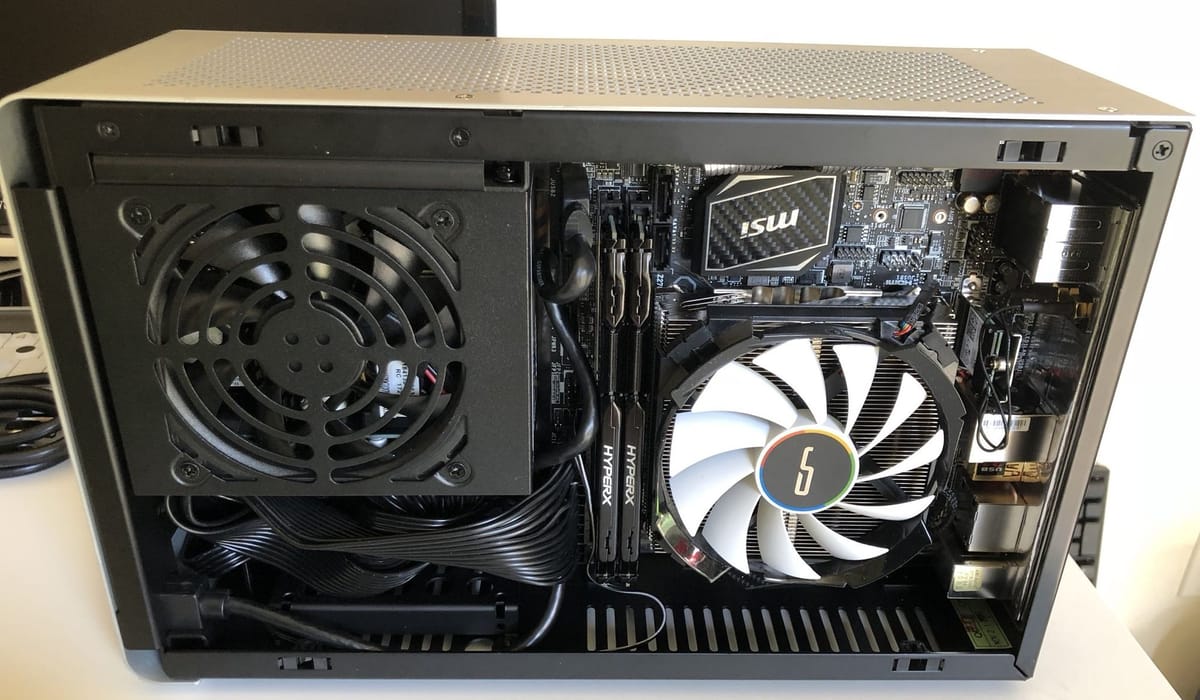
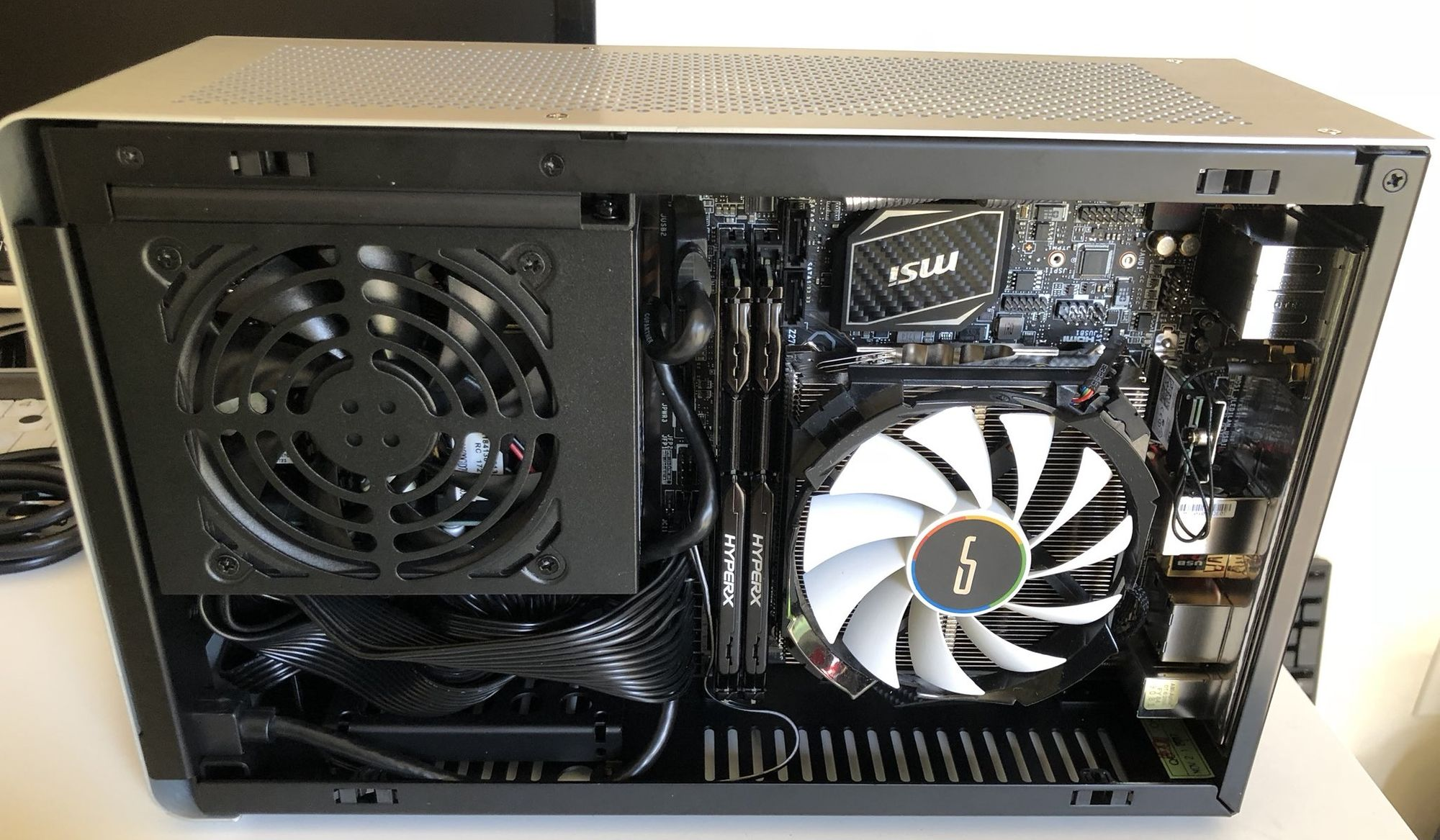
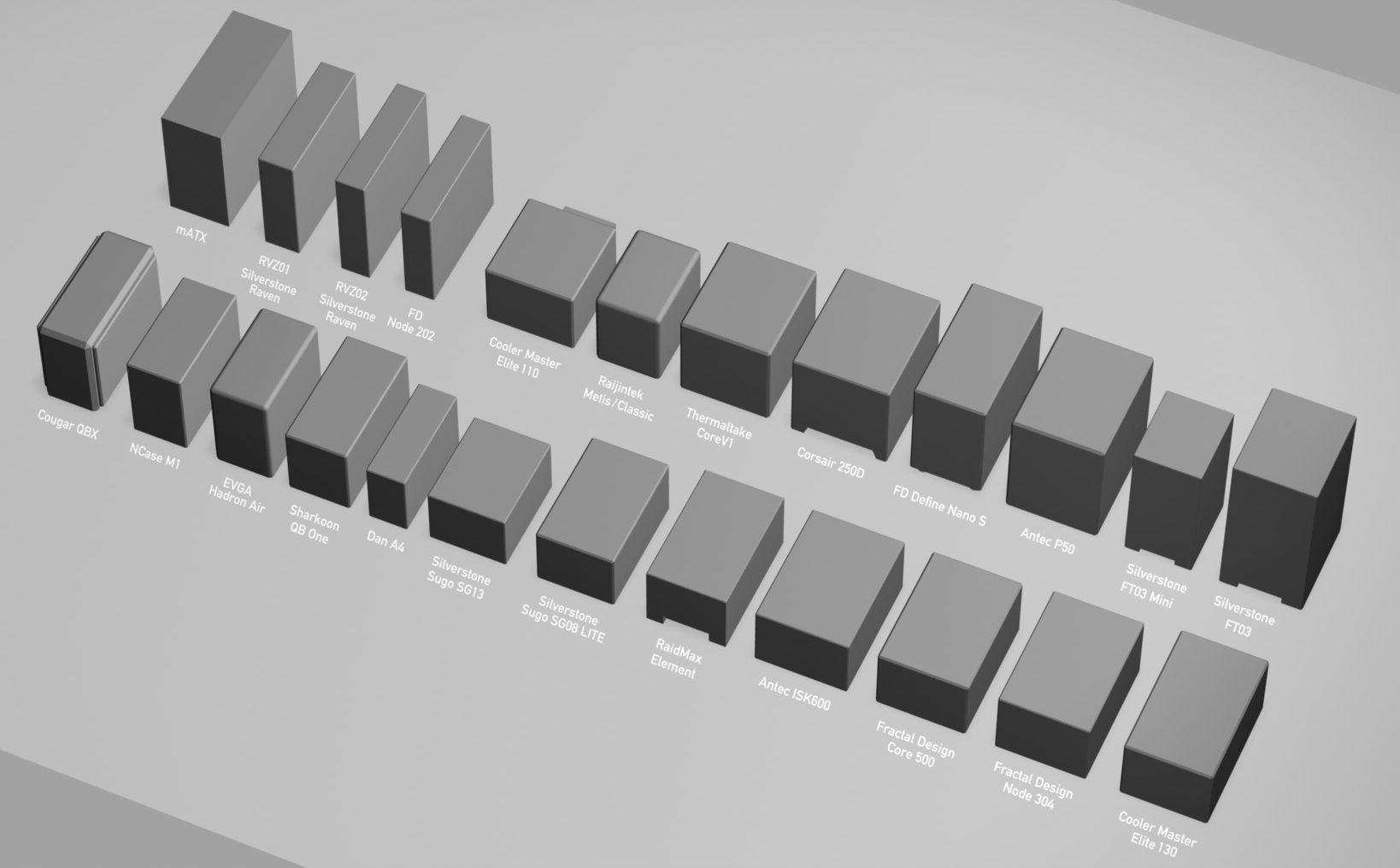
The Dan A4 SFX is celebrated within the SFF community for its ultra-compact design, measuring a mere 7.3 liters. Its dimensions of 200mm x 115mm x 317mm make it one of the smallest standard mini-ITX systems achievable without resorting to custom-fabricated parts. Its design philosophy prioritizes extreme miniaturization, often requiring specialized components like SFX power supplies and compact CPU coolers. This case represents the pinnacle of "maximum power in minimum size," appealing to users who demand desktop-class performance in a footprint smaller than many modern game consoles.
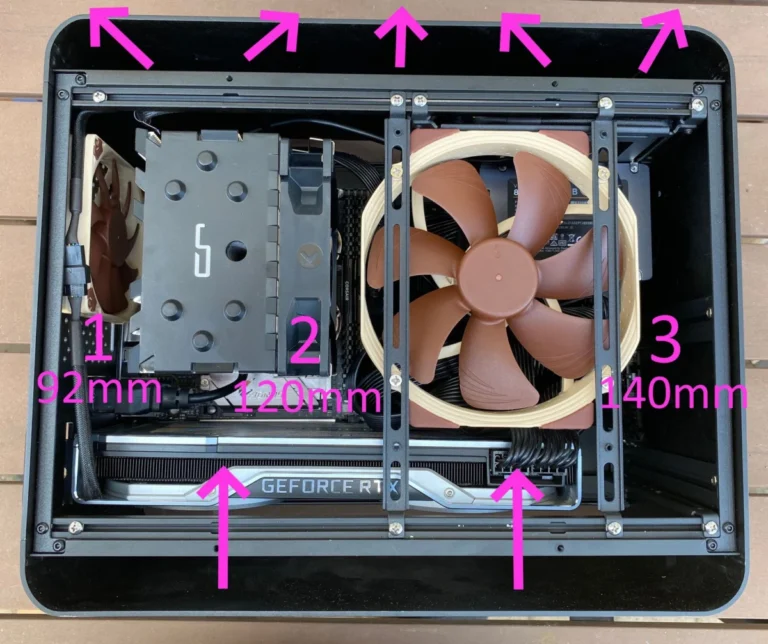
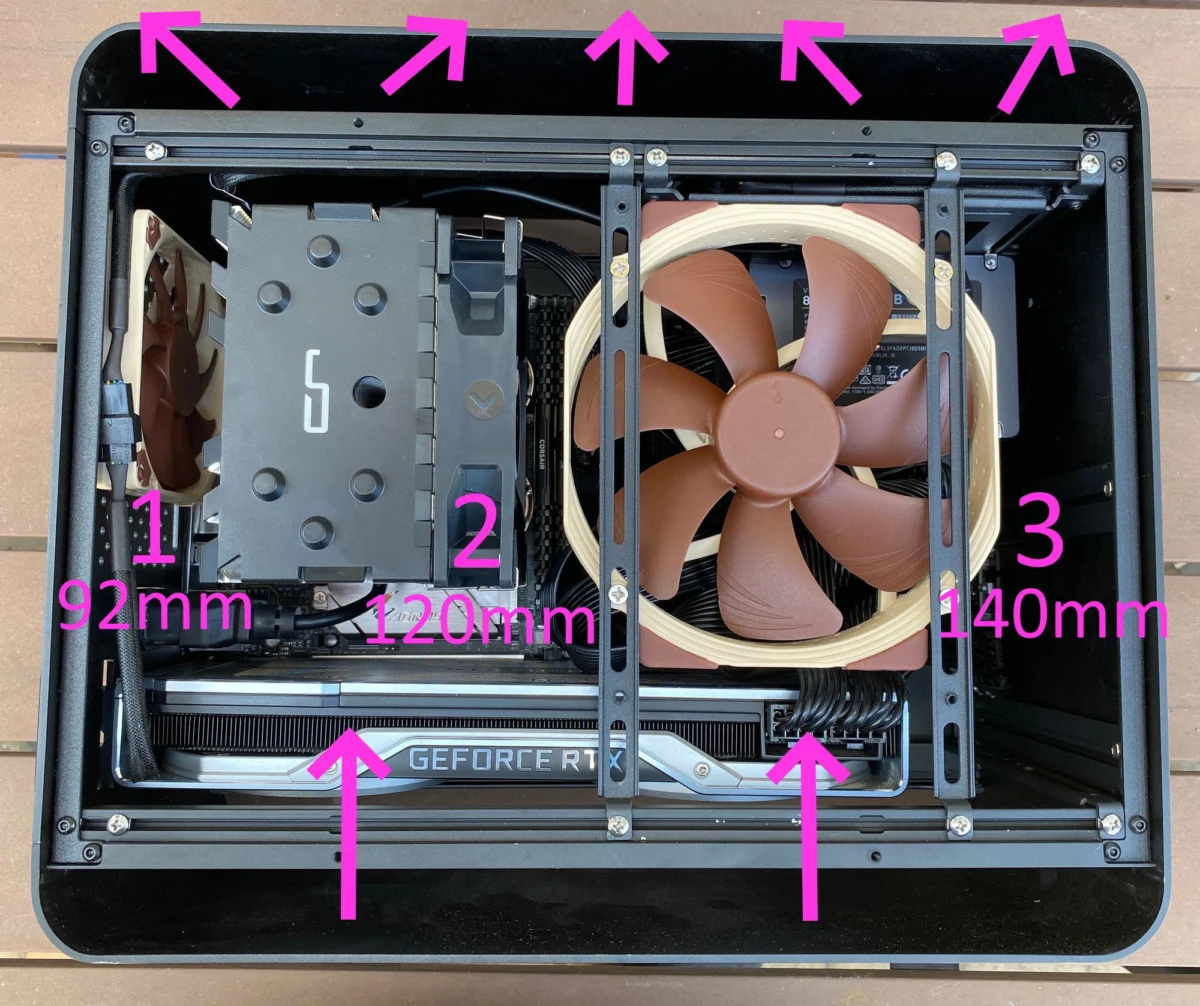
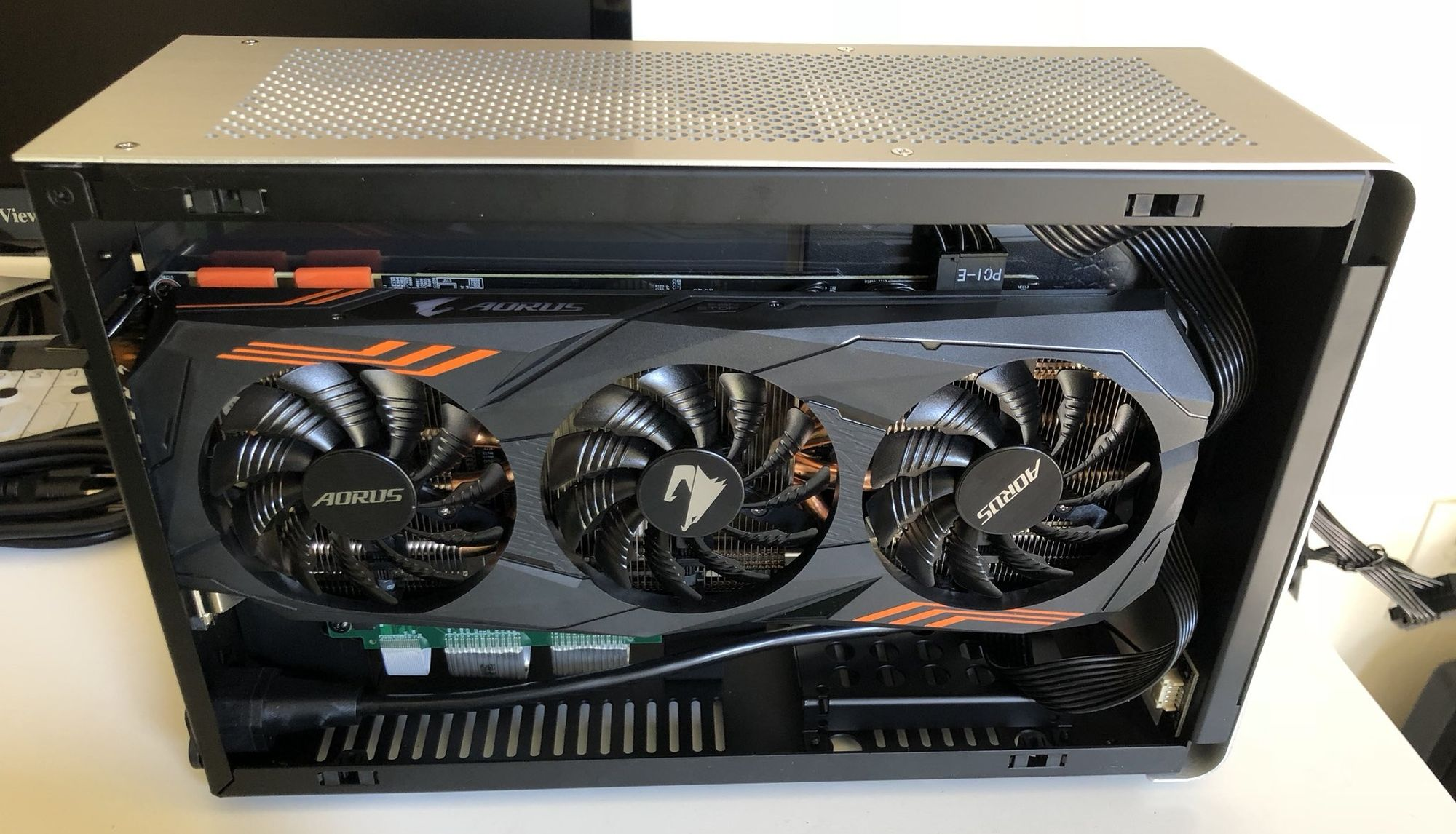
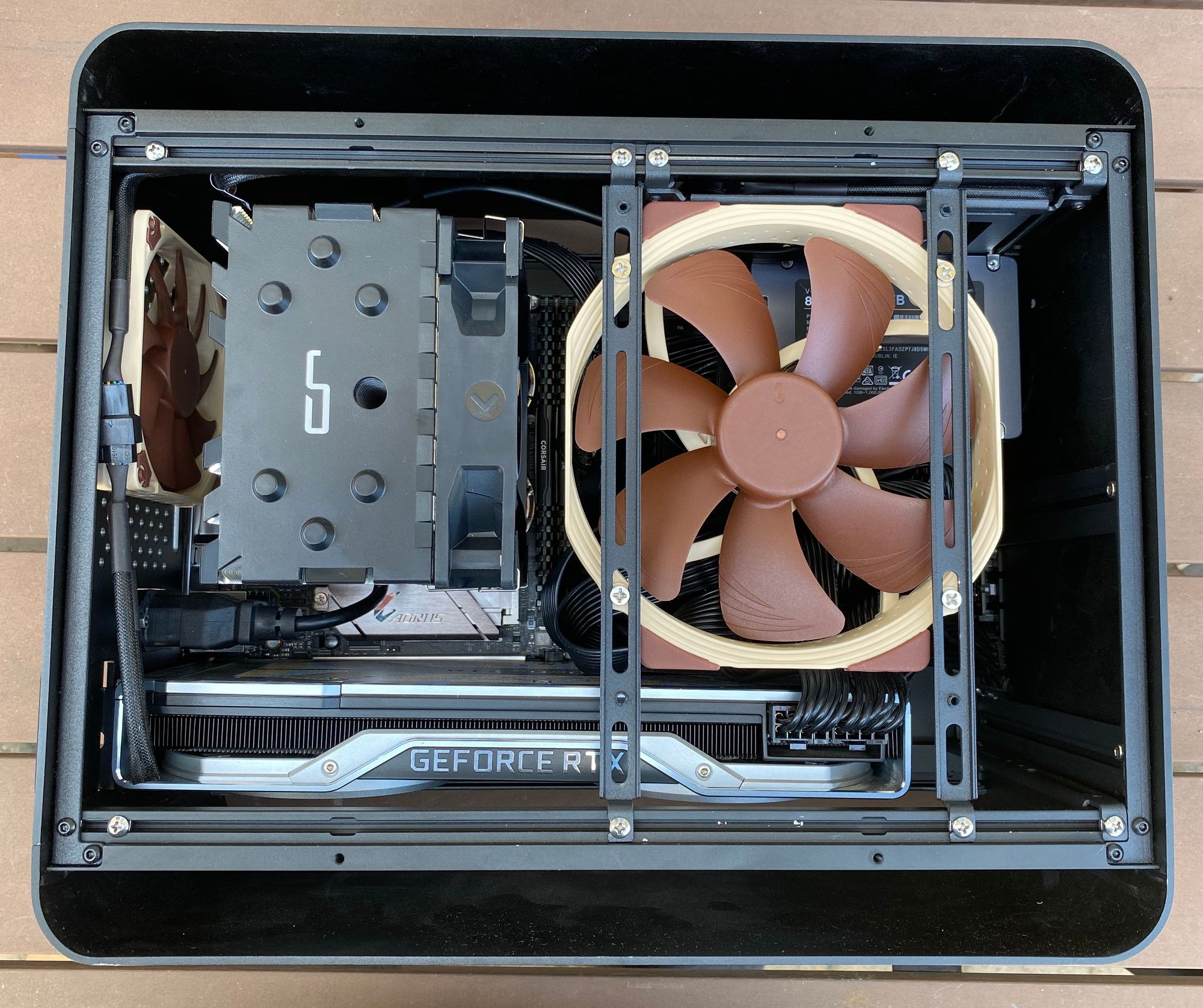
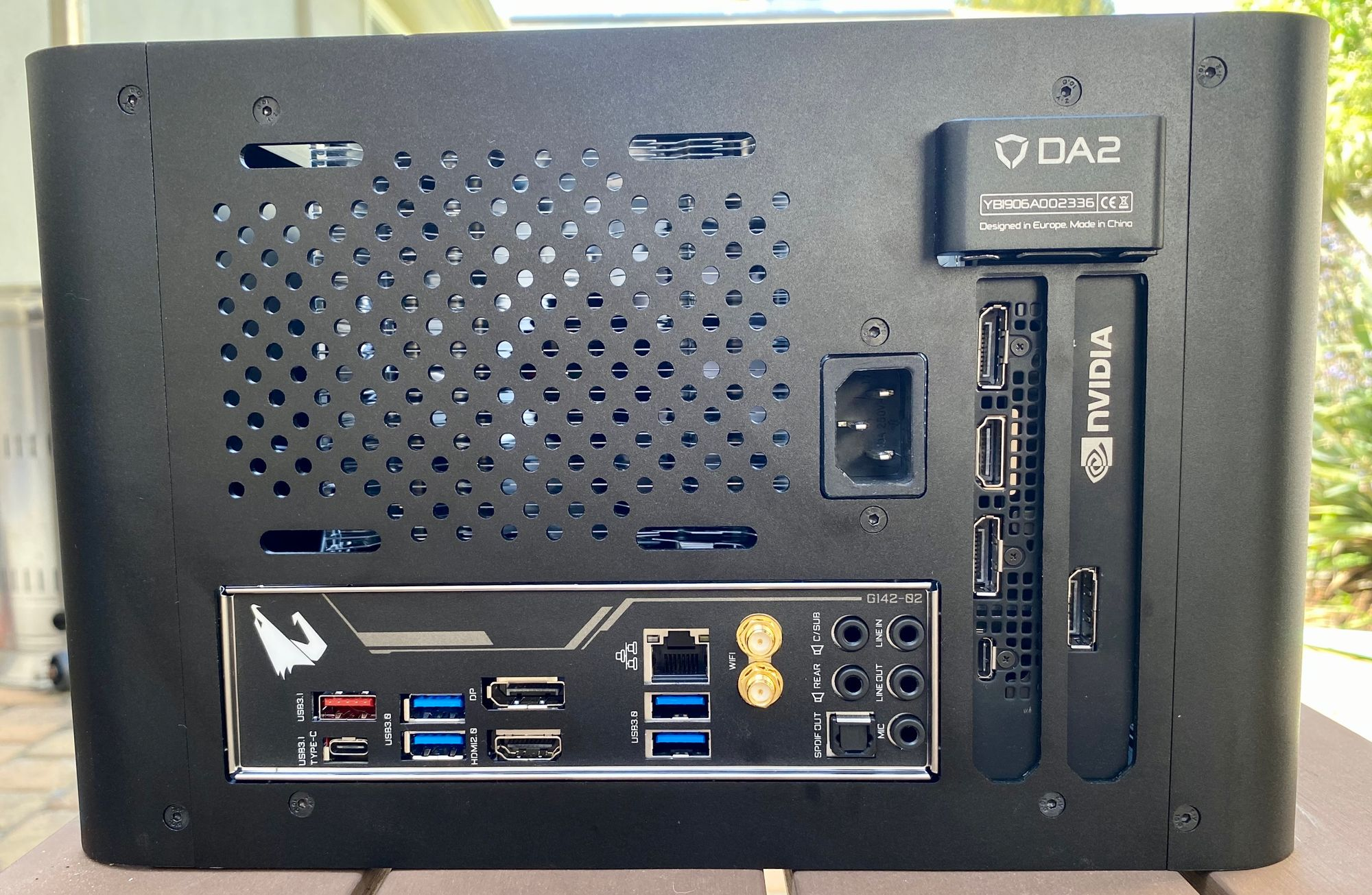
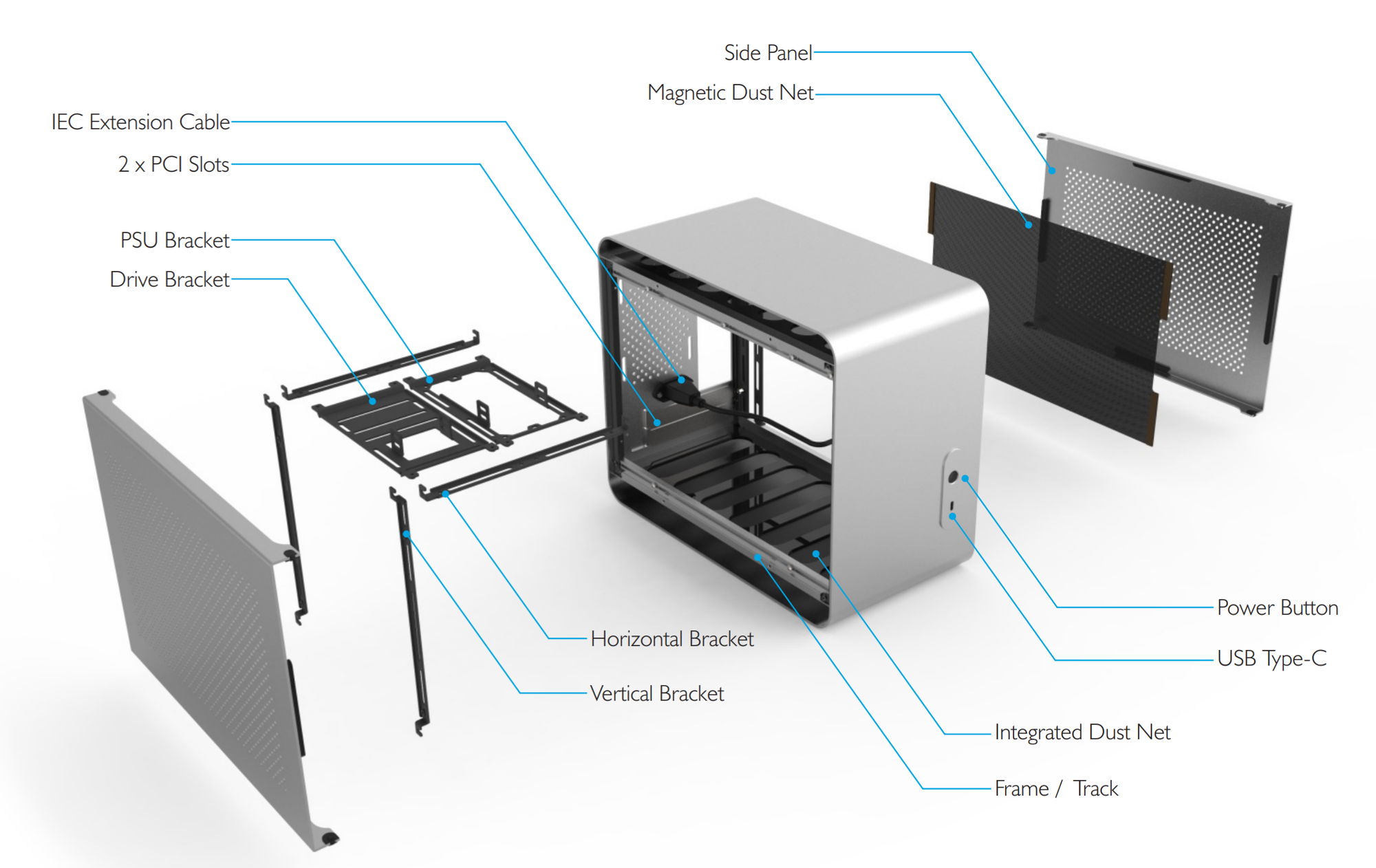
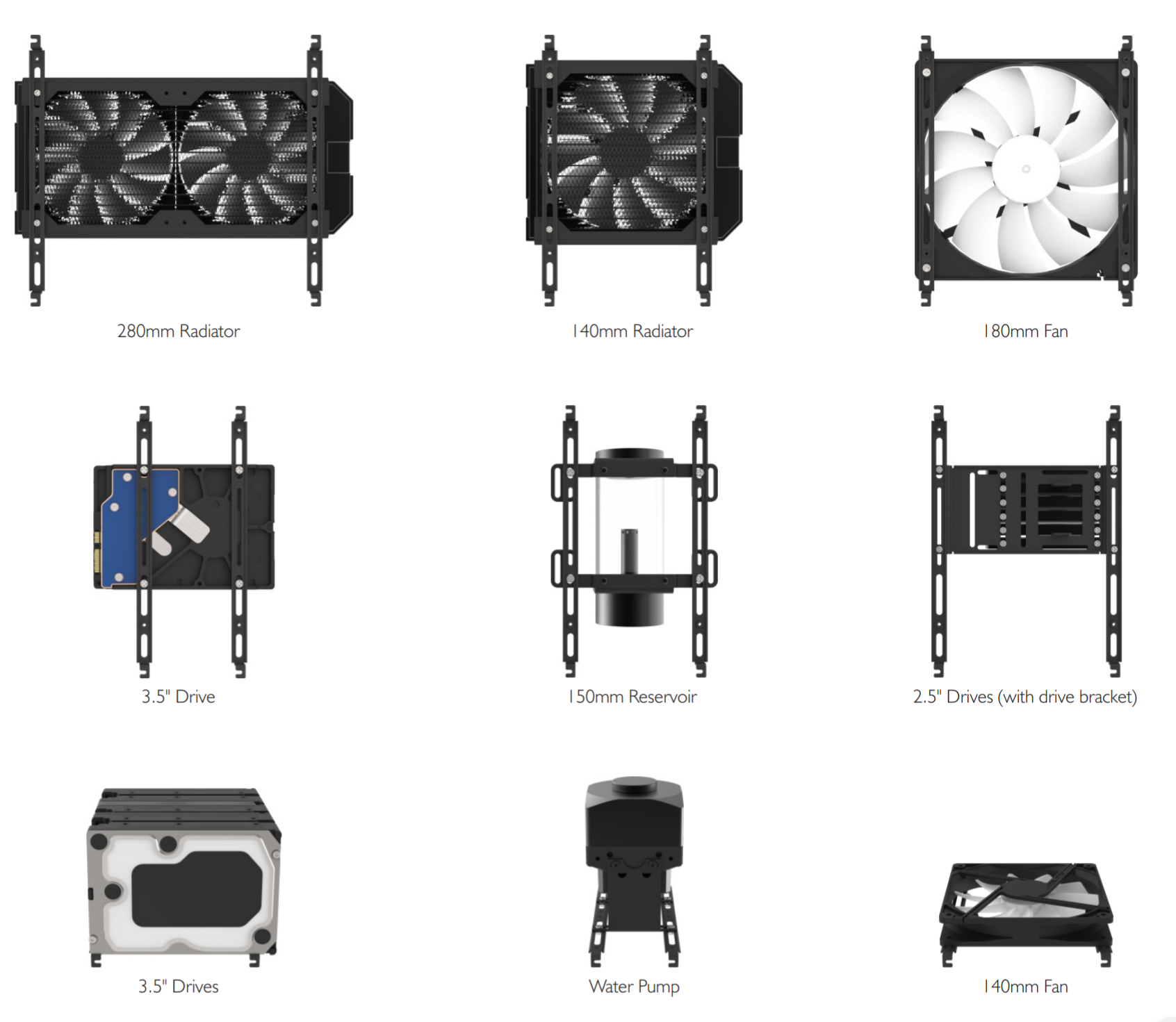
In contrast, the Streacom DA2, while still firmly in the SFF category, offers a more generous 17.5 liters of internal volume (180mm x 286mm x 340mm). This additional space, though still compact, provides crucial advantages, particularly for thermal management and component compatibility. Atwood ultimately selected the DA2 for his personal build, recognizing the need for more substantial cooling solutions when integrating the most powerful CPUs and GPUs available. The DA2’s design, which features a hybrid open-air approach with versatile internal bracket systems, facilitates greater flexibility for fan placement and larger CPU coolers.
To put these volumes into perspective, a PlayStation 4 Pro occupies approximately 5.3 liters, and an Xbox One S comes in at around 4.3 liters. Achieving significantly more than double the raw computing power of these consoles in a case that is only about 50% larger (in the case of the Dan A4 SFX) or roughly three to four times the volume (for the Streacom DA2) represents a substantial engineering feat and a compelling value proposition for enthusiasts.
Technical Deep Dive: Components and Performance Gains
Atwood’s chosen components for his powerful SFF build reflect the current state-of-the-art in consumer hardware, designed to deliver exceptional performance within the confines of a mini-ITX motherboard. While specific components were not fully detailed in the excerpt, the mention of an upgrade from a "slightly overclocked i7-7700k" (a 4-core, 8-thread CPU from 2017) provides a clear benchmark for the performance leap. The new system boasts "2x the cores (and faster cores, both in clock rate and IPC), 2x the memory, and 2x the M.2 slots."
This implies a transition to a modern, multi-core CPU, likely from Intel’s latest generations (e.g., i7-10700K, i9-10900K, or their successors) or AMD’s Ryzen series (e.g., Ryzen 7 5800X, Ryzen 9 5900X), which offer significantly higher core counts and improved Instructions Per Cycle (IPC) compared to the Kaby Lake-era i7-7700k. Doubling the memory from what was likely 16GB or 32GB to 32GB or 64GB DDR4 (or even DDR5 in later iterations) provides substantial headroom for demanding applications, multitasking, and virtual machines. The increase to two M.2 slots, utilizing the high-speed PCIe NVMe interface, allows for greater storage flexibility, enabling users to separate operating systems and critical applications from large game libraries or media files, all at speeds far exceeding traditional SATA SSDs.
The integration of a high-end GPU, a crucial component for gaming, content creation, and professional applications, is also implied. Modern graphics cards, while offering exponential performance gains, also demand significant power and generate substantial heat, posing the greatest challenge for SFF builds.
Thermal Management in Compact Builds: Challenges and Solutions
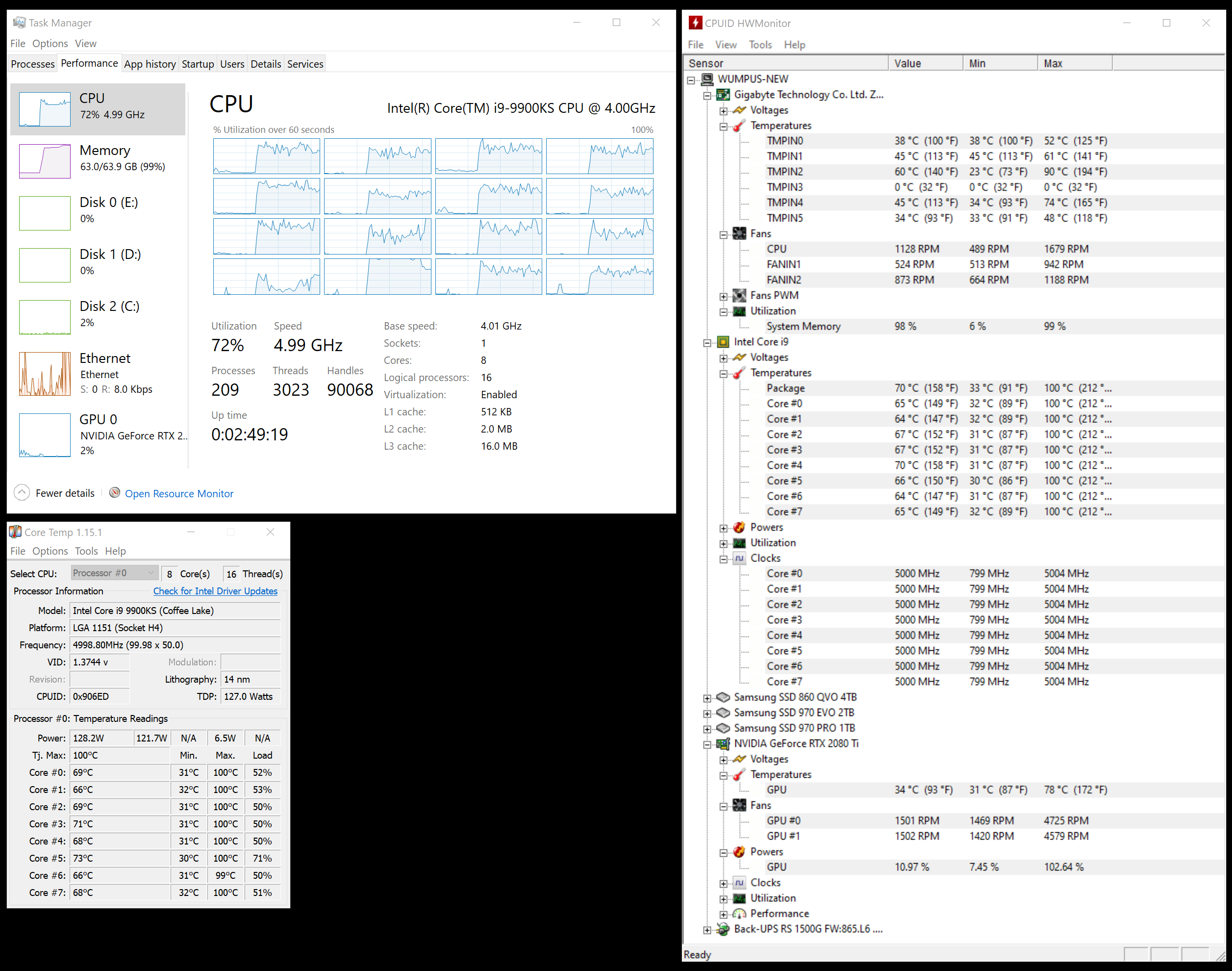
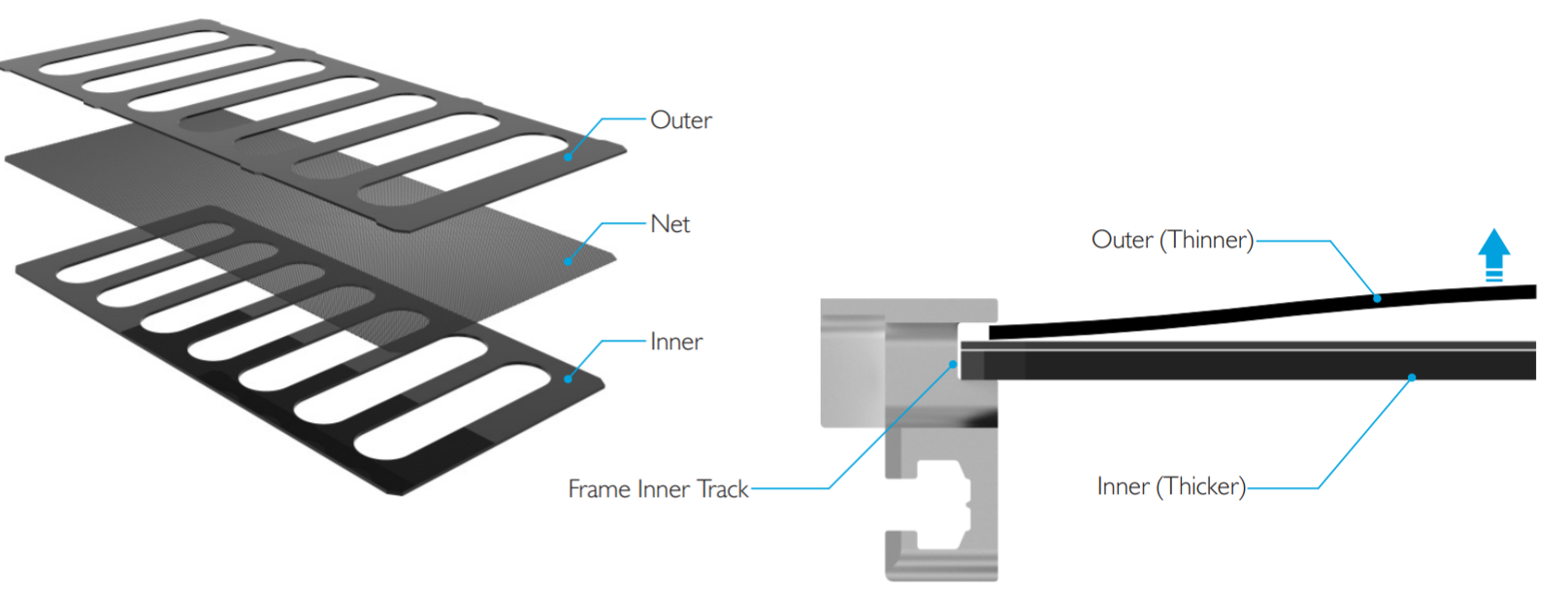
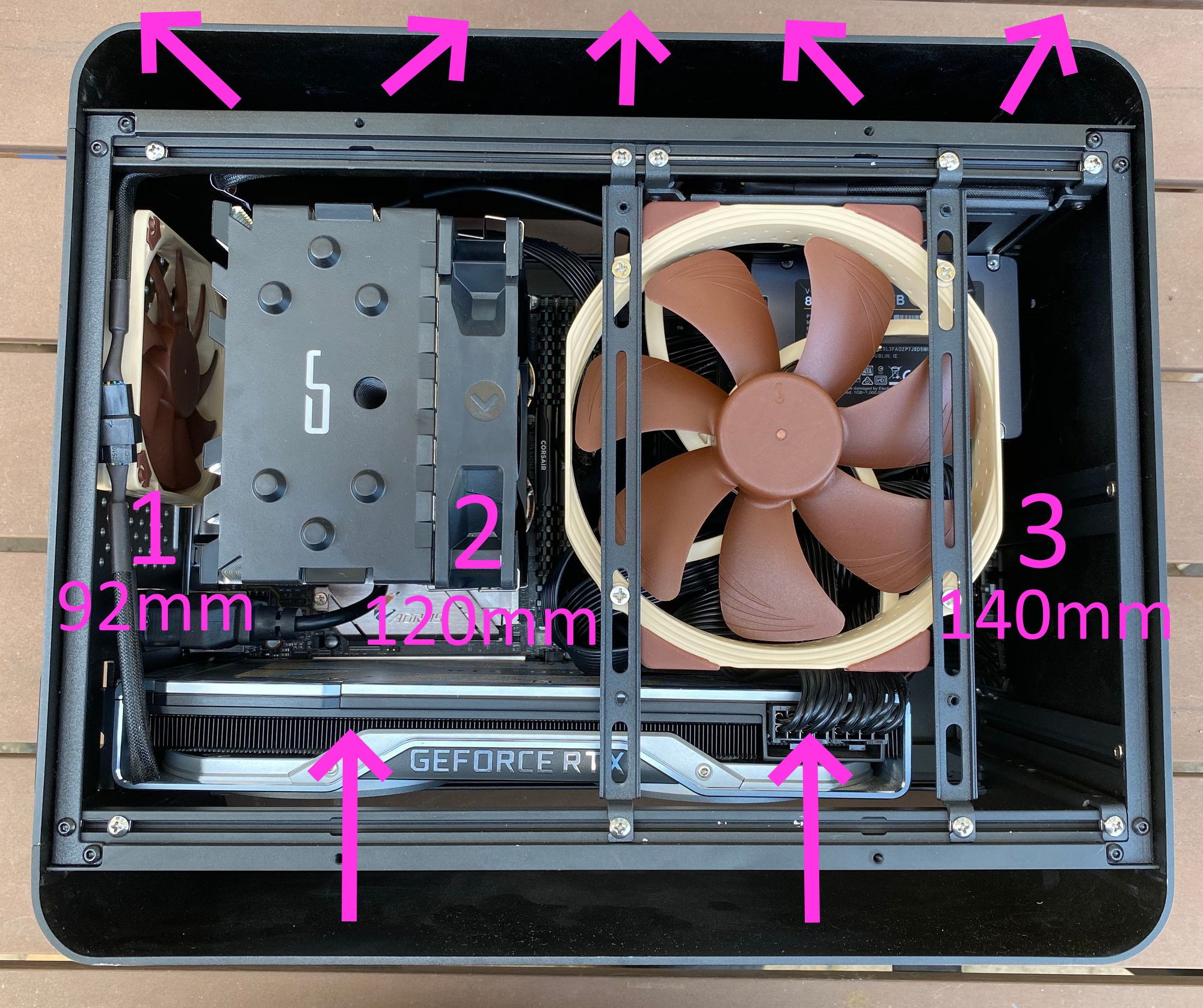
Thermal management is arguably the most critical aspect of successful SFF PC building. Packing powerful, heat-generating components into a confined space requires careful planning and optimized airflow. Atwood’s experience with the Streacom DA2 underscores this point. The DA2’s hybrid open-air design, featuring removable acrylic pieces with mesh dust filters on the top and bottom, proved crucial. Atwood reported "dramatically better temperatures" after removing these pieces, allowing the case to "fully breathe." This highlights a common trade-off in SFF: aesthetic purity or dust filtration often comes at the cost of optimal airflow.
The recommended configuration for the DA2, with three fans and open top and bottom panels, illustrates the necessity of active cooling. While Atwood eschewed water cooling due to past "traumatic cooling fluid leaks," acknowledging its potential benefits for extreme scenarios, it remains a popular solution in SFF for its superior heat dissipation in constrained spaces. All-in-one (AIO) liquid coolers, which have become increasingly reliable and compact, allow for more efficient CPU cooling than many air coolers that would fit in such small cases. However, even with optimal air cooling, users pushing their systems under full CPU and GPU loads for extended periods might still encounter thermal throttling, necessitating either a switch to liquid cooling or a selection of slightly less powerful, and thus less heat-intensive, components. Atwood’s rigorous "burn-in testing" further emphasizes the importance of verifying system stability under load, a critical step for any custom build, especially in an SFF context.
The Broader Market: SFF and the Future of Desktop PCs
The growing interest in SFF builds signifies a broader trend in the PC market. As the performance gap between generations narrows for mainstream users, innovation is increasingly found in form factors, aesthetics, and specialized functionalities. SFF PCs cater to a niche but passionate segment of users who value portability, minimalist aesthetics, and desk space without sacrificing performance. This segment includes professionals who travel with powerful workstations, gamers seeking discrete setups, and enthusiasts who enjoy the engineering challenge of building a high-performance system in a tiny enclosure.
Component manufacturers have responded to this demand by developing SFF-specific hardware:
- SFX Power Supplies: Smaller form factor power supplies designed to fit into compact cases.
- Mini-ITX Motherboards: Feature rich motherboards that accommodate powerful CPUs and GPUs in a tiny footprint.
- Compact GPUs: Graphics cards with shorter PCBs and optimized cooling solutions to fit tight spaces, sometimes even single-fan or blower-style designs.
- Low-profile CPU Coolers: Air coolers specifically designed with reduced height.
The "less than 20 liters of space" benchmark for high-performance builds, as noted by Atwood, is becoming a key metric for evaluating the efficiency of PC designs. This trend suggests a future where the desktop PC, rather than fading away, evolves into a more specialized, often more compact and aesthetically integrated device, distinct from the generic beige boxes of the past.
Ease of Assembly and Accessibility
A notable observation from Atwood’s update is the increasing ease of PC assembly. "If you haven’t built a PC system recently, it’s easier than it has ever been," he states. Modern components, with their standardized connectors, clearer manuals, and often tool-less designs, have streamlined the building process. The prominence of M.2 NVMe drives, which slot directly onto the motherboard, and simplified CPU cooler installations mean that a significant portion of the build can be completed directly on the motherboard before it’s even placed in the case. This accessibility potentially lowers the barrier to entry for new builders, encouraging more users to explore custom PC configurations, including challenging SFF projects.
Implications for Enthusiasts and the Industry
The implications of the SFF revolution are far-reaching. For enthusiasts, it opens up new avenues for customization and challenges their building skills. It encourages a deeper understanding of thermal dynamics and component synergy. For the industry, it drives innovation in component miniaturization, cooling solutions, and case design. It also highlights a potential future where "desktop" PCs are no longer synonymous with bulky towers, but rather sleek, powerful, and often portable units that can blend seamlessly into various environments. This shift aligns with broader consumer preferences for minimalist design and high functionality, ensuring the desktop PC remains a relevant and evolving platform in the digital age. Atwood’s latest build serves as a testament to this ongoing transformation, demonstrating that the future of powerful personal computing might indeed be found in smaller packages.
About the Author