Ubisoft, a global leader in video game development and publishing, has announced a significant restructuring that includes the layoff of 105 employees at its renowned subsidiary, Red Storm Entertainment. The historic North Carolina-based studio, founded in 1996 and best known for its foundational work on the acclaimed Tom Clancy’s video game franchise, will transition from active game development to operating solely as a support studio. This move is a direct consequence of Ubisoft’s previously disclosed global cost-savings plan, initially unveiled in January of this year, which aims to streamline operations and enhance financial efficiency across its extensive network of studios.
Red Storm Entertainment’s Pivotal Shift and Legacy
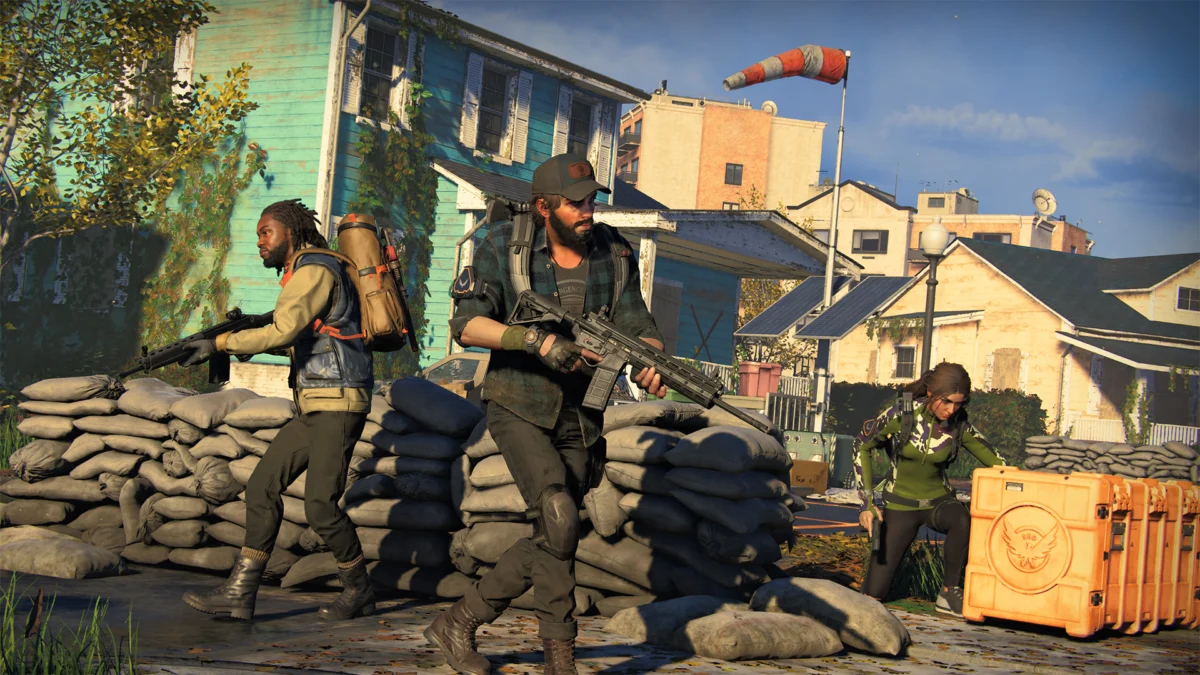
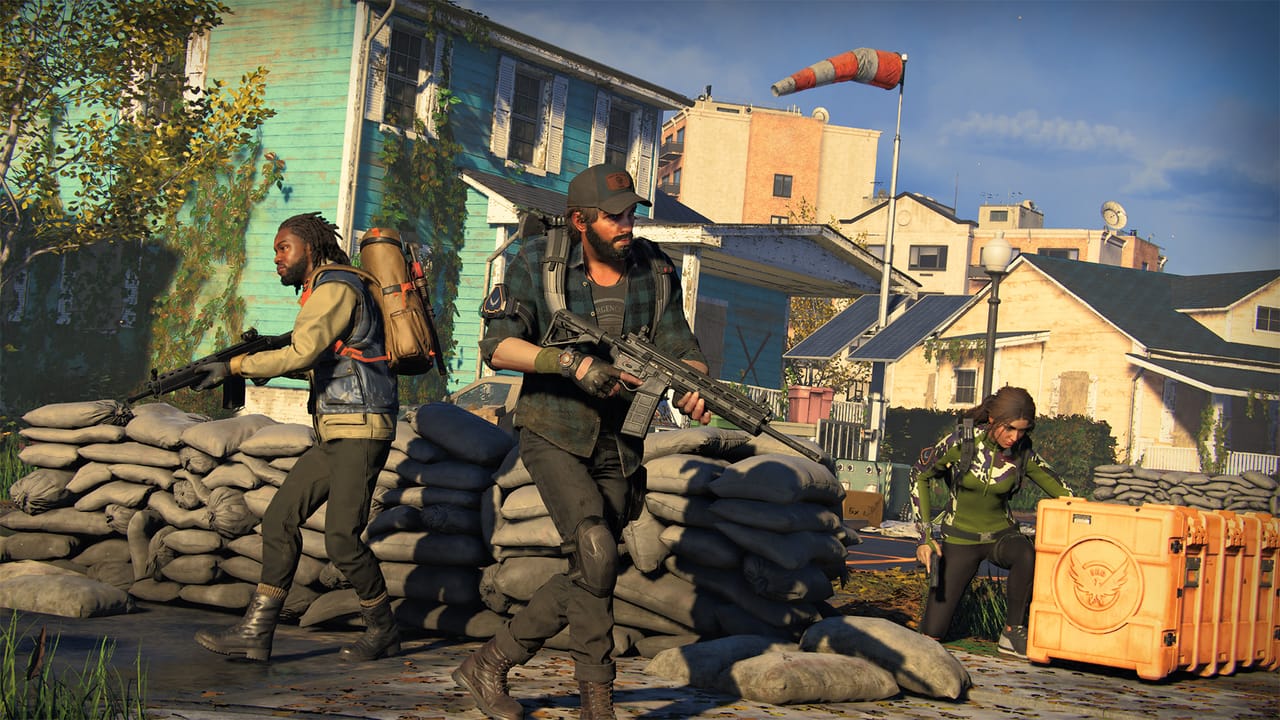
The decision marks a profound change for Red Storm Entertainment, a studio with a storied past in the video game industry. Established by author Tom Clancy and Doug Littlejohns, the studio quickly gained prominence for its groundbreaking work in tactical shooters, particularly with the seminal Tom Clancy’s Rainbow Six series. Its contributions were instrumental in shaping the genre, emphasizing realism, strategy, and cooperative gameplay long before such elements became industry staples. Over the decades, Red Storm continued to be a critical contributor to the Tom Clancy universe, working on titles such as Ghost Recon, Splinter Cell, and more recently, playing a significant support role in the development of The Division series.
Under the new mandate, Red Storm Entertainment will no longer lead or actively develop new game titles. Instead, its remaining workforce will pivot to providing crucial global IT support and continuing its specialized work on the Snowdrop engine, Ubisoft’s proprietary game development framework. The Snowdrop engine is a cornerstone of many of Ubisoft’s modern titles, including The Division series and Avatar: Frontiers of Pandora, making Red Storm’s continued involvement in its evolution vital for the company’s technological infrastructure. The 105 employees impacted by these job cuts are slated to receive severance packages and comprehensive career transition assistance, a standard practice in such corporate restructurings, though it does little to alleviate the immediate disruption for the individuals affected.
Red Storm Entertainment’s most recent shipped title was Assassin’s Creed Nexus VR, a foray into virtual reality for the popular historical action series. However, two other projects, an untitled Tom Clancy’s Splinter Cell VR game and the free-to-play spin-off Tom Clancy’s The Division Heartland, were recently canceled. These cancellations, coupled with the studio’s shift away from active development, underscore a broader strategic realignment within Ubisoft, prioritizing certain projects and development methodologies over others.
Ubisoft’s Broader Restructuring and Financial Imperatives
The layoffs at Red Storm Entertainment are not an isolated incident but rather the latest in a series of workforce reductions and studio realignments undertaken by the French conglomerate throughout the past year. Ubisoft’s global cost-savings plan, articulated to investors and the public earlier this year, seeks to optimize its operational footprint and enhance profitability in a highly competitive and economically challenging video game market.
The company has faced considerable financial pressures, including rising development costs, increased competition from a saturated market, and the mixed commercial performance of some of its recent releases. In response, Ubisoft has embarked on a rigorous evaluation of its global studio ecosystem, aiming to consolidate resources, streamline project pipelines, and focus on its most promising intellectual properties and development strategies. This strategy often entails difficult decisions regarding staffing and the operational mandates of its numerous subsidiaries.
A chronology of recent cuts illustrates the extent of this company-wide overhaul:
- Early 2024: Ubisoft publicly announces its global cost-savings plan, signaling impending changes.
- Weeks after unionization vote: Ubisoft closed its Halifax studio, a decision that sparked considerable controversy and raised concerns among labor advocates about the company’s stance on employee organizing.
- November 2023 (reported): The publisher quietly made 29 people redundant at its studio in Abu Dhabi, indicating ongoing, less publicized reductions.
- Last month (April 2024): Ubisoft Toronto, a major development hub responsible for titles like Splinter Cell: Blacklist and Far Cry 6, laid off 40 employees as part of its own restructuring efforts.
These repeated workforce reductions and studio closures highlight a pattern of aggressive cost management and strategic re-evaluation across Ubisoft’s vast international operations. The company, like many others in the video game industry, is navigating a post-pandemic market correction, where rapid growth has slowed, and investor scrutiny on profitability has intensified. This economic climate has led many major publishers and developers to implement similar belt-tightening measures, resulting in thousands of job losses across the sector globally.
Employee Backlash and Unionization Efforts
The repeated rounds of layoffs and perceived management missteps have not gone without significant internal resistance and public scrutiny. Approximately 1,200 Ubisoft workers responded to the ongoing cuts and restructuring by staging a strike on February 10th. This coordinated industrial action underscored deep-seated frustrations within the company’s workforce regarding job security, corporate decision-making, and employee welfare.
Days prior to the strike, two union representatives, reflecting widespread sentiment among employees, publicly demanded the resignation of Ubisoft CEO Yves Guillemot. Their call for accountability stemmed from concerns over what they described as "catastrophic management" and the negative impact of corporate strategies on both employees and the creative output of the company. Further escalating the pressure, five unions in France issued a call for a three-day international strike, demanding that leadership take "responsibility for the consequences of their catastrophic management." These unionization efforts and calls for executive accountability are part of a broader, growing trend within the video game industry, where workers are increasingly organizing to advocate for better working conditions, greater job security, and a stronger voice in corporate governance.
The intensity of these reactions signals a challenging internal environment for Ubisoft. While the company asserts that its restructuring is necessary for long-term sustainability, the human cost and the erosion of employee morale present significant hurdles. Maintaining a creative and motivated workforce amidst such upheaval is a delicate balancing act for any organization, particularly in an industry reliant on innovative talent.
Commitment to Key Franchises and New Operating Model
Despite the significant changes impacting studios like Red Storm, Ubisoft maintains its steadfast commitment to its core Tom Clancy brands. An internal source within Ubisoft confirmed that iconic franchises such as The Division, Ghost Recon, Rainbow Six, and Splinter Cell will continue to be developed and led across its global network of studios. This assurance aims to assuage concerns among fans and investors that the restructuring might jeopardize the future of these beloved series. However, the cancellation of The Division Heartland and Splinter Cell VR suggests a more focused approach, potentially concentrating resources on mainline entries or projects deemed to have a higher strategic impact.
In parallel with these operational adjustments, Ubisoft has also been implementing a new "Creative House" operating model, designed to centralize creative direction and enhance collaboration across its diverse portfolio. Early this week, the company announced further leadership appointments to support the implementation of this model. Julien Bares, formerly the global head of development for Tencent Games, was named the general manager of Creative Houses 3 and 5, bringing external expertise to this crucial strategic initiative.
The Creative House model aims to segment Ubisoft’s vast array of games and development teams into more manageable and specialized units. For instance, Creative House 3 has been explicitly tasked with overseeing live experiences, a critical segment of Ubisoft’s current and future revenue strategy. This includes managing ongoing development and support for popular titles such as For Honor, The Crew, Riders Republic, Brawlhalla, and the recently launched Skull & Bones. The emphasis on live service games reflects an industry-wide trend towards longer engagement cycles and recurring revenue streams.
Meanwhile, Creative House 5 will focus on the company’s casual brands, a segment that, while less prominent in core gaming discussions, contributes significantly to Ubisoft’s broader market reach. This portfolio includes established franchises like Just Dance and the highly successful mobile title Idle Miner Tycoon. The segmentation into Creative Houses is intended to allow for more focused creative leadership and tailored development strategies for different genres and market segments.
Further bolstering this new organizational structure, Ubisoft recently appointed Thomas Andrén, the managing director of Massive Entertainment (the studio behind The Division and Avatar: Frontiers of Pandora), as the general manager of its Creative Network. The Creative Network is a newly formed, studio-wide organization designed to provide cross-functional creative experience and production capacity to all five of Ubisoft’s Creative Houses.
In a statement announcing his appointment, Andrén articulated the vision behind this new network: "The Creative Network within Ubisoft’s new operating model represents an incredible concentration of expertise, craftsmanship, and innovation. Each studio brings its own unique strengths and capabilities, and by strengthening collaboration across the network and with our Creative Houses, we can combine agility with world-class expertise to support the development of ambitious games and deliver great new experiences for players." This statement underscores Ubisoft’s ambition to leverage its vast talent pool more effectively, fostering synergy and efficiency across its global development operations. The goal is to move beyond a fragmented studio model towards a more integrated and strategically aligned approach to game creation.
Broader Industry Context and Implications
Ubisoft’s comprehensive restructuring is indicative of a broader trend sweeping through the video game industry. The past year has seen an unprecedented wave of layoffs, studio closures, and project cancellations across major publishers and independent developers alike. Companies like Microsoft (with Activision Blizzard), Sony, Epic Games, Unity, Embracer Group, and countless others have all announced significant workforce reductions, impacting thousands of talented individuals.
This industry-wide contraction is attributed to several factors: a post-pandemic market correction after a period of unsustainable growth, rising interest rates and inflation impacting investment, increased development costs for AAA titles, and a highly competitive landscape where only the most successful games can sustain long-term engagement. Many companies are re-evaluating their strategies, shifting away from over-reliance on experimental projects or underperforming live service titles, and focusing on proven IPs and more conservative development pipelines.
For Ubisoft, the implications of this restructuring are multifaceted. On one hand, the cost-savings plan and the new Creative House model aim to improve financial health and operational efficiency, potentially leading to a more sustainable future for the company. By consolidating resources and centralizing creative direction, Ubisoft hopes to deliver higher quality, more consistent gaming experiences that resonate better with players and investors.
On the other hand, the human cost of these layoffs, the disruption to long-standing studios like Red Storm Entertainment, and the internal strife indicated by union actions present significant challenges. Maintaining employee morale, attracting top talent, and preserving the creative spark that drives innovation are critical for any game developer. The perception of a company’s treatment of its workforce can also impact its public image and brand loyalty among players.
The future of Ubisoft will largely depend on the successful implementation of its new operating model, its ability to navigate the delicate balance between financial prudence and creative ambition, and its capacity to address the concerns of its employees. As the industry continues to evolve and consolidate, Ubisoft’s strategic shifts will be closely watched as a bellwether for how major publishers adapt to a new economic reality in the dynamic world of interactive entertainment.
About the Author