The leadership landscape at Xbox continues to undergo significant transformation with the recent departures of Lori Wright, Vice President of Partnerships, Business Development, and Marketing, and Haiyan Zhang, General Manager of Gaming AI. These high-profile exits, announced via their respective LinkedIn profiles, follow closely on the heels of the retirement of Microsoft Gaming CEO Phil Spencer and the resignation of Xbox President Sarah Bond just a month prior, signaling a period of considerable organizational flux within Microsoft’s gaming division.
Lori Wright, a veteran of Xbox’s strategic partnerships, business development, and marketing efforts, concluded an impactful decade with the company. Her role was pivotal in forging external alliances, driving market presence, and shaping Xbox’s commercial strategies. In her LinkedIn post, Wright reflected on her tenure, stating, "What an incredible decade it has been. Thank you Microsoft and #Xbox for all the memories! As I prepare to depart in the coming weeks, I wanted to say a special thanks to the many colleagues, partners, and friends who shaped my journey. I leave with overwhelming gratitude for the adventure of a lifetime. As for what comes next, I’m hoping for a lot of beautiful sunrises and sunsets, and discovering what lies in the space in between." Her statement, while appreciative, did not specify an exact departure date or her next professional endeavor, leaving open questions about the immediate succession planning for such a critical, outward-facing role within Xbox. The VP of Partnerships is typically responsible for securing content deals, managing developer relations, and expanding the Xbox ecosystem through strategic collaborations, making Wright’s departure a notable event for the company’s future outreach and growth initiatives.
Concurrently, Haiyan Zhang, who served as the General Manager of Gaming AI at Xbox, also announced her departure after more than a decade at Microsoft. Zhang’s move is particularly significant given the increasing strategic importance of artificial intelligence across all facets of technology and, specifically, within the gaming industry. Her expertise in AI at Xbox spanned various critical areas, from enhancing game development tools and player experiences to optimizing cloud infrastructure for gaming. Unlike Wright, Zhang confirmed her next destination: she will be joining Netflix’s burgeoning gaming team. This move underscores the intensifying competition for top-tier AI talent across the tech and entertainment sectors, as major players like Netflix aggressively expand their presence in interactive entertainment. Zhang’s LinkedIn announcement articulated a sense of belonging and gratitude for her time at Microsoft: "After more than a decade at Microsoft, I’ve decided to step into the next phase of my career, which will take me on a new adventure beyond Microsoft. At Microsoft, I felt I had truly found my people: a place where I could belong. I hope I carry forward some small piece of the culture we built together: one of curiosity, acceptance, and inclusion. Thank you all for walking this journey with me, from my early days in Xbox Game Studios, to Microsoft Research, to serving as Gaming Chief of Staff, and more recently working together on this AI revolution. I’ve loved the adventure." Her varied background, spanning Xbox Game Studios, Microsoft Research, and a role as Gaming Chief of Staff, highlights the breadth of her experience and the potential impact of her expertise at Netflix Gaming, which is actively investing in developing its own robust gaming portfolio and user engagement strategies.
A Chronology of Recent Leadership Transitions at Xbox
These latest departures are part of a broader series of high-level executive changes that have reshaped the leadership structure at Microsoft Gaming in recent weeks. The cascade of shifts began in late February with the retirement of Phil Spencer, the long-serving Microsoft Gaming CEO. Spencer’s tenure at Xbox, spanning 38 years within Microsoft and a decade leading the Xbox brand, was marked by significant strategic initiatives, including the successful launch of Xbox Game Pass, the aggressive acquisition of numerous game development studios (culminating in the monumental acquisition of Activision Blizzard), and a renewed focus on player-centric services. His departure, described as the closing of a chapter, was accompanied by his public expression of excitement for Asha Sharma, who would be assuming his role. Spencer’s leadership is widely credited with revitalizing the Xbox brand from a period of uncertainty, transforming it into a formidable player in the global gaming market, emphasizing service-based models and expanding its content library.
Following Spencer’s retirement, Xbox President Sarah Bond also announced her resignation. Bond, a prominent figure in Xbox’s executive team, had been instrumental in shaping various strategic directions, including marketing campaigns and platform initiatives. Notably, she championed the "This is an Xbox" marketing campaign, which aimed to broaden the perception of Xbox beyond its traditional console hardware to encompass a wider ecosystem of gaming experiences across multiple devices. However, this campaign, which Microsoft quietly retired a few weeks after her departure, reportedly caused internal friction. As detailed by reports from outlets like The Verge, the strategy and its communication were perceived by some Xbox employees as a significant pivot away from the core console business, leading to discontent. The campaign’s premise, while aligning with Microsoft’s broader cloud and multi-platform strategy, was seen by some as potentially diluting the brand’s identity and commitment to its dedicated console fanbase. Its subsequent quiet retirement underscores a potential re-evaluation of Xbox’s marketing and strategic priorities in the wake of these leadership changes.
The succession plan for Microsoft Gaming saw Asha Sharma stepping into the role of CEO, with Matt Booty continuing as Chief Content Officer. Sharma’s appointment signals a new era for Xbox, with expectations of both continuity in core strategies and potential new directions. Her initial public statements have been closely scrutinized for indications of the company’s future trajectory. In a recent interview with Windows Central, Sharma famously stated, "the plan’s the plan until it’s not the plan," a phrase that, while emphasizing adaptability, also hints at the dynamic and potentially evolving nature of Xbox’s strategic roadmap under her leadership. This statement could be interpreted as a pragmatic acknowledgment of the fast-paced and competitive gaming industry, where flexibility is paramount, but also suggests that previous strategies are subject to review and change.
Strategic Implications and Market Context
The cumulative effect of these executive departures and appointments is likely to usher in a period of strategic recalibration for Xbox. The exit of a VP of Partnerships and Business Development, such as Lori Wright, necessitates a re-evaluation of how Xbox approaches external collaborations, content acquisition, and market expansion. In an industry increasingly reliant on cross-platform presence and diverse content offerings, maintaining strong relationships with developers, publishers, and other platform holders is crucial. The new leadership in this area will face the task of navigating a complex landscape of exclusivity deals, subscription service integrations, and emerging market opportunities.
Haiyan Zhang’s departure to Netflix Gaming is particularly telling about the broader industry trend concerning artificial intelligence. AI is rapidly becoming a cornerstone of game development, impacting everything from procedural content generation and sophisticated NPC behavior to personalized player experiences and anti-cheat systems. Microsoft, a leader in AI research and development across its various divisions, has been actively integrating AI into its gaming ecosystem. Zhang’s move highlights that the competition for AI talent is fierce, with streaming giants like Netflix now directly vying for experts to bolster their gaming ambitions. Netflix’s investment in gaming, including the acquisition of studios and the development of its own titles, indicates a serious long-term commitment to expanding beyond traditional video streaming, positioning it as a direct competitor for talent and market share in the interactive entertainment space. For Xbox, the challenge will be to ensure that its AI initiatives maintain momentum and leadership, possibly requiring new hires or internal promotions to fill the void left by Zhang’s expertise.
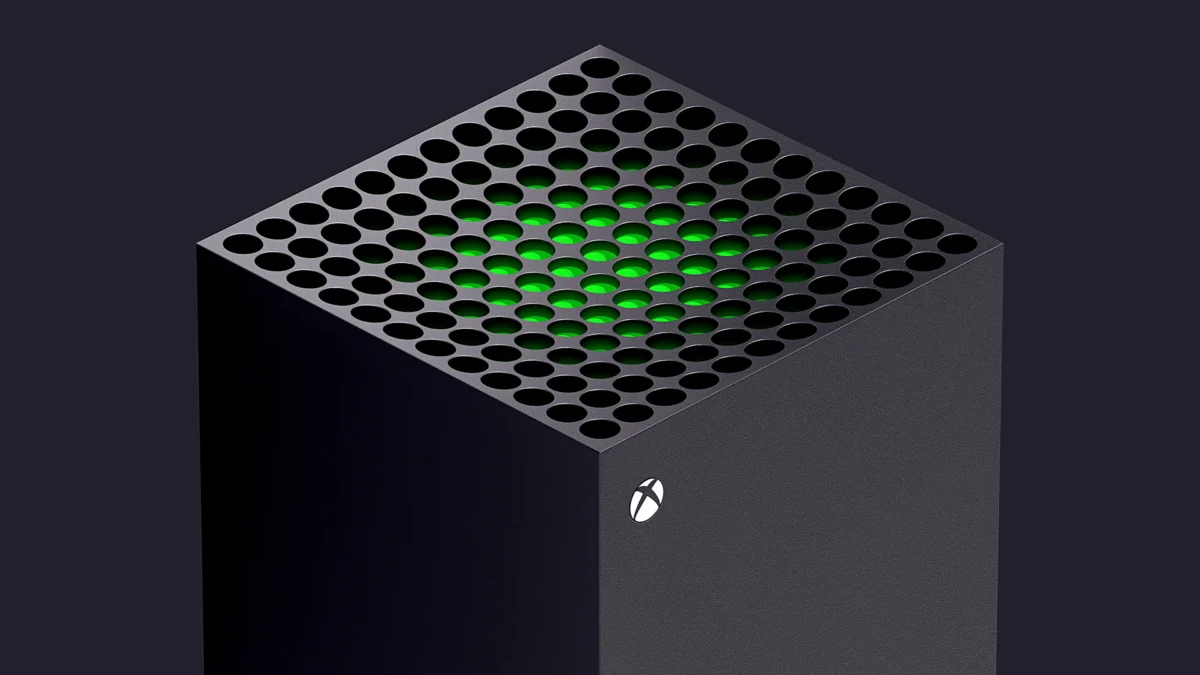
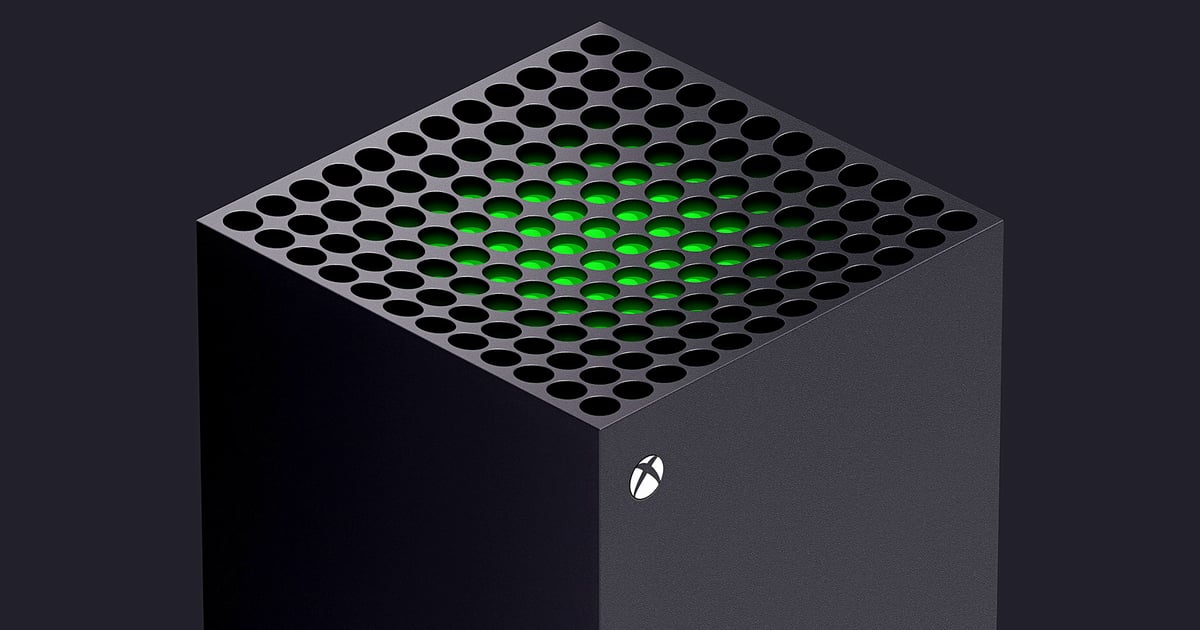
The strategic pivot away from the "This is an Xbox" campaign and the reaffirmed commitment to console hardware, as evidenced by the mention of a "next-generation device" codenamed Project Helix, are significant. The initial campaign’s emphasis on multi-platform experiences and a perceived de-emphasis on the console itself had caused internal and external concerns regarding Xbox’s core identity. The renewed focus on Project Helix suggests a strategic correction, signaling that console hardware will remain a central pillar of Xbox’s business model. This commitment is vital for maintaining brand loyalty among core gamers and competing directly with PlayStation and Nintendo in the dedicated hardware market. It also reflects a realization that while cloud gaming and multi-platform strategies offer growth avenues, a strong console presence remains foundational for many players and developers.
Broader Impact and Future Outlook
The recent leadership changes at Xbox occur within a dynamic and highly competitive global gaming market. The industry continues to evolve rapidly, driven by technological advancements, changing consumer habits, and aggressive investment from tech giants. Microsoft’s overall strategy, particularly following its colossal acquisition of Activision Blizzard, has been to expand its reach across platforms and services, positioning Xbox Game Pass as a central pillar of its ecosystem. The recent executive shifts and strategic re-evaluations suggest a period of consolidation and refinement of this strategy.
The new leadership under Asha Sharma faces the complex task of balancing innovation with stability, maintaining growth while addressing internal and external perceptions, and navigating the intricate relationships between hardware, software, and services. The gaming division’s performance is crucial for Microsoft, contributing significantly to its overall revenue and strategic positioning in the consumer tech space. While specific financial data on the direct impact of these leadership changes is not yet available, such high-level shifts often precede or coincide with significant strategic announcements and operational adjustments. Investors and industry observers will be closely watching for clearer indications of Xbox’s refined strategy, particularly regarding its console roadmap, AI integration, and partnership frameworks.
In conclusion, the recent wave of executive departures at Xbox, including those of Lori Wright and Haiyan Zhang, alongside the earlier exits of Phil Spencer and Sarah Bond, marks a pivotal moment for Microsoft’s gaming division. These changes are not isolated incidents but rather interconnected events that reflect a period of intense strategic re-evaluation and adaptation. With a new leadership team in place and a renewed emphasis on core console hardware alongside continued innovation in areas like AI, Xbox is poised for a potentially transformative chapter. The coming months will reveal how these leadership transitions translate into concrete strategic initiatives and ultimately shape Xbox’s trajectory in the ever-evolving landscape of interactive entertainment.
About the Author