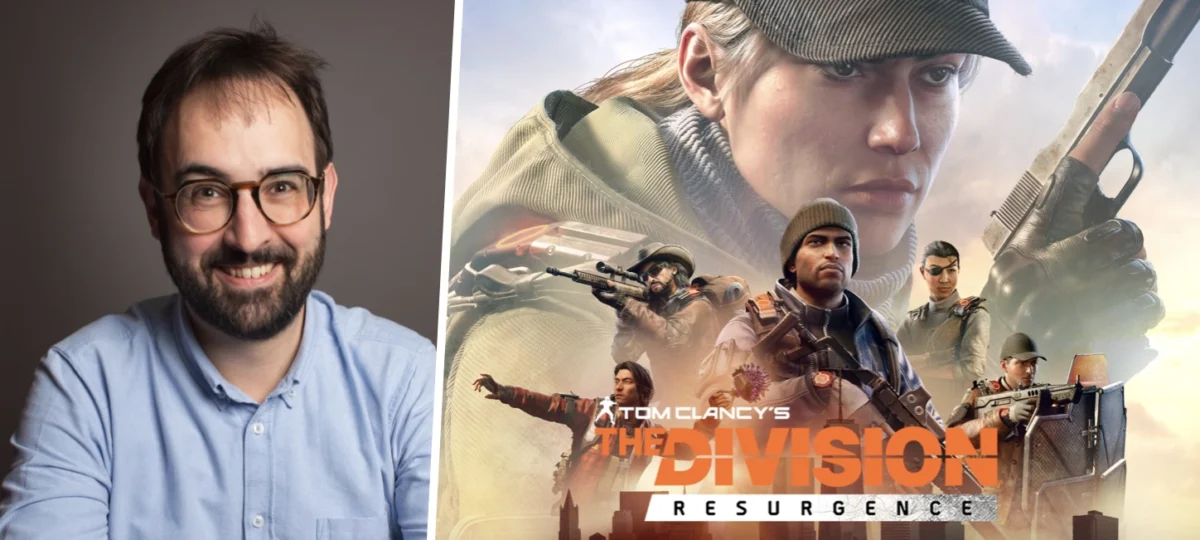
Ubisoft’s aggressive push into the mobile gaming sector has reached a critical milestone with the near-simultaneous release of two of its most prominent intellectual properties: Rainbow Six Mobile and The Division Resurgence. This strategic double-launch signals a significant shift in the French publisher’s approach to the handheld market, moving away from casual titles toward high-fidelity, "core" gaming experiences that mirror their console and PC counterparts. The Division Resurgence, in particular, represents a massive technical and organizational undertaking, arriving after a protracted development cycle and multiple phases of public testing. This rollout follows the recent debut of Rainbow Six Mobile, which underwent an extensive soft-launch period to calibrate its competitive balance and technical performance.
The launch of these titles underscores a broader industry trend where AAA publishers seek to capture the lucrative mobile audience, which currently accounts for more than half of global gaming revenue. However, Ubisoft’s path to this point has not been without its challenges. The company previously attempted to bring the Far Cry franchise to mobile devices, a project that was eventually pivoted and rebranded as Wild Arena Survivors, a top-down survival shooter that deviated significantly from the series’ first-person roots. With The Division Resurgence, Ubisoft is attempting a more direct translation of its signature open-world RPG-shooter mechanics, aiming to provide a premium experience on a platform often dominated by simpler, bite-sized gameplay loops.
A Decentralized Development Model: Redefining Ubisoft’s Production Pipeline
The development of The Division Resurgence marks a departure from Ubisoft’s traditional production hierarchy. Historically, major Ubisoft projects are spearheaded by a "lead" mega-studio—most notably Ubisoft Montreal or Ubisoft Quebec—with satellite offices providing support on specific assets or game modes. In contrast, The Division Resurgence has been forged through a highly decentralized model. According to producer Pierre-Hugues Puechlong, development responsibilities were distributed across a global network of studios including Ubisoft Vietnam, Singapore, Newcastle, Bordeaux, and Chengdu.
This collaborative structure is not merely a pre-launch arrangement; these studios are slated to remain integrated into the game’s lifecycle through its post-launch "live ops" phase. When questioned regarding the leadership of the project, Puechlong noted that the "lead team" is effectively a collective of experts drawn from across Ubisoft’s mobile divisions rather than a single geographic entity. This approach allows the company to leverage 24-hour development cycles and regional expertise, particularly in markets like Southeast Asia and China, where mobile gaming infrastructure and player preferences are highly advanced.
Furthermore, while Ubisoft remains the primary developer and publisher, the company has tapped into external resources to bolster the game’s infrastructure. Specifically, Ubisoft has integrated tools from the Chinese technology conglomerate Tencent. While Puechlong confirmed that Tencent is not involved in the creative development or coding of the game itself, Ubisoft is utilizing Tencent’s specialized anti-cheat technologies. This partnership is a logical step given the prevalence of competitive integrity issues in mobile shooters and Tencent’s vast experience in managing high-traffic titles like PUBG Mobile and Honor of Kings.
Technical Architecture: The Strategic Selection of Unreal Engine 4
One of the most significant technical decisions in the development of The Division Resurgence was the move away from Ubisoft’s proprietary engines, such as Snowdrop (which powers the console versions of The Division), in favor of Epic Games’ Unreal Engine 4. This choice was driven by the necessity of ensuring a stable cross-play environment and high-quality graphical fidelity across a fragmented hardware landscape.
Puechlong explained that Unreal Engine 4 provided the most robust framework for achieving seamless interaction between Android and iOS users. The engine’s scalability allows the game to deliver "stunning" visuals on flagship devices—utilizing advanced lighting, particle effects, and high-resolution textures—while remaining playable on older hardware. This inclusivity is vital for a mobile title aiming for a global audience, where device specifications vary wildly between regions. The implementation of Unreal Engine also facilitated the inclusion of native gamepad support alongside customizable touchscreen controls, catering to both casual "on-the-go" players and more dedicated "pro" mobile gamers who utilize peripheral hardware.
Chronology of Development and Feedback Loops
The road to the current release of The Division Resurgence has been characterized by a rigorous testing schedule. Ubisoft conducted several large-scale beta phases, with the most recent and critical tests occurring in September and December. These windows provided the development teams with a wealth of data regarding server stability, user interface efficiency, and gameplay balance.
"We received tons of feedback on the gameplay, user experience, and even on the tech front," Puechlong stated. This iterative process allowed the developers to refine the "MMORPG" elements of the game, ensuring that the loot progression and character customization felt rewarding without becoming overly cumbersome for a mobile interface. The timeline of these tests suggests that Ubisoft was particularly concerned with the "first-time user experience" (FTUE), a metric that often determines the long-term retention rates of mobile titles.
Monetization Philosophy and the Free-to-Play Ecosystem
In an era where mobile monetization is under heavy scrutiny from both players and regulators, Ubisoft has opted for a "fair play" approach with The Division Resurgence. The game is entirely free-to-play, with no financial barriers to entry for its core content. According to the development team, the monetization strategy is centered primarily on "specific elements of customization"—a standard industry term for cosmetic items such as character skins, weapon wraps, and vanity gear.
Puechlong emphasized that the game’s economy was designed to avoid "pay-to-win" mechanics, which have historically alienated Western audiences in the mobile space. "The game is entirely free. You can really enjoy it without spending anything," he asserted. While the specific details of the battle pass or in-game shop may evolve during the live ops phase, the initial launch focuses on maintaining a level playing field, particularly in the game’s competitive Player-vs-Player (PvP) and Player-vs-Player-vs-Environment (PvPvE) modes.
Navigating a Volatile Market: Lessons from Competitor Failures
The launch of The Division Resurgence comes at a time of significant upheaval in the mobile shooter market. Despite the massive brand recognition of titles like Call of Duty: Warzone Mobile and Apex Legends Mobile, the genre has proven difficult to master. Apex Legends Mobile, developed by Respawn Entertainment and Electronic Arts, was famously shut down less than a year after its launch despite winning several "Game of the Year" awards. Similarly, Warzone Mobile has faced criticism regarding its optimization and technical performance on mid-range devices.
Ubisoft is positioning The Division Resurgence not just as another shooter, but as a deep MMORPG that offers more than the standard battle royale or team deathmatch experience. Puechlong believes this depth is what will set the title apart from its competitors. The game features a massive, highly detailed urban open world that can be explored solo or in co-op mode. Players are encouraged to "roam" through the environment, completing missions and collecting gear in a manner that mimics the "looter-shooter" loop of the original console titles.
The "Dark Zone" and Gameplay Mechanics
Central to the appeal of The Division Resurgence is the inclusion of the "Dark Zone," a signature feature of the franchise. The Dark Zone acts as a high-stakes, seamless PvPvE area where players can find the most powerful rewards in the game, but at the risk of being hunted by other players. This "extraction-style" gameplay has seen a surge in popularity on PC (with titles like Escape from Tarkov) but remains relatively underrepresented in a polished form on mobile.
The game’s RPG mechanics allow for extensive character builds, with various skill trees and gear sets that players can customize to suit their playstyle. By combining these deep mechanical systems with a detailed narrative and high-end graphics, Ubisoft is betting that mobile players are ready for a more "hardcore" experience that requires more than just quick reflexes.
Industry Implications and Future Outlook
The success or failure of The Division Resurgence will likely have a profound impact on Ubisoft’s long-term strategy. As the company navigates a period of internal restructuring and a renewed focus on its "Big Three" franchises (Assassin’s Creed, Far Cry, and Tom Clancy), the mobile sector represents a vital growth engine. If Resurgence can maintain a stable player base and generate consistent revenue through its cosmetic-only monetization model, it could serve as a blueprint for future Ubisoft mobile adaptations, including the highly anticipated Assassin’s Creed Codename Jade.
The global nature of the development team also suggests that Ubisoft is moving toward a more fluid, borderless production style that can better respond to the demands of a 24/7 live-service market. For now, the focus remains on the immediate post-launch period. As Puechlong noted, "There is a lot to do. It’s going to be very fun, very intense." The gaming industry will be watching closely to see if Ubisoft’s "bus" strategy—launching two major IPs in quick succession—can finally crack the code of the high-end mobile shooter market.
About the Author