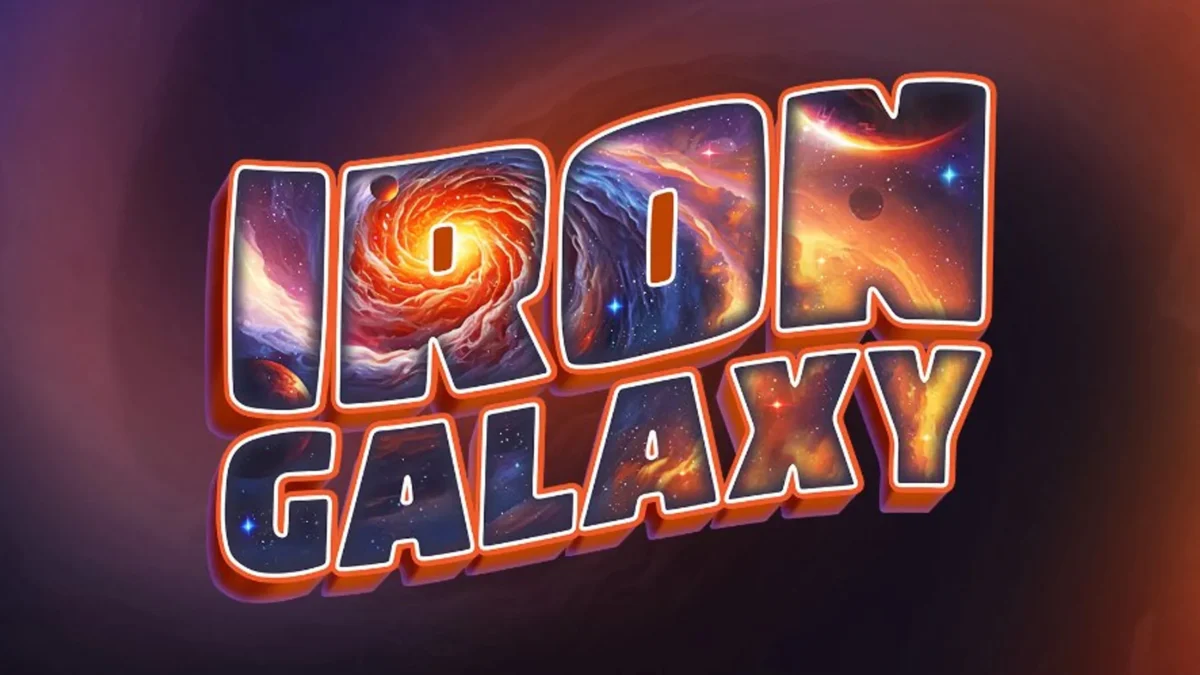
The Chicago-headquartered studio disseminated the news through an official statement posted on LinkedIn, revealing that an unspecified number of employees, whom the company referred to as "teammates and friends," have been let go. This restructuring is described as an essential adaptation to "a new company structure" deemed necessary to align with the current economic realities impacting the gaming sector. In its statement, Iron Galaxy Studios expressed profound regret over the departures, stating, "We are terribly sorry to lose them as we take steps to adapt to the climate of the video game industry. It’s time for us to evolve again." The studio explicitly attributed these difficult decisions to the "ongoing market conditions" that have exerted immense pressure across the entire video game industry, leading to widespread job losses and numerous studio closures since at least mid-2022.
A Studio’s Tumultuous Journey: From Expansion to Contraction
The recent layoffs at Iron Galaxy Studios represent a stark reversal from the studio’s ambitious growth trajectory just a few years prior. In 2022, the company notably expanded its footprint by opening a new office in Nashville, Tennessee. This strategic move was accompanied by a promise to invest nearly $1 million in the region and an optimistic projection to create 108 new jobs, signaling a period of robust expansion and confidence in its future. Alongside its Chicago headquarters, Iron Galaxy maintains additional offices in Orlando, Florida, and Austin, Texas, underscoring its multi-location operational model. This prior expansion stands in sharp contrast to the current need for drastic workforce reduction, illustrating the volatile nature of the industry.
However, the studio’s journey has been punctuated by significant challenges, particularly concerning its original intellectual property (IP). In 2023, Iron Galaxy’s internally developed brawler, Rumbleverse, which was published by Epic Games, was regrettably shut down after a mere six months of operation. Despite a unique premise and initial enthusiasm, the live-service title struggled to gain sufficient traction and sustainability in a highly competitive market saturated with similar offerings. The closure of Rumbleverse marked a pivotal moment, shifting the studio’s primary focus back towards its well-established expertise in co-development partnerships and porting services, a niche in which it has consistently excelled. This includes bringing demanding titles like The Last of Us Part I to PC, a task that requires highly specialized technical proficiency and optimization skills. Furthermore, the studio has explored new avenues, releasing several Unreal Engine for Fortnite (UEFN) experiences, such as "Deathtrap Dungeon," which launched in January 2026, showcasing its adaptability to emerging platforms and content creation models within the Fortnite ecosystem.
The current round of layoffs is not an isolated incident for Iron Galaxy. The studio’s LinkedIn statement notably referenced its struggles over the "last year," a period that saw the company implement another significant workforce reduction. In 2025 (or what can be inferred as "last year" from the context of the original article’s likely future publication date), Iron Galaxy laid off 66 employees in what was then described as a "last-ditch" effort to ensure the company’s survival. This historical context underscores a pattern of persistent operational and financial pressures that have necessitated difficult decisions regarding staffing levels. The studio’s leadership explicitly stated in their recent communication, "This year, we’re adopting a new posture to accept these current market conditions as permanent. Players consume games in new ways. Publishers have different criteria for investing in the development of games. This new normal has impacted all our partners." They further emphasized the "impossible" nature of sustaining the total number of employees retained over the past year given these evolving circumstances.
The Broader Industry Climate: A Sea of Layoffs and Uncertainty
Iron Galaxy’s workforce reduction is far from an isolated event; it is a symptom of a much larger, systemic downturn gripping the global video game industry. Since mid-2022, the sector has been grappling with unprecedented levels of layoffs, studio closures, and project cancellations, creating a climate of pervasive uncertainty for developers worldwide. Industry estimates suggest that over 10,500 game development jobs were eliminated in 2023 alone. The trend has shown no signs of abating in 2024, with reports indicating that more than 8,000 additional jobs were cut within the first few months of the year, potentially eclipsing the previous year’s figures. Major industry players, from independent studios to multinational corporations, have been affected.
Several intertwined factors are contributing to this challenging environment. One significant cause is the post-pandemic correction. During the COVID-19 lockdowns, the gaming industry experienced a boom, leading many companies to embark on aggressive hiring sprees, anticipating sustained growth. However, as global economies reopened and consumer spending patterns shifted, this elevated demand proved unsustainable, resulting in widespread overhiring. Consequently, many studios are now rightsizing their operations to pre-pandemic levels or even below.
Moreover, the escalating costs of game development have placed immense strain on budgets. Modern AAA titles require increasingly larger teams, longer development cycles, and cutting-edge technology, pushing production costs into the hundreds of millions of dollars. This financial burden is compounded by rising marketing expenses and the complexities of launching games across multiple platforms. Publishers, facing higher investment risks and tighter profit margins, are becoming more cautious with their funding decisions, often opting for proven franchises or smaller, more manageable projects.

Changing player consumption habits also play a critical role. While subscription services like Xbox Game Pass and PlayStation Plus offer new revenue streams, they also shift how players acquire and engage with games, potentially impacting traditional sales models. The live-service game model, once seen as a lucrative path to sustained revenue, has become increasingly difficult to succeed in, as evidenced by the failure of titles like Rumbleverse and numerous others. Players are exhibiting "live-service fatigue," making it harder for new entries to establish a foothold.
The impact has been felt across the industry’s most prominent names. Microsoft, following its acquisition of Activision Blizzard, announced significant layoffs across its Xbox division, affecting employees at studios like King and ZeniMax. Ubisoft, another major publisher, has undertaken multiple rounds of layoffs and notably closed its Halifax studio just weeks after its workers voted to unionize, raising concerns about labor relations within the industry. Embracer Group, a Swedish conglomerate known for its aggressive acquisition strategy, has also been undergoing a massive restructuring program, resulting in thousands of job cuts and the closure of several studios. Other notable companies like Unity, Riot Games, and Epic Games have also implemented substantial layoffs, signaling a broad-based recalibration across the sector.
Official Responses and the Call for Transparency
Iron Galaxy’s LinkedIn post, while offering a glimpse into the studio’s rationale, aligns with a broader industry trend of studios announcing layoffs without immediately disclosing the exact number of affected employees. This lack of specific data often leaves both the public and the remaining workforce in a state of uncertainty, making it difficult to fully assess the scale of the impact. The article’s original publisher, Game Developer, stated it had reached out to Iron Galaxy for comment on the precise number of employees affected by these latest cuts and committed to updating its story upon receiving a response. This journalistic pursuit for transparency is crucial in a period marked by such widespread job insecurity.
From an industry perspective, the repeated cycles of layoffs have sparked intensified discussions about worker protections, the sustainability of current employment practices, and the potential for greater unionization within the gaming sector. While Iron Galaxy’s statement focused on "market conditions" and the need to "evolve," the human cost of these decisions is significant, impacting livelihoods, mental well-being, and career trajectories. The inferred sentiment among many developers is one of anxiety and a growing demand for more stability and security in an industry known for its passion and creativity but also its demanding work culture. Industry analysts, while acknowledging the economic pressures, often highlight the need for studios to manage growth more sustainably and to prioritize employee well-being during periods of contraction.
Implications and the Future of Iron Galaxy Studios
The implications of these repeated layoffs for Iron Galaxy Studios are multifaceted. For the affected employees, the immediate impact is severe, encompassing job loss, financial instability, and the daunting challenge of seeking new employment in an already saturated and contracting market. The cumulative effect of multiple rounds of cuts can also erode morale among remaining staff, potentially impacting productivity and long-term retention.
For Iron Galaxy itself, this restructuring signals a definitive shift in strategy. The explicit statement about adopting a "new posture to accept these current market conditions as permanent" suggests a move towards a more lean and agile operational model. This likely reinforces their focus on being a premier co-development and porting partner, leveraging their technical expertise for established franchises rather than heavily investing in risky original IP. While their work on projects like Tony Hawk’s Pro Skater 1+2 and The Last of Us Part I has solidified their reputation for quality and technical prowess, the challenges faced by Rumbleverse may deter future large-scale original game development for the foreseeable future. The continued exploration of UEFN experiences on Fortnite could represent a lower-risk avenue for creative expression and revenue generation.
The broader video game industry is at a critical juncture. The current wave of layoffs and studio closures is prompting a re-evaluation of business models, investment strategies, and employee relations. There’s an ongoing debate about whether this period represents a temporary correction or a fundamental shift towards a more consolidated, risk-averse, and potentially less diverse industry landscape. For studios like Iron Galaxy, navigating this "new normal" will require continuous adaptation, strategic partnerships, and a clear understanding of market demands to ensure long-term viability in an environment that remains as dynamic as it is challenging.
About the Author