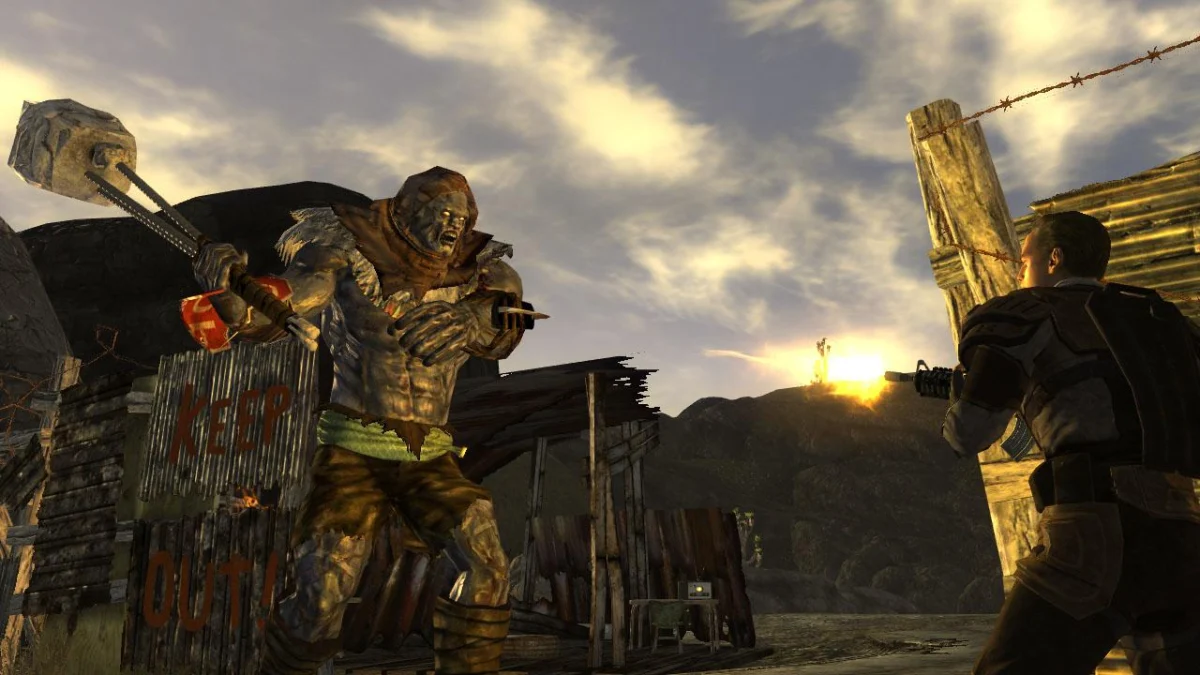
A significant development for the critically acclaimed Fallout franchise has emerged from Bethesda Game Studios and Obsidian Entertainment, with franchise director Todd Howard confirming a new collaborative project now officially in the pipeline. Speaking to Bloomberg, Howard expressed considerable enthusiasm for the renewed partnership, stating, "We could not be more excited to work with Obsidian again." This announcement marks a highly anticipated reunion for the two studios, who previously collaborated on the fan-favorite Fallout: New Vegas in 2010. Howard indicated that "the timing is right" for this new venture, placing it firmly within the expansive future roadmap for the Fallout universe, which also includes the previously confirmed Fallout 5 currently in pre-production, alongside upcoming remasters of both Fallout: New Vegas and Fallout 3. While specific details regarding the new game remain scarce, Howard emphasized that the franchise’s overarching direction and management are firmly rooted within Bethesda’s core staff and dedicated franchise teams.
This exciting news for Fallout enthusiasts arrives against a turbulent backdrop for Microsoft’s Xbox division, which has recently undergone extensive restructuring marked by significant mass layoffs. These cuts, initiated on July 6 and slated to affect approximately 1,600 employees, with another 1,600 projected for the upcoming fiscal year, have sent ripples throughout the gaming industry. Obsidian Entertainment, the newly re-partnered studio, was reportedly hit particularly hard, losing roughly one-quarter of its staff. Bethesda itself, a key first-party developer under the Xbox umbrella, also experienced a number of reductions, which Howard candidly described as "really tough."
The Return of a Beloved Partnership: Bethesda and Obsidian Reconvene for New Fallout Project
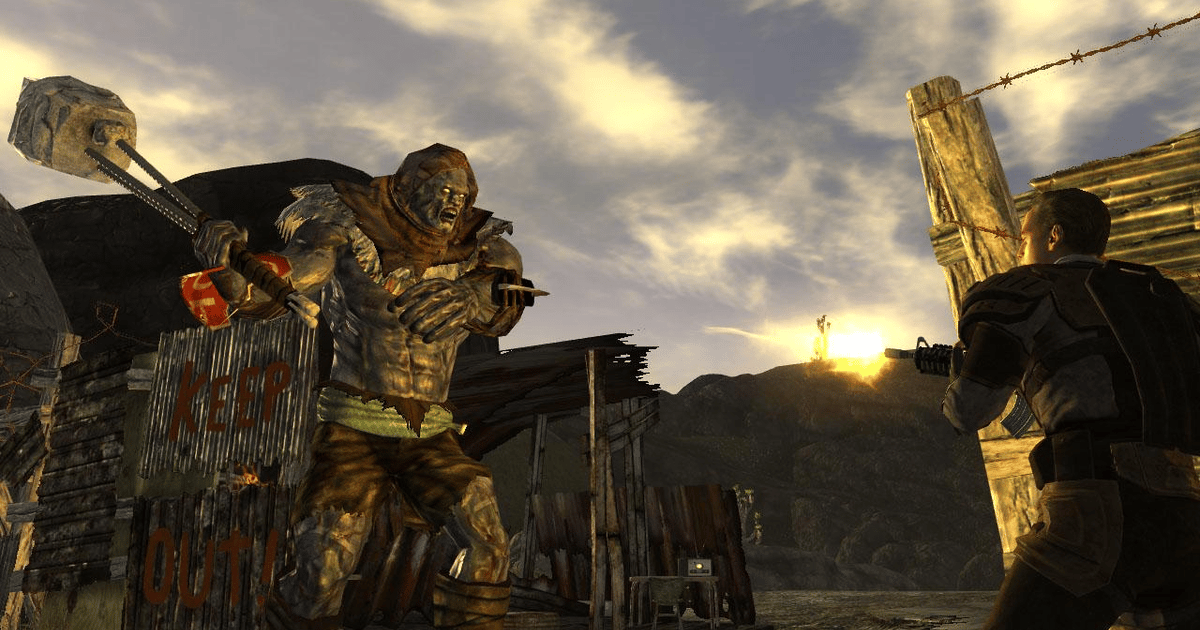
The announcement of a new Fallout game developed jointly by Bethesda Game Studios and Obsidian Entertainment has ignited considerable excitement within the gaming community, particularly among long-time fans of the post-apocalyptic role-playing series. The original collaboration, Fallout: New Vegas, released in 2010, carved out a unique and revered niche within the franchise. Developed by Obsidian, a studio known for its rich narrative design and complex choice-and-consequence systems, New Vegas was lauded for its nuanced storytelling, compelling factions, and deep role-playing mechanics that allowed players unprecedented freedom in shaping the fate of the Mojave Wasteland. Its critical reception was strong, earning an aggregate score of 84 on Metacritic for the PC version, with many critics praising its intricate world-building and moral ambiguities that distinguished it from its predecessor, Fallout 3. The enduring legacy of New Vegas is evident in its continued popularity and the fervent calls from fans for a sequel or a return to its distinctive design philosophy.
Todd Howard’s affirmation that "the timing is right" for this renewed partnership carries significant weight. In the years following New Vegas, Obsidian went on to develop other highly regarded RPGs, including Pillars of Eternity, Tyranny, and The Outer Worlds, further cementing its reputation for crafting engaging, player-driven experiences. Both studios are now under the Microsoft Xbox umbrella, a strategic acquisition that effectively brought them back into the same corporate family. This organizational alignment likely facilitated the discussions and eventual agreement for a new joint venture, removing the external publishing complexities that might have existed previously. The success of the recent Fallout television series on Amazon Prime Video, which garnered widespread critical acclaim and significantly boosted the franchise’s mainstream appeal and player engagement across existing games, may also have played a role in deeming this an opportune moment to expand the universe with a new, potentially high-profile entry. The series demonstrated the broad appeal of the Fallout IP beyond its dedicated gaming audience, creating a fertile ground for new content.
Expanding the Wasteland: The Future of the Fallout Franchise
The newly announced collaborative project is positioned as a cornerstone in Bethesda’s ambitious long-term strategy for the Fallout franchise. It joins an already robust lineup that promises to keep the wasteland vibrant for years to come. Fallout 5, the direct sequel to Fallout 4, remains in pre-production at Bethesda Game Studios. While details are scarce, its confirmed status indicates a continued commitment to the main series’ narrative arc under Bethesda’s direct stewardship. Given Bethesda’s typical development cycles, which often span several years between major releases, Fallout 5 is not expected anytime soon, allowing ample room for the newly announced collaborative title to potentially bridge the gap or offer a distinct experience.
Furthermore, the revelation of remasters for both Fallout: New Vegas and Fallout 3 underscores a strategy to capitalize on the franchise’s rich history and introduce these seminal titles to a new generation of players, while also offering enhanced experiences for veterans. Fallout 3, released in 2008, marked Bethesda’s successful transition of the series from an isometric RPG to a 3D open-world experience, setting the template for its modern iterations. A remaster would likely bring graphical updates, performance enhancements, and potentially quality-of-life improvements to address some of the original game’s technical limitations. The remaster of Fallout: New Vegas would be particularly welcomed by its dedicated fanbase, offering a chance to revisit its intricate narrative with modern polish. These remasters not only serve as a nostalgic offering but also as a strategic move to re-engage players with the franchise’s roots ahead of new installments, leveraging the heightened interest spurred by the television series. The comprehensive nature of this roadmap suggests a concerted effort to expand the Fallout universe on multiple fronts, catering to diverse player preferences and maintaining continuous engagement with the brand.
A Shadow Over the Industry: Xbox’s Sweeping Layoffs and Their Impact
The optimism surrounding the Fallout announcement contrasts sharply with the somber reality of the widespread job losses plaguing Microsoft’s Xbox division. These layoffs, reportedly ordered by Xbox CEO Asha Sharma, are part of a broader "reset" aimed at addressing what was described as a "not healthy" business. The initial wave of approximately 1,600 employees affected on July 6 is to be followed by another 1,600 in the upcoming fiscal year, signaling a sustained period of workforce reduction. This decision impacts numerous studios under the Xbox Game Studios banner, including some of the industry’s most respected developers. Obsidian Entertainment, while celebrating its new Fallout project, reportedly saw approximately one-quarter of its staff affected by these cuts. Bethesda Game Studios, the creative heart of Fallout, The Elder Scrolls, and Starfield, also experienced significant reductions, with Todd Howard acknowledging the "really tough" nature of these decisions on the affected individuals and teams.
These cuts are not isolated incidents but rather reflective of a larger trend of consolidation and workforce reduction that has swept across the technology and gaming industries since late 2022. Major players like Embracer Group, Unity, Riot Games, and Epic Games have also announced significant layoffs, affecting thousands of employees globally. The cumulative effect of these reductions has created an environment of heightened anxiety and uncertainty for game developers, challenging the perception of the gaming industry as a stable and continuously growing sector. In 2023 alone, estimates suggest over 10,000 jobs were lost in the gaming sector, a figure that continues to climb into 2024. This wave of layoffs is often attributed to a confluence of factors, including over-hiring during the pandemic-driven boom, rising development costs, increasing competition, and a re-evaluation of long-term investment strategies.
Strategic Realignment: The Rationale Behind Microsoft’s Cuts
Xbox CEO Asha Sharma’s directive for the mass cuts stemmed from an assessment that the business was "not healthy," a diagnosis attributed to several ambitious, yet costly, strategic bets and broader market forces. A primary factor cited is the substantial investment in Game Pass, Microsoft’s subscription service. While Game Pass has been critically acclaimed for its value proposition to consumers and its role in increasing player engagement, its financial sustainability has been a subject of debate. The model requires continuous investment in acquiring third-party titles and funding first-party development, with the long-term goal of subscriber growth and ecosystem lock-in. However, the initial rapid growth rates have reportedly slowed, and the significant costs associated with maintaining a robust library may not have translated into the expected profit margins or subscriber numbers needed to justify the immense outlay. This has led to a re-evaluation of the service’s economic model and its impact on the overall profitability of the Xbox division.
Another significant driver behind the restructuring is Microsoft’s aggressive acquisition strategy, most notably the $69 billion acquisition of Activision Blizzard King, finalized in late 2023. While this monumental deal brought a vast array of popular franchises and talent under the Xbox banner, it also incurred substantial integration costs, operational complexities, and a massive financial burden. The expectation was that these acquisitions would immediately bolster Xbox’s market position and content library, but the short-term financial returns and synergy realization have proven challenging amidst a competitive market. Furthermore, the broader tech landscape has been influenced by an "AI-driven hardware crisis," where the surging demand for AI computing power has strained global supply chains and driven up the cost of essential components, impacting hardware manufacturing and profitability across various sectors, including gaming consoles. Microsoft, with its deep involvement in AI development and cloud services, is particularly exposed to these market dynamics, as Reuters reported on the global supply chain crisis driven by AI demand. The cumulative effect of these financial pressures and strategic miscalculations necessitated a significant recalibration of Xbox’s operational structure and expenditure.
Legal Challenges and Employee Reactions
The manner in which Microsoft has executed these mass layoffs has not been without controversy, leading to formal legal action by labor unions in both the United States and Canada. These unions allege that Microsoft mishandled the layoffs, potentially violating labor laws related to notification periods, severance packages, or fair termination practices. Such legal challenges highlight a growing trend of labor organizing within the technology and gaming sectors, as employees seek greater protections and fairer treatment in an increasingly volatile industry. The specific allegations often revolve around a lack of transparency, insufficient notice periods, or the perceived arbitrary nature of the cuts. These legal battles underscore the broader struggle between corporate efficiency objectives and the rights of workers in a rapidly evolving economic landscape.
Among the laid-off employees, the sentiment has been overwhelmingly negative, reflecting deep disappointment and frustration. Many developers, some of whom had dedicated years to their respective studios and projects, expressed dismay not only at losing their jobs but also at the perceived disconnect between the company’s public image and its internal practices. Social media platforms became a space for many to share their experiences, with some employees reportedly stating that "good work is not going to save your job at this company," indicating a perceived devaluation of individual contributions in the face of larger corporate directives. The emotional toll of these layoffs extends beyond financial hardship, impacting professional identity, career stability, and trust in corporate leadership. The collective mood among affected staff often includes feelings of betrayal, particularly when considering the significant profits and market capitalization of Microsoft as a whole.
Contrasting Narratives: Innovation Amidst Restructuring
The simultaneous announcement of a highly anticipated Fallout collaboration and the grim reality of mass layoffs presents a stark, almost contradictory, narrative for Microsoft’s Xbox division. On one hand, the company signals a strong commitment to its flagship intellectual properties and a willingness to invest in creative partnerships that promise innovation and fan satisfaction. The reunion of Bethesda and Obsidian for a new Fallout game is, by all accounts, a strategic move to leverage proven talent and a beloved franchise to captivate a broad audience and drive future revenue. This move could be interpreted as a strategic reassurance to both the market and the remaining talent that Xbox remains dedicated to delivering compelling content despite its financial woes.
On the other hand, the extensive layoffs reveal a company grappling with significant financial pressures and a need for severe cost-cutting measures. This juxtaposition raises questions about the long-term stability of the remaining workforce and the broader corporate culture. It highlights the complex challenge faced by large corporations in balancing strategic growth and innovation with financial prudence and operational efficiency. The timing, though potentially coincidental given the varying development and announcement cycles, inevitably leads to public scrutiny and a perception of conflicting priorities. For many, the news of a new game might be overshadowed by the human cost of the layoffs, fostering a sense of cynicism regarding corporate announcements during periods of workforce reduction.
Industry-Wide Trends and Future Outlook
The events at Xbox are symptomatic of larger trends impacting the global video game industry. The post-pandemic correction, where the surge in gaming during lockdowns has normalized, combined with rising interest rates, inflation, and increased development costs, has created a challenging economic environment. The consolidation trend, exemplified by Microsoft’s acquisitions, reflects a race among platform holders and publishers to secure exclusive content and market share, but this often comes with a hefty price tag and the complexities of integrating diverse corporate cultures and development pipelines. The shift towards subscription models like Game Pass, while offering new revenue streams, also presents its own financial hurdles, requiring a delicate balance between content investment and subscriber retention.
Looking ahead, the gaming industry is likely to continue navigating these turbulent waters. For Microsoft and Xbox, the path forward will involve a careful recalibration of their strategies, potentially with a more conservative approach to spending and a sharper focus on core profitability. The success of the new Fallout game will be crucial, not only for the franchise but also as a testament to Xbox’s ability to deliver high-quality content amidst internal restructuring. The legal actions by labor unions may also set precedents for how future layoffs are handled in the industry, potentially leading to increased worker protections and more transparent corporate practices. The dual narrative of creative resurgence and corporate contraction at Xbox encapsulates the broader challenges and transformations defining the video game landscape in the current era. The future of gaming will depend on how effectively companies can innovate and adapt while also addressing the human element of a rapidly changing workforce.
About the Author