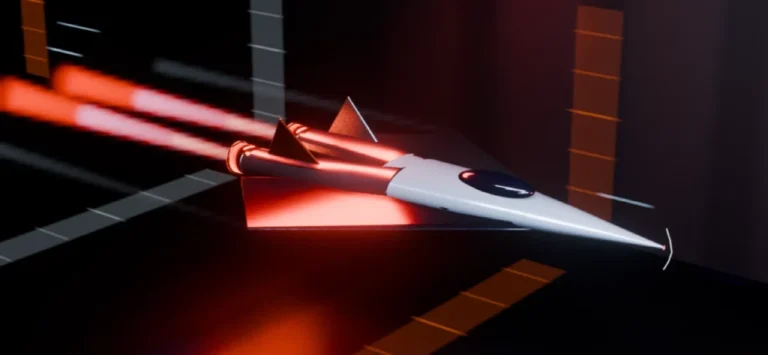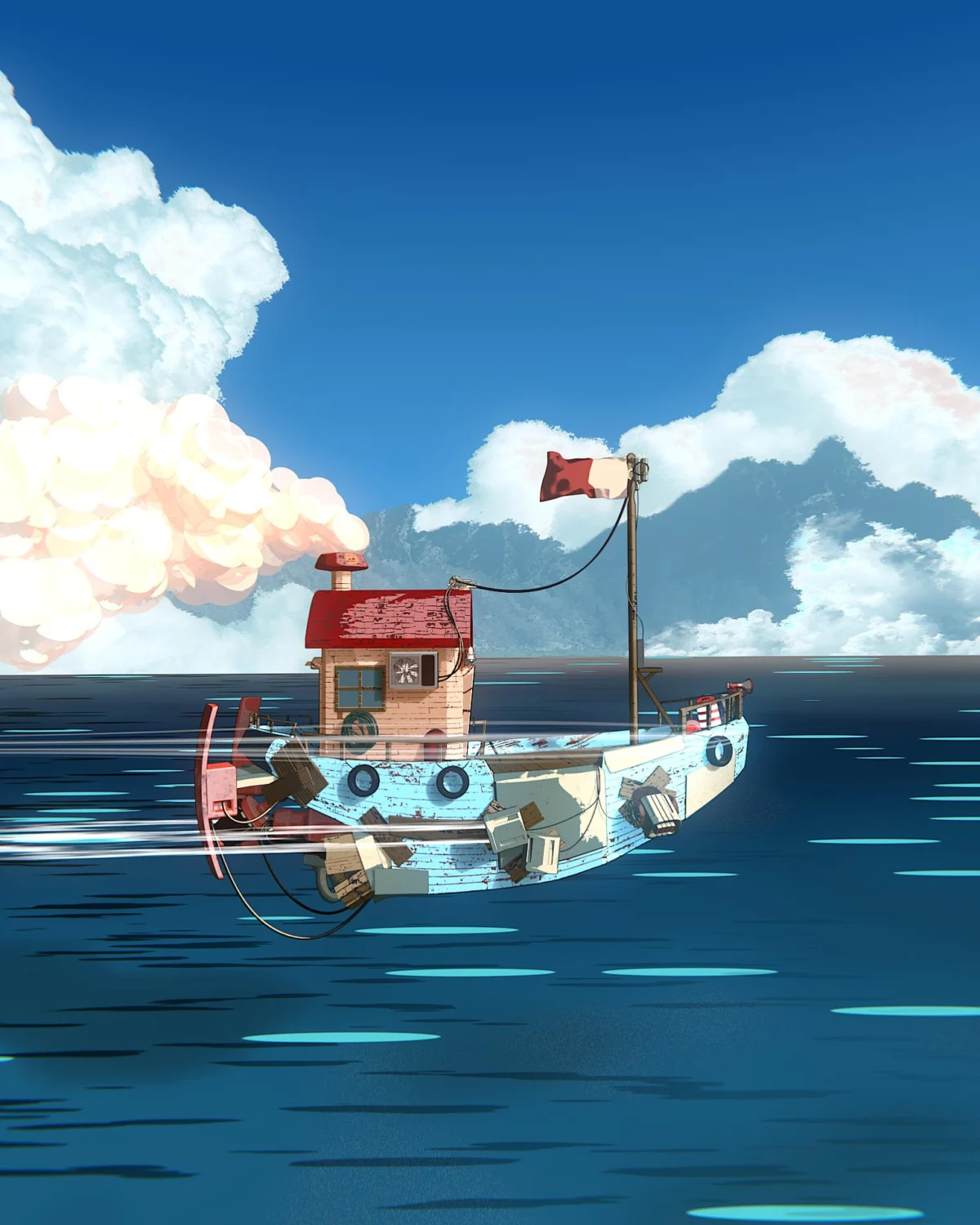
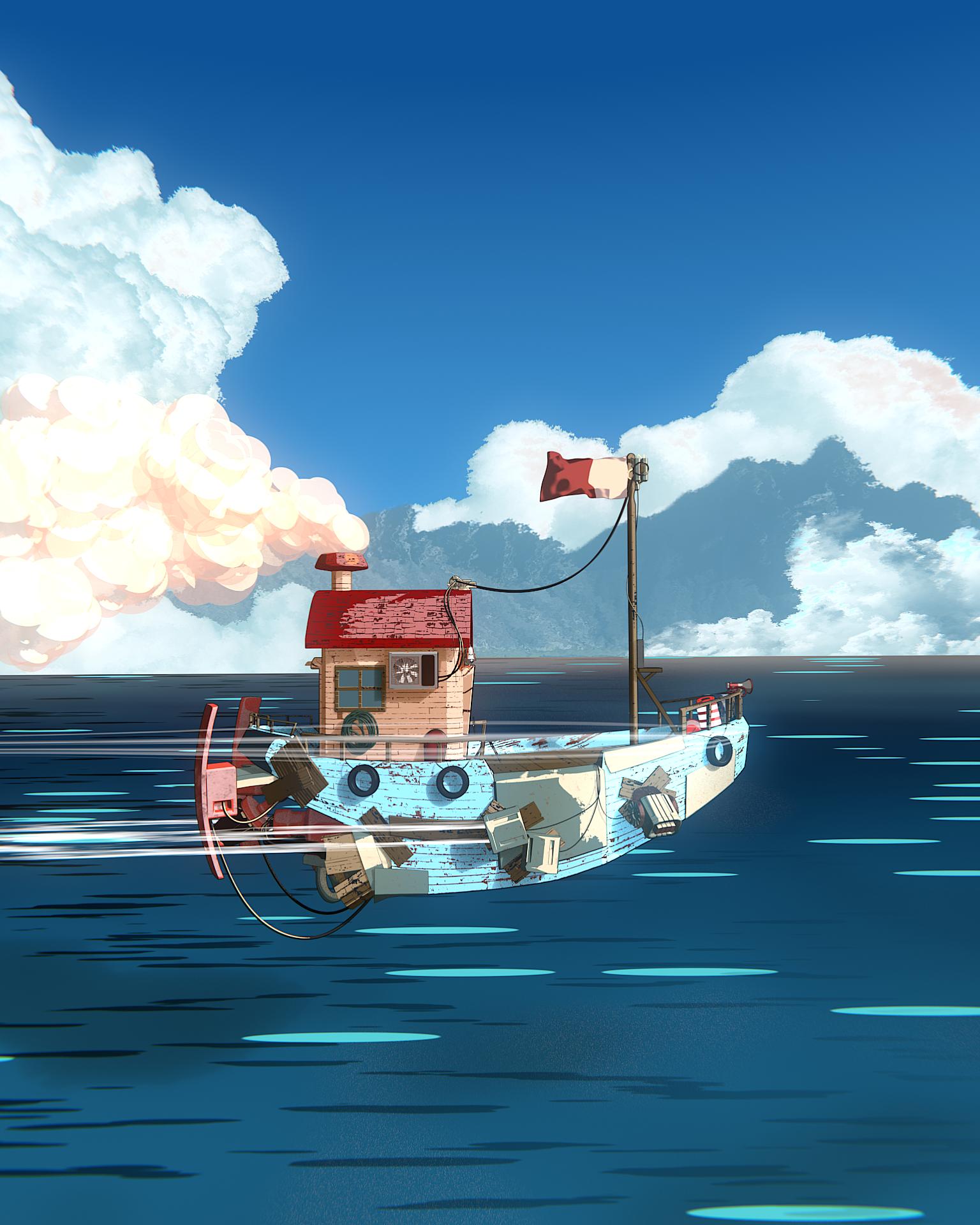
The digital art world is abuzz following the unveiling of "The Flying Camper," a breathtaking 3D rendering that has captivated the attention of artists and enthusiasts alike. This intricate creation, showcased on the Blender Artists forum and highlighted by BlenderNation, represents a significant achievement in digital artistry, demonstrating the evolving capabilities of 3D modeling and rendering software, particularly Blender. The piece, which depicts a fantastical airborne recreational vehicle, serves as a powerful example of the creativity fostered within online artistic communities.
The Genesis of "The Flying Camper"
"The Flying Camper" emerged from the vibrant ecosystem of the Blender Artists forum, a digital hub where hundreds of artists converge weekly to share their creations, exchange techniques, and receive constructive feedback. This particular artwork, brought to prominence by BlenderNation’s curated weekly spotlights, has distinguished itself through its exceptional detail, imaginative concept, and technical execution. The artist behind "The Flying Camper," whose identity is not explicitly stated in the initial announcement but is implied to be a regular contributor to the forum, has leveraged Blender’s sophisticated tools to bring a unique vision to life.
The concept of a "flying camper" itself taps into a rich vein of imaginative design, blending the practicalities of recreational vehicle living with the boundless freedom of flight. Such concepts often draw inspiration from science fiction, retro-futurism, and a general desire for exploration beyond terrestrial limitations. The success of "The Flying Camper" lies in its ability to translate this whimsical idea into a visually compelling and believable 3D model.
Technical Prowess and Artistic Vision
The rendering of "The Flying Camper" showcases a mastery of several key 3D art disciplines. These likely include:
- Modeling: The intricate details of the camper’s design, from its aerodynamic chassis to its functional components, would have required precise polygonal modeling. This involves building the 3D form from scratch, meticulously shaping every curve and edge.
- Texturing and Shading: To achieve a photorealistic or artistically stylized look, the model would have been adorned with realistic textures and sophisticated shaders. This process involves defining the surface properties of the object, such as its material (metal, fabric, glass), its color, its reflectivity, and its roughness. The quality of these elements directly impacts how light interacts with the object, contributing significantly to the overall realism.
- Lighting: The dramatic lighting present in the accompanying visual strongly suggests a deliberate and skillful application of illumination techniques. Artists often use various light sources, such as sun lamps, area lights, and point lights, to sculpt the form, create mood, and highlight key features of the model. The interplay of light and shadow is crucial in conveying depth and volume.
- Rendering: The final image is the product of a complex rendering process, where the 3D scene is translated into a 2D image. Blender’s powerful rendering engines, such as Cycles and Eevee, allow artists to achieve high levels of visual fidelity, simulating the behavior of light in a physically accurate manner. The time and computational resources required for such high-quality renders can be substantial, underscoring the dedication of the artist.
The choice of a "flying camper" as a subject matter allows for creative exploration of environmental design as well. The backdrop against which the camper is presented—whether it’s a serene sky with distant clouds, a majestic mountain range, or a fantastical alien landscape—plays an equally critical role in the overall impact of the artwork. The integration of the vehicle with its environment requires careful attention to scale, perspective, and atmospheric effects.
The Role of Online Communities and BlenderNation
The Blender Artists forum and BlenderNation serve as vital platforms for digital artists. The Blender Artists forum, a long-standing repository of user-generated content, provides a space for artists to gain exposure, receive invaluable critique, and connect with a global community. It acts as a crucial incubator for talent, allowing emerging artists to hone their skills and established artists to push creative boundaries.
BlenderNation, as highlighted in the original announcement, plays a pivotal role in curating and disseminating exceptional work from this community. By featuring select pieces in weekly spotlights, BlenderNation not only celebrates individual achievements but also informs a wider audience about the cutting-edge developments and artistic trends within the Blender ecosystem. This "spotlighting" mechanism can significantly boost an artist’s visibility, potentially leading to new opportunities, collaborations, or commissions. The consistent effort by individuals like Bart (the author of the original piece) to sift through hundreds of submissions and identify standout works is instrumental in maintaining the health and dynamism of the community.
Supporting Data and Trends in Digital Art
The proliferation of advanced 3D software like Blender has democratized the creation of high-quality digital art. Historically, professional 3D rendering required access to expensive proprietary software and powerful, specialized hardware. However, Blender’s open-source nature and continuous development have made it an accessible yet incredibly powerful tool for artists worldwide.
- Growth of Open-Source Software in Creative Industries: The success of Blender mirrors a broader trend of open-source software gaining traction in professional creative fields. This democratization of tools allows a wider range of individuals to participate in digital art creation, leading to increased diversity in styles and perspectives.
- Community-Driven Development: Blender’s development is significantly influenced by its user base. Feedback and contributions from artists on forums like Blender Artists directly inform new features and improvements, ensuring the software remains relevant and powerful for creative professionals.
- The Rise of Digital Art as a Profession: With the increasing sophistication of rendering capabilities and the growing demand for 3D content in industries such as gaming, film, advertising, and virtual reality, digital art has solidified its position as a viable and lucrative career path.
The emergence of "The Flying Camper" can be seen as a micro-example of these macro-trends. It showcases how an individual artist, armed with accessible yet powerful tools and supported by a thriving online community, can produce work that rivals professional studio output.
Analysis of Implications and Future Outlook
The widespread appreciation for "The Flying Camper" has several implications for the digital art landscape:
- Validation of Community Platforms: The ongoing success of platforms like the Blender Artists forum and the reach of BlenderNation underscore the importance of dedicated online spaces for artists to connect, share, and grow. These communities are not just social networks; they are incubators for innovation and professional development.
- Inspiration for Emerging Artists: Such high-quality examples serve as powerful inspiration for aspiring 3D artists. They demonstrate what is achievable with dedication, skill, and the right tools, encouraging newcomers to embark on their own creative journeys.
- Potential for Commercial Application: While the primary purpose of showcasing such art on forums is often artistic expression, the technical and conceptual quality of "The Flying Camper" suggests potential for its application in commercial projects. Concepts like this could be further developed for use in animation, game development, or even as visual assets for marketing campaigns.
- Advancement of 3D Rendering Techniques: Each innovative piece presented in these forums contributes to a collective understanding and advancement of 3D rendering techniques. Artists learn from each other’s successes and challenges, collectively pushing the boundaries of what is visually possible.
The future of digital art, particularly within the context of accessible software like Blender, appears exceptionally bright. As technology continues to advance and communities like the Blender Artists forum grow, we can anticipate even more groundbreaking and imaginative creations to emerge. "The Flying Camper" is more than just a stunning image; it is a symbol of artistic ingenuity, the power of community, and the ever-expanding horizons of digital creativity. The ongoing dialogue and sharing within these digital spaces will undoubtedly continue to shape the future of visual arts for years to come.
About the Author