The digital art world is abuzz with the unveiling of "An Odd Little Specimen," a captivating 3D rendering that has rapidly captured the attention of the Blender community and beyond. This intricate piece, born from the creative prowess of an artist whose identity is yet to be fully disclosed through official channels, showcases a remarkable level of detail and imaginative design. The artwork, first highlighted on BlenderNation’s weekly roundup of exceptional user-generated content, represents a significant achievement in digital sculpting and texturing, prompting discussions about the evolving landscape of 3D art and its potential applications.
Genesis of a Digital Enigma
The emergence of "An Odd Little Specimen" can be traced back to the vibrant ecosystem of the Blender Artists forum, a global hub where hundreds of digital creators converge weekly to share their latest projects, solicit feedback, and engage in collaborative discussions. BlenderNation, a prominent online publication dedicated to the open-source 3D creation suite, maintains a regular feature that curates and spotlights the most compelling works submitted to this forum. This particular piece, identified by its unique visual signature, stood out amongst a sea of impressive submissions, warranting its inclusion in the publication’s latest showcase.
The artist behind "An Odd Little Specimen" has chosen to remain relatively anonymous in the initial stages of its public reception, a common practice in the digital art sphere where the work itself often takes precedence over the creator’s personal identity. However, the meticulous craftsmanship evident in the rendering suggests a seasoned digital artist with a profound understanding of Blender’s extensive capabilities. From the subtle nuances of its form to the sophisticated interplay of light and shadow, every element of the piece speaks to a dedicated and skilled hand.
A Deep Dive into the Artwork
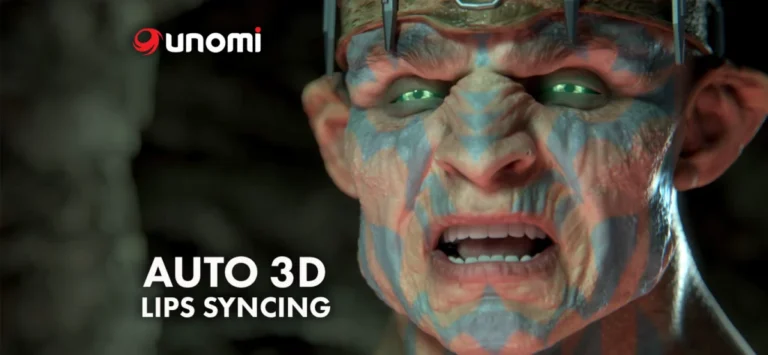
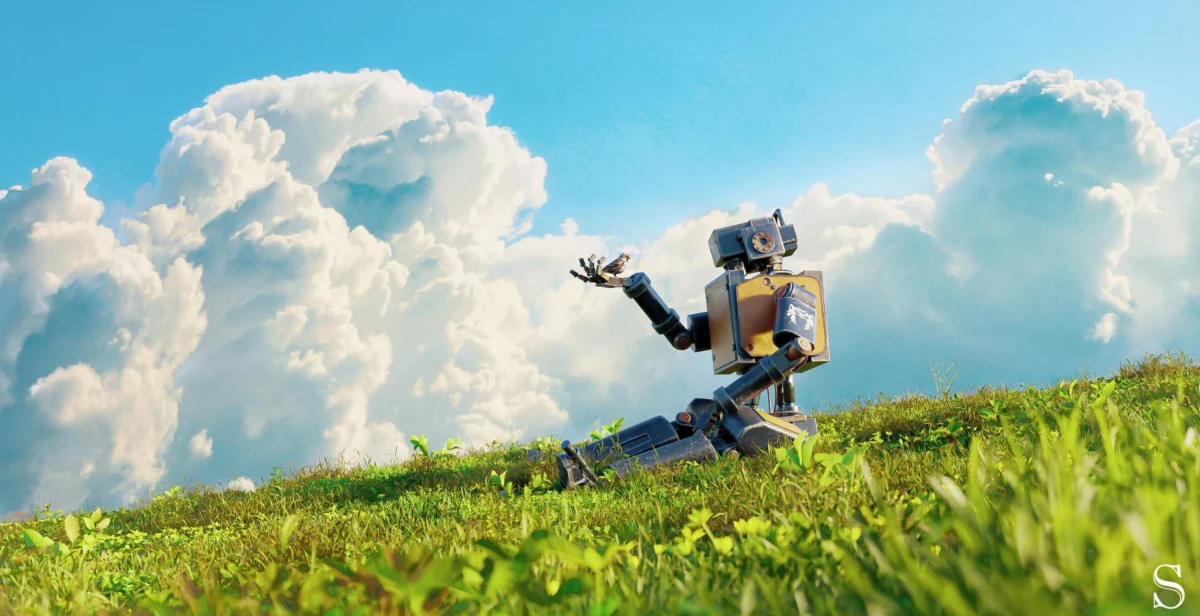
While the specific narrative or inspiration behind "An Odd Little Specimen" remains undisclosed by the artist, its visual characteristics invite interpretation. The rendering depicts a creature or object that defies easy categorization, possessing an almost otherworldly quality. Its form is a complex amalgamation of organic and potentially mechanical elements, hinting at a world or context that is both familiar and alien. The texture work is particularly noteworthy, with surfaces that appear to possess a tangible depth, ranging from smooth, almost crystalline facets to rough, weathered textures that suggest a history or an environment.
The lighting in the scene plays a crucial role in enhancing the overall mood and impact of "An Odd Little Specimen." A carefully orchestrated interplay of light sources casts dramatic shadows, sculpting the form and emphasizing its unique contours. This deliberate use of illumination not only highlights the intricate details of the model but also imbues the artwork with a sense of mystery and intrigue. The color palette, while not explicitly detailed in preliminary reports, is understood to be sophisticated, contributing to the overall atmospheric quality of the piece.
Technical Prowess and Blender’s Role
The creation of "An Odd Little Specimen" is a testament to the power and versatility of Blender, a free and open-source 3D creation suite that has become an indispensable tool for artists, animators, and visual effects professionals worldwide. Blender’s comprehensive feature set, encompassing modeling, sculpting, texturing, rigging, animation, simulation, rendering, and compositing, provides artists with an end-to-end solution for bringing their digital visions to life.
The complexity and detail present in "An Odd Little Specimen" suggest the artist likely utilized several of Blender’s advanced tools. This could include its robust sculpting capabilities for organic form creation, procedural texturing for intricate surface details, and its powerful Cycles or Eevee render engines to achieve photorealistic or stylized lighting and material effects. The sheer volume of polygons and the precision of the modeling indicate a significant investment of time and technical skill.

The open-source nature of Blender has been a driving force behind its widespread adoption and the rapid advancement of digital art. Unlike proprietary software, Blender’s development is community-driven, with a global network of developers and users contributing to its evolution. This collaborative spirit fosters innovation and ensures that the software remains at the cutting edge of technological capabilities. The success of pieces like "An Odd Little Specimen" further validates the power of this open-source model, showcasing what can be achieved with accessible, yet highly sophisticated, tools.
Community Reception and Expert Analysis
The initial reaction to "An Odd Little Specimen" within the Blender Artists forum and on BlenderNation has been overwhelmingly positive. Comments and discussions have focused on the artwork’s originality, technical execution, and evocative nature. Fellow artists have expressed admiration for the level of detail and the unique aesthetic, with many seeking to understand the artist’s workflow and techniques.
While specific expert analyses are still emerging, preliminary observations from digital art critics and seasoned 3D artists highlight several key strengths:
- Unconventional Design: The speculative and unusual nature of the subject matter sets it apart from more conventional digital art pieces. This originality is a significant factor in its widespread appeal.
- Masterful Texturing: The tactile quality of the surfaces suggests a deep understanding of material properties and their digital representation. This realism, even in an unreal subject, is a hallmark of professional-grade work.
- Atmospheric Lighting: The judicious use of light and shadow is crucial in conveying mood and enhancing the three-dimensional form. The artist’s skill in this area is evident in the dramatic and engaging presentation of the specimen.
- Technical Proficiency: The complexity of the model and the quality of the render point to a high level of technical mastery within Blender. This includes efficient modeling practices, effective use of sculpting tools, and precise material setup.
The implications of such a piece extend beyond mere artistic appreciation. It serves as an inspiration for aspiring 3D artists, demonstrating the potential for creativity and technical achievement that can be realized with accessible software. Furthermore, it contributes to the ongoing dialogue about the definition and boundaries of digital art, pushing the envelope of what is visually possible.
The Broader Impact and Future Implications
The emergence of "An Odd Little Specimen" from the vast digital canvas is more than just a visually striking piece of art; it is a reflection of the burgeoning capabilities within the 3D art community and the powerful tools that facilitate such creations. As digital art continues to permeate various industries, from entertainment and gaming to product design and virtual reality, the demand for artists capable of producing work of this caliber is expected to rise.
The success of such individual pieces, often born from passion projects and shared within online communities, underscores the democratization of creative tools. Artists no longer require expensive, proprietary software licenses to produce professional-grade work. This accessibility fosters a more diverse and innovative artistic landscape, where creativity can flourish irrespective of economic barriers.
The long-term implications of artworks like "An Odd Little Specimen" could include:
- Inspiration for New Projects: The unique design and execution of this piece may inspire new directions in concept art, character design, and even product development, where novel forms and aesthetics are sought.
- Advancement of Digital Art Techniques: As artists push the boundaries of what is possible, they often develop new techniques and workflows that can be shared and adopted by the wider community, leading to collective skill advancement.
- Reinforcement of Open-Source Software’s Viability: The continued success of high-profile projects created with open-source tools like Blender reinforces their position as legitimate and powerful alternatives to commercial software, encouraging further investment and development in this sector.
- Potential for Commercial Application: While currently presented as an artistic endeavor, the intricate detail and imaginative design could find applications in areas such as creature design for films or games, or even as inspiration for physical product aesthetics.
As more details about "An Odd Little Specimen" and its creator are potentially revealed, its impact on the digital art world is likely to solidify. For now, it stands as a compelling example of the extraordinary creations that emerge from the intersection of artistic vision, technical skill, and the collaborative spirit of the global digital art community. The continued evolution of platforms like Blender Artists and publications like BlenderNation ensures that such remarkable works will continue to be discovered, celebrated, and analyzed, shaping the future of digital creativity. The ongoing discourse surrounding such pieces is vital for understanding the trajectory of digital art and its ever-expanding influence on our visual culture.
About the Author