The global mobile gaming landscape has undergone a significant transformation this week as several high-profile titles transitioned from closed beta testing to worldwide availability, while major publishers initiated strategic soft launches in key regional markets. This surge in activity highlights a broader trend in the industry where established intellectual properties from PC and console platforms are being meticulously optimized for handheld devices to capture a growing demographic of mobile-first players. From the arrival of the critically acclaimed survival title Don’t Starve Together on iOS and Android to the strategic expansion of Netflix’s gaming catalog with Toca Boca Jr Kitchen, the current release cycle reflects a diversified market catering to hardcore survivalists, casual puzzle enthusiasts, and the burgeoning "cozy gaming" community.
High-Profile Global Launches and Porting Milestones
A primary highlight of this week’s releases is the worldwide mobile launch of Don’t Starve Together, developed by Klei Entertainment and ported by the specialist studio Playdigious. Originally released as a standalone multiplayer expansion to the 2013 hit Don’t Starve, the title has maintained a robust player base on PC and consoles for nearly a decade. The transition to mobile represents a significant technical achievement, as Playdigious—renowned for its successful ports of titles like Dead Cells and Little Nightmares—had to adapt the game’s complex user interface and resource management systems for touch-screen functionality.
Industry analysts suggest that the mobile release of Don’t Starve Together is timed to capitalize on the sustained popularity of the survival-crafting genre. Data from market intelligence firms indicates that the survival category remains one of the most resilient segments in mobile gaming, consistently ranking high in player retention metrics. By bringing the "Together" iteration to mobile, Klei and Playdigious are enabling cross-platform-style social interaction, which has historically been a primary driver for the game’s longevity.
Simultaneously, the platformer Poinpy, developed by Ojiro Fumoto and published by Devolver Digital, has shifted its distribution model. Previously a Netflix Games exclusive, the title is now available for free to the general public on both the Apple App Store and Google Play Store. This move marks a notable shift in Devolver’s mobile strategy, potentially indicating the end of a timed exclusivity window. Poinpy received critical acclaim upon its initial release for its vertical-climbing mechanics and vibrant art style, and its broader availability is expected to significantly increase its active user base.
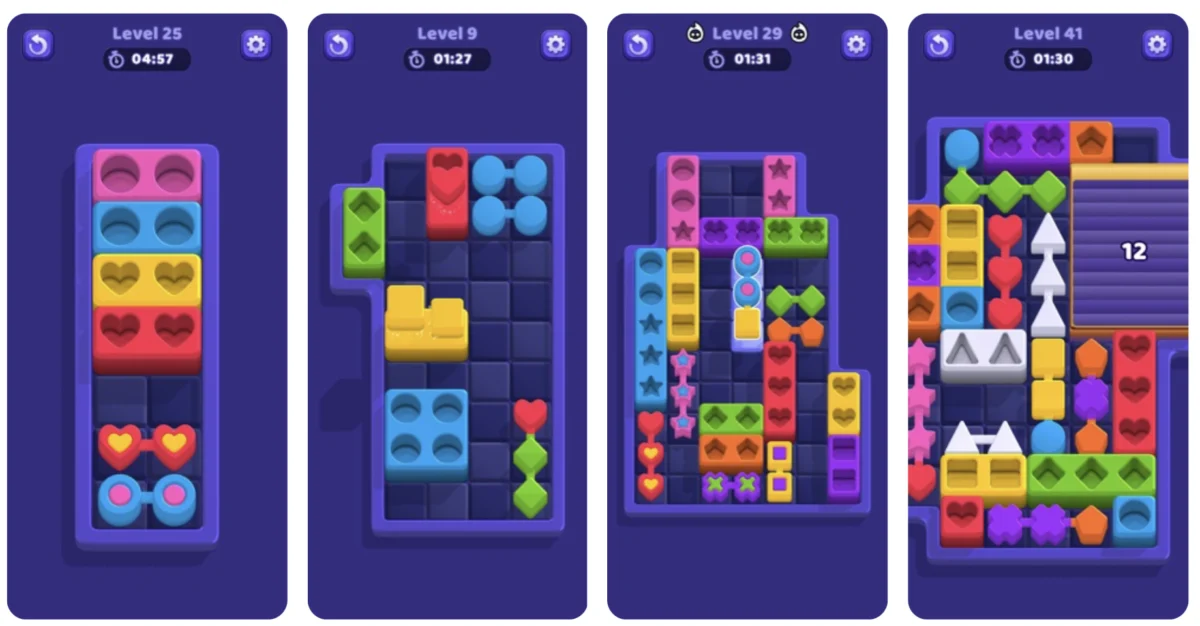
In the indie sector, Funnyem has officially released its debut title, Sweeplings. Positioned within the "cozy" genre—a segment that has seen a 20% year-over-year increase in downloads according to recent industry reports—Sweeplings focuses on low-stress puzzle-solving and aesthetic appeal. The global launch of this title underscores the low barrier to entry for new developers who focus on niche, high-engagement genres rather than high-fidelity graphics.
The Netflix Gaming Ecosystem and Educational Expansion
Netflix continues to aggressively expand its gaming vertical with the introduction of Toca Boca Jr Kitchen. This addition is part of a broader strategic initiative by the streaming giant to provide value-added content to its subscribers, specifically targeting the family and children’s demographic. Toca Boca, a brand owned by Spin Master, is a titan in the digital toy space, with its "Toca Life World" app having surpassed 100 million downloads globally.

The integration of Toca Boca Jr Kitchen into the Netflix app allows the company to leverage an existing, loyal fan base. By offering these titles without in-app purchases or advertisements—a core tenet of the Netflix Games model—the company is positioning itself as a safe and premium alternative to the ad-supported games typically found on mobile storefronts. Internal data from Netflix suggests that while its gaming division is still in a growth phase, the inclusion of established children’s IPs is a primary driver for household engagement with the service’s mobile application.
Strategic Soft Launches and Regional Market Testing
The current week has also seen a flurry of soft-launch activity, particularly in the Philippines, which remains a preferred testing ground for global publishers due to its high English proficiency and representative mobile usage patterns. Tencent’s Crownstone Survival and Take-Two Interactive’s Shape in Shape (developed via its Popcore subsidiary) have both appeared on regional storefronts.
Crownstone Survival represents Tencent’s latest foray into the competitive survival-horror market. By utilizing the Philippines for a soft launch, Tencent can gather critical data on server stability, monetization balance, and player progression before committing to a multi-million-dollar global marketing campaign. Market observers note that Tencent’s "Proxima Beta" publishing arm is increasingly using these limited releases to fine-tune high-fidelity experiences for mid-range mobile hardware.
Similarly, Popcore’s Shape in Shape was identified by AppMagic as having entered a soft-launch phase on July 22. Popcore, known for its hyper-casual hits, appears to be moving toward more "hybrid-casual" models that combine simple mechanics with deeper progression systems. This shift is a response to the changing privacy landscape on iOS, which has made traditional hyper-casual user acquisition more expensive and less predictable.
In the destruction-physics subgenre, Supercent has initiated a soft launch for Smash Down: Blast It Away on Android. Supercent has emerged as a major player in the South Korean mobile market, and this new title focuses on high-satisfaction gameplay loops. The soft-launch phase will likely focus on optimizing the game’s "level-to-ad" ratio, a critical metric for the success of destruction-based puzzle games.
Future Outlook: DCKO and the Evolution of Mobile Action RPGs
Looking toward 2027, the announcement of DCKO (DC Knock Out) has generated substantial interest within the core gaming community. Developed by Drop Fake, a studio comprised of former Kabam developers—the team behind the massively successful Marvel Contest of Champions—DCKO is an ambitious fighting game set within the DC Universe.
The pedigree of the development team suggests a focus on high-fidelity graphics and competitive balance. Drop Fake has confirmed that the game will feature both Player vs. Environment (PvE) and Player vs. Player (PvP) modes. This dual-focus is intended to capture both casual fans of the DC brand and competitive fighting game enthusiasts. Given the long development timeline, DCKO is expected to utilize the latest advancements in mobile GPU technology, potentially bridging the gap between mobile and console visual fidelity.

Furthermore, Level Infinite, the global publishing brand of Tencent Games, has provided updates on Gangstar Mirage City. Scheduled for a regional soft launch on August 20, the game will be available in South Asia, Southeast Asia, Eastern Europe, MENA, and LATAM. As a free-to-play multiplayer open-world action RPG, Gangstar Mirage City aims to revitalize a franchise that was once a staple of the mobile gaming era. By shifting the focus to an RPG structure with multiplayer elements, Level Infinite is aligning the franchise with modern "live service" trends that prioritize long-term player engagement over one-time purchases.
Analysis of Market Implications
The breadth of these releases and announcements indicates a maturing mobile market that is no longer dominated solely by simple puzzle games. The entry of complex survival titles like Crownstone Survival and high-budget licensed IPs like DCKO suggests that publishers are increasingly confident in the hardware capabilities of modern smartphones.
Furthermore, the geographical strategy of these launches reflects a "dual-speed" market. Global releases are reserved for titles with proven mechanics and established fan bases, while soft launches are used as a rigorous laboratory for new concepts. The choice of the Philippines and Southeast Asia for these tests highlights the importance of the "emerging middle class" in the global gaming economy. These regions provide a diverse range of hardware and network conditions, allowing developers to ensure their games are accessible to a global audience upon full release.
The move of Poinpy away from exclusivity also signals a potential re-evaluation of the "subscription-only" model for mobile games. While subscription services provide upfront capital for developers, the long-term revenue potential of a free-to-play model with a massive user base often proves more lucrative for certain types of high-engagement titles.
Conclusion and Chronology of Events
The events of this week mark a pivotal moment in the 2024 mobile gaming calendar. The timeline of these developments is as follows:
- July 22: Shape in Shape (Take-Two/Popcore) is spotted on the App Store, signaling a soft launch in the Philippines.
- July 23: Crownstone Survival (Tencent) appears on AppMagic, confirming its regional testing phase.
- Current Friday: Don’t Starve Together (Playdigious) and Sweeplings (Funnyem) achieve global release status.
- Current Friday: Toca Boca Jr Kitchen joins the Netflix Games library.
- Upcoming August 20: Gangstar Mirage City (Level Infinite) is scheduled for a multi-regional soft launch.
- Long-term 2027: Expected release window for DCKO (Drop Fake).
As the industry moves toward the latter half of the year, the success of these titles will likely be measured by their ability to maintain "Day 30" retention rates in an increasingly crowded marketplace. With major players like Tencent, Take-Two, and Netflix doubling down on their mobile investments, the competition for "screen time" has never been more intense. The convergence of high-quality ports, strategic regional testing, and the expansion of subscription-based gaming suggests a future where mobile is not just a secondary platform, but a primary destination for the world’s most significant gaming franchises.
About the Author