The digital landscape is in constant flux, and few platforms exemplify this evolution quite like LimeWire. Once synonymous with the controversial peer-to-peer file-sharing era of the early 2000s, the brand has undergone a radical metamorphosis. Today, LimeWire has re-emerged not as a digital distributor of unauthorized content, but as a sophisticated AI content publishing platform, poised to redefine how creators generate, share, and monetize their digital assets. This transformation marks a significant pivot, leveraging cutting-edge generative AI technology to empower a new wave of artists, musicians, and creators.
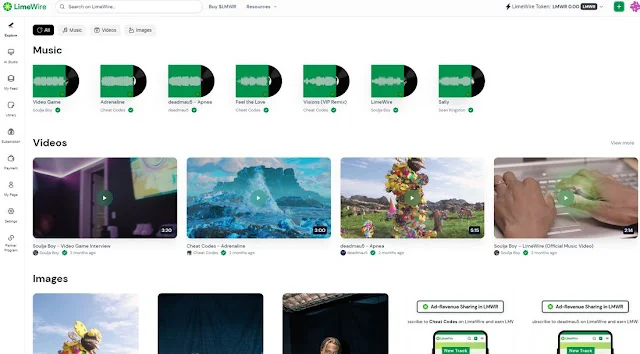
The resurgence of LimeWire is particularly noteworthy given its past association with legal battles and copyright infringement issues that ultimately led to the original service’s demise in 2010. This new iteration, however, is built on a foundation of innovation and legal compliance, focusing on the burgeoning field of artificial intelligence. The platform invites users to register and engage in the creation of original AI-generated content, which can then be published and showcased on its integrated platform, LimeWire Studio. This inclusive approach has already attracted notable figures in the entertainment industry, including Deadmau5, Soulja Boy, and Sean Kingston, who are utilizing LimeWire to publish unique forms of content, ranging from NFT music and videos to AI-generated imagery.
Beyond mere content creation, LimeWire is actively fostering a creator economy by integrating robust monetization models. These include avenues for earning ad revenue directly from content viewership and participation in the rapidly expanding Non-Fungible Token (NFT) market. The platform’s strategy is to democratize the creation and ownership of digital art, offering a compelling alternative to traditional content distribution channels.
The Genesis of the New LimeWire
The journey from a controversial file-sharing service to an AI-powered creative hub is a testament to strategic reinvention. The original LimeWire, launched in 2000, became a household name for its ease of use in sharing digital music files. However, its widespread use for distributing copyrighted material led to significant legal challenges from the music industry, culminating in a landmark lawsuit filed by the Recording Industry Association of America (RIAA). By 2010, the legal pressure became insurmountable, forcing the original LimeWire to cease operations.
The reemergence of the LimeWire brand, spearheaded by a new ownership team, began with a strategic acquisition and a clear vision to pivot towards emerging technologies. Recognizing the transformative potential of AI, the company invested heavily in developing a platform that would harness these capabilities for creative professionals. The rebranding and relaunch as an AI content publishing platform represent a deliberate effort to shed its controversial past and embrace a future built on innovation and creator empowerment. This strategic shift positions LimeWire to capitalize on the growing demand for AI-generated content and the underlying blockchain technologies that enable digital ownership.
LimeWire AI Studio: A Hub for AI-Powered Creativity
LimeWire Studio serves as the central nexus for all AI-powered creation on the platform. Currently, the primary focus is on AI image generation, providing users with a powerful yet accessible suite of tools. The platform is built upon sophisticated AI models, including Stable Diffusion 2.1, Stable Diffusion XL, and DALL-E 2, offering a diverse range of capabilities for generating unique visual art.
The user interface is designed to cater to a broad spectrum of users, from beginners to seasoned artists. Users can initiate the creative process with simple text prompts, or delve into more complex instructions to achieve highly specific artistic outcomes. The platform’s strength lies in its flexibility and the seamless integration of different AI models and artistic styles. Users can fluidly switch between various AI models and explore a multitude of design aesthetics, including cinematic, digital art, pixel art, anime, and analog film, among others. Each style imbues the generated art with a distinct visual character, allowing for extensive creative exploration.
Further enhancing the user experience are features such as samplers, which allow for fine-tuning of image quality and detail. Comprehensive customization options and prompt guidance are also integrated, ensuring an intuitive and supportive environment for creators of all skill levels.
Looking ahead, LimeWire has ambitious plans to expand its generative AI offerings beyond images. The company has publicly stated its intention to introduce AI music and video generation tools in the near future. This strategic expansion is expected to further solidify LimeWire Studio’s position as a dynamic and evolving platform within the AI content creation space, providing creators with an even broader canvas for their artistic endeavors.
The platform’s commitment to staying at the forefront of AI innovation is further underscored by its development of a proprietary AI model. This internal development signifies a long-term investment in enhancing its generative capabilities and offers the promise of unique features and improved performance for its user base, making LimeWire a continually evolving entity in the AI art landscape.
The NFT Integration: Automating Digital Ownership
A cornerstone of LimeWire’s innovative approach is its seamless integration of Non-Fungible Tokens (NFTs). Upon completion of a creative project within LimeWire, users are presented with the option to publish their work. A key feature of this process is the automatic minting of the creation as an NFT, leveraging either the Polygon or Algorand blockchain. This automated minting process imbues digital artwork with a unique digital signature, establishing verifiable authenticity and ownership within the decentralized digital realm.
LimeWire empowers creators with granular control over the accessibility of their NFT creations. They can opt for a public release, making their content discoverable by a global audience, which in turn fosters community engagement and opens avenues for trading these digital assets. This public accessibility is crucial for building a vibrant marketplace around creator content.
Conversely, the platform recognizes the value of exclusivity. Creators can choose to restrict access to their posts, making them available only to their premium subscribers. This option cultivates a more intimate and personalized connection between creators and their dedicated fan base, offering exclusive digital collectibles that hold value within the LimeWire community. This dual approach to content sharing underscores LimeWire’s commitment to providing creators with flexible tools to manage their audience engagement and distribution strategies.
Monetization Strategies: Earning from Digital Creations
LimeWire is architected to provide multiple avenues for creators to generate revenue from their digital output. A significant component of this is the direct earning of ad revenue from user engagement. When creators publish content on LimeWire, they are entitled to a substantial portion of the ad revenue generated from other users who view their images, music, and videos on the platform. Specifically, creators receive 70% of all ad revenue generated from their published content. This model is particularly beneficial for digital artists and designers, enabling them to experiment with AI tools and earn a supplementary income from their creations.
The earnings generated through this model are distributed in the form of LMWR tokens, LimeWire’s native cryptocurrency. These tokens are paid out monthly and can be traded on numerous popular cryptocurrency exchange platforms, including Kraken, ByBit, and UniSwap, offering creators liquidity and flexibility in managing their earnings. Furthermore, LMWR tokens can also be utilized within the LimeWire ecosystem to pay for prompts when using the platform’s generative AI tools, creating a self-sustaining economy for content creation and consumption.
Beyond ad revenue, the NFT marketplace provides another significant monetization stream. Creators earn a 2.5% royalty on every subsequent trade of their content within the LimeWire community. This passive income stream incentivizes the creation of valuable and sought-after digital assets, fostering a long-term relationship between creators and collectors.
Pricing and Accessibility: A Tiered Approach to Engagement
LimeWire adopts a freemium model, ensuring accessibility while offering enhanced features and benefits through premium subscription plans. The free tier allows users to sign up and utilize the AI tools without charge, receiving 10 credits which typically translate to approximately 20 AI image generations per day. Free users also benefit from a 50% ad revenue share. This entry-level offering provides a low-barrier entry point for individuals to explore the capabilities of AI-generated content creation.
For users seeking more extensive capabilities, LimeWire offers several premium plans:
- $9.99 per month: This tier provides 1,000 credits per month, supporting up to 2,000 image generations. Subscribers also gain early access to new AI models and maintain the 50% ad revenue share.
- $29 per month: This plan offers 3,750 credits per month, enabling up to 7,500 image generations. It includes early access to new AI models and an increased ad revenue share of 60%.
- $49 per month: Subscribers receive 5,000 credits per month, facilitating up to 10,000 image generations. This tier also includes early access to new AI models and a 70% ad revenue share.
- $99 per month: The highest tier provides 11,250 credits per month, supporting up to 22,500 image generations. It includes early access to new AI models and the maximum 70% ad revenue share.
All premium plans come with additional perks such as a Pro profile badge, full access to creation history, faster image generation speeds, and an ad-free experience. These tiered offerings are designed to cater to a range of user needs, from casual experimenters to professional creators seeking to maximize their output and revenue.
Broader Implications and Future Outlook
The reinvention of LimeWire signifies more than just a rebranding; it represents a strategic adaptation to the evolving digital economy, driven by the transformative power of AI and blockchain technology. By offering a platform that democratizes content creation, ownership, and monetization, LimeWire is contributing to the decentralization of the creative industries. This shift empowers individual creators, reducing their reliance on traditional intermediaries and enabling them to build direct relationships with their audience.
The integration of NFTs addresses the long-standing challenge of digital asset ownership and provenance. For creators, this means their work can be verifiably owned and traded, creating new value streams and fostering a more sustainable creative career path. The royalty system embedded within NFT transactions ensures that creators continue to benefit from their work long after its initial sale, a significant improvement over traditional digital content models.
The planned expansion into AI music and video generation further broadens the platform’s appeal and potential impact. As AI technology continues to advance, tools that can generate sophisticated audio and visual content will become increasingly vital for creators across various disciplines. LimeWire’s proactive approach in incorporating these future technologies positions it as a forward-thinking platform, anticipating and shaping the future of digital creativity.
The accessibility of free AI tools on LimeWire is a crucial factor in its potential for widespread adoption. By allowing anyone to experiment with generative art, the platform democratizes access to sophisticated creative technologies, potentially uncovering new talent and fostering a more inclusive creative landscape.
In conclusion, LimeWire’s transition from its controversial past to its present as an innovative AI content publishing platform is a compelling narrative of digital evolution. It offers a glimpse into a future where artificial intelligence and blockchain technology empower creators, foster new forms of digital ownership, and reshape the economics of the creative industries. As the platform continues to expand its offerings and refine its technology, it is poised to play a significant role in the ongoing digital revolution, inviting a new generation of creators to explore the boundless possibilities of AI-driven art and content.
About the Author