Following the intensive 48 or 72-hour development sprint that characterized Ludum Dare 56, which officially concluded on October 7th, 2024, the global game development community witnessed an extraordinary outpouring of creativity centered around the theme "Tiny Creatures." This biannual event, a cornerstone of indie game innovation, once again challenged developers to conceptualize, design, and implement fully playable games under immense time pressure. With over 800 unique submissions bearing the "Ludum Dare 56" tag now accessible on itch.io, the digital marketplace has continued its commitment to spotlighting these emergent works. This report delves into a second curated selection of recommended titles, offering a glimpse into the diverse interpretations and technical ingenuity demonstrated by participants.
Understanding Ludum Dare: A Global Game Development Phenomenon
Ludum Dare, an event whose name derives from Latin for "to make a game," stands as one of the oldest and largest game jams globally. Initiated in 2002 by Geoff Keighley and later significantly shaped by Mike Kasprzak, it has evolved from a niche online gathering into a colossal international competition. Its fundamental premise is elegantly simple yet profoundly challenging: participants must create a video game from scratch within a severely restricted timeframe, all while adhering to a universally announced theme.
The event typically operates under two distinct tracks:
- The Compo: A rigorous 48-hour challenge where participants work solo, creating all art, audio, and code themselves. This demands intense focus and rapid iteration.
- The Jam: A more forgiving 72-hour track that allows for teams and the use of pre-existing assets, provided they are publicly disclosed. This track often fosters collaboration and allows for slightly more ambitious projects.
The theme for each Ludum Dare is selected through a community-driven voting process, ensuring broad developer engagement from the outset. For Ludum Dare 56, "Tiny Creatures" emerged as the chosen motif, a deceptively simple concept that proved to be a fertile ground for imaginative interpretations, ranging from literal portrayals of insects and microorganisms to metaphorical explorations of small-scale systems, insignificant protagonists, or microscopic interactions within larger worlds. The sheer volume of submissions—over 800 games on itch.io alone—underscores the theme’s resonance and the community’s vibrant engagement.
itch.io: A Vital Platform for Indie Innovation and Discovery
itch.io has cemented its position as an indispensable platform for independent game developers, offering an open and creator-friendly marketplace that prioritizes direct engagement between developers and players. Its infrastructure is particularly well-suited for hosting game jam entries, providing easy upload, tagging, and discovery mechanisms. This symbiotic relationship sees Ludum Dare developers flocking to itch.io to share their creations, while itch.io actively champions these projects, often featuring them on its blog and front page. The platform serves not only as a repository but also as a launchpad, offering crucial visibility to nascent games that might otherwise be overlooked in a crowded digital landscape. Thousands of game jam entries are hosted on itch.io annually, making it a critical hub for experimental game design and emerging talent.
Ludum Dare 56: A Deep Dive into "Tiny Creatures"
The Ludum Dare 56 event unfolded from October 4th to October 7th, 2024. During this intense weekend, developers worldwide grappled with the "Tiny Creatures" theme. The constraint of time, far from being limiting, often serves as a catalyst for innovation, forcing participants to prioritize core mechanics, distill their ideas to their essence, and embrace creative problem-solving. The resulting games, as showcased in itch.io’s curated lists, demonstrate a remarkable breadth of genres, artistic styles, and narrative approaches, all unified by the central theme.
Following an initial set of recommendations, itch.io has unveiled a second wave of standout titles from Ludum Dare 56, further illustrating the depth and diversity of the submissions. These games collectively embody the spirit of the jam, pushing boundaries and showcasing the boundless potential of independent game development.
Spotlight on Innovation: itch.io’s Curated Selections (Second Wave)
Here, we explore a selection of games that exemplify the creative interpretations of "Tiny Creatures" and the ingenious mechanics born from the Ludum Dare 56 challenge:
-
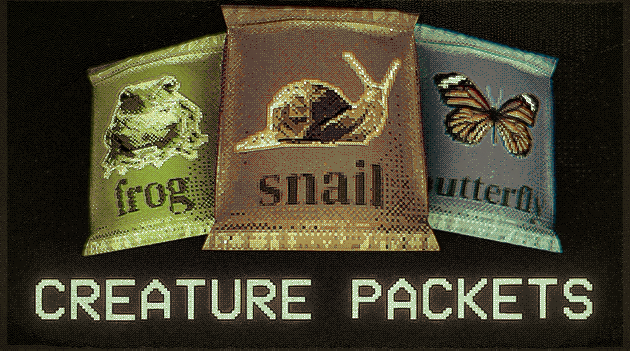
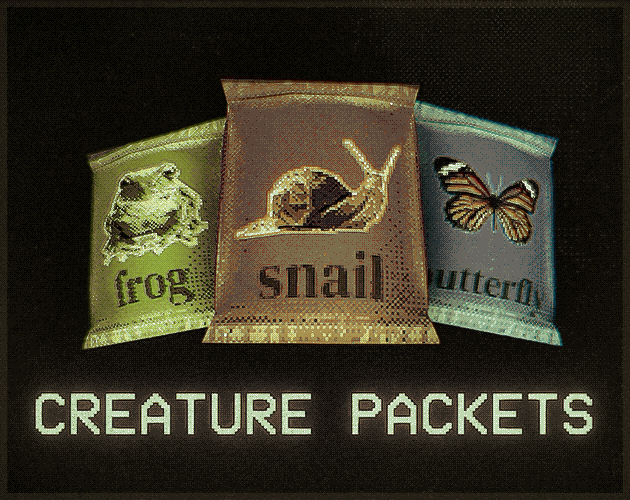
Creature Packets by Kenforest: This title immediately captivates with its distinct PS1-era aesthetic, evoking a nostalgic yet unsettling atmosphere. "Creature Packets" is an unconventional cooking game where players are tasked with bringing various "tiny creatures" to life from packets using a microwave. The gameplay loop extends beyond simple revival, encouraging experimentation with a blender to discover new "substance packages," which in turn unlock more exotic creatures to cook. This unique blend of creature collection, resource management, and culinary experimentation offers a darkly humorous take on the theme, pushing players to explore the boundaries of creation and destruction within a low-poly world. It is currently available for Windows, providing a desktop experience for players.
-
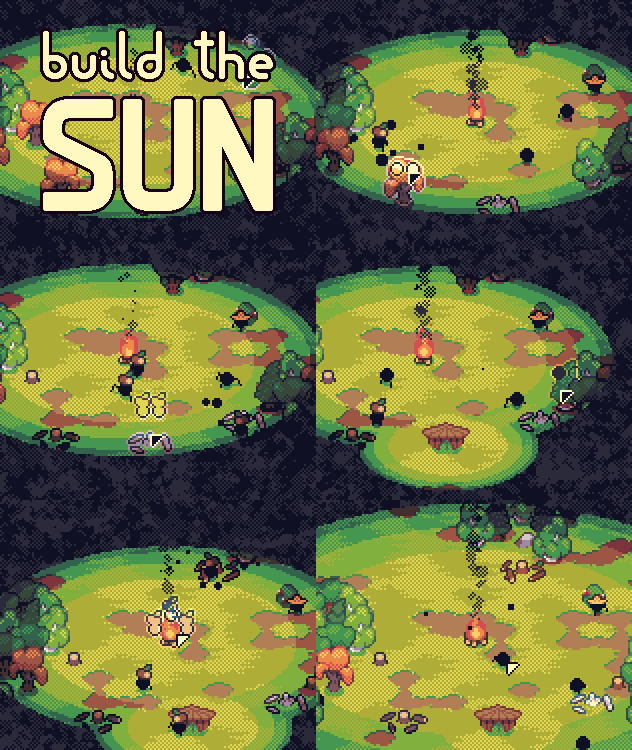
Build The Sun by Punkcake: A grand-scale "god game" encapsulated within the "Tiny Creatures" theme, "Build The Sun" challenges players to nurture a nascent world from a humble spark to a celestial powerhouse. Players engage in exploration, resource gathering, and the establishment of settlements, all contributing to the gradual upgrade of their foundational "fire" until it blossoms into a sun. The pixel-art aesthetic provides a charming visual wrapper for this expansive yet miniature simulation, where the player’s "tiny" actions have monumental cosmic consequences. This game showcases the imaginative elasticity of the theme, demonstrating how "tiny" can refer to the initial state of a grand endeavor. It offers broad accessibility across Windows, macOS, and Linux platforms.
-
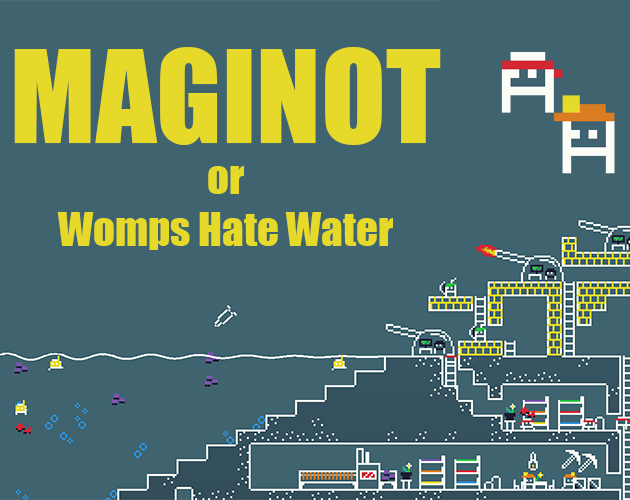
Maginot by Vfqd: This incremental colony builder offers a compelling narrative of survival against overwhelming odds. Players must dig deep into the earth to extract vital minerals, expanding their colony and attracting new inhabitants known as "Womps." The core conflict revolves around "battling the sea," a constant and formidable threat that looms over the burgeoning settlement. The ultimate objective—to "obliterate the sea"—adds a layer of epic ambition to an otherwise "tiny" struggle for existence. Its incremental nature provides a satisfying loop of progression, while the unique premise offers a fresh perspective on resource management and base-building. As a browser-playable title, "Maginot" is readily accessible to a wide audience.
-
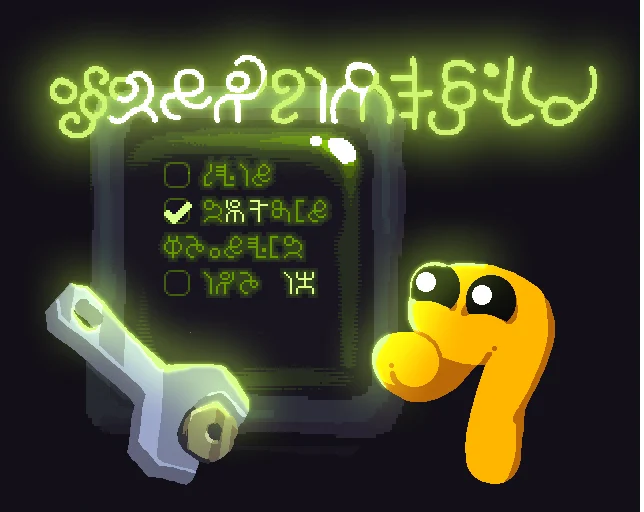
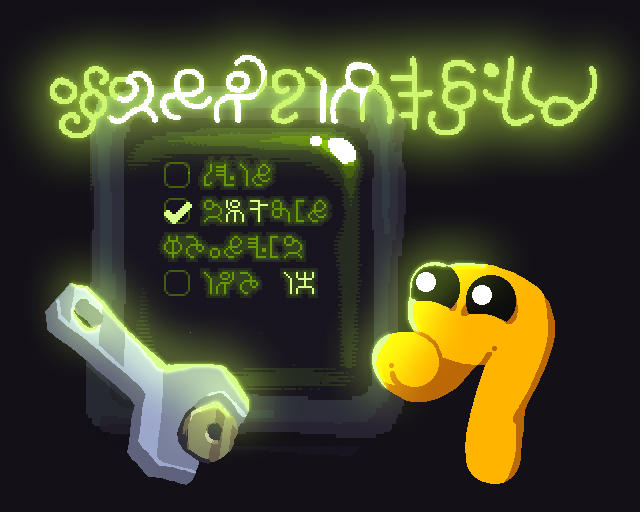
Headquarters by Yogurtthehorse: Shrouded in an air of mystery, "Headquarters" is a point-and-click simulation game that deviates from conventional narratives. The primary objective involves "deciphering the alphabet," suggesting a cryptic puzzle-solving experience rooted in linguistic exploration. The game’s abstract nature and focus on symbolic interaction invite players to engage with its world on an intellectual level, interpreting its hidden meanings and unraveling its secrets. The "tiny" aspect might refer to the subtle clues, the intricate system of language, or the focused environment of the "headquarters" itself. Its availability across browser, Windows, Linux, and macOS platforms ensures broad reach.
-
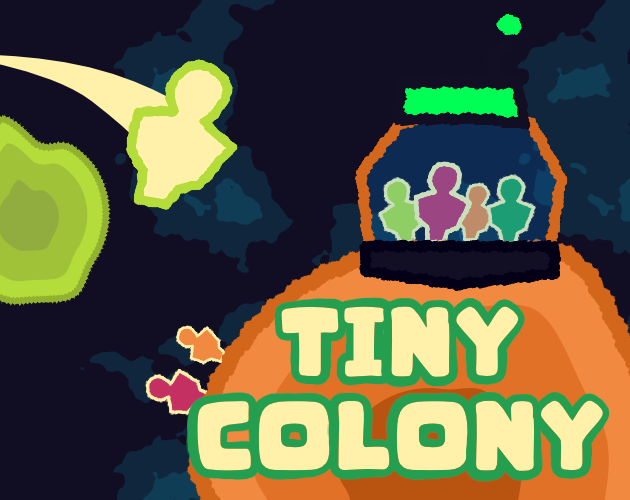
Tiny Colony by Mreliptik: Embracing the literal interpretation of "tiny creatures" in a vast cosmos, "Tiny Colony" is a physics-based strategy game centered around interplanetary travel and colonization. Players launch their diminutive inhabitants across space using an "interplanetary slingshot system," leveraging planetary gravity to their advantage while skillfully avoiding cosmic obstacles and the perilous void. The game masterfully blends precision timing with strategic trajectory planning, offering a challenging yet rewarding experience. The contrast between the "tiny" colonists and the immensity of "space" highlights the theme’s potential for scale manipulation. "Tiny Colony" is available in browser, for Windows, Linux, and Android, showcasing impressive cross-platform development.
-
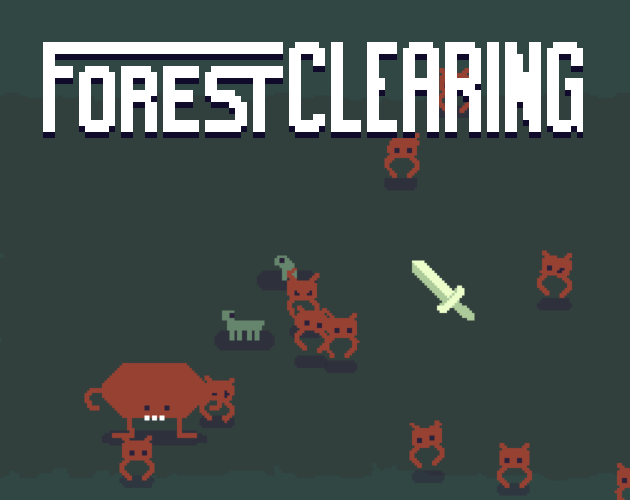
FOREST CLEARING by Jefvel: This game presents a darkly humorous take on protection and sacrifice. Players wield a sword to defend their "small friends" in a forest environment. However, the game introduces a morally ambiguous twist: players can also "harvest them for meat" to purchase upgrades after an inevitable death. This creates a fascinating risk-reward loop where players must balance altruism with pragmatism, constantly weighing the immediate need for survival against the ethical implications of their actions. The "tiny" friends become both assets and liabilities, driving a unique resource management system. "FOREST CLEARING" is playable in browser and available for Windows.
-
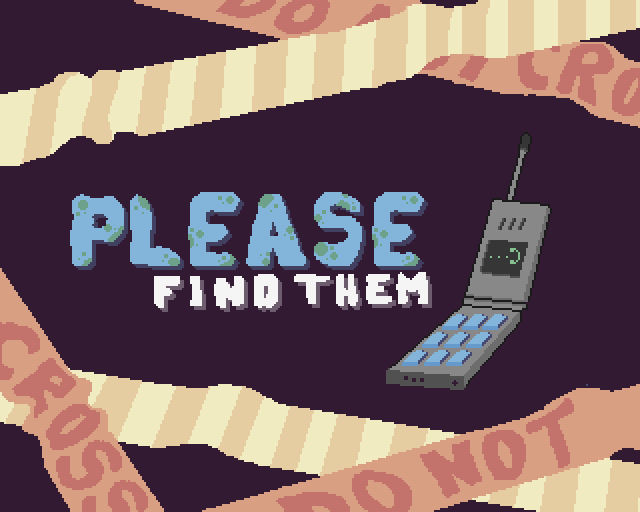
Please Find Them by Adamlenglen: A classic hidden object game with a charmingly peculiar premise, "Please Find Them" casts players as an exterminator tasked with locating minuscule creatures that have inexplicably shrunk within various household environments. This interpretation of "Tiny Creatures" focuses on perception and meticulous observation. Players must scan detailed scenes, identifying the cleverly disguised or camouflaged creatures amidst everyday clutter. The challenge lies in the minute details and the sheer number of elements within each scene, making the "tiny" nature of the creatures central to the gameplay. This browser-based game offers a relaxing yet engaging puzzle experience.
-
Fear of the Ungnome by Scottts: Combining first-person exploration with puzzle-solving, "Fear of the Ungnome" embarks players on a whimsical quest to locate their Great Aunt’s elusive gnome. The game features procedurally generated elements, ensuring a fresh experience with each playthrough as players navigate ever-changing environments to uncover clues and solve riddles. The "tiny" gnome serves as the central enigma, driving the exploration and discovery. The procedural generation adds significant replayability, inviting players to repeatedly delve into its peculiar world. It is available for play in browser and on Windows.
-
Mini Beasts by Cassowary: A straightforward yet addictive puzzle game, "Mini Beasts" challenges players to rearrange colorful critters to match their respective hues. The simplicity of the premise belies a potential for complex strategic thinking as players learn to manipulate the board and anticipate future moves. The "tiny beasts" themselves are the core puzzle pieces, making their small size integral to the game’s visual and mechanical design. This browser-based title exemplifies how a focused interpretation of the theme can lead to a highly polished and engaging gameplay loop, proving that "tiny" mechanics can yield significant enjoyment.
-
Vox Regis by Sheepolution: This medieval strategy game offers a truly innovative and thematic experience, leveraging voice-controlled mechanics. Players assume the role of a king whose primary objective is to maintain power by "creating chaos to keep rebellious groups small in size." The unique twist is the use of one’s own voice to "lay blame on factions," manipulating the populace and preventing any single group from growing too powerful. The "tiny" aspect here refers to the fragmented, controllable size of the rebellious factions. This innovative use of voice input transforms the traditional strategy genre into a dynamic and immersive experience, highlighting how technology can be creatively integrated into game design. "Vox Regis" is accessible in browser, on Windows, macOS, and Linux.
The Broader Impact of Game Jams on Indie Development
Events like Ludum Dare are far more than just competitions; they are crucial incubators for talent and innovation within the independent game development scene.
- Innovation Hotbed: Game jams provide a low-risk environment for developers to experiment with novel mechanics, unconventional themes, and unique artistic styles. Many ideas that start in a jam later evolve into full-fledged commercial titles, demonstrating their potential as testing grounds for groundbreaking concepts.
- Skill Development: The intense pressure of a game jam forces participants to rapidly acquire new skills, master tools, and practice efficient project management. It’s a condensed learning experience that significantly sharpens a developer’s abilities.
- Community Building: Ludum Dare fosters a strong sense of community, encouraging collaboration, feedback, and mutual support among developers worldwide. This networking aspect is invaluable for indie creators.
- Visibility and Talent Scouting: Platforms like itch.io amplify the reach of these jam entries, offering crucial visibility to emerging talents. Publishers and investors often scout game jam showcases for promising concepts and developers, turning a weekend project into a potential career launchpad.
- Accessibility: By emphasizing rapid prototyping and creative constraints, game jams lower the barrier to entry for aspiring developers, allowing them to create and showcase a complete game without extensive resources.
The conclusion of Ludum Dare 56 and the subsequent review period highlight the enduring vibrancy and ingenuity of the global indie game development community. The "Tiny Creatures" theme proved to be a powerful catalyst, inspiring a breathtaking array of experiences, from nostalgic cooking simulations to cosmic colonization efforts and voice-controlled medieval politics. itch.io’s continued dedication to curating and promoting these creations ensures that the fruits of these intense development sprints receive the recognition they deserve, further cementing the platform’s role as a cornerstone of independent game discovery. Developers and enthusiasts are encouraged to explore the full spectrum of Ludum Dare 56 games on itch.io, experiencing firsthand the boundless creativity born under pressure.
About the Author