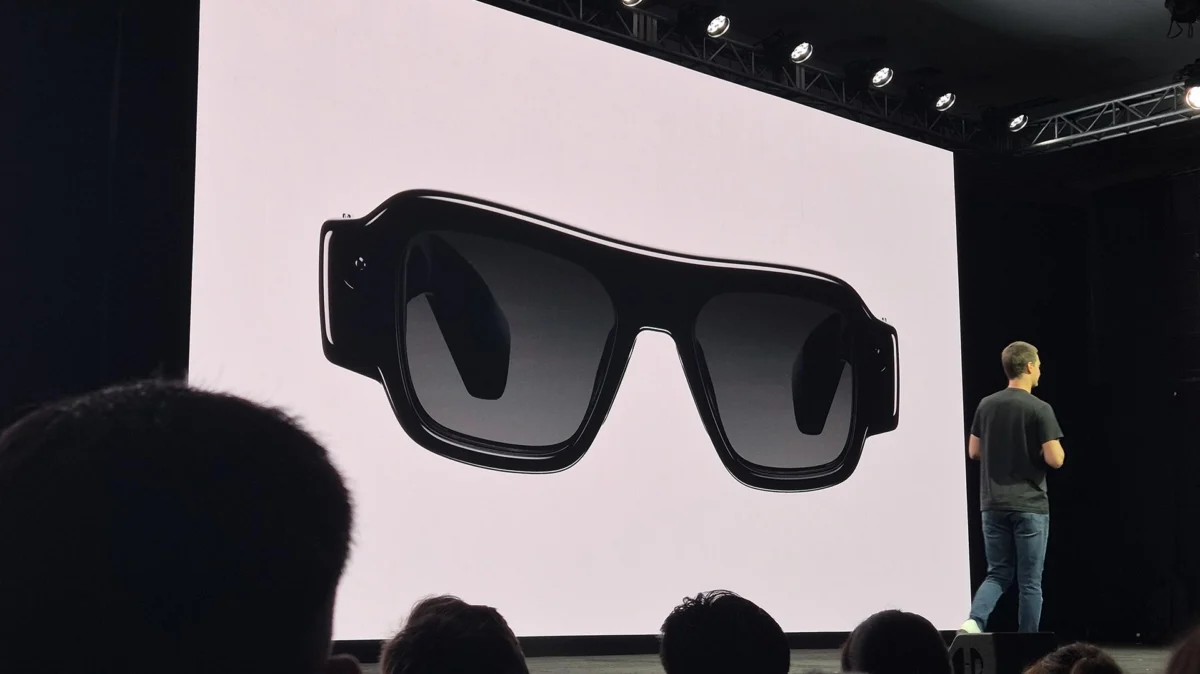
Snap Inc. has officially announced a high-profile launch event scheduled for September 16, 2024, at 4:00 pm PT, marking a pivotal moment for the company’s augmented reality (AR) hardware division. The event is expected to serve as the comprehensive unveiling of the latest iteration of Spectacles, Snap’s proprietary AR glasses. While initial details regarding the device were teased by CEO Evan Spiegel during the Augmented World Expo (AWE) earlier this year, the company has historically withheld specific technical specifications and restricted hands-on access. Industry analysts anticipate that this September presentation will finally provide the "specs of Specs," including display resolution, battery life, field of view (FOV), and a definitive commercial release date.
According to official corporate communications, the event will offer the first in-depth demonstration of how the new hardware integrates artificial intelligence (AI) assistance, professional productivity tools, and immersive entertainment. The narrative surrounding the device emphasizes a "present-focused" user experience, aiming to blend digital utility with physical social interaction. This launch comes at a critical time for Snap as it seeks to maintain its foothold in the AR wearable market against intensifying competition from both established tech giants and specialized hardware startups.
The Resurrection of AltspaceVR under SideQuest Leadership
In a move that has sparked significant discussion within the social VR community, SideQuest CEO Shane Harris has announced plans to reboot AltspaceVR. Originally shuttered by Microsoft in early 2023 as part of broader corporate restructuring and a shift toward Mesh, AltspaceVR was one of the earliest and most beloved social platforms in the virtual reality ecosystem. Harris revealed on Reddit that his team has acquired the rights to the Altspace name and intends to develop a spiritual successor that modernizes the platform while retaining its core identity.

To ensure continuity and authenticity, SideQuest has reportedly rehired several key members of the original AltspaceVR development team, including Christian Boe, the designer responsible for the platform’s iconic robot avatars. This announcement follows a previously unsuccessful attempt by an unrelated group to revive the platform using the BasisVR framework, a project that failed to gain community traction due to its integration of controversial cryptocurrency features. In contrast, the SideQuest-led initiative has been met with cautious optimism, given the company’s established reputation for supporting the independent VR developer ecosystem. However, industry observers note that the social VR landscape has changed significantly since AltspaceVR’s inception, with platforms like VRChat and Gorilla Tag now dominating the market, presenting a challenge for any legacy reboot attempting to reclaim its former user base.
Meta Reality Labs Financial Performance and Hardware Leaks
Meta Platforms Inc. released its second-quarter earnings report for 2024, revealing that its Reality Labs division—the wing responsible for VR, AR, and metaverse development—recorded an operating loss of $4.62 billion. While the figure represents a substantial financial deficit, it performed better than the $5 billion loss predicted by many Wall Street analysts. This financial data underscores Meta’s ongoing commitment to its long-term spatial computing roadmap despite high capital expenditures and slow immediate returns on investment.
Simultaneously, data miners have uncovered significant information regarding upcoming Meta hardware within the latest Quest firmware updates. Codenamed "Puffin" (and alternatively referred to as Phoenix or Loma), the leaked setup UI images suggest a device that is considerably smaller and more lightweight than the current Quest 3. The blurred nature of the leaked imagery has led some experts to speculate that these were "controlled leaks" designed to sustain consumer interest ahead of the Meta Connect conference. The "Puffin" device is rumored to focus on a "glasses-like" form factor, potentially utilizing a tethered processing unit or external battery pack to achieve its reduced weight.
Apple’s Pivot Toward AR Fitness Solutions
Following the launch of the Vision Pro, Apple is reportedly recalibrating its strategy for future wearable "vision" products. Reports from Bloomberg suggest that Apple is increasingly viewing fitness as the primary driver for its upcoming lightweight AR glasses. While Apple originally explored integrating the Fitness+ suite into the Vision Pro, the headset’s weight—approximately 600–650 grams—proved prohibitive for high-intensity physical activity.

A recent job listing from Apple’s Vision Products Group supports this shift, seeking a strategic product design leader to "define the future of health, well-being, and fitness experiences across vision products." By positioning AR glasses as a fitness companion, Apple may be attempting to bypass the privacy and social stigmas that have historically hindered the adoption of smart glasses. This strategy aligns with Apple’s existing success in the health sector via the Apple Watch, suggesting a synergistic ecosystem where glasses provide real-time biometric overlays during workouts.
Regulatory Milestones and Market Incentives
The hardware sector saw further movement this week as Valve’s rumored "Steam Frame" passed through FCC certification. In the United States, FCC approval is a mandatory regulatory step that typically signals a product is within 30 to 90 days of a commercial launch. While Valve has remained characteristically silent regarding the device’s specific function, the growing list of titles categorized as "Great on Steam Frame" in the Steam database suggests a specialized VR or AR interface designed to streamline the PCVR experience.
In the consumer market, Sony has initiated a significant price reduction for the PlayStation VR2 (PSVR2), offering the unit for $300 in the United States through mid-August. This 45% discount from its original $550 launch price is seen as an effort to clear inventory and stimulate adoption following the announcement of the PSVR2 PC adapter. At this price point, the PSVR2 becomes the most affordable high-fidelity VR headset on the market featuring OLED displays and eye-tracking technology, positioning it as a direct competitor to the Meta Quest 3.
Emerging Hardware and Content Transitions
Unseen Reality has announced the Kickstarter launch for its URXR One mixed reality (MR) glasses, scheduled for August 4. Weighing only 93 grams, the device utilizes the GravityXR reference design, which emphasizes a sunglass-style form factor. Unlike traditional optical AR, the URXR One uses high-resolution "screen-through" MR to replace traditional monitors. The campaign targets a mid-October 2026 shipping date with a projected retail price of $800. However, market analysts warn that hardware Kickstarters often serve more as marketing vehicles for pre-orders rather than essential funding rounds, and frequently face production delays.

The software landscape is also undergoing a period of consolidation. The developers of the multiplayer shooter HyperDash announced the imminent shutdown of the game’s servers. In an unusual and consumer-friendly move, the studio released a final "legacy" update that enables a permanent single-player mode, allowing owners to retain access to the content offline. This practice is being highlighted by digital preservationists as a model for how developers should handle the end-of-life cycle for "always-online" titles.
Finally, Meta has introduced "XR Operator," a new tool designed to allow AI coding agents to autonomously test VR applications. By simulating user interactions within a virtual environment, the tool enables developers to use Large Language Models (LLMs) to identify bugs and optimize UI/UX without manual intervention. This development, combined with recent demonstrations by AI researchers like Andrej Karpathy showing AI-generated virtual worlds, suggests that the next phase of XR content creation will be heavily reliant on automated procedural generation and AI-driven quality assurance.
About the Author