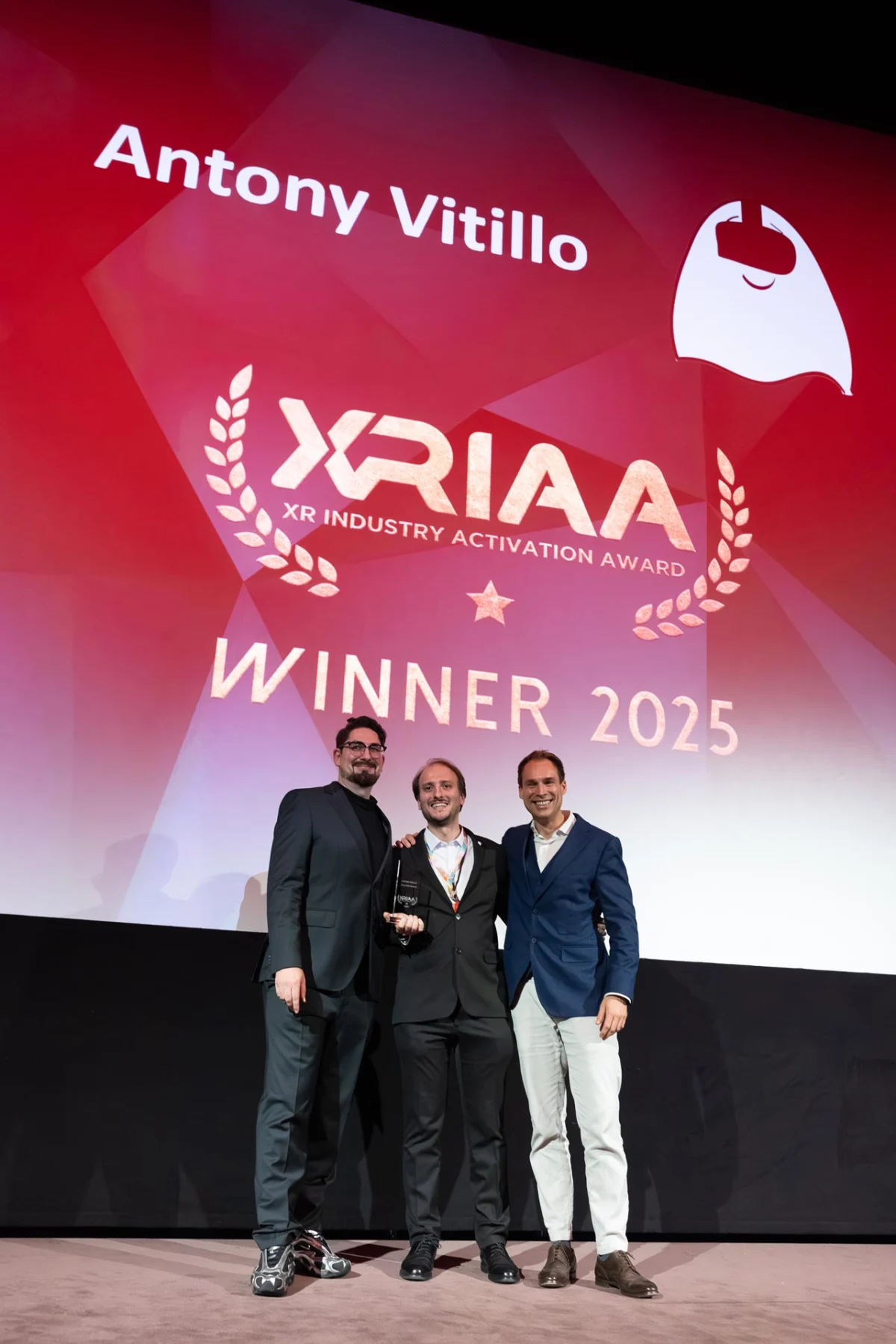
The independent extended reality (XR) journalism landscape marked a significant milestone this month as the technical publication known as The Skarred Ghost celebrated its tenth anniversary of continuous operation. Established in late 2014, the platform has transitioned from a niche experimental project into a globally recognized source of analysis for virtual reality (VR), augmented reality (AR), and mixed reality (MR) technologies. This decade of operation mirrors the most volatile and transformative period in the history of spatial computing, beginning with the early developer kits of the modern era and extending to the current age of high-end consumer headsets and enterprise-grade spatial workstations.
A Decade of Independent Technical Analysis
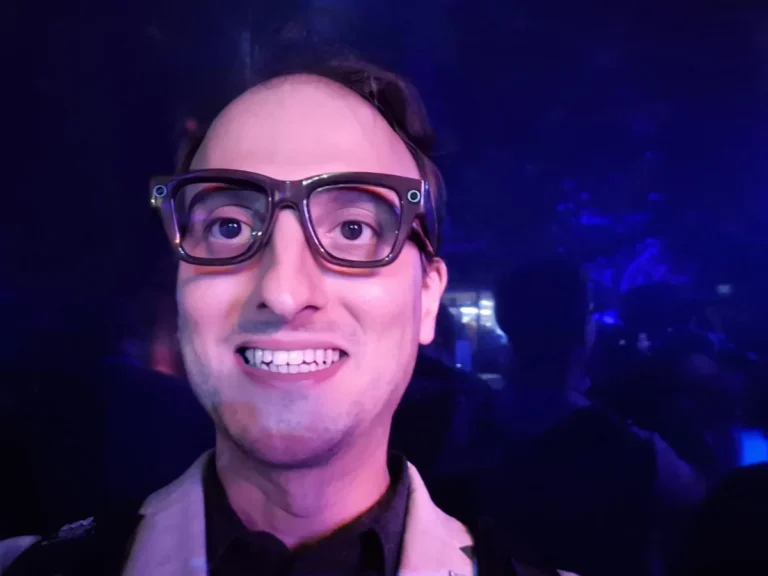
Founded by a developer and entrepreneur based in Turin, Italy, the blog was initially conceived as a short-term experiment in technical communication. At its inception, the founder, known in the industry as Antony Vitillo, anticipated a lifespan of perhaps one year, citing concerns over audience reach and the sustainability of independent tech blogging. However, the platform persisted, eventually becoming a cornerstone of the VR community by providing a bridge between high-level software development and consumer-facing hardware reviews.
The longevity of the platform is particularly notable given the shifting dynamics of digital media. While many independent outlets have folded under the pressure of social media algorithms and the decline of long-form written content, this publication has maintained its presence through a combination of technical deep dives, industry interviews, and a commitment to objective reporting. The founder’s background as a developer has allowed the site to offer insights that transcend typical consumer electronics reviews, focusing instead on the underlying architecture and developer experience of emerging platforms.
Chronology of Growth and Industry Integration
The history of the blog is inextricably linked to the trajectory of the XR industry itself. When the platform launched in 2014, the industry was largely defined by the excitement surrounding the Oculus Rift DK2 and the nascent Google Cardboard. Over the following ten years, the publication documented several pivotal shifts in the technological landscape:

- 2014–2016: The Dawn of Consumer VR. The blog provided early coverage of the transition from developer prototypes to the commercial launches of the HTC Vive and the original Oculus Rift.
- 2017–2019: The Pivot to Standalone Hardware. As the industry moved toward tetherless solutions, the platform offered critical analysis of devices like the Oculus Go and the first-generation Quest, highlighting the trade-offs between mobility and graphical fidelity.
- 2020–2022: Global Expansion and Enterprise Adoption. Despite the challenges posed by global lockdowns, the publication expanded its reach, facilitating interviews with high-ranking executives such as Alvin Wang Graylin and documenting the rise of VR as a tool for remote collaboration.
- 2023–2025: The Era of Spatial Computing. Most recently, the blog has focused on the convergence of AR and VR, analyzing the impact of devices like the Apple Vision Pro and the Meta Quest 3 on the broader computing market.
Throughout this timeline, the platform has moved beyond digital commentary to physical presence at major global events. The founder’s travels have included technical tours of major Chinese tech hubs, including the headquarters of Huawei and Alibaba, as well as participation in European tech summits in Finland and Germany.
Financial and Structural Challenges of Independent Media
The ten-year milestone also brings into focus the significant logistical and financial hurdles faced by independent journalists in the tech sector. Operating a dedicated XR platform requires substantial capital investment, covering website maintenance, server costs, and the high expense of international travel to attend industry-defining events such as CES, AWE, and Mobile World Congress.
Data suggests that the majority of independent tech blogs fail within the first three years due to the inability to monetize niche content effectively. The Skarred Ghost has navigated these challenges through a diversified support model. This includes a dedicated Patreon community and support from industry partners such as DeoVR, which has provided financial backing without exercising editorial control. Furthermore, collaborations with established hardware manufacturers like NVIDIA and Dell have allowed the platform to maintain a professional standard of hardware testing and reporting.
The founder has noted that the project remains a "side gig" maintained alongside a primary career as a developer. This dual role has been described as both a burden and a benefit: while it limits the time available for content creation, it ensures that the reporting remains grounded in practical, real-world engineering experience rather than purely speculative journalism.
Recognition and Industry Impact
The impact of the publication has been validated by several professional accolades. Most notably, the blog received the XRIAA award in Germany, a recognition of its contribution to the global XR ecosystem. Such awards highlight the value the industry places on independent voices that can provide honest, sometimes critical, assessments of new products.

Beyond formal awards, the platform’s influence is measured by its role in the "human connection" aspect of the industry. By providing visibility to small-scale projects and independent developers, the blog has functioned as an incubator for ideas that later gained mainstream traction. The founder has emphasized that the most significant achievement of the decade is the establishment of a global network of professionals, moving beyond the local Italian tech scene to engage with the worldwide VR community.
Future Outlook: Navigating the AI and Short-Form Era
As the platform enters its second decade, it faces a new set of challenges characterized by the rise of "AI slop"—low-quality, automated content—and the dominance of short-form video formats such as TikTok and YouTube Shorts. The founder has expressed concern regarding the future of long-form, informative text, which remains the core of the blog’s identity.
Industry analysis suggests that while short-form video is dominant for entertainment, there remains a critical need for high-fidelity technical documentation and long-form investigative journalism. The Skarred Ghost intends to address this by focusing on "real and informative" content that cannot be easily replicated by generative AI models.
To celebrate the decennial anniversary, the publication has announced a series of special initiatives for the 2025 calendar year. These include:
- Legacy Lessons: A series of articles detailing the technical and professional lessons learned from a decade in the XR trenches.
- High-Profile Interviews: A curated selection of conversations with industry leaders and pioneers.
- Community Engagement: Potential "Ask Me Anything" (AMA) sessions on platforms like Reddit to foster direct dialogue with readers.
- Field Reports: Continued on-the-ground reporting from major VR events, maintaining the platform’s commitment to firsthand observation.
The tenth anniversary of The Skarred Ghost serves as a testament to the endurance of independent technical media. In an era where information is often fragmented and incentivized by clicks, the persistence of a developer-led, objective-focused platform provides a vital service to the professional XR community. As the industry moves toward the next generation of spatial computing, the role of experienced, independent analysts will likely become even more critical in distinguishing technological substance from marketing hype.
About the Author