In a significant update to his long-running personal computer build series, renowned software developer and blogger Jeff Atwood of Coding Horror has unveiled his latest system, marking his first major upgrade since 2015. This recent endeavor, spanning a remarkable 13 years of personal PC building chronicles, highlights a notable evolution in computing philosophy: a move away from the traditional pursuit of raw, ever-increasing speed towards the sophisticated integration of maximum power within a minimum footprint. Atwood’s observations underscore a broader industry trend, suggesting that while the foundational "PC is over" in terms of revolutionary performance leaps, its future lies in elegant, space-efficient designs that deliver uncompromising performance.
The Evolving Landscape of Personal Computing Upgrades
For decades, the personal computer landscape was defined by relentless innovation, with each successive generation of hardware offering substantial performance gains that compelled frequent upgrades. Enthusiasts and professionals alike routinely refreshed their systems every few years to keep pace with demanding software and emerging technologies. Atwood’s own history reflects this, yet his recent 5-year hiatus between significant upgrades, and an even longer 12-year tenure with his PC case from 2011, speaks volumes about a perceived slowdown in truly groundbreaking advancements. "PC upgrades have gotten really boring," Atwood notes, echoing a sentiment increasingly shared by many users who find diminishing returns in chasing marginal performance improvements. This shift in perception has allowed other factors, such as form factor, aesthetics, and power efficiency, to come to the forefront of consumer priorities.

This phenomenon aligns with broader market analyses. While the global PC market continues to see robust sales, particularly in segments catering to gaming and professional workloads, the frequency of upgrades for the average user has indeed stretched. Industry reports from major research firms indicate that the average lifespan of a consumer PC has increased, as even mid-range systems from a few years ago remain perfectly capable for most daily tasks. The focus has thus shifted from sheer computational horsepower to the user experience, which includes aspects like noise levels, thermal management, and, crucially, physical size.
The Ascendancy of Small Form Factor (SFF) Builds
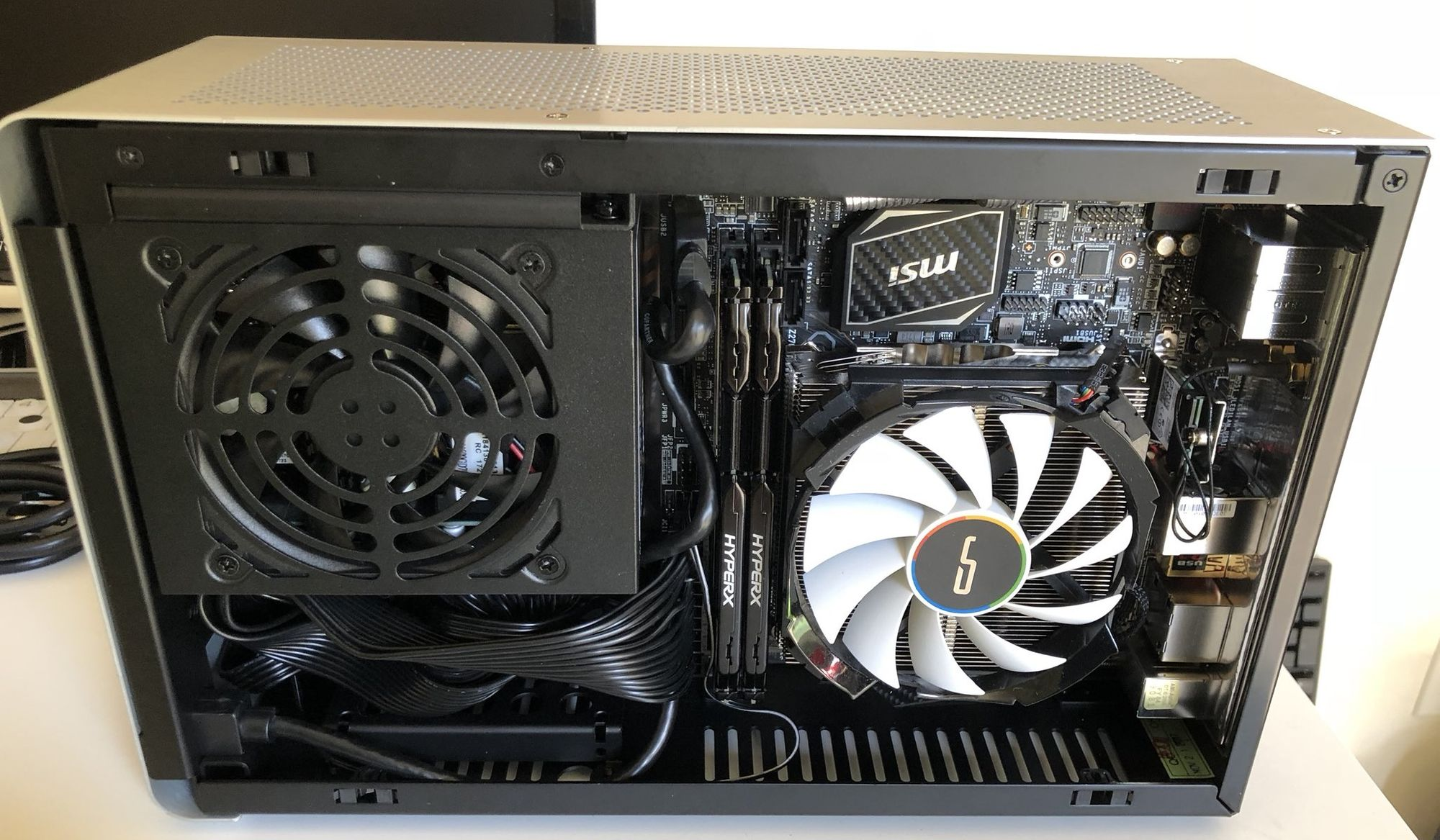
Atwood posits that the future of personal computing innovation may not primarily reside in "more speed" – although performance gains are still present – but rather in "smaller builds." This focus on compact systems, specifically within the Mini-ITX form factor, represents a vibrant and growing segment of the PC hardware market. Mini-ITX motherboards, with their compact 17×17 cm dimensions, allow for the creation of incredibly small yet powerful computers, challenging the long-held notion that high performance necessitates a large, imposing tower.
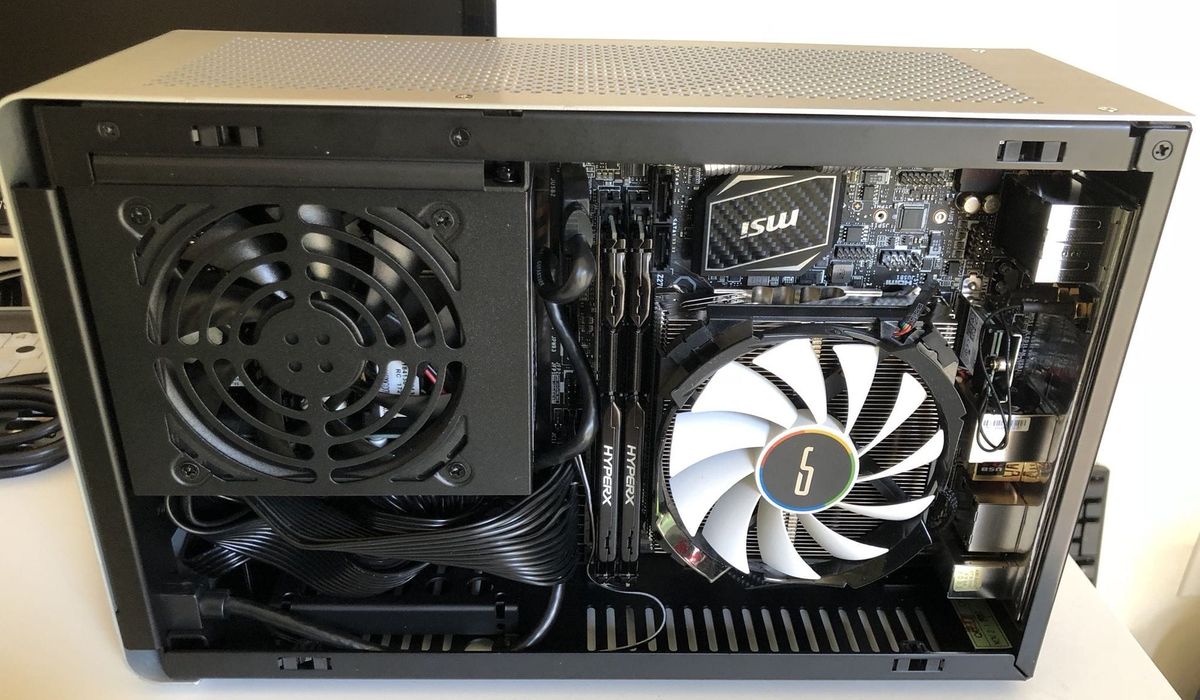
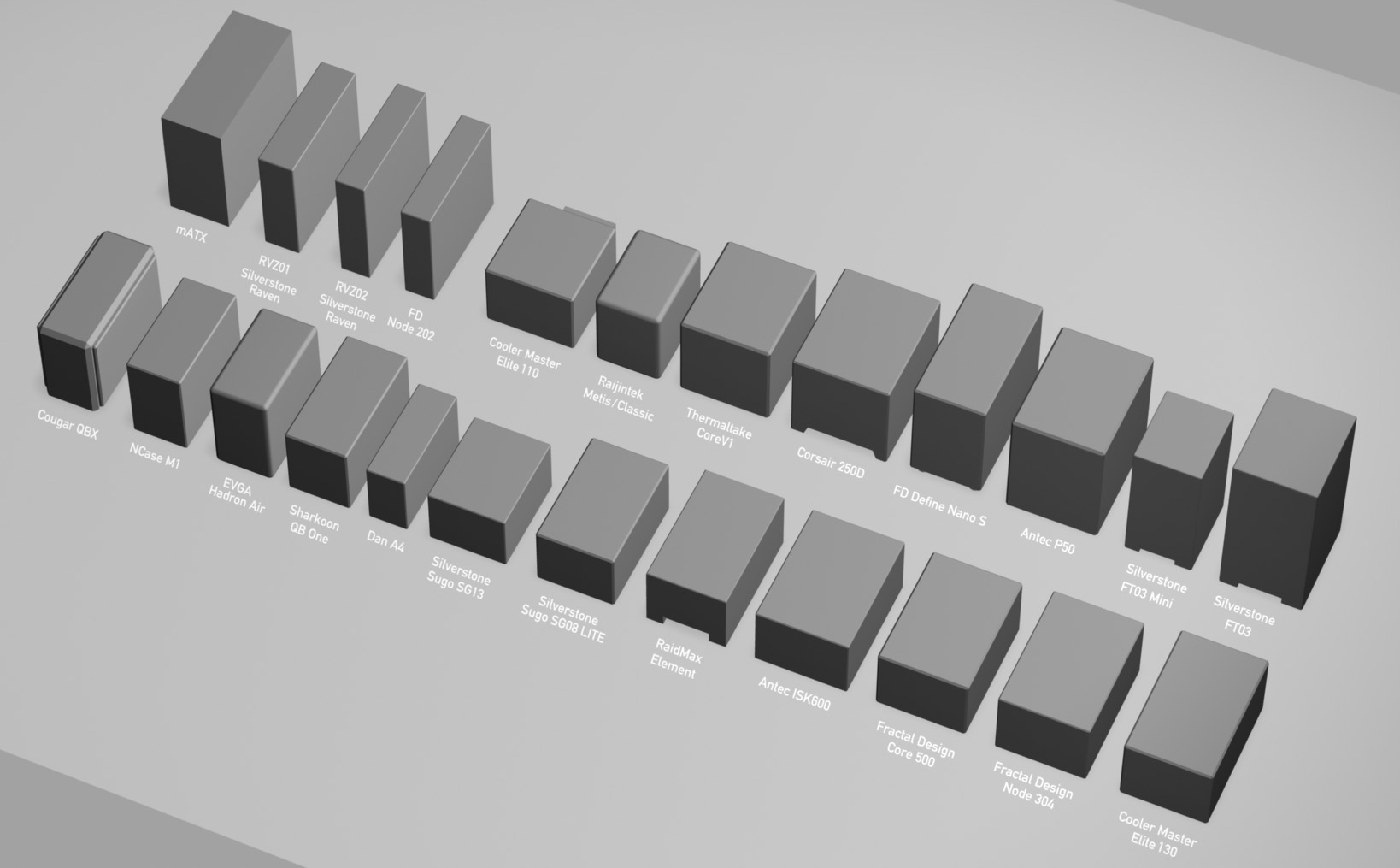
Two cases, the Dan A4 SFX and the Streacom DA2, emerged as Atwood’s top contenders for this iteration, each exemplifying the "maximum power in minimum size" ethos. The Dan A4 SFX, a marvel of engineering at just 7.3 liters, is celebrated for its incredibly small footprint, often considered the smallest possible standard Mini-ITX system without resorting to custom components. For context, popular gaming consoles like the PlayStation 4 Pro occupy 5.3 liters, and an Xbox One S comes in at 4.3 liters. Achieving significantly more than twice the power of these consoles within a volume only about 50% larger represents a remarkable feat of component miniaturization and thermal management.
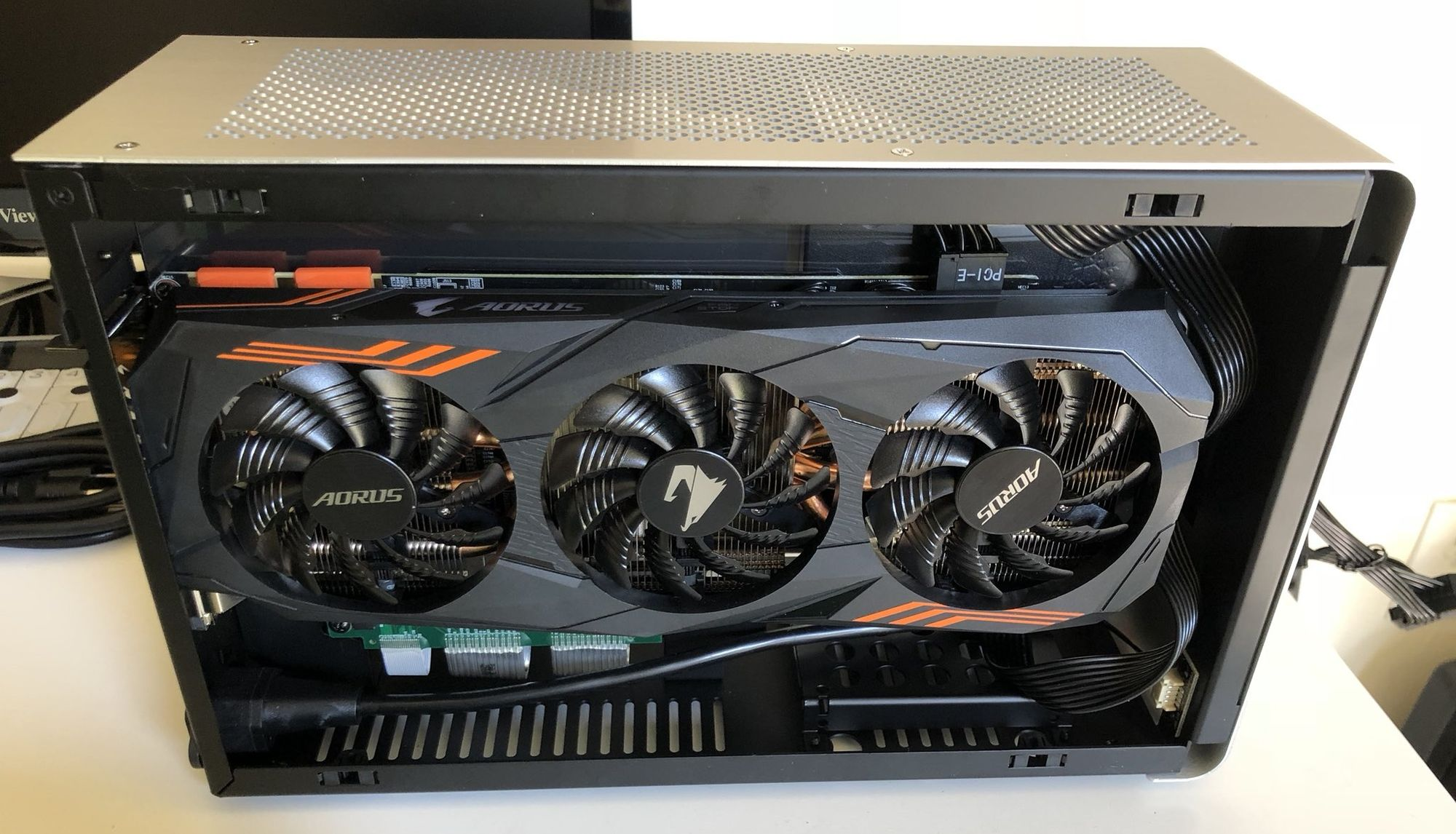
The Streacom DA2, while slightly larger at 17.5 liters, offers a crucial advantage: substantially more room for cooling the CPU and adding auxiliary fans. This increased internal volume provides critical flexibility for enthusiasts aiming to integrate the most powerful commercially available CPUs and GPUs without compromising thermal stability – a common challenge in ultra-compact designs. Other notable SFF cases, such as the Silverstone RVZ02/ML08 (12.2 liters) and the nCase M1 (12.6 liters), also demonstrate the diverse options available to builders seeking compact solutions. The trend is clear: consumers are increasingly demanding powerful machines that seamlessly integrate into modern living and workspaces, rather than dominating them.
Jeff Atwood’s Streacom DA2 Build: A Deep Dive into Compact Power
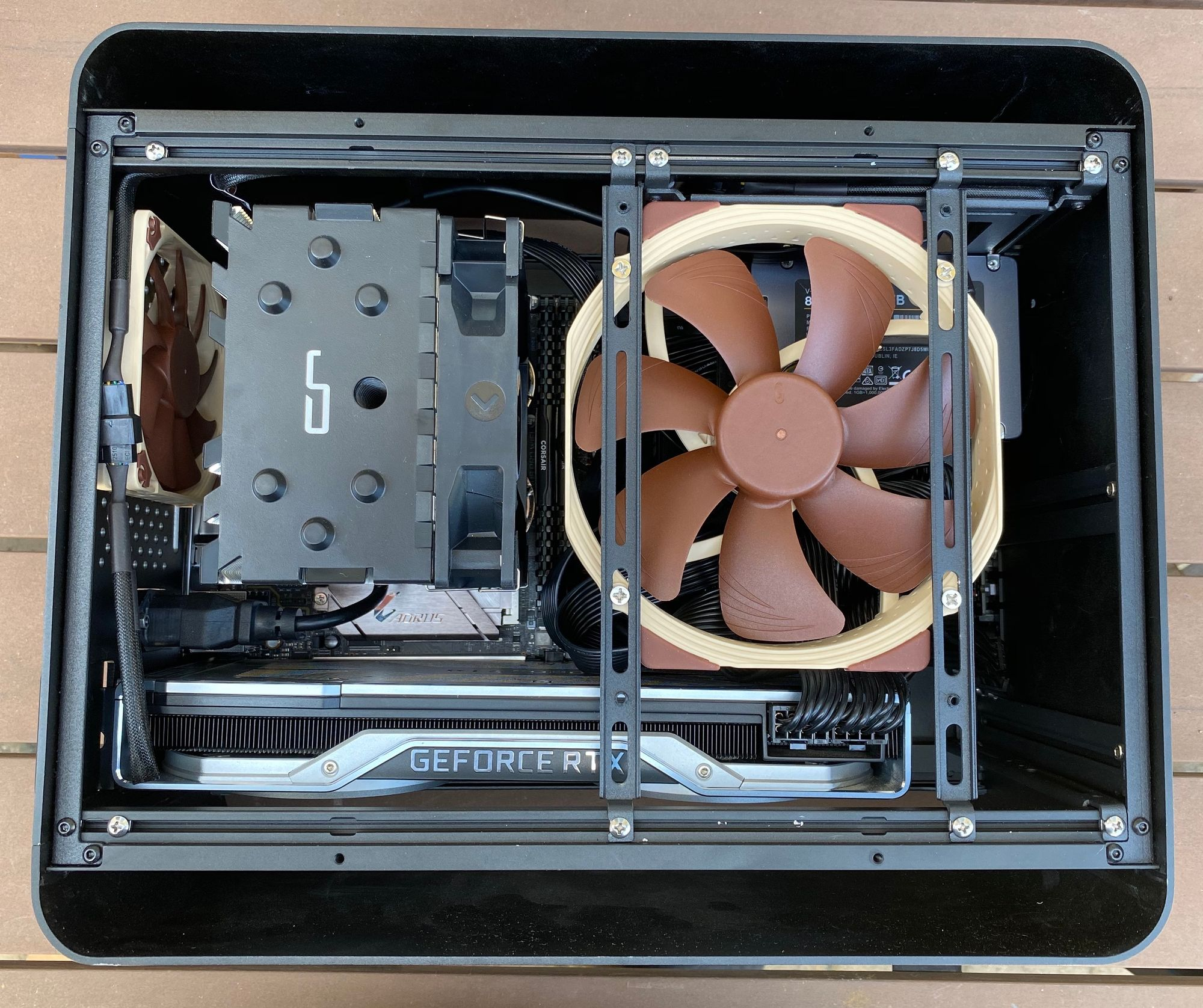
For his personal system, Atwood ultimately selected the Streacom DA2, acknowledging the practical need for more generous cooling capabilities when dealing with high-performance components. His new build represents a substantial leap from his previous 2015-2017 system, which featured a slightly overclocked Intel i7-7700k. The current configuration boasts approximately "2x the cores (and faster cores, both in clock rate and IPC), 2x the memory, and 2x the M.2 slots (two versus one)." While specific component models are not detailed, this general description points to a modern, high-end processor (likely from AMD’s Ryzen or Intel’s Core i7/i9 lines) offering significantly enhanced multi-threaded performance, paired with a substantial amount of RAM (e.g., 32GB or 64GB DDR4/DDR5) and ample high-speed NVMe storage. Such a system is designed to handle intensive tasks, from software development and content creation to demanding gaming, with remarkable efficiency.
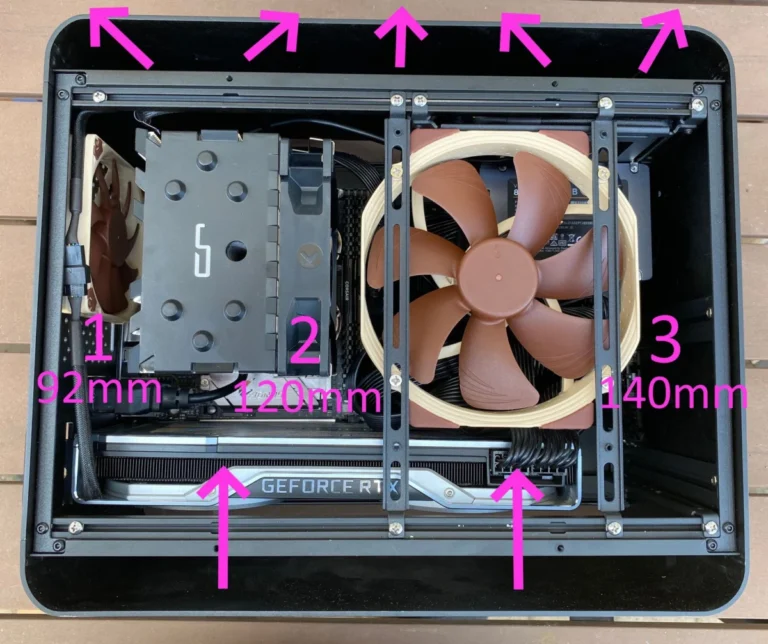
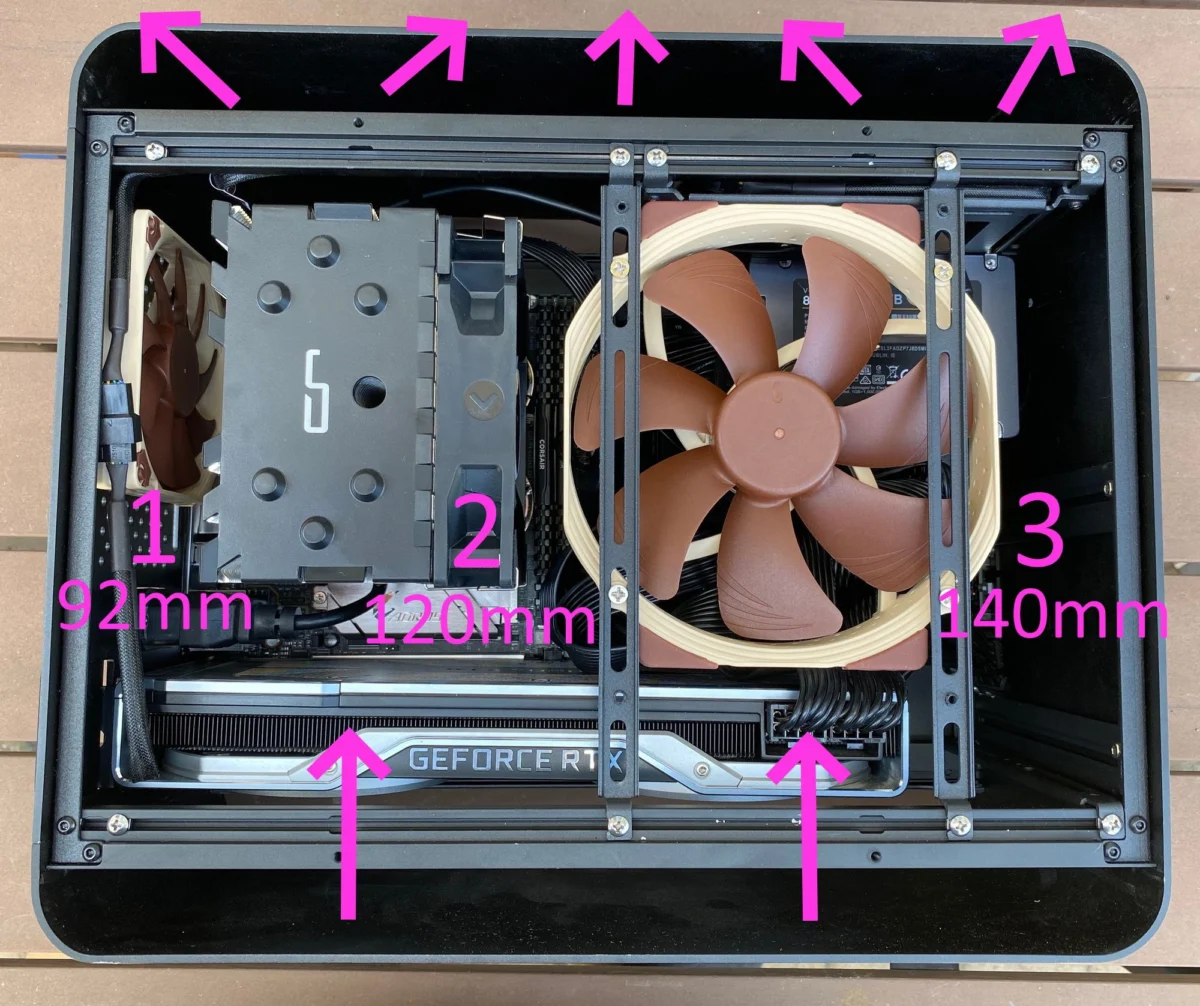
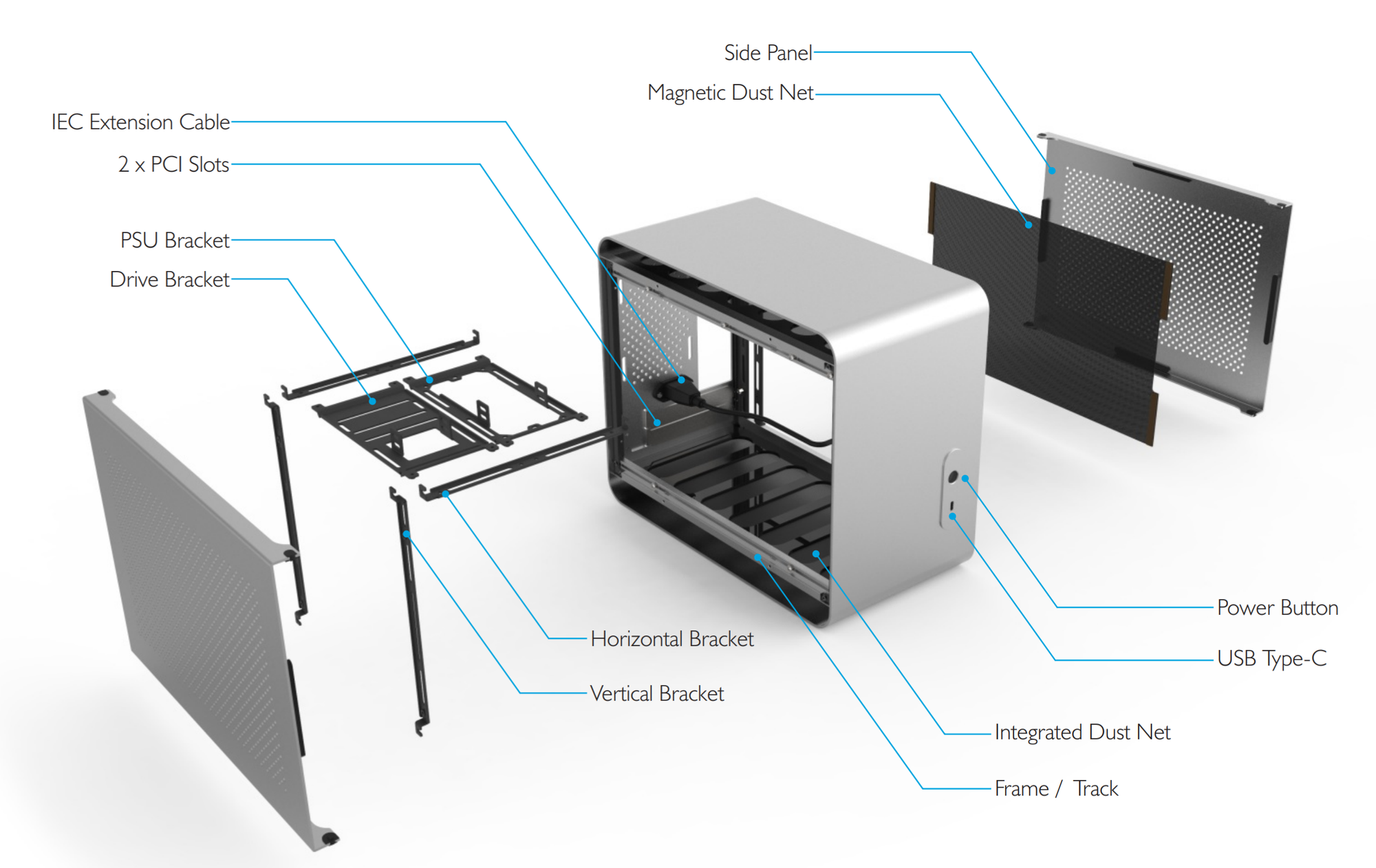
The Streacom DA2 case itself is lauded for its ingenious design. It features a "hybrid open-air design" on its top and bottom panels, coupled with a highly versatile internal bracket system. This bracket system allows builders to position components like power supplies, radiators, and storage drives in various horizontal and vertical orientations, offering unparalleled flexibility in component layout and airflow optimization. Atwood particularly highlights the effectiveness of removing the top and bottom acrylic pieces, which, while equipped with mesh dust nets, can restrict airflow. By removing these, he observed "dramatically better temperatures," allowing the system to "fully breathe" through its perforated top and bottom surfaces. This modification is crucial, especially given the DA2’s solid front panel, which offers no direct air intake.
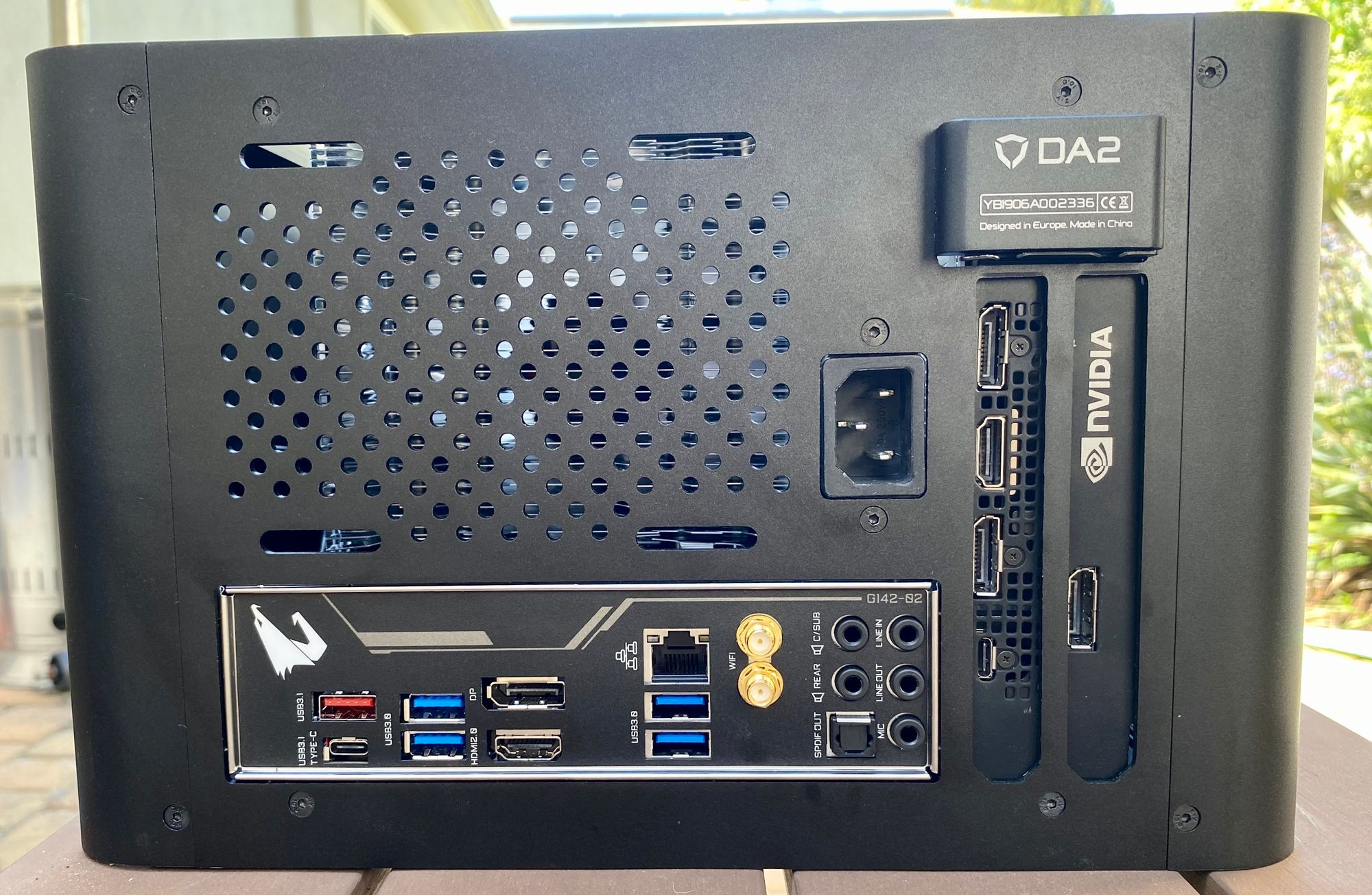
Despite its innovative design, Atwood noted a few areas for improvement in the DA2. These included a small, somewhat fiddly USB-C port, a lack of direct front airflow, and potentially limited clearance for exceptionally long or thick graphics cards, though it generally accommodates full-sized GPUs. His recommended configuration involves utilizing the open top and bottom for maximum airflow, complemented by three strategically placed fans to ensure optimal thermal performance. For builders inclined towards liquid cooling – a solution Atwood personally avoids due to past "traumatic cooling fluid leaks" – the DA2 offers space for a 140mm radiator, providing another avenue for managing extreme heat loads.
Thermal Management and Stability in Compact Builds
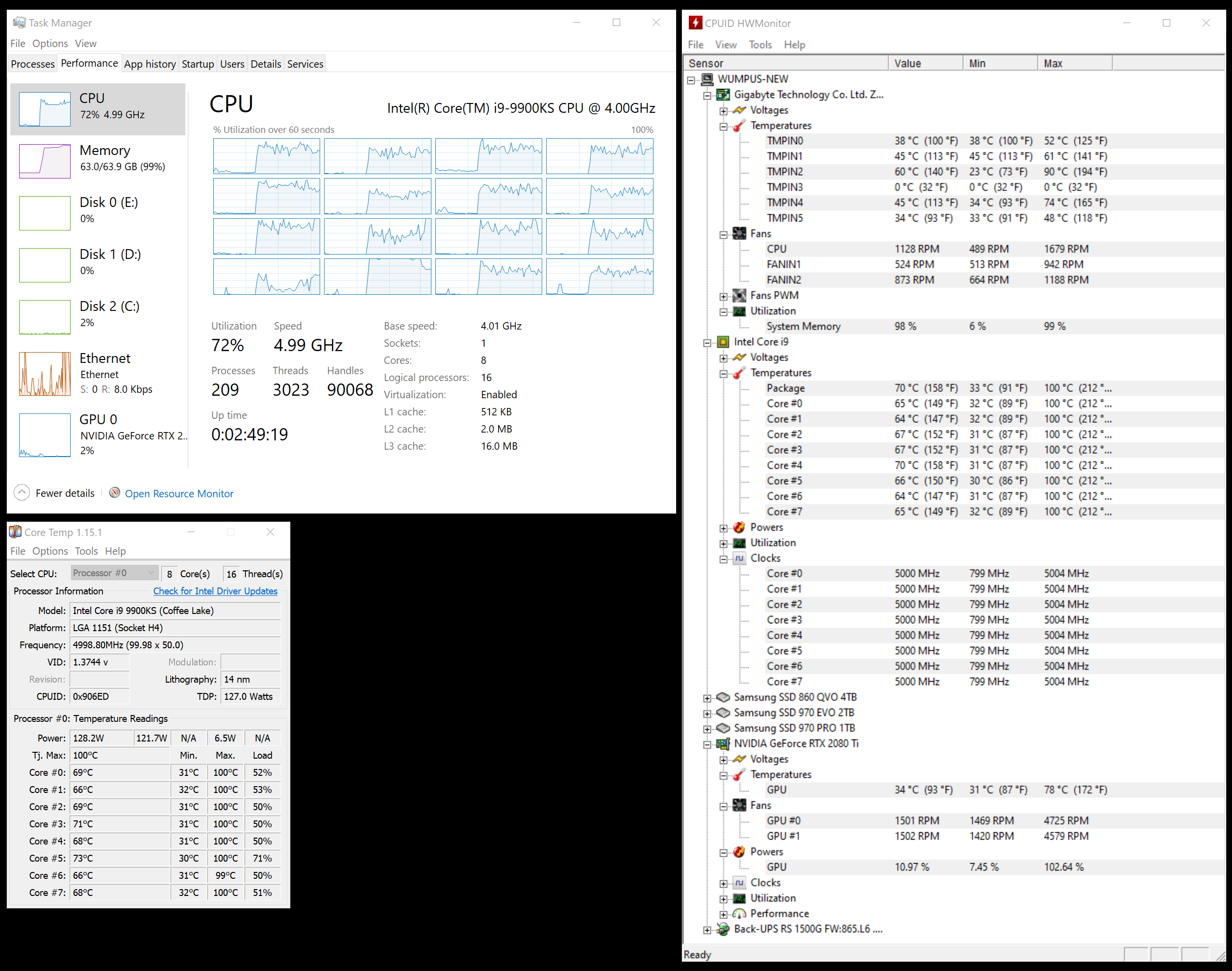
The challenge of cooling powerful components in a small enclosure cannot be overstated. High-end CPUs and GPUs generate significant heat, and dissipating this heat efficiently is paramount to system stability and longevity. Atwood meticulously "burn-in tested" his machine, a critical step for any custom build, especially SFF systems where thermal envelopes are tighter. His system passed with "flying colors," demonstrating that with careful component selection and optimized airflow, robust air cooling can be highly effective. However, he prudently advises that for users expecting "full CPU and GPU loads for extended periods," water cooling might be a necessary consideration, or alternatively, opting for slightly less powerful components to stay within the thermal limits of air cooling. This highlights a delicate balance that SFF builders must strike between raw performance and thermal headroom.
The ease of PC building has also evolved, even for compact systems. Atwood remarks that installing core components like M.2 drives, memory, CPU, and cooler onto the motherboard before mounting it into the case means builders are "almost done" with the core assembly. This streamlined process, aided by standardized form factors and intuitive component designs, has made custom PC building more accessible than ever, even for those venturing into the space-constrained world of Mini-ITX.
Implications for the PC Hardware Market and the Future of Computing
The growing interest in SFF computing, championed by figures like Jeff Atwood, carries significant implications for the broader PC hardware market. Component manufacturers are increasingly responding to this demand by designing more compact power supplies (SFX form factor), shorter graphics cards, and low-profile CPU coolers, specifically tailored for small enclosures. Motherboard manufacturers are also integrating more features onto Mini-ITX boards, reducing the need for expansion cards and further consolidating system footprints.
This trend suggests a maturing industry where innovation is not solely driven by benchmarks but by user experience, aesthetics, and integration into diverse environments. The ability to pack cutting-edge performance into less than 20 liters of space caters to a demographic that values minimalism, portability, and discreet power. It challenges the traditional desktop tower’s dominance and opens up new possibilities for home theater PCs, compact workstations, and highly portable gaming rigs.
The "Golden Age of x86 Gaming," as Atwood once described it, may be evolving into an era where powerful x86 systems are not just about raw power, but about where and how that power can be deployed. This shift could lead to more refined industrial designs, greater energy efficiency, and a more seamless integration of high-performance computing into everyday life. As technology continues to advance, the pursuit of maximum power in minimum size is likely to remain a primary driver of innovation in the personal computing space, transforming our expectations of what a powerful computer can look like.
About the Author