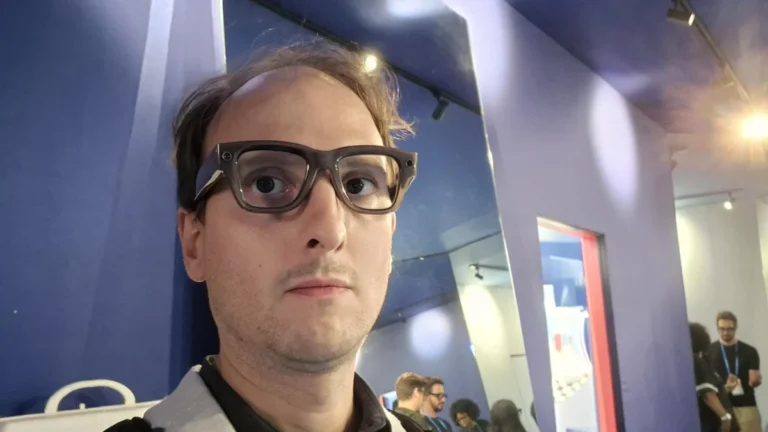
RayNeo, a specialized subsidiary of the consumer electronics giant TCL, has officially expanded its augmented reality portfolio with the launch of the RayNeo iO Smart Glasses. Positioned as a privacy-centric alternative to camera-equipped competitors, the iO model prioritizes lightweight ergonomics, artificial intelligence integration, and visual data delivery over media capture. This release marks a significant pivot in the wearable technology sector, addressing growing public concerns regarding facial-mounted cameras while simultaneously targeting niche markets such as the hearing-impaired community and professional public speakers.

Technical Specifications and Design Philosophy
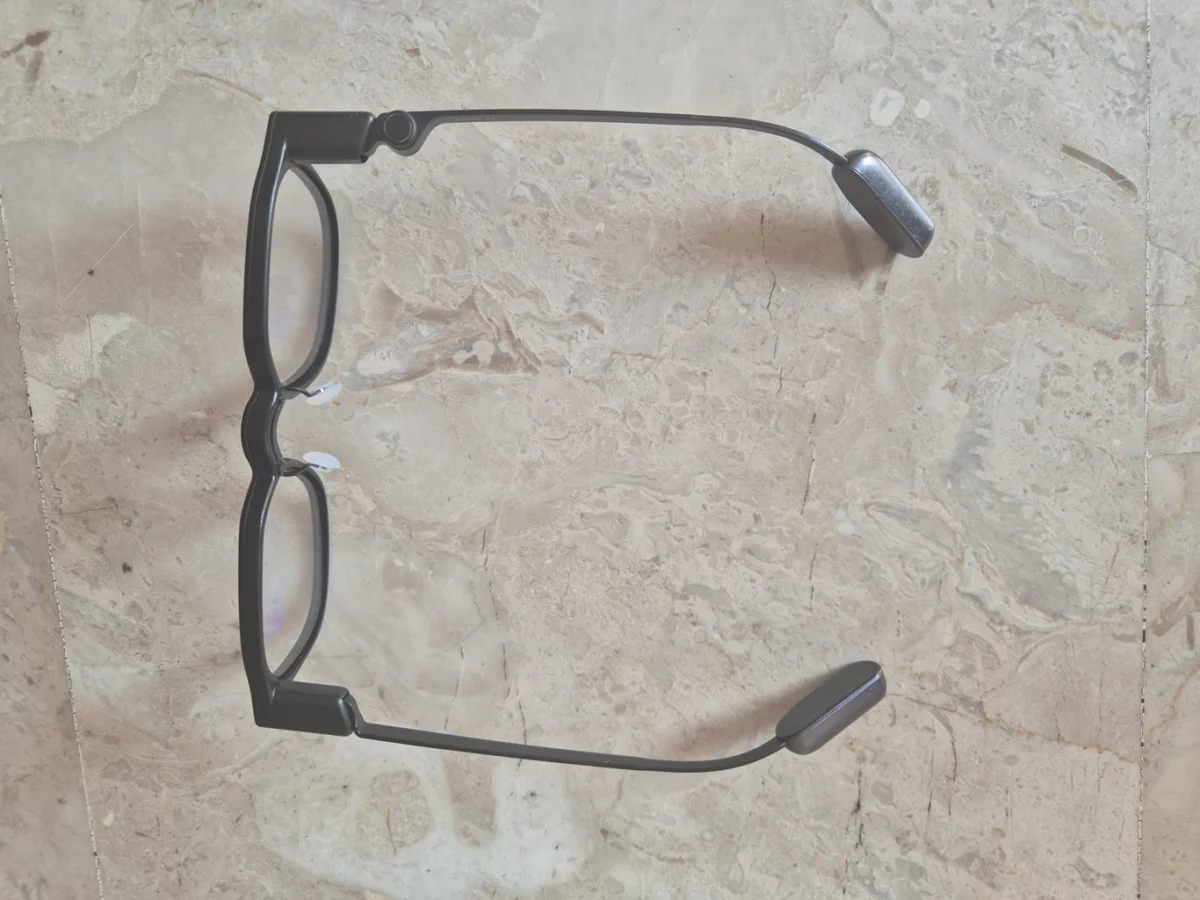
The RayNeo iO Smart Glasses are engineered for extended wear, weighing approximately 33 grams—a figure that closely mirrors the weight of traditional premium eyewear. This weight reduction is achieved through the intentional exclusion of cameras and integrated speakers. By offloading audio output to the user’s smartphone or secondary Bluetooth peripherals, RayNeo has maintained a slim frame profile that facilitates "all-day" usability.

The centerpiece of the device is its dual monochrome waveguide display. Leveraging TCL’s expertise in display technology, the glasses offer a 23-degree field of view (FOV) and a peak brightness of 1,200 nits. This high-luminosity output ensures that text remains legible even in bright outdoor environments, a common failure point for earlier iterations of augmented reality (AR) glasses. The monochrome interface is a strategic choice, reducing power consumption and heat dissipation requirements while providing high-contrast text for notifications and data logs.

Chronology of RayNeo’s Market Evolution
The launch of the iO model follows a rapid period of development for the TCL-backed company. In late 2023, RayNeo introduced the X2, one of the first binocular full-color MicroLED optical waveguide AR glasses. This was followed by the X2 Lite and the X3 Pro, the latter of which set industry benchmarks for display clarity and processing power.

The introduction of the iO model in late 2024 (and its subsequent market expansion into 2025-2026) represents the third phase of the company’s strategy: democratization and specialization. While the X-series targeted high-end tech enthusiasts and developers, the iO series is aimed at a mainstream audience that requires an AI companion for productivity without the social stigma or privacy complications associated with "always-on" cameras.

Core Functionalities and AI Integration
The RayNeo iO operates in tandem with a dedicated smartphone application, which serves as the processing hub for the device’s suite of AI-driven features. These functionalities are designed to enhance the user’s cognitive and communicative capabilities through real-time data overlays.

Live Captioning and Multilingual Translation
One of the most robust features of the iO is its live captioning system. Utilizing an advanced microphone array, the glasses can distinguish between the wearer’s voice and those of external speakers. For individuals with hearing impairments, this provides a critical visual aid for navigating spoken conversations. Furthermore, the system supports real-time translation across multiple languages, including English, Chinese, and Italian, allowing for seamless cross-cultural communication.

The "Life Log" and Daily Summarization
The RayNeo iO introduces a "Life Log" feature, which functions as an automated digital diary. By recording and transcribing audio interactions throughout the day—while simultaneously logging GPS coordinates—the AI can generate comprehensive summaries of meetings, social interactions, and errands. This data is then cataloged in a calendar format within the companion app, enabling users to search for specific past conversations or generate to-do lists based on spoken promises or tasks.

Smart Teleprompter and "Live Cues"
For professional use, the device includes a voice-responsive teleprompter. As the user speaks, the AI listens and automatically scrolls the text on the internal display, ensuring the speaker never loses their place. Complementing this is the "Live Cues" feature (currently in beta), which proactively surfaces contextually relevant information during conversations—such as facts, figures, or definitions—without requiring a specific voice command.

Battery Performance and Hardware Efficiency
Efficiency is a primary metric for the iO’s success. According to official data from RayNeo, the device can sustain up to two days of "normal" usage, defined as intermittent notification checking and dashboard interaction. For intensive tasks, such as continuous real-time translation, the battery life is rated for over six hours.

The absence of a standard USB-C port on the frames—replaced by a proprietary two-pin magnetic charging bridge—allows for a more balanced weight distribution across the nose bridge and ears. Users have the option of a standard protective case or an upgraded charging case, the latter of which provides additional battery cycles for travelers and heavy users.

Market Positioning and Competitive Landscape
The RayNeo iO enters a market currently dominated by two distinct philosophies. On one side are the Ray-Ban Meta Smart Glasses, which focus on audio, photography, and social media integration. On the other are devices like the Even Realities G2, which, like the RayNeo iO, prioritize a camera-free, display-centric experience.

At a retail price point of approximately $499, the RayNeo iO is positioned as a mid-to-high-tier wearable. While more expensive than the base Meta models, it is significantly more affordable than enterprise-grade AR headsets like the Magic Leap 2 or Microsoft HoloLens. Industry analysts suggest that RayNeo is targeting the "prosumer" niche—individuals who require high-utility tools for work but are unwilling to compromise on the aesthetics of daily-wear glasses.

Privacy Implications and Data Management
Despite the absence of a camera, the RayNeo iO has prompted discussions regarding audio privacy. The "Life Log" feature necessitates that the device’s microphones remain active, capturing environmental audio and uploading transcriptions to cloud servers for AI analysis.

RayNeo has stated that it adheres to strict data management protocols, including GDPR compliance. The device features a privacy LED located on the interior of the right temple arm, which illuminates when audio is being recorded. However, critics argue that the placement of this indicator is primarily visible to the wearer rather than the public, raising questions about the transparency of audio recording in social settings. The user agreement also notes that data may be used to "improve services," a standard but often scrutinized clause in the AI industry.

Broader Impact and Future Outlook
The launch of the RayNeo iO Smart Glasses is indicative of a broader trend toward "Ambient Intelligence." As AI models like Gemini Flash and RayNeo’s proprietary algorithms become more efficient, the need for bulky hardware decreases. The iO model proves that a high-utility AR experience can be delivered in a form factor that is indistinguishable from standard optics.

For the enterprise sector, the iO offers a low-profile solution for logistics, public speaking, and translation. For the healthcare sector, it represents a leap forward in assistive technology for the deaf. As RayNeo continues to refine the "Smart Cues" and "Life Log" features, the device may transition from a luxury accessory to an essential productivity tool.

In conclusion, the RayNeo iO Smart Glasses offer a compelling vision of the future of wearables—one where technology is invisible, privacy is a design priority, and AI serves as a silent, helpful observer rather than a disruptive interloper. The success of this model will likely determine whether the industry continues to pursue camera-centric "smart" glasses or shifts toward the "smart-lens" philosophy pioneered by TCL and RayNeo.
About the Author