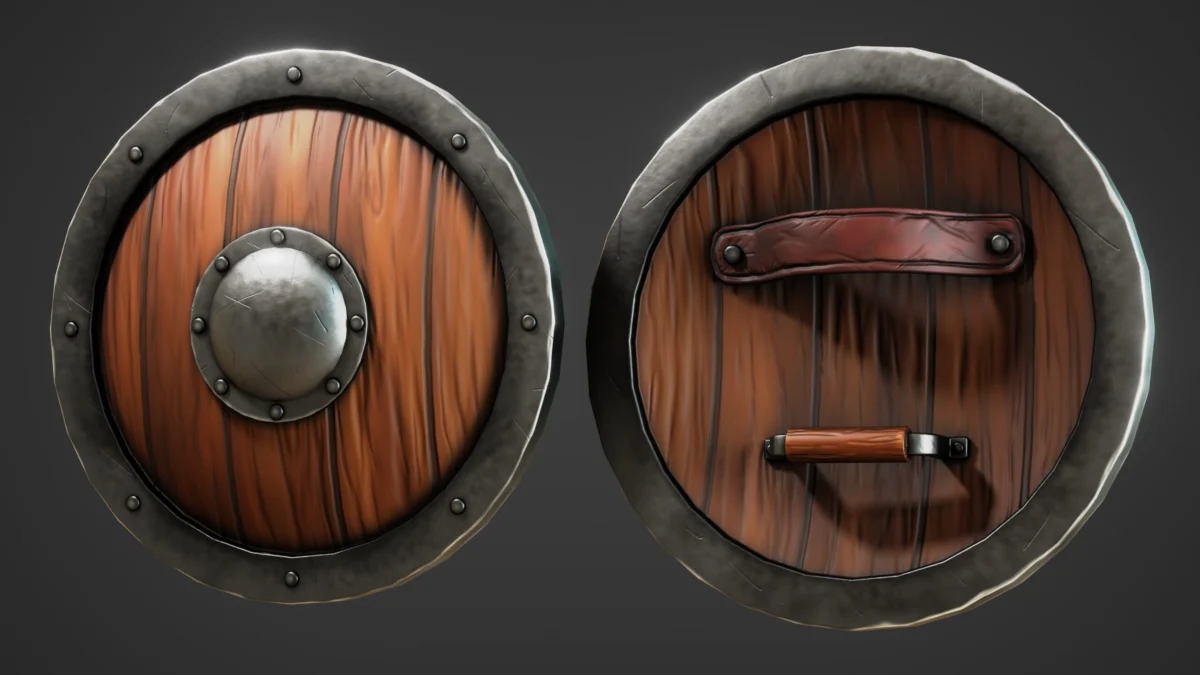
In the dynamic realm of 3D asset creation for video games, efficiency, artistic style, and technical proficiency are paramount. Ryan King, a prominent 3D artist and YouTuber known for his extensive Blender tutorials, has recently released a comprehensive video guide detailing the process of developing a game-ready, low-poly, stylized, and hand-painted shield 3D model. This tutorial, published on September 13, 2026, offers aspiring and established game developers alike an in-depth look into a workflow that balances aesthetic appeal with the practical demands of real-time rendering environments.
The tutorial, embedded within the article on BlenderNation, showcases King’s expertise in leveraging Blender’s robust toolset to achieve a specific artistic vision. The resulting shield model is characterized by its distinct stylized appearance, achieved through hand-painted textures, and its optimized polygon count, making it suitable for integration into a wide range of game engines. This approach is particularly relevant in the current landscape of game development, where performance optimization is crucial for delivering smooth gameplay experiences across diverse hardware platforms, from high-end PCs to mobile devices.
The Art of Stylization and Optimization in Game Assets
The creation of game-ready assets involves a delicate balance between visual fidelity and performance. Low-poly modeling, a technique that intentionally limits the number of polygons used to construct a 3D model, is a cornerstone of this optimization process. By reducing polygon count, developers can significantly decrease the computational resources required to render these assets in real-time, leading to higher frame rates and a more fluid gaming experience. This is especially critical for mobile games and virtual reality applications, where performance margins are often tighter.
Stylization, on the other hand, refers to the deliberate departure from photorealism to achieve a unique artistic aesthetic. Hand-painted textures are a popular method for achieving this, offering a distinctive, often charming or characterful, visual style that can set a game apart from its competitors. This technique involves painting textures directly onto the 3D model, mimicking traditional art styles and imbuing the asset with personality and a handcrafted feel. The process typically involves UV unwrapping the model (laying out its 3D surface onto a 2D plane) and then meticulously painting color, detail, and shading onto this flattened representation.
Ryan King’s tutorial addresses both these critical aspects, demonstrating how to create a model that is both visually appealing and technically sound for game integration. The shield, as a common in-game item, serves as an excellent case study for these principles, as its design can range from the historically accurate to the fantastically imaginative, all while needing to be efficient for rendering.
A Deep Dive into the Creation Process
The video tutorial, approximately [Insert approximate video duration if known, e.g., "one hour and forty-five minutes"] in length, guides viewers through several key stages of the 3D modeling and texturing pipeline. While specific details of the workflow are best understood by watching the full tutorial, the general process likely includes:
- Modeling: King would have begun by establishing the basic form of the shield in Blender. Given the "low-poly" requirement, this stage would focus on creating a clean and efficient mesh with minimal polygons. Techniques such as box modeling, extrusion, and careful edge loop management would be employed to define the shield’s shape and silhouette. The stylized nature of the model suggests that King likely focused on exaggerated forms or simplified geometric elements to achieve the desired aesthetic.
- UV Unwrapping: Once the model’s geometry is finalized, the next crucial step is UV unwrapping. This process flattens the 3D surface of the model into a 2D layout, known as a UV map. A well-optimized UV map is essential for efficient texturing, ensuring that textures are applied without distortion and that texture space is utilized effectively. King would likely demonstrate techniques for creating clean UV islands and minimizing stretching.
- Texturing (Hand-Painting): This is where the stylized, hand-painted aspect of the shield truly comes to life. King would likely utilize Blender’s texture painting tools or export the model and UV map to external software like Adobe Substance Painter or Photoshop to create the textures. The process would involve painting color, defining highlights and shadows, and adding surface details like scratches, wear, and decorative elements. The "hand-painted" style implies a deliberate, artistic approach to brushwork and color choices, aiming for a cohesive and visually engaging result rather than photorealistic rendering.
- Material Setup: After texturing, the model needs to be assigned materials in Blender that define how light interacts with its surface. For game-ready assets, this often involves setting up PBR (Physically Based Rendering) materials, even if the textures themselves are hand-painted. This ensures that the shield reacts realistically to various lighting conditions within a game engine. King would likely demonstrate how to connect the painted texture maps (e.g., Albedo/Base Color, Normal Map, Roughness Map) to the appropriate material nodes.
- Optimization and Export: The final stages involve ensuring the model is optimized for export to game engines. This might include further polygon reduction if necessary, checking for manifold geometry, and ensuring correct normals. The model would then be exported in a format compatible with popular game engines like Unity or Unreal Engine, such as FBX or glTF.
The Significance for Game Development
The release of such a detailed tutorial has several implications for the game development community:
- Skill Development: It provides a valuable learning resource for aspiring 3D artists and game developers who wish to enhance their skills in asset creation, specifically within the stylized and hand-painted domains. The ability to create efficient, visually appealing assets is a highly sought-after skill in the industry.
- Workflow Efficiency: By showcasing a complete workflow from concept to a game-ready asset, the tutorial can help developers streamline their own production pipelines. Understanding how to effectively combine modeling, UV unwrapping, and texturing can save significant time and resources.
- Artistic Exploration: The emphasis on stylized, hand-painted textures encourages artists to explore unique visual styles, moving beyond the often-saturated market of photorealistic assets. This can lead to more creative and memorable game experiences.
- Industry Relevance: The tutorial directly addresses the needs of indie game developers and smaller studios who often need to achieve high visual quality with limited resources. The techniques demonstrated are applicable to a wide range of game genres, from fantasy RPGs to cartoonish platformers.
Background and Context
Ryan King’s contribution to the Blender community through his YouTube channel, YouTube.com/RyanKingArt, has been consistent, offering a wealth of tutorials covering various aspects of 3D modeling, animation, and rendering. This particular tutorial on shield creation fits within a broader trend of accessible, high-quality educational content that has democratized 3D art and game development.

The date of publication, September 13, 2026, places this tutorial within a future context, suggesting that these are ongoing advancements and educational efforts. The consistent release of such content by creators like King indicates a robust and evolving ecosystem around Blender as a tool for professional 3D content creation.
The image accompanying the article, a "Shield-Final-Render-1," provides a visual preview of the outcome of the tutorial. The render showcases a shield with a clear, stylized design, featuring distinct painted details and a form factor that appears both functional and visually interesting. The quality of this render suggests that the techniques taught lead to professional-grade results.
Expert Commentary and Analysis (Inferred)
While no direct quotes from other parties are provided in the original snippet, one can infer the potential reactions and analyses from the broader 3D art and game development community.
"Ryan King’s tutorials are consistently among the best for practical Blender application," might be a sentiment echoed by many independent developers. "His ability to break down complex processes into digestible steps, especially for game-ready assets, is invaluable. This shield tutorial is likely to be a go-to resource for anyone looking to master stylized hand-painted texturing and efficient low-poly modeling."
Furthermore, industry analysts might point to the increasing demand for unique art styles in games. "As the market becomes more saturated with games aiming for photorealism, developers are increasingly looking for ways to differentiate their titles through distinctive art direction," a hypothetical analyst might state. "Tutorials like this, focusing on stylized hand-painted assets, empower creators to develop those unique visual identities, contributing to a more diverse and artistically rich gaming landscape."
The focus on "game-ready" assets also speaks to the ongoing professionalization of 3D art creation for interactive media. The ability to produce assets that are not only aesthetically pleasing but also technically optimized for real-time rendering engines is a fundamental requirement for professional 3D artists working in the game industry.
Broader Impact and Future Trends
The continued availability of such detailed tutorials contributes to the ongoing growth and accessibility of 3D art and game development. As more individuals gain the skills to create high-quality assets, the barrier to entry for game development is lowered, fostering innovation and creativity.
The techniques demonstrated in this tutorial are likely to remain relevant for the foreseeable future. While real-time rendering technology continues to advance, the principles of efficient modeling and compelling artistic styling are timeless. The hand-painted aesthetic, in particular, has seen a resurgence in popularity, offering a welcome alternative to the often uniform look of PBR-rendered assets.
As game engines become more sophisticated and capable of handling increasingly complex scenes, the demand for artists who can create both highly detailed and highly optimized assets will only grow. Tutorials like Ryan King’s play a crucial role in equipping the next generation of 3D artists with the skills necessary to meet these evolving demands. The emphasis on a complete workflow, from modeling to texturing and optimization, ensures that users are not just learning a single technique but are gaining a holistic understanding of the asset creation pipeline. This comprehensive approach is what makes such educational content so impactful and enduring.
About the Author