Immediately following a stark assessment of the current state of American society, prominent tech entrepreneur and co-founder of Stack Overflow and Discourse, Jeff Atwood, has announced a sweeping philanthropic initiative designed to safeguard and reimagine the American Dream. Citing an "unprecedented point in American history" and a palpable concern that the nation may be losing sight of its foundational ideals, Atwood’s family has committed to an ambitious two-pronged approach: an immediate infusion of $8 million to address urgent needs, followed by a pledge of half their remaining wealth over the next five years to foster long-term systemic change. This significant commitment underscores a growing sentiment among some successful individuals that accumulated wealth carries a profound responsibility to address societal inequities and strengthen democratic institutions.
A Concrete Commitment to Societal Well-being
Atwood’s declaration is not merely a statement of concern but a concrete call to action, commencing with substantial immediate aid. His family has already distributed eight $1 million donations, totaling $8 million, to various nonprofit organizations actively engaged in supporting Americans facing immediate hardship. While the specific beneficiaries were not detailed in his initial announcement, the focus is clearly on addressing the pressing needs of vulnerable populations across the country, aiming to provide a direct lifeline where government or other institutions may fall short.
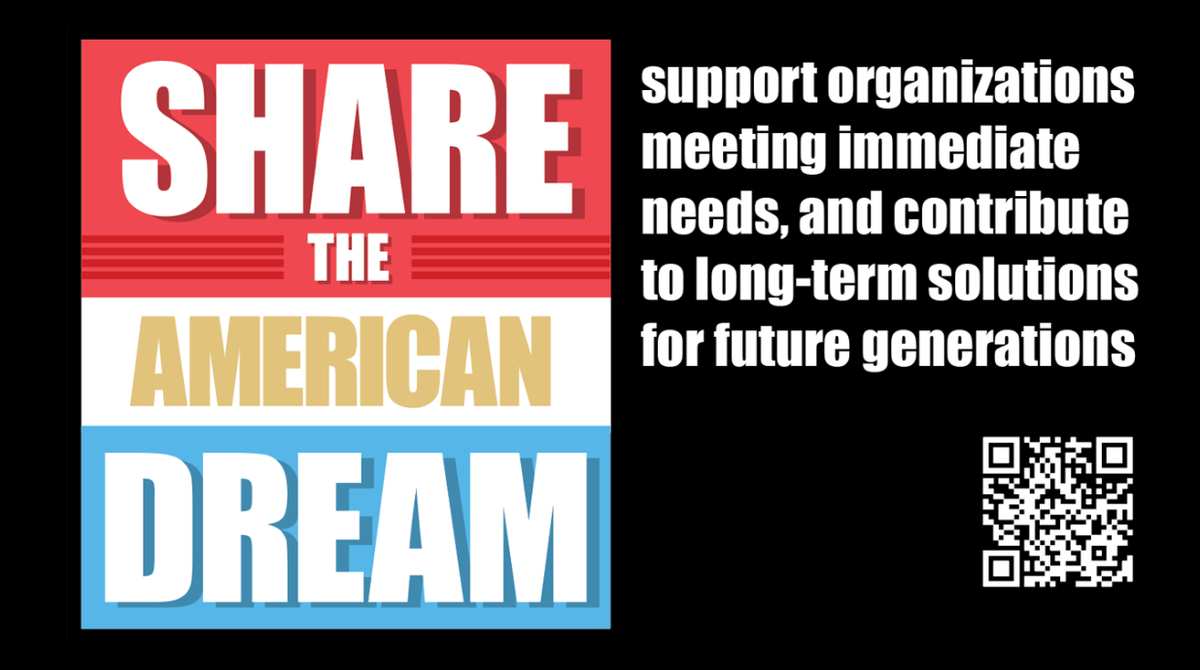
Beyond these immediate contributions, the most striking element of Atwood’s announcement is the commitment of half his family’s remaining wealth within the next five years. This accelerated timeline stands in contrast to traditional philanthropic models, such as the Warren Buffett Philanthropic Pledge, which often stipulate wealth transfer upon death. Atwood explicitly referenced Buffett, noting that while he admired the commitment, he felt it was "incomplete" without a more immediate allocation. He further noted recent amendments to Buffett’s pledge, which directs his wealth at death to a charitable trust run by his adult children, suggesting a potential for delayed or diluted impact. Atwood’s decision reflects an urgency born from his perception of current national challenges, particularly in the wake of the 2024 United States presidential election, which he states "raised the stakes." The pledge targets "long term efforts ensuring that all Americans continue to have access to the American Dream," signaling an intent to address root causes rather than merely symptomatic relief, with specific areas for investment to be detailed in future communications.
The Genesis of a Pledge: A Personal Journey Reflecting the Dream’s Promise and Peril
Atwood’s journey to this significant philanthropic commitment is deeply rooted in his personal narrative, a story that he believes embodies the very essence of the American Dream, albeit one fraught with hardship. Born to parents from "hardscrabble rural West Virginia and rural North Carolina origins," his early life was marked by economic struggle and the corrosive impact of addiction. He recounts a childhood where his father was an alcoholic and his mother participated in the drinking, leading to a family environment that was "so destructive." The pivotal moment, he reveals, came with his parents’ divorce when he was 16, an event that, though painful, ultimately forced them to confront their demons and begin a path to healing, both individually and as a family. This experience, he says, taught him "how to fully, deeply receive love, and the profound joy of reflecting that love upon everyone around you," a sentiment that now clearly underpins his philanthropic philosophy.
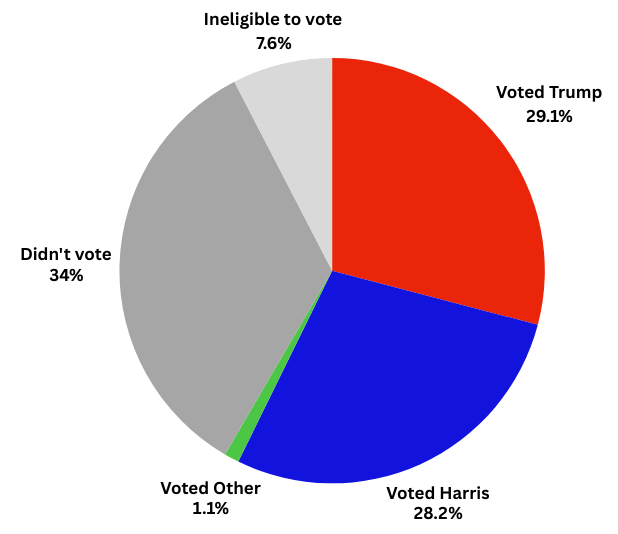
His educational path further illustrates the evolving accessibility of opportunity in America. Atwood attended public schools in Chesterfield County, Virginia, and graduated from the University of Virginia, an institution founded by Thomas Jefferson, in 1992. During his college years, he worked minimum wage as a part-time cashier at Safeway, relying on federal Pell grants, scholarships, and other part-time jobs to cover tuition. He recalls the struggle to manage tuition payments, which at the time were approximately $3,000 per year for in-state students. This personal experience forms the bedrock of his critique regarding the escalating costs of higher education, healthcare, and housing—expenses that have surged dramatically in recent decades, increasingly placing the American Dream out of reach for many.

The Soaring Costs of the American Dream: A Data-Driven Analysis
Atwood highlights a critical barrier to the contemporary American Dream: the explosive growth in essential living costs. His observation that state university tuition has increased eightfold, from $3,000 in 1992 to $23,000 today, is corroborated by national data. According to the College Board, the average tuition and fees at public four-year institutions have indeed risen dramatically, often outpacing inflation and wage growth. For instance, between 1992-93 and 2022-23, average tuition and fees at public four-year institutions more than tripled in inflation-adjusted dollars. This exponential increase forces many students to incur significant debt, often delaying homeownership, family formation, and other traditional markers of economic stability, thereby creating a structural impediment to upward mobility.
Beyond education, the costs of healthcare and housing have similarly skyrocketed. Data from the Bureau of Labor Statistics and other economic indicators consistently show that healthcare expenditures per capita have risen steadily, making access to quality medical care a significant financial burden for millions. The Kaiser Family Foundation reports that average family premiums for employer-sponsored health insurance have increased by 20% over the last five years, far exceeding wage growth. Similarly, the median home price in the United States has seen dramatic increases over the last few decades, particularly in desirable urban and suburban areas. The Federal Reserve Bank of St. Louis indicates that the median sales price of houses sold in the U.S. has risen from around $120,000 in 1992 to over $400,000 in late 2023, representing an increase far greater than the growth in average household incomes. Atwood argues that these "huge cost increases… are not compatible with the American Dream," suggesting that systemic economic pressures are actively undermining the promise of upward mobility and financial security for a vast segment of the population.
Building Digital Democracies: From Open Source to Empathy Online
Atwood’s professional career as a co-founder of two influential tech platforms, Stack Overflow and Discourse, offers insight into his belief in democratic principles and community empowerment. In 2008, alongside Joel Spolsky, he co-founded Stack Overflow, a groundbreaking question-and-answer website for programmers. He describes Stack Overflow as a "digital democracy" where users democratically vote to rank questions and answers, and even elect community moderators using ranked-choice voting. This innovative model created a vast, shared knowledge base under a Creative Commons license, proving the efficacy of decentralized, community-driven platforms. The success of Stack Overflow, which was acquired by Prosus for a reported $1.8 billion in 2021, demonstrated the immense value generated by collaborative knowledge-sharing and user-governed systems.

However, Atwood recognized that mere digital democracy was insufficient. Inspired by Spolsky, he understood the necessity of "actively, openly share love with each other." This realization led to the creation of Discourse, a free, open-source tool designed for constructive and empathetic community discussions, also operating under a Creative Commons license. Discourse emphasizes the ability of communities to set and enforce "boundaries the community agrees on," providing tools for democratic governance and strong moderation. This commitment to "digital democracy and empathy" highlights Atwood’s belief that technology can and should foster positive human connection and understanding, even amidst disagreement. He further elaborates on the importance of empathy in online interactions, noting that people often behave "in ways we never would in the real world because we cannot see the person on the other side of the screen." His work with Discourse aims to bridge this digital divide, encouraging kindness and understanding to mitigate online toxicity and foster genuine community.
The Distorted Dream: Wealth Inequality and Democratic Disenfranchisement
Atwood’s personal financial success, which he attributes to a combination of "hard work and good luck," brought him face-to-face with the stark realities of wealth inequality in America. He notes that accumulating significant wealth can unintentionally distance one from the struggles of other Americans, leading to a detachment from everyday financial concerns. His candid admission that he "no longer bother[s] to look at how much items cost, because I don’t have to" illustrates this disconnect. He finds the concept of being a billionaire "unamerican," echoing a growing critique of extreme wealth concentration. This statement reflects a concern that such extreme wealth creates a separate reality, undermining the sense of shared experience and common purpose essential to a cohesive society.
Supporting this perspective, data from sources like the Pew Research Center and Oxfam reveal a widening chasm between the ultra-rich and the rest of the population. In 2012, the top 1% of Americans held 24% of the nation’s wealth; by 2021, this figure had risen to 30%. Globally, Oxfam reported in early 2023 that the richest 1% had accumulated nearly twice as much wealth as the rest of the world combined over the previous two years. Atwood frames this disparity not just as an economic problem but as a moral one, citing W.E.B. Du Bois’s profound observation: "We should measure the prosperity of a nation not by the number of millionaires, but by the absence of poverty, the prevalence of health, the efficiency of the public schools, and the number of people who can and do read worthwhile books." This quote serves as a powerful counter-narrative to a purely capitalist measure of national success, advocating for human flourishing over private fortune.
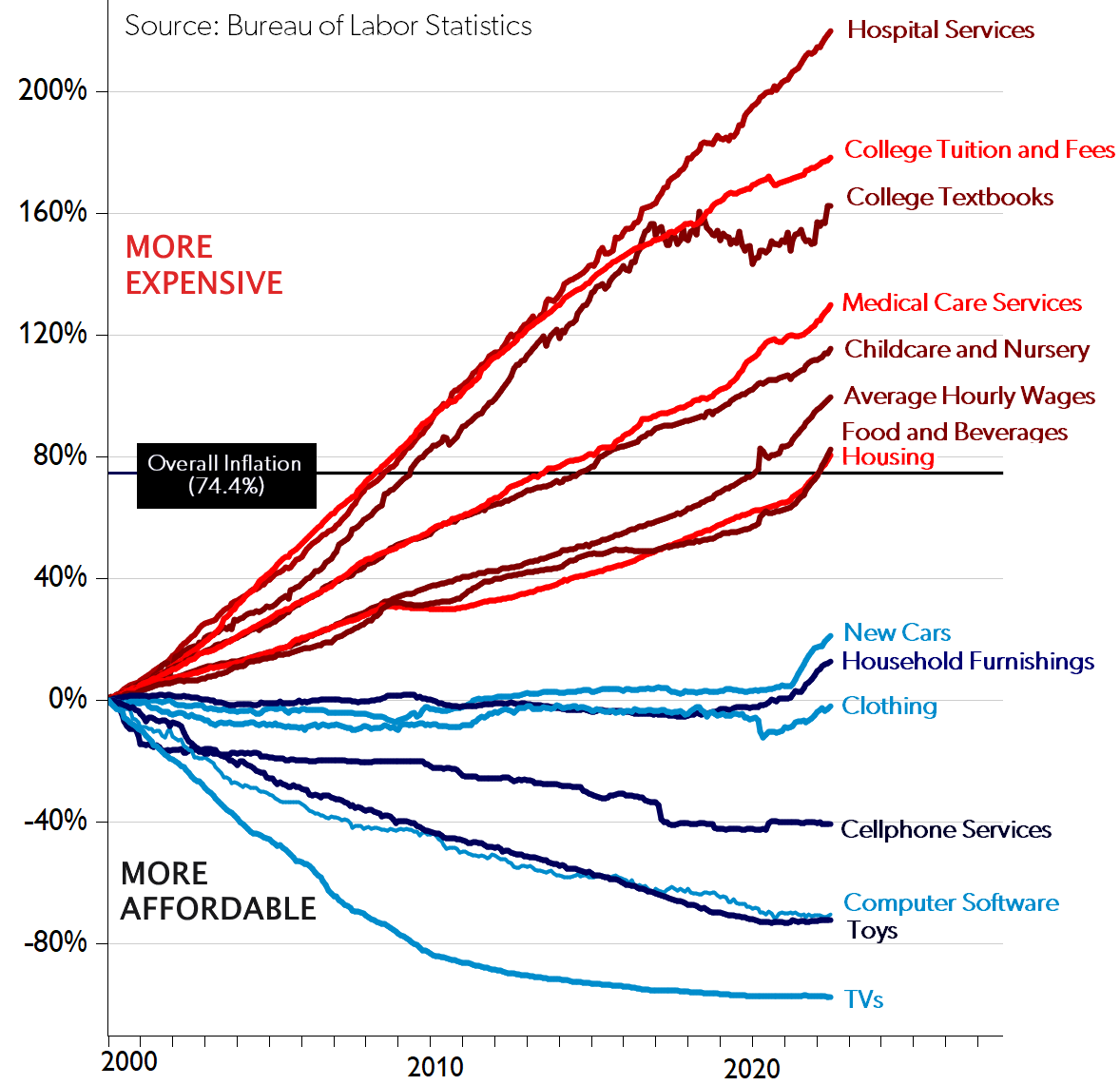
The erosion of the American Dream is not solely economic; it is also deeply political. Atwood expresses profound concern about the health of American democracy, particularly in light of the 2024 presidential election. He points out that 34% of eligible adults did not vote, and when including those ineligible to vote (like non-citizens and convicted felons), a staggering 42% of adults had no say in the election. He raises critical questions about the causes of this disenfranchisement, including voter suppression tactics, gerrymandering (the manipulation of electoral districts to favor one party), and a pervasive feeling among citizens that their vote does not matter. These issues, he contends, undermine America’s standing as the "world’s leading democracy" and erode public trust in the electoral process.
To address these systemic failings, Atwood proposes several concrete reforms aimed at strengthening democratic participation:
- Making Election Day a national holiday: This would remove barriers to voting for many working individuals who struggle to take time off.
- Universal mail-in voting: Expanding access and convenience for all eligible voters, a method proven to increase turnout in many states.
- Adopting ranked-choice voting: This system, which he successfully implemented in Stack Overflow, ensures that all votes carry more weight by allowing voters to rank candidates, potentially leading to more representative outcomes and reducing the impact of spoiler candidates.
- Strengthening election institutions: Bolstering state and local election boards and the Federal Election Commission to ensure fairness and integrity, particularly in an era of heightened scrutiny and challenges to electoral processes.
Political Polarization and the Quest for a Shared Dream
Atwood identifies political polarization as a significant impediment to progress, noting its "historically high levels" and increasing intensity within America’s two-party system. This deep division, he argues, makes governance "counterproductive and even dangerous," questioning whether Americans still share a common understanding of the American Dream itself. Historical data from organizations like the Pew Research Center confirms that partisan divisions on core political values have deepened significantly over the past few decades, reaching levels not seen since the Gilded Age. This deep ideological chasm impacts legislative effectiveness; the last meaningful constitutional amendment passed in the U.S. in 60 years was the 26th Amendment in 1971, lowering the voting age to 18, a testament to the current gridlock and the difficulty of achieving broad consensus on fundamental issues in the present political climate.

Drawing inspiration from S.E. Hinton’s The Outsiders and Robert Frost’s "Nothing Gold Can Stay," Atwood reflects on the iconic phrase "stay gold," interpreting it as "sharing the American Dream." This concept aligns with the foundational principles articulated in the Declaration of Independence: "We hold these truths to be self-evident, that all men are created equal, that they are endowed by their Creator with certain unalienable Rights, that among these are Life, Liberty and the pursuit of Happiness." He laments, however, that the American Dream is "not always available to every American" and its meaning can be "distorted," referencing Jimi Hendrix’s iconic, protest-laden rendition of the national anthem at Woodstock as a powerful artistic expression of this distortion, reflecting deep-seated societal discontent.
Atwood’s ultimate vision for the American Dream is one "founded on love," referencing Martin Luther King Jr.’s philosophy and contrasting it with the "path of hate" depicted in cultural touchstones like Spike Lee’s Do the Right Thing. He believes that despite historical struggles between these two paths, choosing love and unity is essential to improving democracy and ensuring the dream’s accessibility for all. His family’s pledge of half their remaining wealth is explicitly directed towards this vision of an "American Dream founded on love," emphasizing empathy, equity, and collective well-being as core tenets.
Implications and the Path Forward
Jeff Atwood’s significant philanthropic pledge and his public articulation of a re-envisioned American Dream carry substantial implications. His move could serve as a powerful catalyst, potentially inspiring other successful entrepreneurs and high-net-worth individuals to engage in more immediate and impactful philanthropy. By critiquing the delayed nature of some traditional pledges and prioritizing prompt action, Atwood is setting a new standard for wealth distribution aimed at societal improvement, urging a shift from legacy-building to urgent intervention.
His focus on both immediate relief and long-term systemic change, encompassing economic equality and democratic reform, offers a comprehensive model for addressing complex national challenges. The emphasis on strengthening democratic processes, particularly through advocating for reforms like ranked-choice voting and universal mail-in ballots, highlights a direct engagement with the political mechanisms that shape the nation’s future. Furthermore, his personal story, moving from poverty and familial struggle to immense success, yet retaining a deep empathy for those still striving, provides a relatable and compelling narrative for his philanthropic endeavors, demonstrating that the pursuit of personal success can evolve into a commitment to broader societal uplift.
Atwood’s initiative is not presented as a solitary solution but as a starting point. He explicitly invites others to join him in "Sharing the American Dream," offering his advice and empowerment to those working toward similar goals. The announcement of a follow-up blog post, "Let’s Talk About The American Dream," and a public talk at Cooper Union on Thursday, March 20th at 7 pm eastern time, co-presented with former National Security Council official Alexander Vindman, signals a sustained commitment to advocacy and dialogue. These platforms will likely serve to further define the specific long-term efforts his family will support and galvanize broader public engagement around the critical issues he has raised.
In a nation grappling with profound divisions and economic disparities, Atwood’s vision of an "American Dream founded on love" represents a potent aspiration. His actions challenge the status quo, urging a collective re-evaluation of national priorities and a renewed commitment to the ideals of equality, liberty, and the pursuit of happiness for every American. The call to "Stay gold, America" is a poignant plea for the nation to preserve its core values and actively work towards a more inclusive and equitable future, a future where the dream is truly accessible to all.
About the Author