The landscape of personal computing is undergoing a subtle yet significant transformation, as evidenced by veteran software developer and tech blogger Jeff Atwood’s recent system upgrade. After maintaining the same PC case since 2011 and a major component refresh in 2015, Atwood embarked on a new build, observing that traditional PC upgrades have become "really boring." This sentiment, echoing his earlier pronouncements about "the PC is over," points to a shift in priorities within the enthusiast community: away from sheer, unbridled speed as the sole driver, and towards a compelling combination of power and miniaturization. This trend, known as Small Form Factor (SFF) computing, is redefining what a high-performance desktop can be.
A Decades-Long Journey of PC Evolution
Atwood’s personal journey with PC building spans an impressive 13 years, reflecting a broader chronology of desktop computing itself. For decades, the mantra was "bigger is better" – larger cases for more cooling, more expansion slots, and more storage. Enthusiasts chased ever-increasing clock speeds, core counts, and graphical fidelity, often resulting in bulky, tower-style machines. However, the pace of raw performance gains has somewhat plateaued in recent years, making incremental upgrades less impactful and, arguably, less exciting. Modern processors and graphics cards, while significantly more powerful than their predecessors, have also become remarkably power-efficient for their performance output, enabling them to be housed in increasingly compact enclosures.

This shift has given rise to the SFF movement, where the challenge and innovation lie not just in raw component power, but in the art of packing maximum performance into minimum volume. It’s a testament to engineering prowess that today’s compact systems can rival, and often surpass, the capabilities of much larger machines from just a few years ago.
The Allure of Miniaturization: Dan A4 SFX and Streacom DA2
At the forefront of this miniaturization trend are innovative case designs that cater specifically to the SFF philosophy. Atwood’s exploration led him to two prominent examples: the Dan A4 SFX and the Streacom DA2. These cases represent the pinnacle of compact design, engineered to house high-end components within volumes significantly smaller than conventional ATX towers.
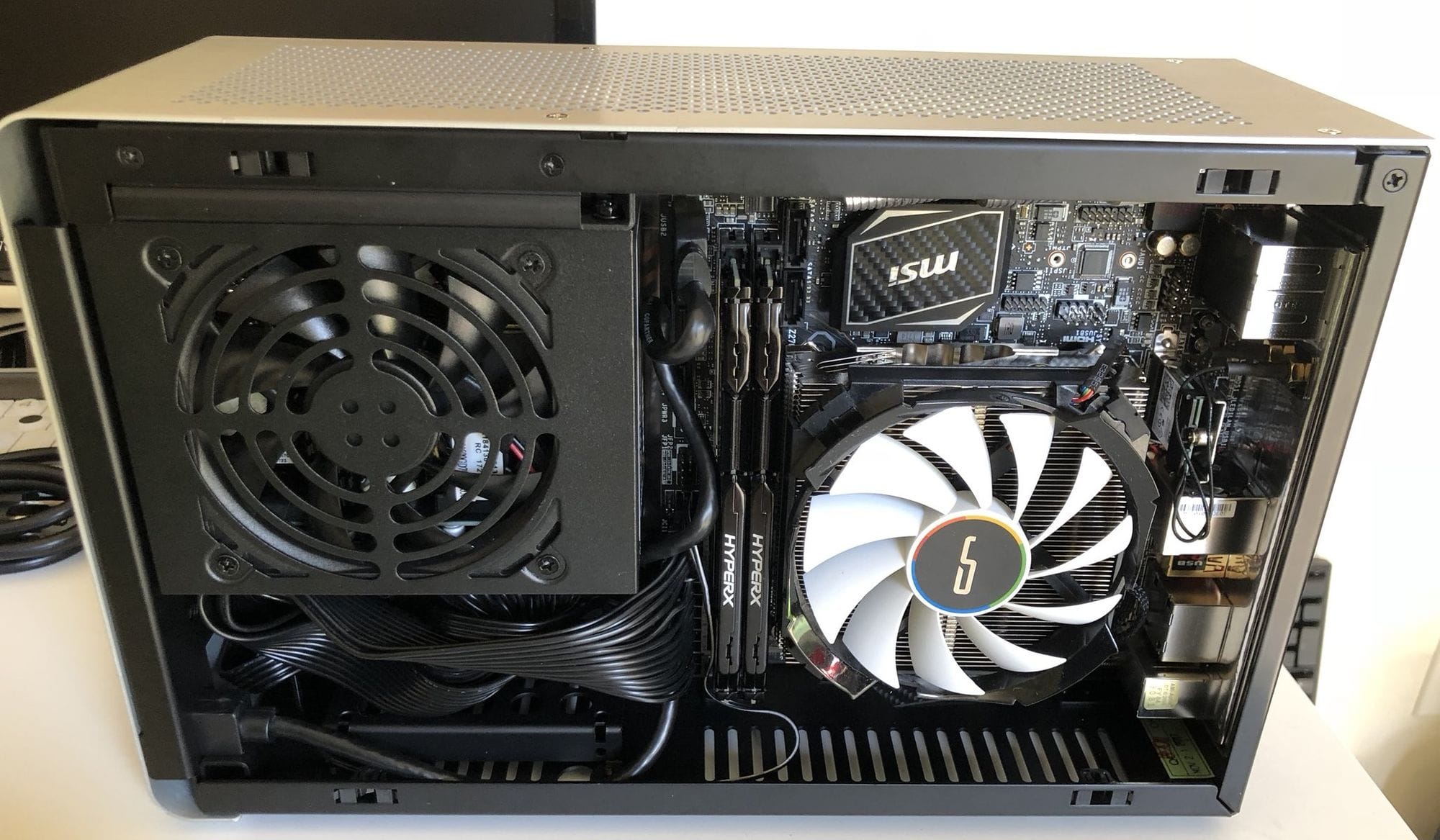
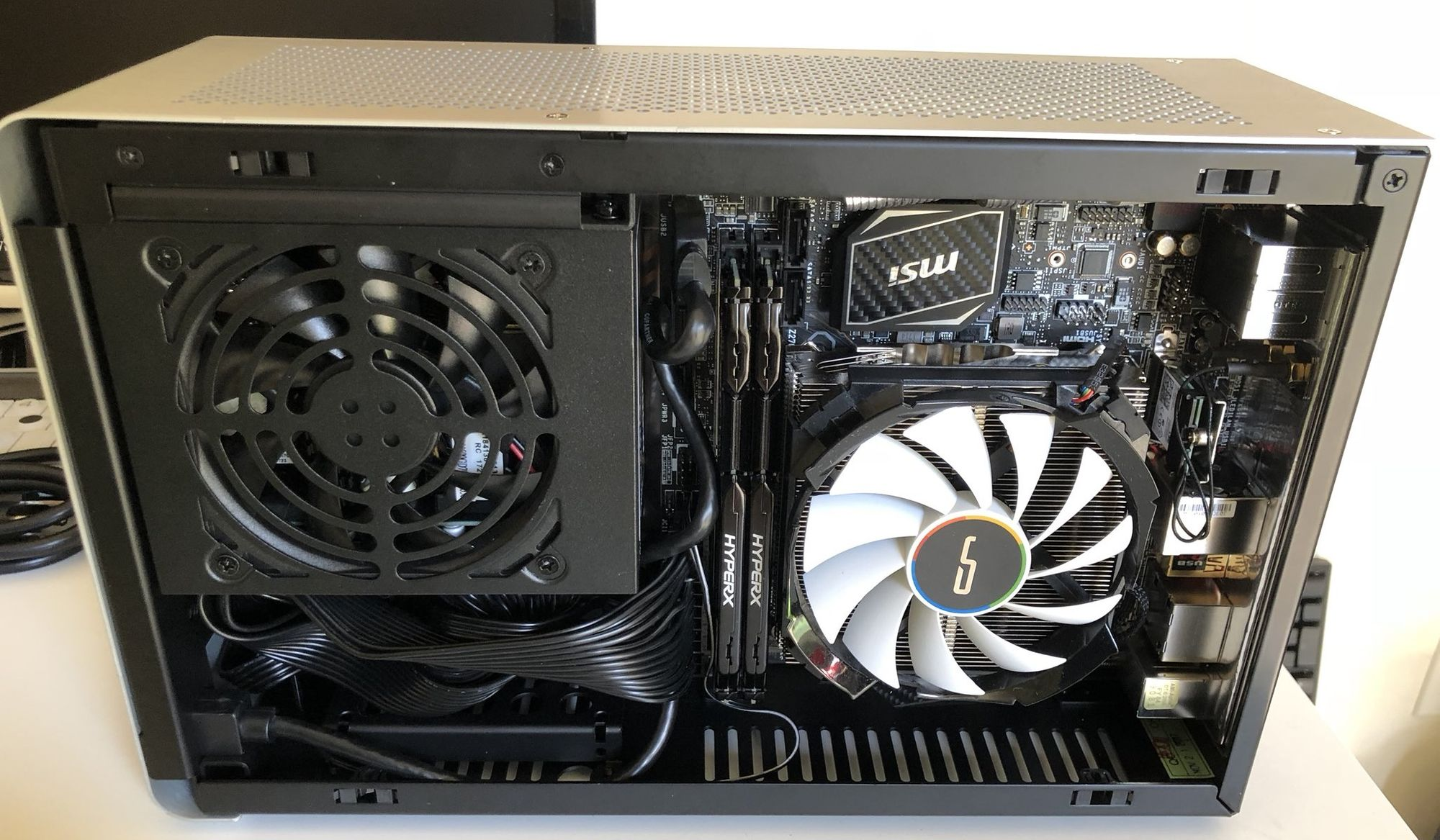
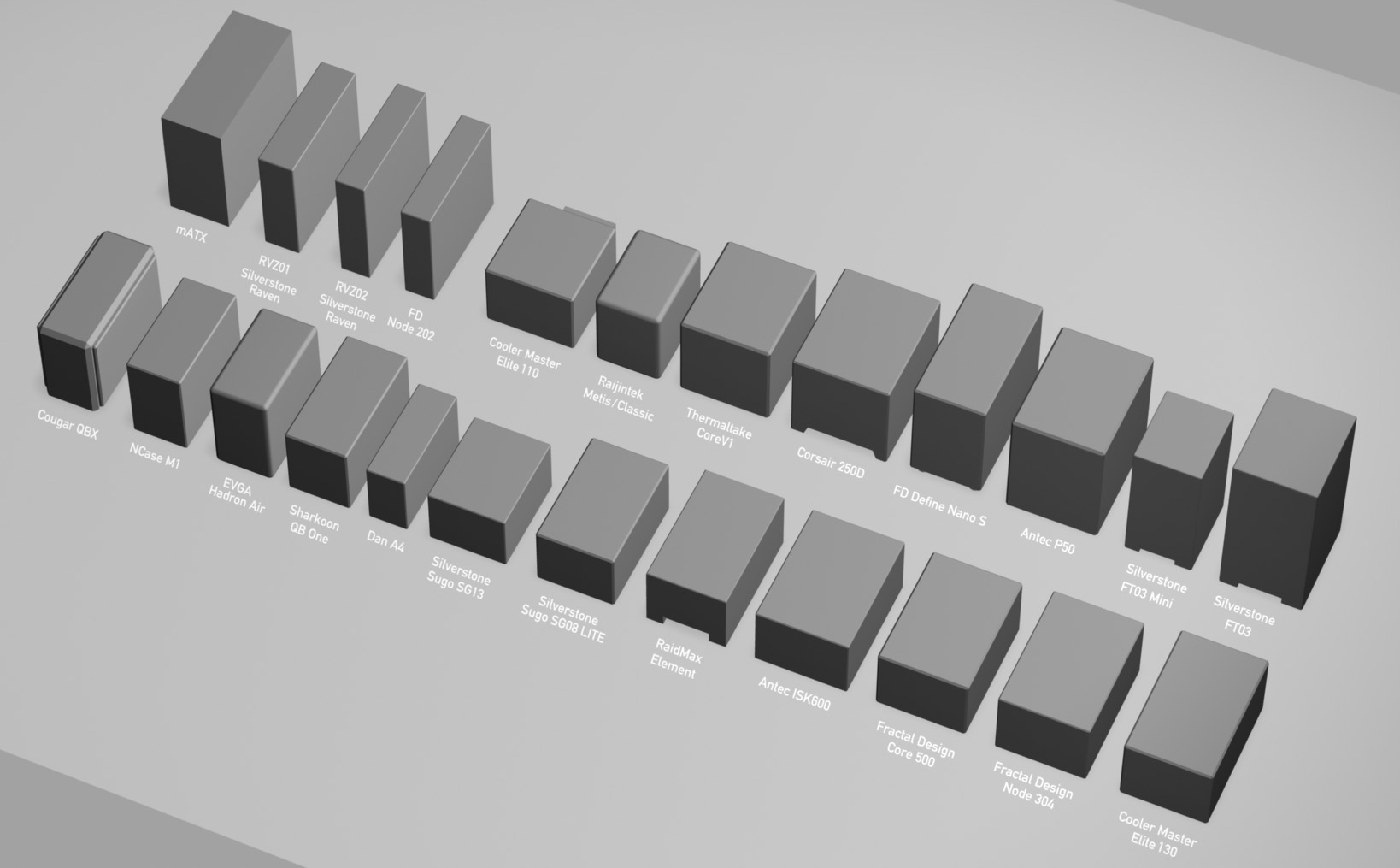
The Dan A4 SFX, measuring a mere 200mm × 115mm × 317mm, translates to an incredibly compact 7.3 liters. To put this into perspective, popular gaming consoles like the PlayStation 4 Pro occupy approximately 5.3 liters, and the Xbox One S about 4.3 liters. Achieving substantially more than twice the computational and graphical power of these consoles within a volume only about 50% larger is a remarkable feat, showcasing the efficiency of modern PC hardware and SFF case design. This case is celebrated for pushing the boundaries of what’s physically possible for a standard mini-ITX system without resorting to custom-fabricated parts.
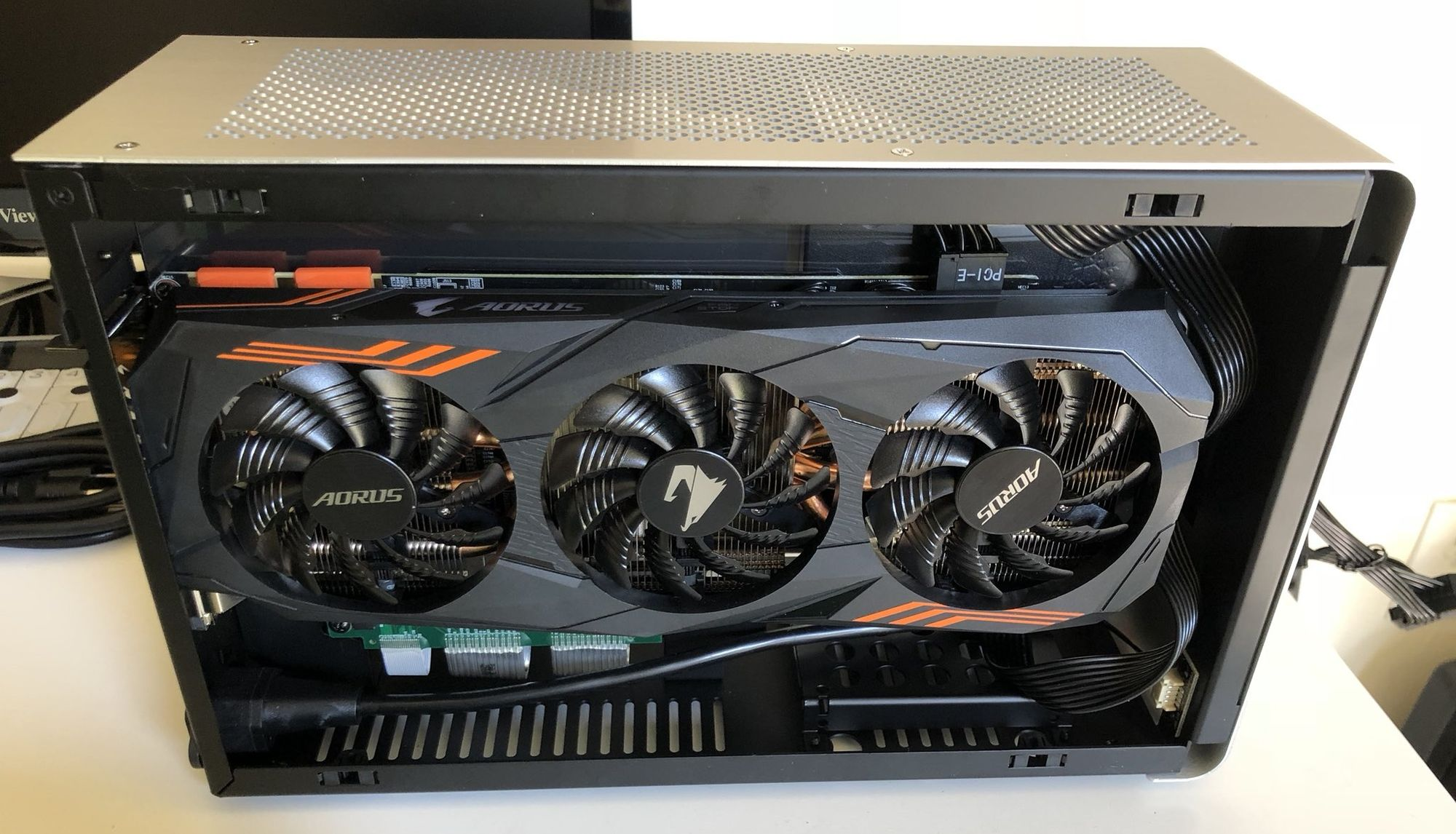
The Streacom DA2, while larger than the A4 SFX at 180mm × 286mm × 340mm (17.5 liters), offers a crucial advantage: more internal volume for enhanced cooling solutions. This becomes critical when deploying the most powerful, and consequently hottest, CPUs and GPUs on the market. Other notable SFF cases in this category include the Silverstone RVZ02/ML08 (12.2 liters) and the community-driven NCASE M1 (12.6 liters), all vying to optimize the delicate balance between size, performance, and thermal management.
Technical Deep Dive: Maximizing Power in Minimum Size
The core attraction of these SFF cases is the ability to achieve "maximum power in minimum size." This objective presents unique engineering challenges, particularly concerning thermal management and component compatibility. High-performance CPUs and GPUs generate substantial heat, and dissipating this heat efficiently within a restricted airflow environment is paramount to maintaining system stability and longevity.
Modern component design has significantly aided the SFF movement. The widespread adoption of M.2 NVMe SSDs, for instance, has eliminated the need for bulky 2.5-inch or 3.5-inch drives, freeing up valuable internal space. Similarly, advancements in power supply unit (PSU) technology have led to the proliferation of compact SFX and SFX-L form factor PSUs that can deliver ample power for high-end components.
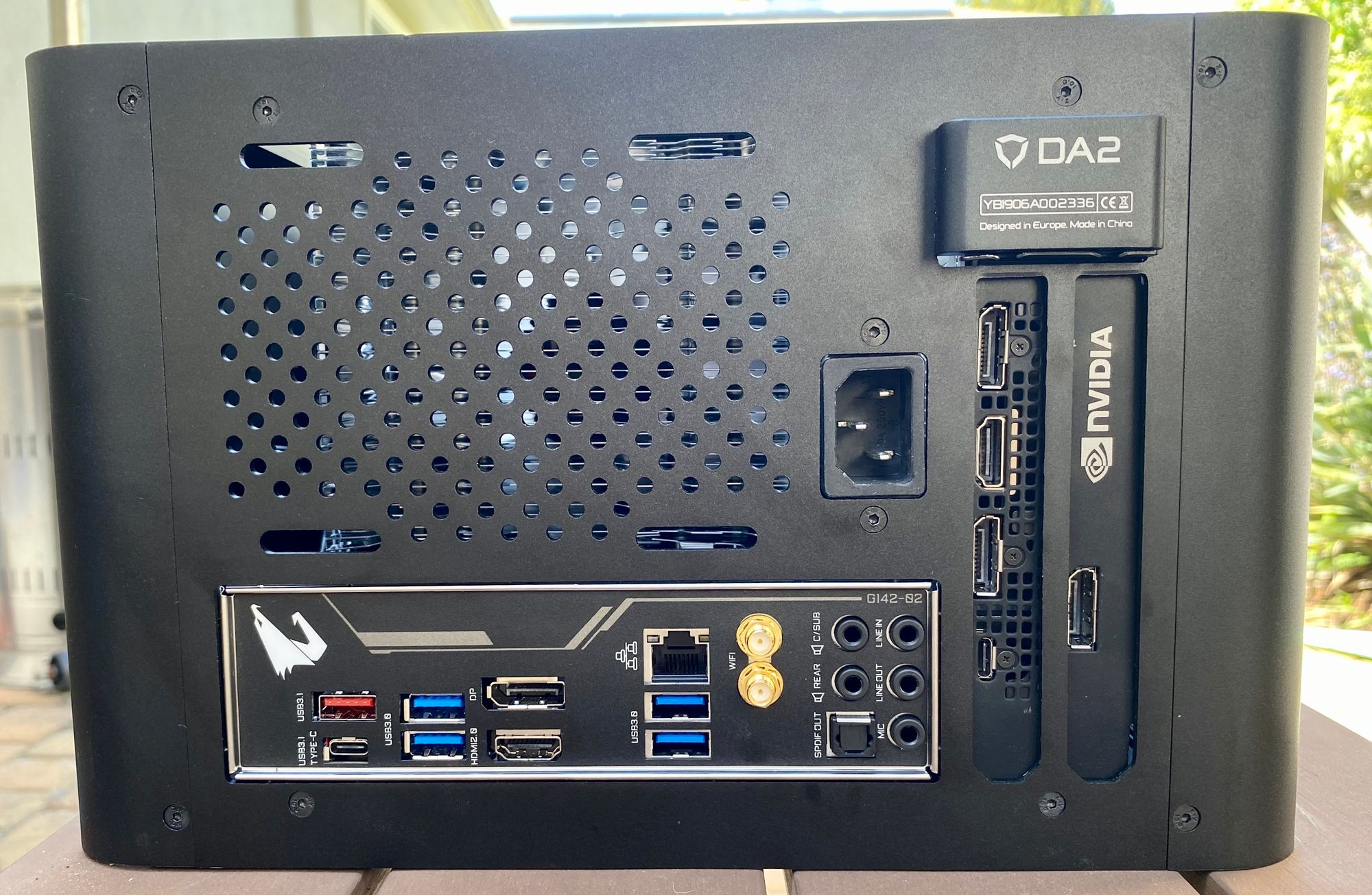
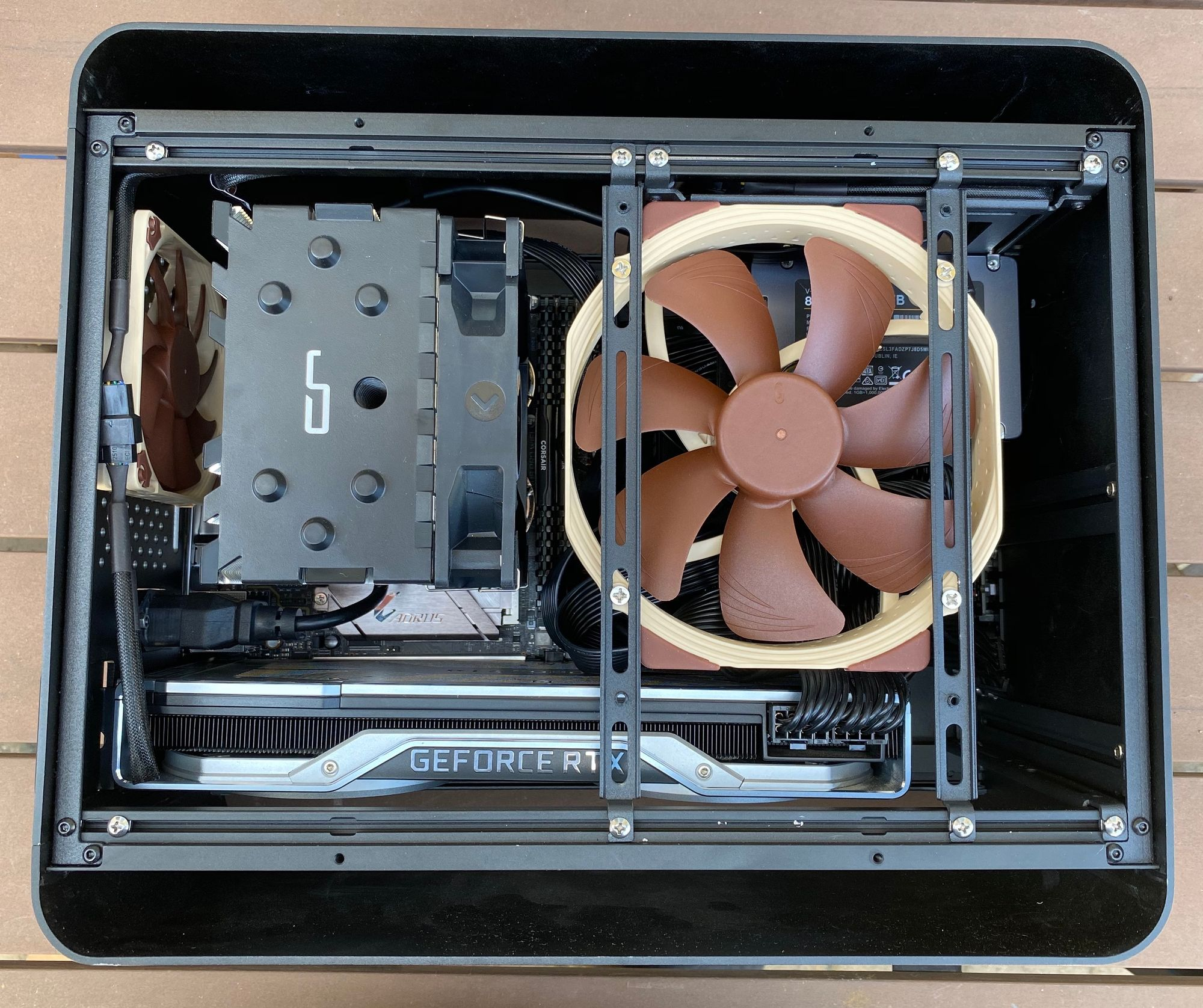
Atwood’s choice of the Streacom DA2 for his personal build highlights the practical considerations of SFF. While the Dan A4 SFX excels in sheer compactness, the DA2’s slightly larger footprint provides critical breathing room. Its hybrid open-air design (top and bottom) and versatile horizontal and vertical bracket system interior allow for greater flexibility in component layout and, crucially, cooling solutions.
Cooling Strategies for Compact Powerhouses
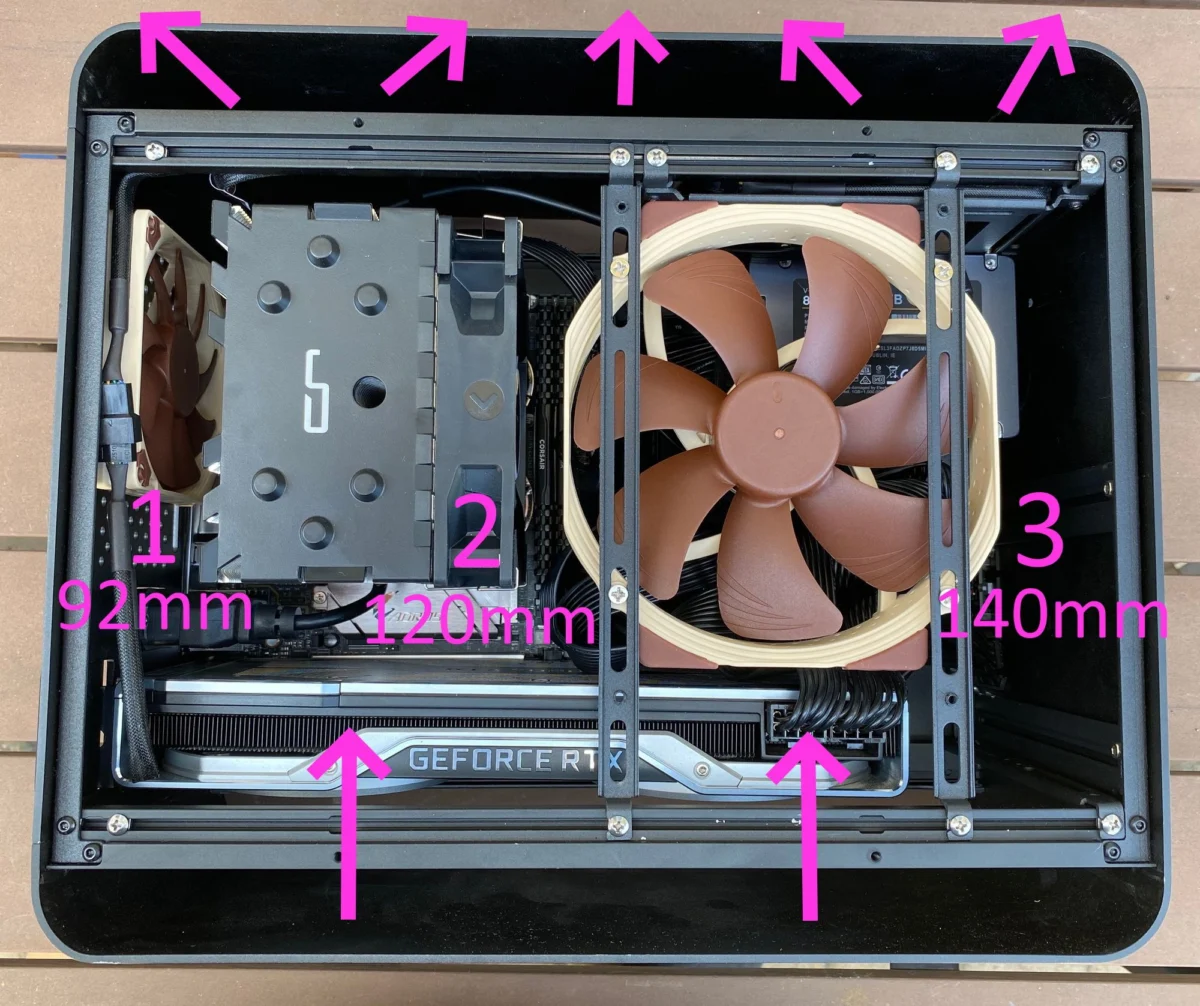
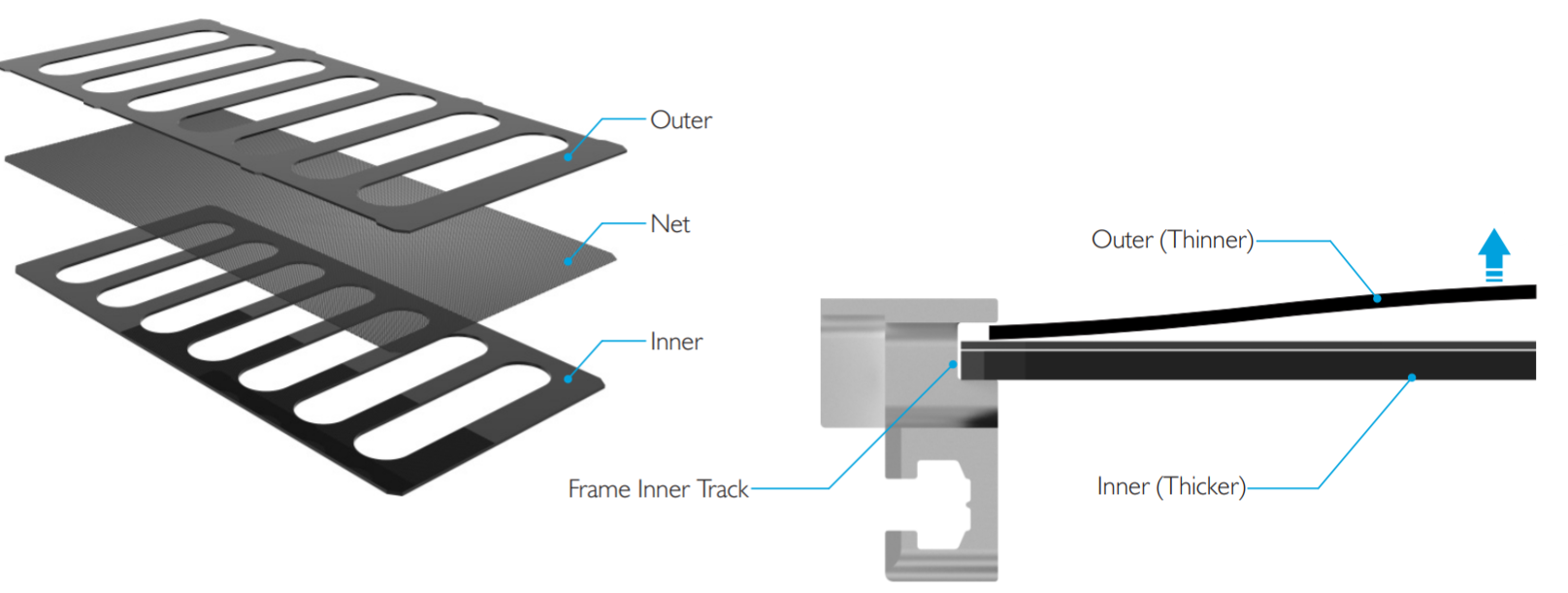
Effective cooling is arguably the most critical aspect of a high-performance SFF build. Atwood’s experience with the DA2 underscores this point. He noted "dramatically better temperatures" after removing the top and bottom acrylic panels and their mesh dust nets, allowing the case to "fully breathe." This modification is vital given the DA2’s solid front panel, which restricts airflow from one side.
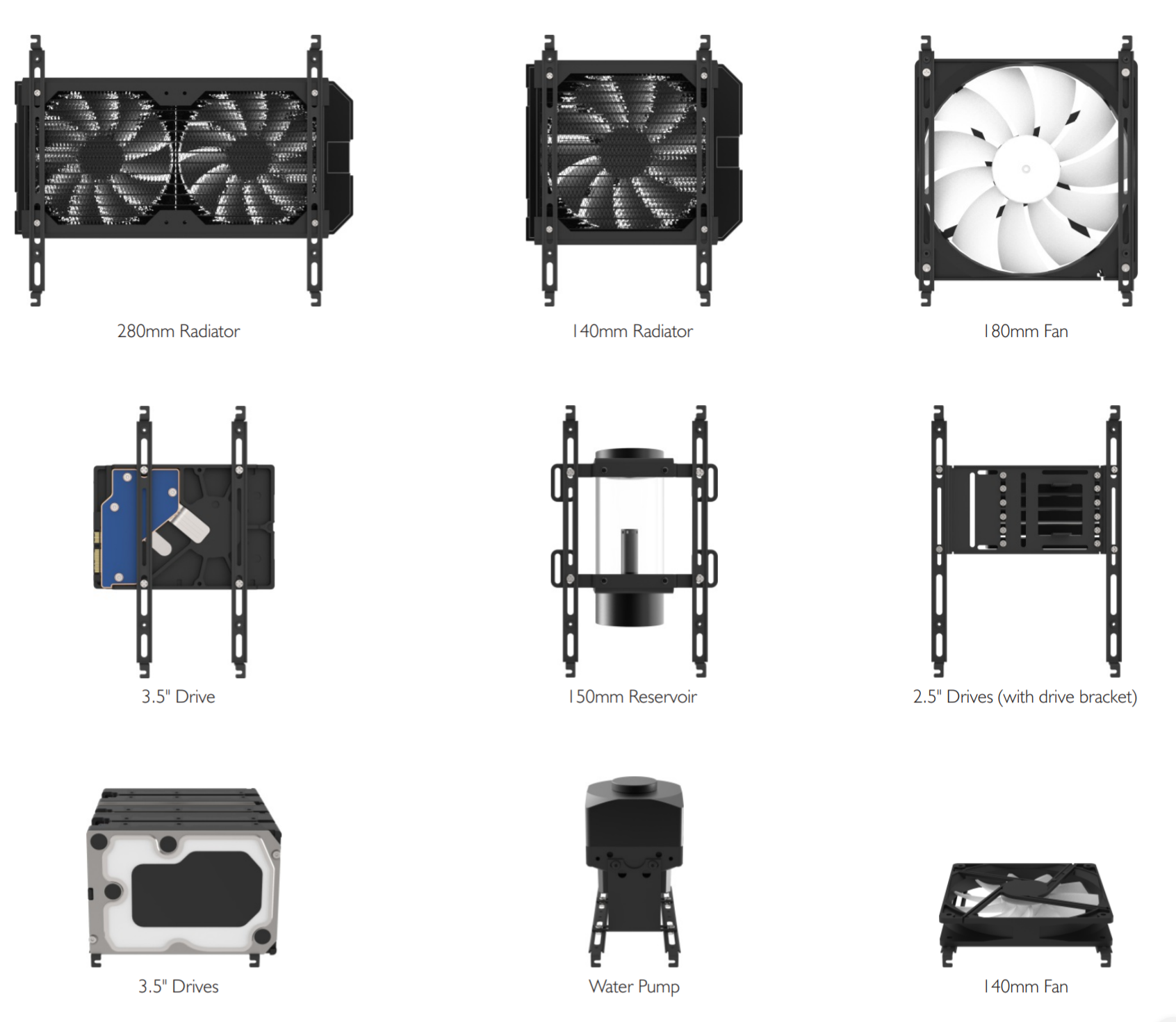
For optimal thermal performance, Atwood recommends a configuration with open top and bottom panels and three fans in total. One common strategy in the DA2 is to mount an exhaust fan at the rear, drawing hot air out, and one or two intake fans at the bottom, pulling cool air in directly over the GPU. The versatile bracket system of the DA2 allows for various fan and radiator configurations, accommodating both air coolers and all-in-one (AIO) liquid cooling solutions.
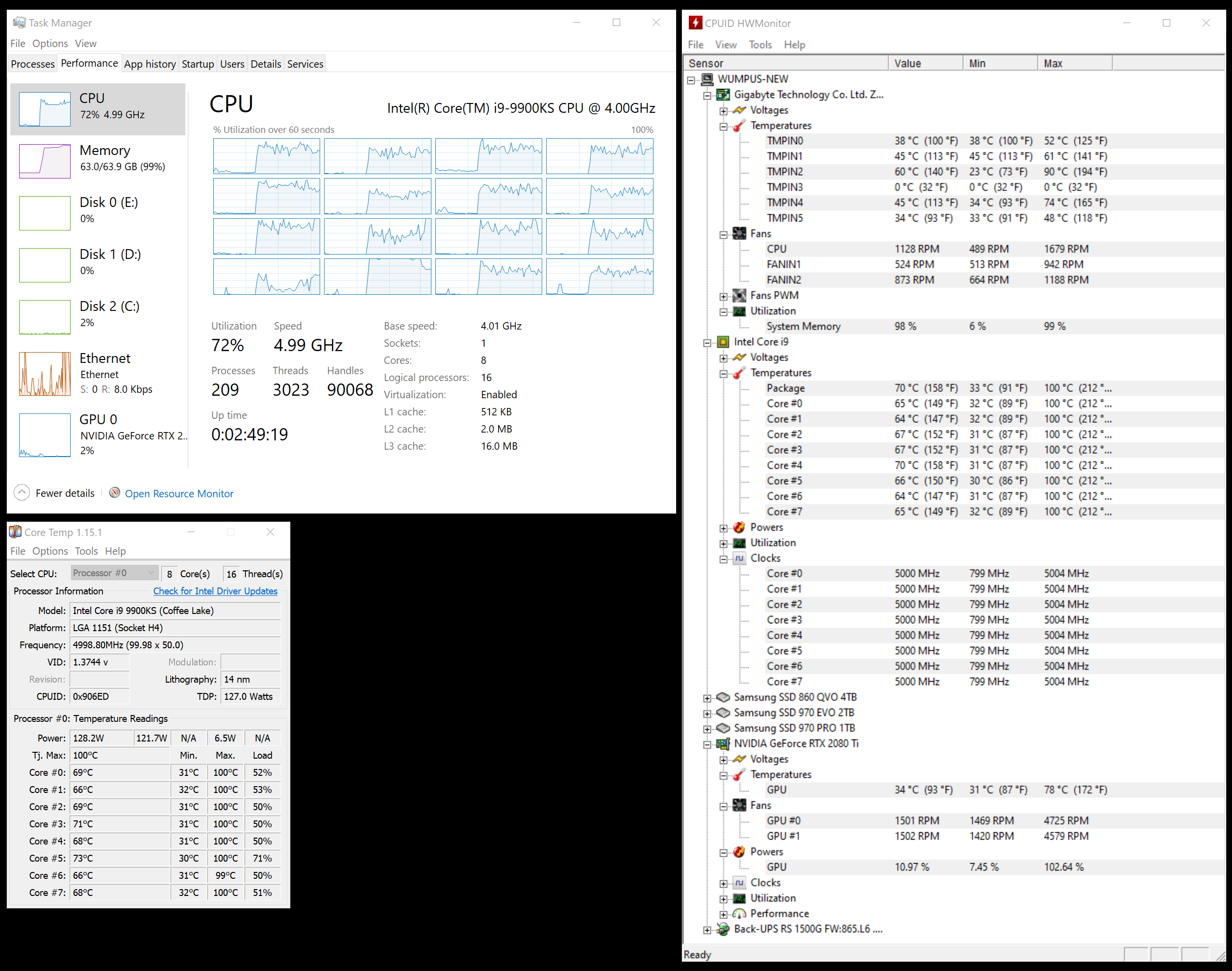
While Atwood, citing "traumatic cooling fluid leaks in the early 2000s," prefers air cooling, he acknowledges that for sustained, heavy CPU and GPU loads, liquid cooling might be necessary, or alternatively, opting for slightly less powerful components to manage heat output. Rigorous "burn-in testing" – subjecting the system to prolonged periods of maximum load – is a standard practice for SFF builders to ensure stability under demanding conditions.
Atwood’s Upgrade: A Leap in Performance and Efficiency
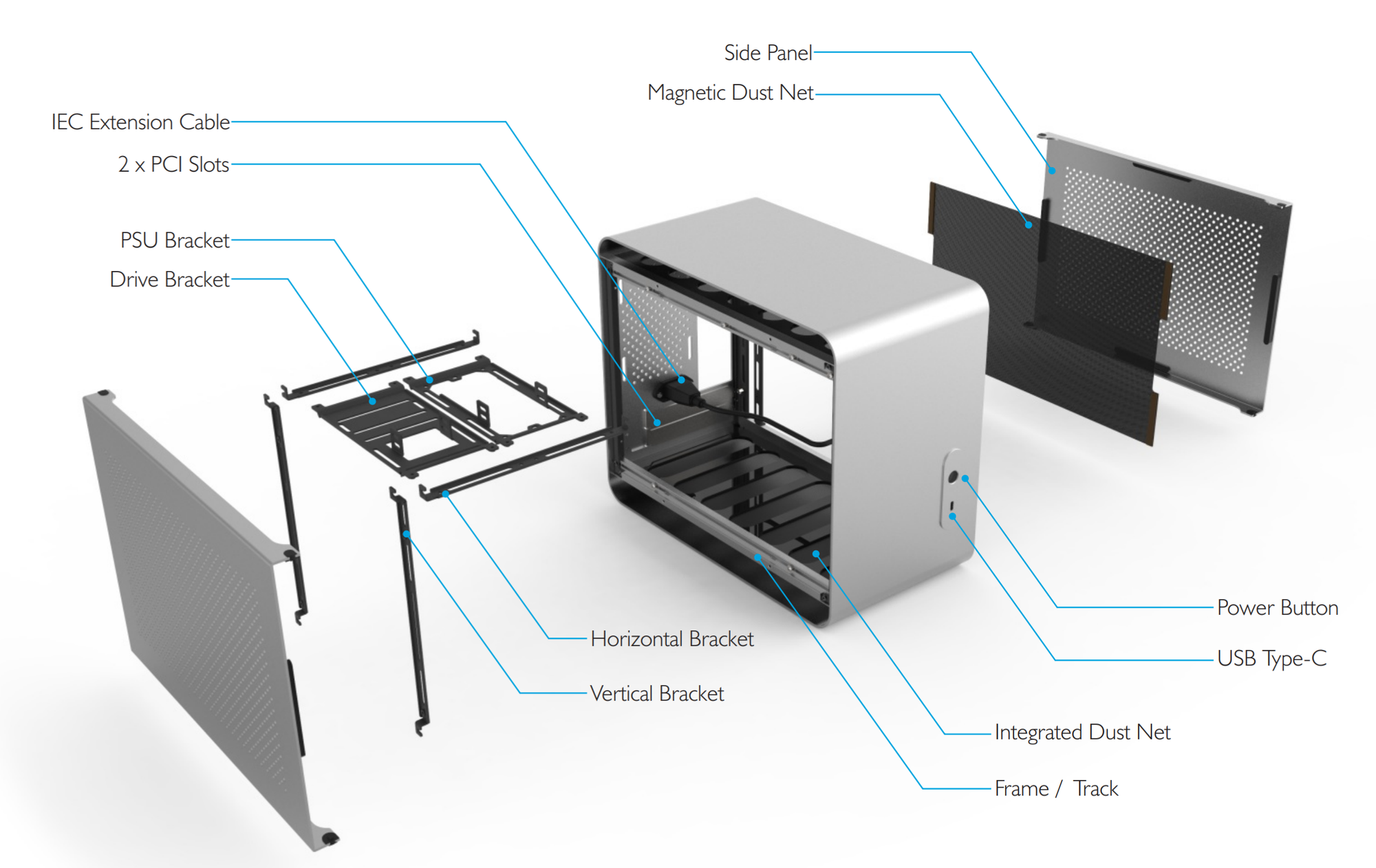
Atwood’s new system represents a significant generational leap from his previous 2015-2017 build, which featured a slightly overclocked Intel i7-7700k. The upgrade delivers double the core count, faster cores (both in clock rate and Instructions Per Cycle, or IPC), double the memory, and double the M.2 slots (two versus one). This translates to a substantial boost in multi-threaded performance, gaming capabilities, and overall system responsiveness, all contained within the sleek 17.5-liter Streacom DA2 chassis.
The process of building a modern PC, particularly an SFF one, has also become more streamlined. As Atwood notes, with M.2 drives, memory, CPU, and cooler often installed directly onto the motherboard before it even goes into the case, much of the complexity has been reduced. This ease of assembly, combined with the aesthetic appeal and performance density of SFF systems, makes them increasingly attractive to a wider audience beyond just hardcore enthusiasts.
Industry Response and Broader Implications
The rise of SFF PCs is not merely a niche hobby; it reflects a broader industry response to evolving consumer demands. Manufacturers like DAN Cases, Streacom, Silverstone, and NCASE are directly catering to this segment by investing in research and development for highly optimized cases. Their commitment to innovative designs and meticulous engineering demonstrates a recognition that compactness and aesthetics are now as important as raw performance for a significant portion of the PC market.
The implications of this trend are multifaceted:
- For PC Enthusiasts: SFF offers a new frontier for customization and technical challenge, moving beyond traditional benchmarks to focus on thermal efficiency and compact design.
- For the Mainstream Market: As SFF components become more accessible and building processes simplify, the idea of a powerful, discreet desktop PC that blends seamlessly into any environment becomes more appealing, potentially challenging the dominance of larger pre-built systems.
- For Component Manufacturers: There is an increased demand for components optimized for SFF builds, such as low-profile CPU coolers, compact GPUs, and efficient SFX power supplies.
- Environmental Impact: While not explicitly discussed in the original article, smaller systems generally require fewer raw materials and potentially less energy for operation and cooling over their lifespan, contributing to a more sustainable computing future.
In conclusion, Jeff Atwood’s latest PC build serves as a poignant illustration of the ongoing evolution in desktop computing. The focus has shifted from mere speed to the sophisticated integration of immense power within remarkably compact dimensions. This trend of "packing all that power into less than 20 liters of space" represents a significant innovation for 2020 and beyond, promising a future where high-performance personal computers are not only more capable but also more aesthetically refined and adaptable to modern living spaces. The era of the small form factor PC is undoubtedly here, charting a new course for the desktop experience.
About the Author