The extended reality (XR) industry is entering a pivotal phase as major technology conglomerates prepare to unveil a new generation of hardware, led by the anticipated launch of Valve’s Steam Frame. Following months of speculation and a series of high-profile leaks, the Steam Frame is expected to debut in the final weeks of the third quarter of 2026. This launch coincides with a broader industry mobilization, including Meta’s upcoming Connect conference and ByteDance’s strategic pivot toward AI-integrated spatial computing. As the market navigates a significant downturn in global headset shipments, these upcoming releases represent a critical attempt to revitalize consumer interest through improved form factors and advanced artificial intelligence.
The Imminent Launch of the Valve Steam Frame
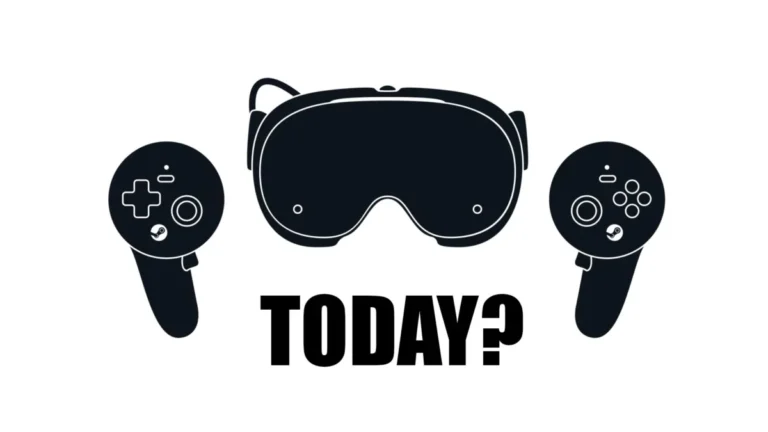
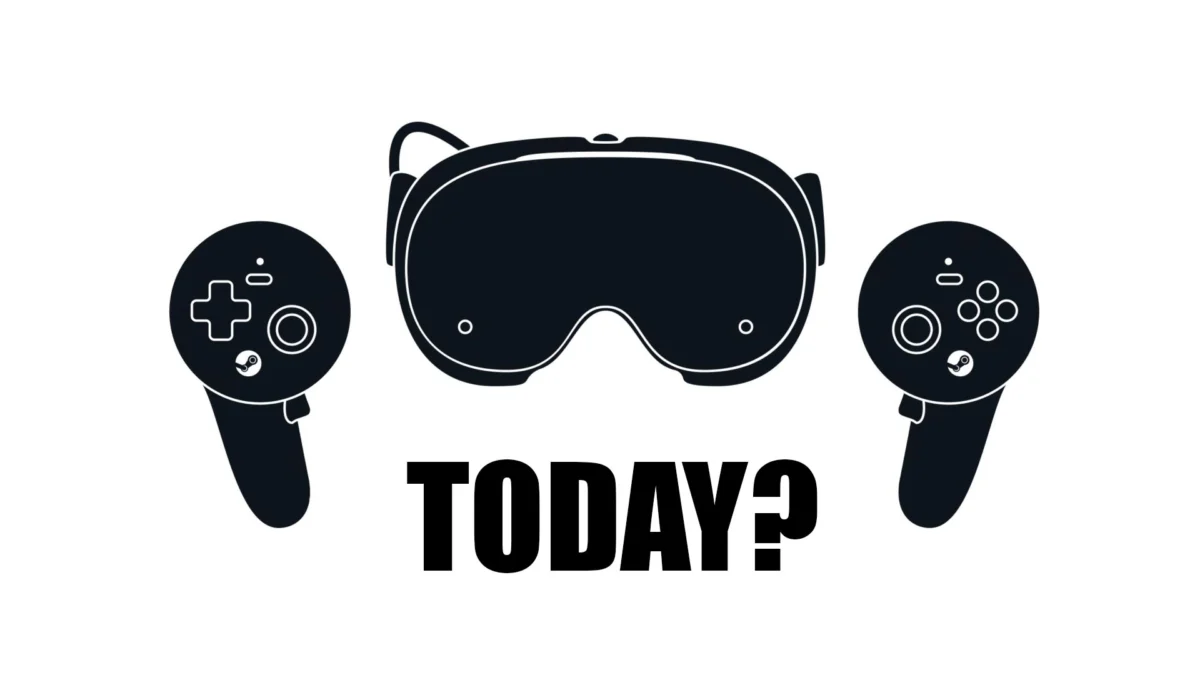
Valve Corporation appears set to conclude its summer release window with the official unveiling of the Steam Frame. Industry analysts and enthusiasts have identified several indicators suggesting an immediate launch, including significant updates to the SteamVR platform and the integration of eye-tracked foveated rendering in high-profile titles such as No Man’s Sky. The Steam Frame represents Valve’s first major hardware foray into the virtual reality space since the 2019 release of the Valve Index, which set the standard for high-fidelity PC VR.
Recent leaks have provided a preliminary glimpse into the device’s capabilities. A prematurely released unboxing video from a prominent technology outlet suggested that the Steam Frame functions as a refined, wireless successor to the Index. While the video was quickly retracted, it confirmed a "tether-free" experience that maintains the high-performance standards associated with Valve’s hardware ecosystem. Speculation regarding the price point remains centered around the $1,000 mark, positioned to compete with both high-end enthusiast headsets and mid-range consumer devices. The transition to a standalone or hybrid model signifies Valve’s recognition of the industry-wide shift toward mobility and ease of use.

Meta Phoenix and the Evolution of VR Glasses
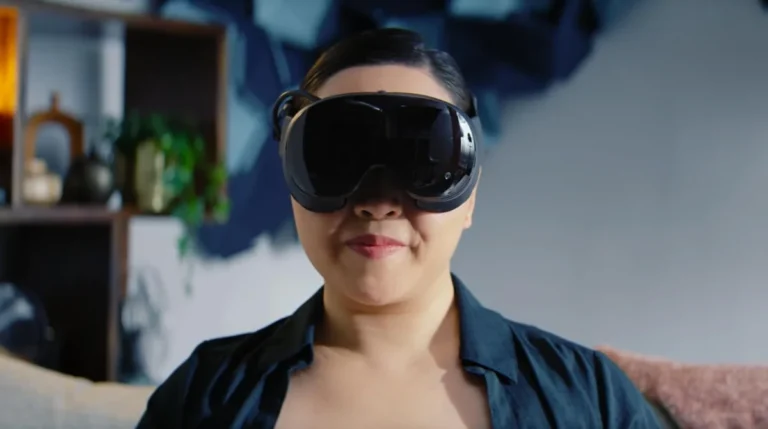
Meta Platforms is expected to dominate the late-September discourse with its annual Connect event, where the company is rumored to showcase "Project Phoenix." Leaked visuals, attributed to internal sources, depict a device that deviates significantly from the traditional "goggles" form factor. The Phoenix headset appears to be a lightweight, slim-profile device that Meta may categorize as "VR glasses."
Technical analysis of the leaked images suggests a reduced field of view (FOV), estimated at approximately 90 degrees, which allows for a more compact and elegant design. The device features downward-facing tracking cameras, indicating a heavy reliance on sophisticated hand-tracking and gesture-based interaction rather than traditional controllers. This design philosophy aligns with Meta’s long-term goal of blending augmented and virtual reality into a wearable that can be used for extended periods without the physical fatigue associated with heavier headsets like the Quest 3 or Quest Pro.
ByteDance and the Integration of AI World Models
While Valve and Meta focus on hardware aesthetics and performance, ByteDance—the parent company of Pico—is reportedly pursuing a software-centric competitive advantage. The delayed launch of the Pico Space Pro, now rescheduled for the fourth quarter of 2026, is believed to be a strategic move to integrate a proprietary AI world model.
Reports suggest that ByteDance is developing an AI system capable of generating real-time spatial environments. Based on the "Seedance" video generation model, this technology would allow users to create interactive, 360-degree environments from simple text or image prompts. The technical specifications are ambitious, targeting a frame rate of 20 frames per second with a latency of 0.05 seconds by utilizing cloud-based rendering. This "Holodeck" approach to VR content creation could fundamentally change how users interact with spatial computing, moving away from static, pre-rendered environments toward dynamic, user-generated worlds. ByteDance founder Zhang Yiming is reportedly overseeing the project, highlighting its importance to the company’s future in the XR sector.

Apple’s Stealth Hardware Teasers
Apple Inc. continues to maintain a more guarded approach following the recent launch of the Apple Duo, its first foldable smartphone. However, a cryptic ten-second teaser shared by senior leadership has sparked intense speculation regarding the company’s next move in the wearable space. The video, which features a curved, lens-like object being gradually illuminated, has led many to believe that Apple is preparing to announce either a more affordable version of the Vision Pro or its long-rumored smart glasses.
While some analysts suggest the teaser could relate to new camera technology for the iPhone lineup, the timing—occurring amidst a flurry of competitor announcements—suggests a strategic effort to maintain mindshare in the XR market. Apple’s entry into the "smart glasses" category would provide a direct counterpoint to Meta’s Ray-Ban collaboration and RayNeo’s recent camera-free hardware offerings.
Market Context and Industry Volatility
The flurry of new hardware announcements comes at a challenging time for the XR industry. Data from Omdia indicates that global XR headset shipments fell by 39% in the first half of 2026 compared to the same period in 2025. This decline is largely attributed to market saturation of older models and a lack of "killer apps" that justify the high cost of entry for mainstream consumers.
The financial strain on the ecosystem is further evidenced by the recent closure of Polyarc Games, the award-winning studio behind the Moss franchise. Despite the critical and commercial success of its flagship titles, the studio was unable to sustain operations in a climate where venture capital for VR-exclusive development has tightened and experimental PvP titles have struggled to find consistent audiences. The loss of such a high-profile developer serves as a cautionary tale for the industry, emphasizing the need for hardware manufacturers to provide robust support and sustainable monetization paths for content creators.

Public Perception and Social Challenges
As hardware becomes more integrated into daily life, public pushback regarding privacy and social etiquette is increasing. In London, reports have emerged of public "disposal bins" specifically targeting camera-equipped smart glasses, such as the Ray-Ban Meta series. This localized protest highlights a significant hurdle for the "smart glasses" category: the tension between technological utility and the public’s desire for privacy in shared spaces. Manufacturers like RayNeo have responded by releasing camera-free versions of their hardware, focusing on head-up displays (HUD) and audio features rather than recording capabilities, a trend that may gain traction if social friction persists.
Chronology of Upcoming XR Milestones
The next several weeks are expected to define the trajectory of the XR market through 2027. The following timeline outlines the key events:
- Mid-September 2026: Expected launch of the Valve Steam Frame and the commencement of pre-orders.
- September 16, 2026: Snap Inc. is scheduled to unveil its latest generation of Spectacles, likely focusing on advanced AR features for developers.
- September 23, 2026: Meta Connect begins, featuring the official reveal of Project Phoenix and updates on the Horizon OS ecosystem.
- Q4 2026: Expected release of the Pico Space Pro featuring ByteDance’s AI world-building tools.
- Late 2026: Anticipated Apple hardware event to clarify the nature of its teased "curved" device.
Conclusion and Broader Implications
The simultaneous moves by Valve, Meta, ByteDance, and Apple suggest a market in transition. The industry is moving away from the "early adopter" phase, characterized by bulky, tethered headsets, toward a more fragmented but specialized landscape of wireless "VR glasses" and AI-driven platforms. The success of the Steam Frame will serve as a barometer for the enthusiast PC VR market, while Meta’s Phoenix will test consumer appetite for wearable, everyday spatial computing. As these giants compete, the integration of generative AI and the resolution of social privacy concerns will likely be as important as the hardware specifications themselves in determining the long-term viability of the XR ecosystem.
About the Author