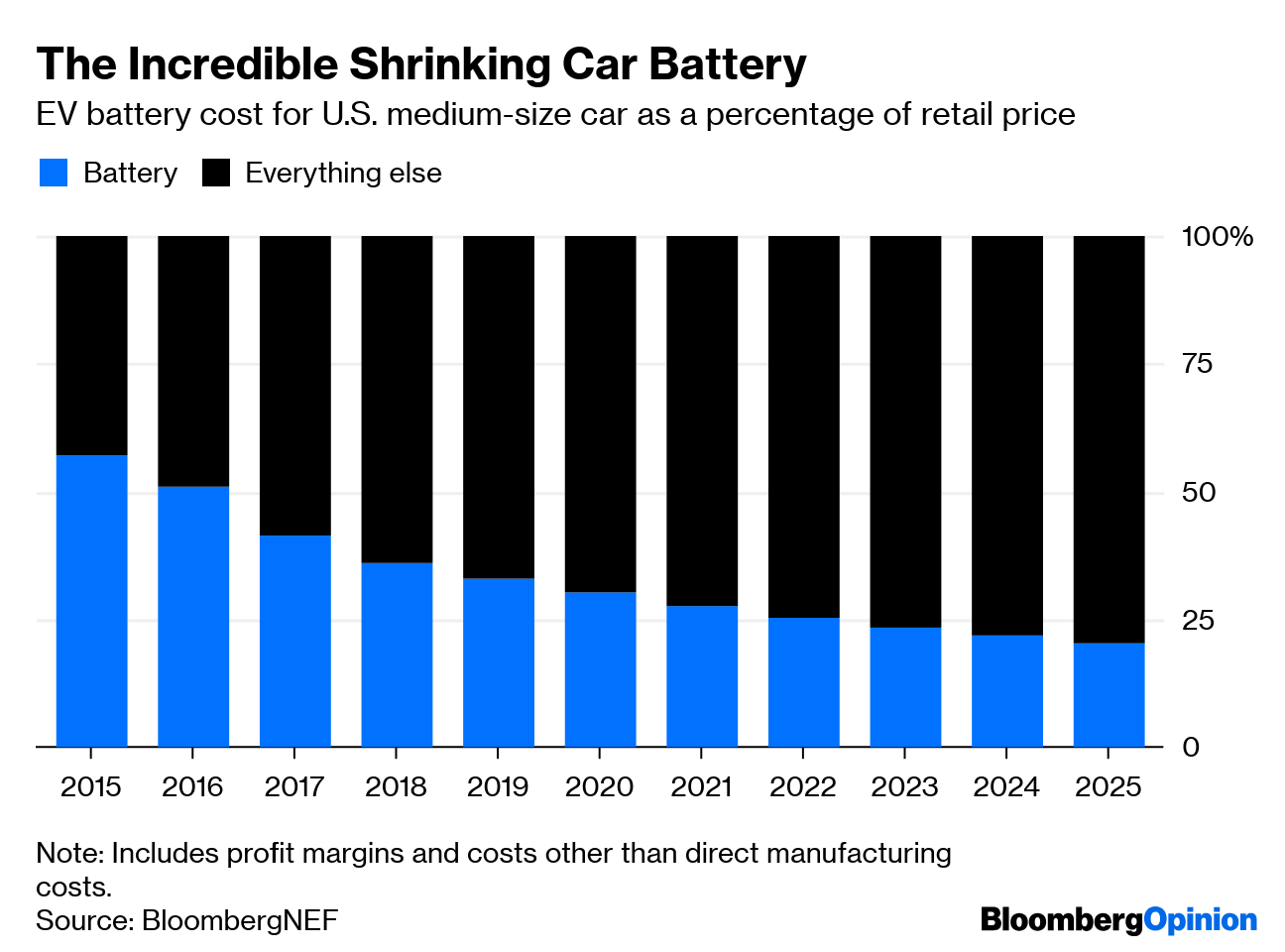
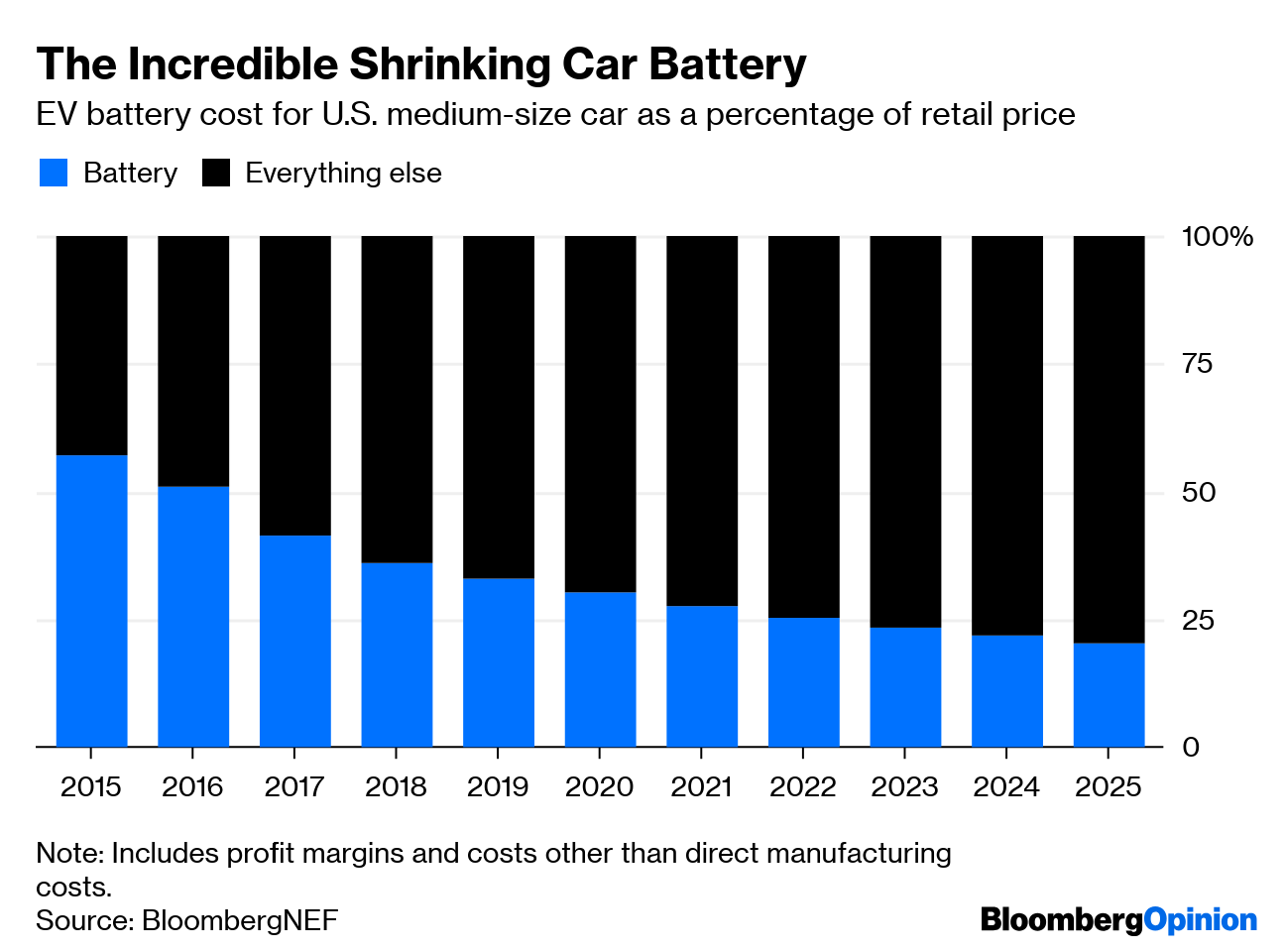
The significant reduction in the cost of lithium-ion batteries is fundamentally reshaping the landscape of personal transportation, most visibly evidenced by the dramatic affordability of electric scooters. Historically, the enormous battery pack has constituted a major portion of an electric vehicle’s price, and as electric car prices have steadily decreased, it logically follows that battery costs are the primary driver, rather than substantial shifts in the manufacturing expenses of rubber, aluminum, glass, and steel. This principle is even more pronounced in electric scooters, which, as inherently lightweight, compact, and simple machines, are little more than a battery and an electric motor, making their pricing highly sensitive to energy storage costs.
The Battery Revolution: From Lead-Acid to Lithium-Ion
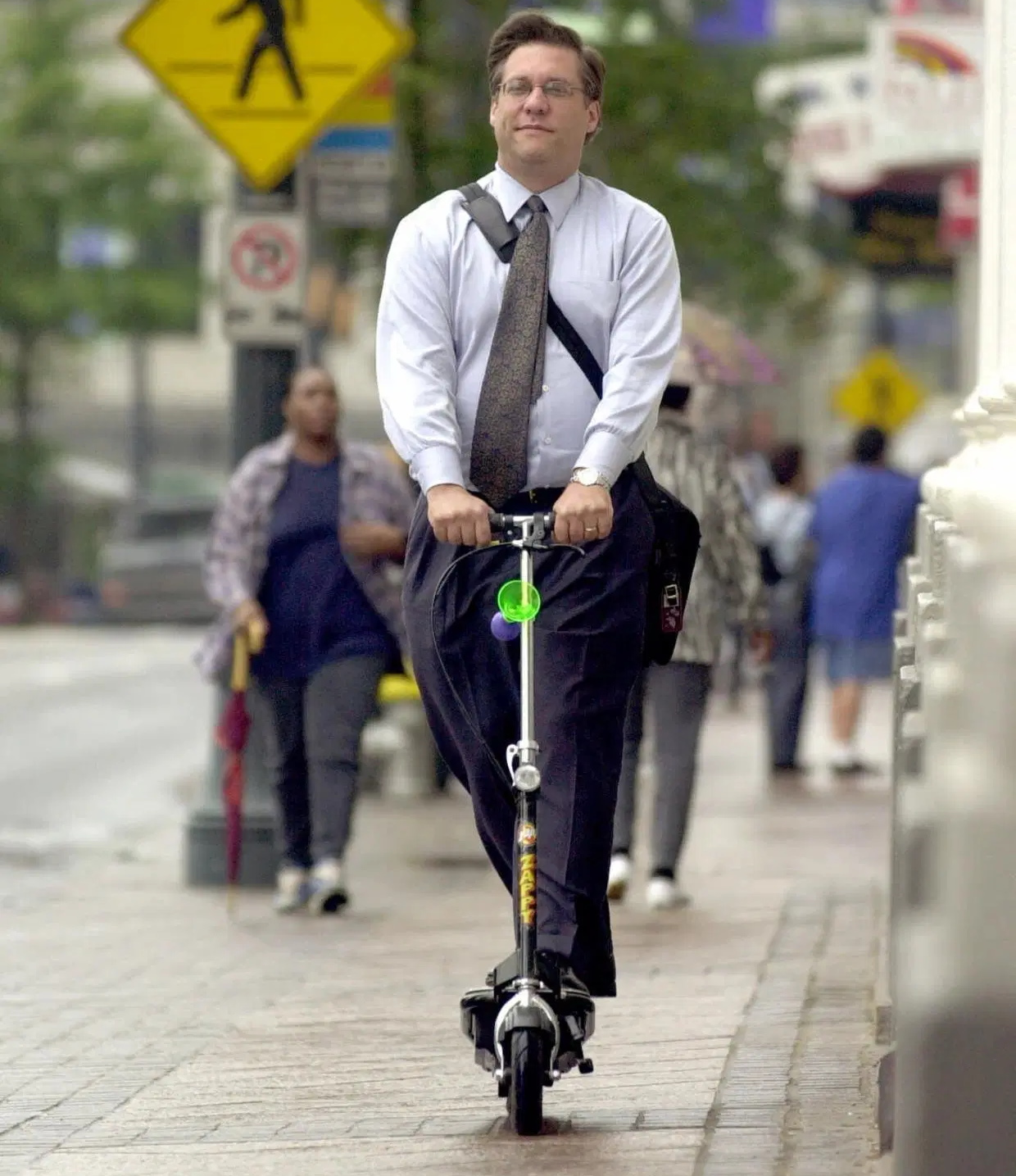
The journey of electric personal mobility is intrinsically linked to the evolution of battery technology. Two decades ago, attempts at widespread electric scooter adoption, such as the Zappy electric scooter, were largely thwarted by the limitations of lead-acid batteries. These older power sources were characterized by their prohibitive weight, insufficient power output, limited range, and lengthy charging times – critical deficiencies that rendered electric vehicles of the era largely unviable. The narrative was similar for early electric cars around the year 2000. It was only with the maturation and widespread commercialization of lithium-ion battery technology that both electric cars and electric scooters, along with a multitude of other electric devices, became practical and desirable consumer products.
This technological leap is underscored by staggering data on battery cost reduction. According to BloombergNEF, the average price of a lithium-ion battery pack plummeted from over $1,100 per kilowatt-hour (kWh) in 2010 to an estimated $132 per kWh in 2021, with further reductions anticipated. This exponential decline in energy storage costs has unlocked previously unimaginable possibilities for electric vehicles of all scales.
A Case Study in Affordability: The Xiaomi Mi M365

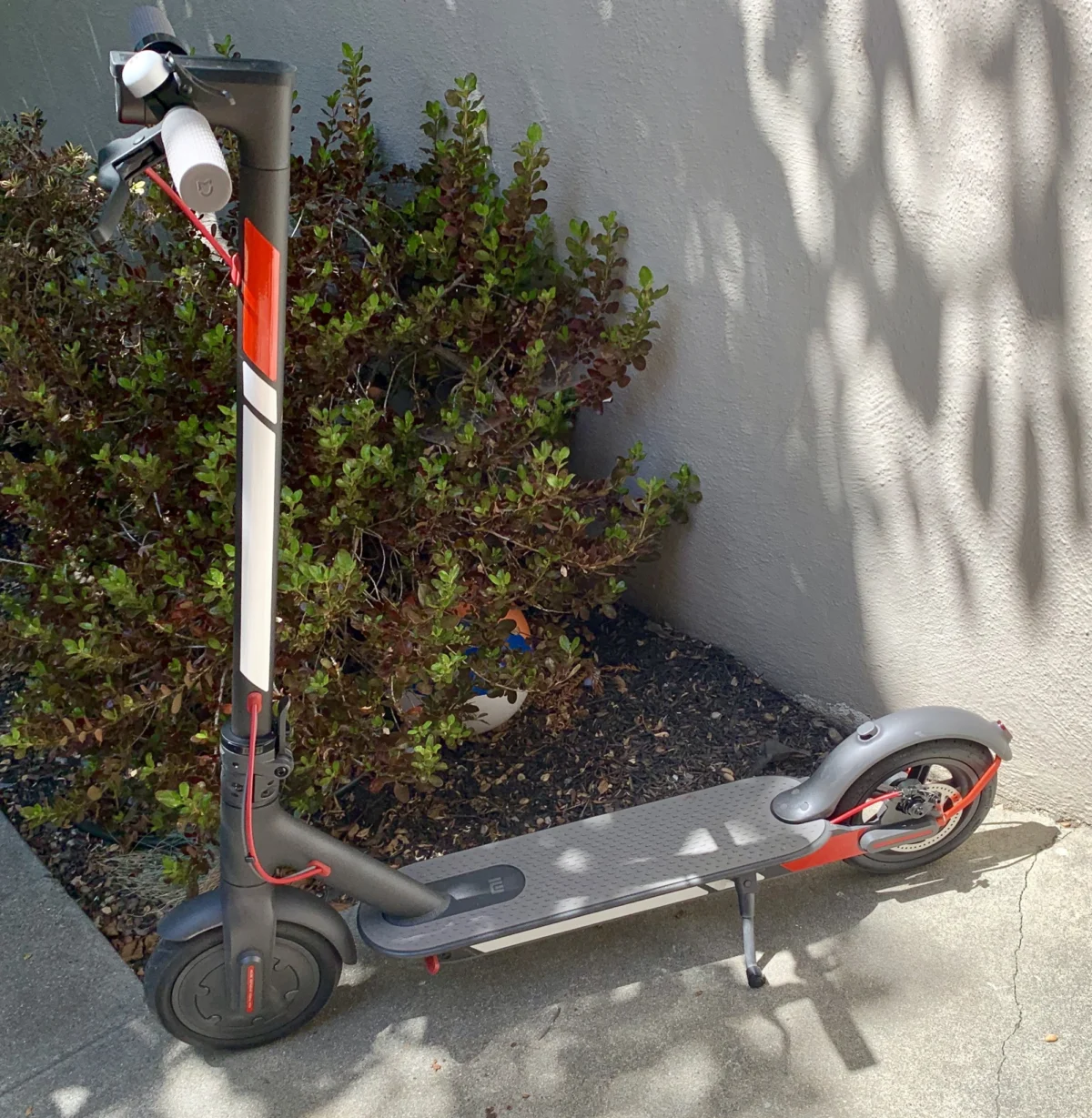
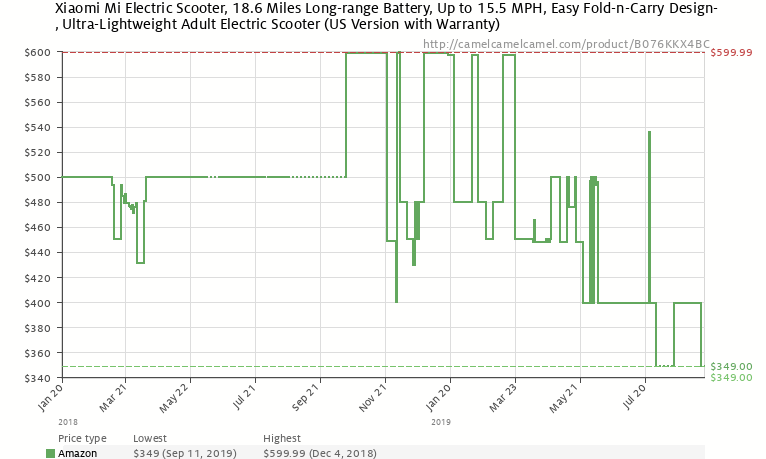
To gauge the independent trend of lithium-ion battery price drops, examining the cost trajectory of popular electric scooter models offers compelling evidence. The Xiaomi Mi M365, a widely recognized and acclaimed model, serves as an excellent benchmark. Launched in the U.S. market around early 2017 with an initial price point of approximately $800, its cost effectively halved by late 2019, settling into a range of $300-$400. This 50% price reduction over a mere three-year span provides a clear indicator of the underlying decline in battery component costs, directly benefiting the consumer market for electric personal mobility devices. This affordability is critical for mainstream adoption, transforming electric scooters from niche gadgets into accessible transportation alternatives.
The Rise of Micro-Mobility and Rental Ecosystems
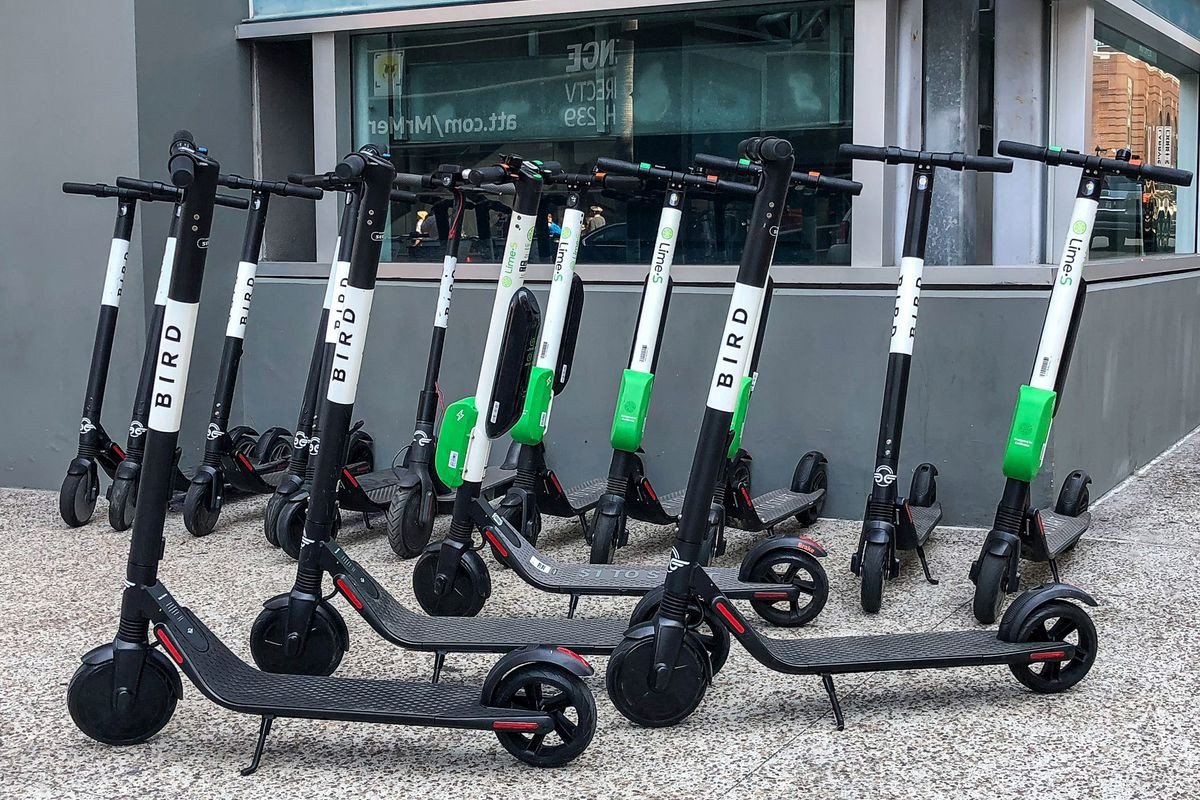
The dramatic reduction in electric scooter prices between 2016 and 2019 directly coincided with, and indeed enabled, the explosive growth of the quasi-legal electric scooter smartphone app rental industry. Companies like Bird, Lime, Skip, Spin, and Scoot rapidly deployed fleets of scooters across urban centers worldwide, fundamentally altering last-mile transportation dynamics. Initially, many of these rental services utilized slightly modified Xiaomi M365s, demonstrating the model’s robustness and cost-effectiveness. By late 2018, as the industry matured, many operators began migrating to custom-built, ruggedized scooters specifically optimized for the demanding rental market, designed for increased durability and remote management.
While the rental industry itself has faced significant operational and profitability challenges, leading some companies to pivot towards subscription-based or longer-term rental models (e.g., $25 per month for a Xiaomi M365 rental in some markets), their emergence highlights a critical shift in urban mobility. This ecosystem underscored the potential for micro-mobility to address issues such as traffic congestion, parking scarcity, and the "last-mile problem" – the challenge of connecting commuters from public transit hubs to their final destinations.
Electric Scooters as a Future Transportation Solution
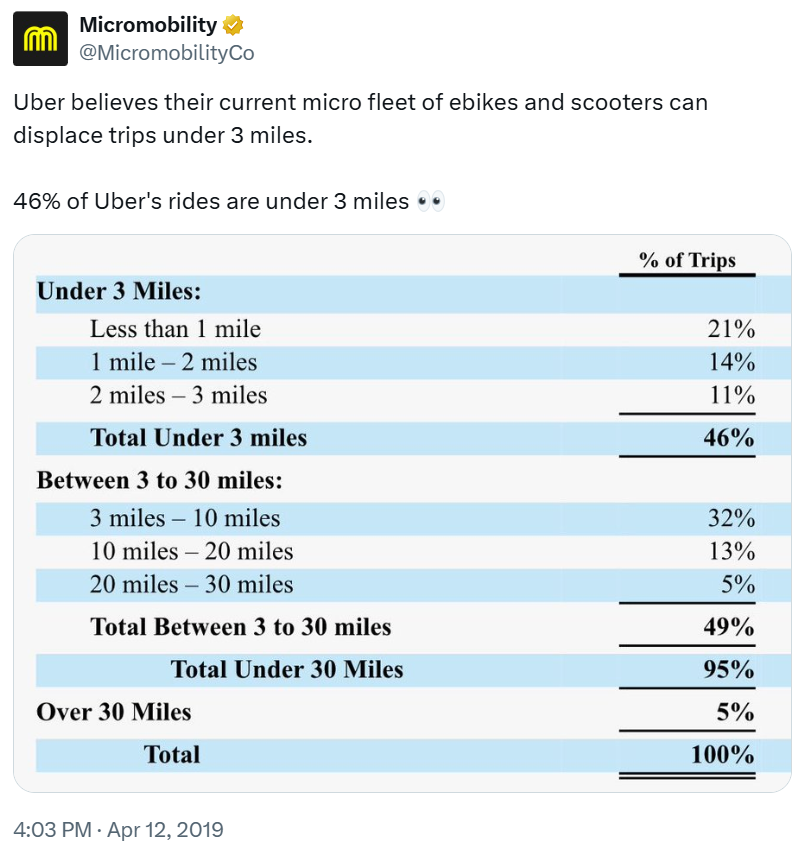
The question of whether electric scooters represent the future of transportation is gaining increasing traction among urban planners and transportation strategists. Major ride-sharing companies, including Uber, have recognized that traditional cars are often excessive for a significant portion of daily transportation needs. Uber’s own data indicates that nearly half of its rides (46%) are under three miles, a distance perfectly suited for micro-mobility solutions like electric scooters and e-bikes.
The practical benefits of electric scooters for urban commutes are numerous: they are environmentally friendly, contributing to reduced carbon emissions and improved air quality; they are compact and easily maneuverable in dense urban environments; and they offer a convenient, often faster, alternative to navigating traffic in a car for short to medium distances. The user experience, characterized by ease of use and a sense of freedom, has also contributed to their widespread appeal. This positions electric scooters not as a replacement for public transit or cars for long distances, but as a vital complementary component in a multimodal urban transportation network, enhancing connectivity and accessibility.
Navigating the Regulatory Landscape
Despite their burgeoning popularity and clear utility, electric scooters face a significant hurdle: an inconsistent and often unclear regulatory environment. Local governments globally have struggled to establish coherent legal frameworks for these devices, leading to a patchwork of rules that vary wildly from city to city and even within different districts. This regulatory ambiguity creates challenges for both users and operators, hindering widespread, seamless integration into urban infrastructure.
For instance, laws in California require electric scooter riders to possess a valid driver’s license – a restriction not typically imposed on electric bicycle users – and explicitly prohibit scooters from sidewalks. Critics argue that such restrictions can be onerous and unnecessary, limiting the practical utility of scooters for many potential users and forcing them into potentially unsafe situations on roadways alongside much larger vehicles. However, one aspect of regulation that garners broader consensus is speed restriction, with many jurisdictions enforcing a 15-mile-per-hour limit. This speed is generally considered brisk enough for personal transport while maintaining a reasonable level of safety for standing riders without extensive protective gear. The emergence of high-performance models capable of speeds up to 40 miles per hour, while demonstrating technological advancement, also underscores the urgent need for clear safety guidelines and infrastructure to prevent accidents.
The Expanding Market: Beyond the Basics
The market for electric scooters has rapidly diversified beyond foundational models like the Xiaomi Mi M365. While the M365 established itself as the "Honda Civic" of electric scooters – a reliable, affordable, everyman model – consumers now have a vast array of choices catering to specific needs and preferences. This includes luxury electric scooters, ultralight models designed for maximum portability, and rugged off-road versions built for more adventurous terrains.
The continuous innovation in the sector is exemplified by successors such as the Xiaomi M365 Pro, which introduced incremental but welcome improvements: a larger battery for extended range, enhanced motor power, a more robust disc brake system, an improved latch mechanism, and a clearer display. While these upgrades certainly enhance the user experience, their initial premium price point often positions the original M365 as an unparalleled value proposition for entry-level buyers. The inherent digital nature of these electric vehicles, often featuring Bluetooth connectivity, companion apps, and even hackable firmware, further illustrates their technological sophistication and potential for customization.
Lessons from the Past: The Segway’s Shadow
The current enthusiasm for electric scooters stands in stark contrast to the historical trajectory of other highly anticipated personal mobility devices, most notably the Segway. Launched in 2001 amidst immense hype, the Segway was touted as a revolutionary invention poised to transform urban transportation. However, its exorbitant launch price of $5,000 (approximately $7,248 in inflation-adjusted 2019 dollars) and its somewhat ungainly appearance relegated it largely to niche applications, such as security patrols and guided tours, rather than achieving widespread personal adoption. The Segway’s failure to live up to its world-changing promise left many observers skeptical about the future of personal electric vehicles.
Today’s affordable electric scooters, priced between $200 and $400, have effectively realized the transformational potential that the Segway once promised. Their accessibility, ease of use, and practical application in urban environments have allowed them to organically integrate into daily life in a way the Segway never could. This demonstrates that for a technology to truly revolutionize transportation, it must not only be innovative but also economically viable and practical for the average consumer.
The Road Ahead for Electric Micro-Mobility
The journey from rudimentary lead-acid powered scooters to the sophisticated, affordable, and widely adopted lithium-ion models of today has been transformative. Electric scooters have firmly established themselves as a critical component of the emerging micro-mobility ecosystem, offering a compelling solution for short-distance travel in increasingly congested urban landscapes. While challenges persist, particularly in the realm of regulatory harmonization and infrastructure development, the fundamental advantages – environmental sustainability, cost-effectiveness, and sheer convenience – suggest a continued upward trajectory. As battery technology further advances and manufacturing processes become even more efficient, electric scooters are poised to play an increasingly integral role in shaping the future of urban transportation, providing accessible, efficient, and enjoyable ways for people to navigate their cities.
About the Author