The extended reality (XR) industry is currently navigating a period of significant volatility and strategic pivots as major hardware manufacturers prepare for the traditional autumn product launch window. Recent developments across the sector, ranging from sudden delays in high-end hardware releases to restructuring within the world’s most valuable technology companies, suggest a market in flux. As manufacturers grapple with the dual challenges of technical refinement and consumer adoption, the landscape is being redefined by a shift toward enterprise utility and more rigorous privacy standards.
Pico Space Pro: A Sudden Delay in the High-End Market
Pico, the VR subsidiary of ByteDance, has officially branded its long-rumored "Project Swan" headset as the Pico Space Pro. The device, positioned as a direct competitor to the Apple Vision Pro, was scheduled for a formal unveiling on September 2. However, in an abrupt reversal that has sparked widespread industry speculation, Pico announced via social media that the launch has been indefinitely postponed. The company cited the need for additional time to "perfect" both the hardware and the accompanying software suite.
Market analysts suggest two primary drivers for this delay. First, there is the "Vision Pro Effect," wherein manufacturers are recalibrating their specifications to ensure their hardware can stand up to the high benchmark set by Apple’s spatial computing entry. Second, rumors persist regarding Meta’s upcoming "Phoenix" project, a high-end device that may have forced Pico to reconsider its competitive positioning.

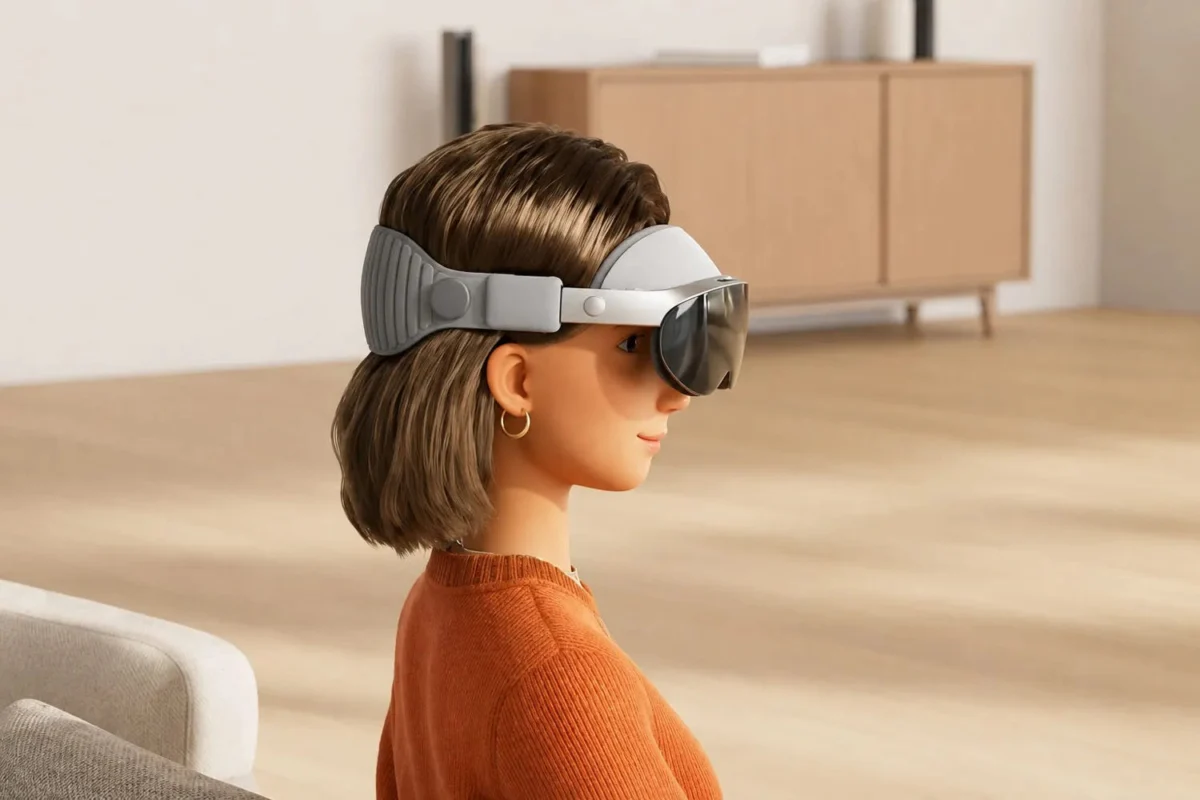
Leaked pricing data from JD.com, a major Chinese e-commerce platform, suggests the Pico Space Pro will retail between $2,400 and $2,600. While this price point is significantly higher than the consumer-oriented Pico 4, it places the device as a more affordable alternative to the $3,499 Apple Vision Pro. The Space Pro is expected to feature high-resolution micro-OLED displays and advanced pass-through capabilities, targeting the "prosumer" and enterprise sectors rather than the general gaming public.
Valve and the "Steam Frame" Leak: Imminent Hardware on the Horizon
Valve Corporation, the steward of the Steam platform and the manufacturer of the Valve Index, appears to be nearing the launch of a new hardware initiative. A series of internal user guide videos for a device referred to as the "Steam Frame" recently surfaced online. These videos provide a comprehensive look at the product’s physical ecosystem, including unboxing procedures, controller strap installations, and initial setup configurations.
The timing of these leaks coincided with Valve’s 30th anniversary on August 24. While the community anticipated a major hardware announcement or news regarding "Half-Life 3," Valve remained officially silent. Nevertheless, the maturity of the leaked video assets suggests that the "Steam Frame" is past the prototyping stage and entering the final phases of production readiness. The device is widely expected to be a standalone or hybrid headset, potentially succeeding the aging Index and competing directly with the Meta Quest 3 and the high-end PC VR market.
The Economic Crisis of Immersive Storytelling: Felix & Paul Studios
In a move that has sent shockwaves through the XR creative community, reports indicate that Felix & Paul Studios, the premier name in cinematic VR, has undergone massive layoffs. While a total shutdown has not been officially confirmed, the departure of key staff suggests the studio is, at minimum, entering a period of hibernation.

Felix & Paul Studios rose to prominence by producing Academy Award-winning immersive content, including "Space Explorers: The ISS Experience," which involved sending specialized 360-degree cameras to the International Space Station. Despite the critical acclaim, the studio’s struggle highlights a systemic issue within the XR industry: the lack of a sustainable business model for immersive narrative content. Historically, such projects have relied on heavy subsidies from platform holders like Meta. As these tech giants shift their budgets toward AI and hardware efficiency, the "patronage model" for VR cinema appears to be collapsing, leaving the future of high-end immersive storytelling in doubt.
Privacy and Social Stigma: The Meta Ray-Ban Controversy
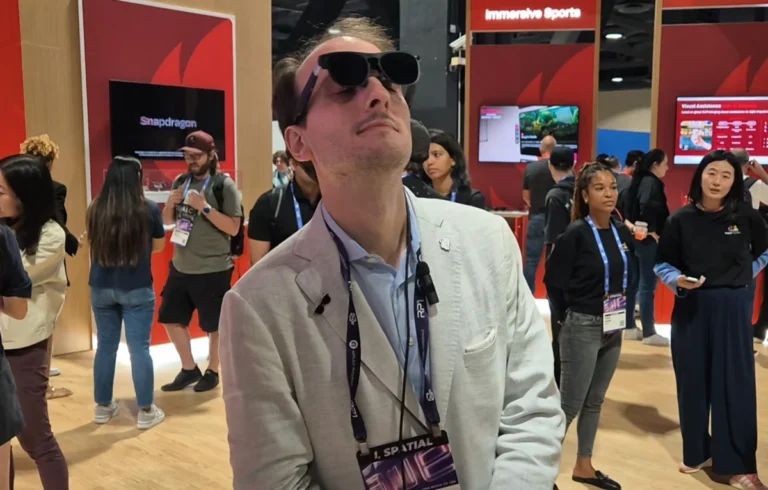
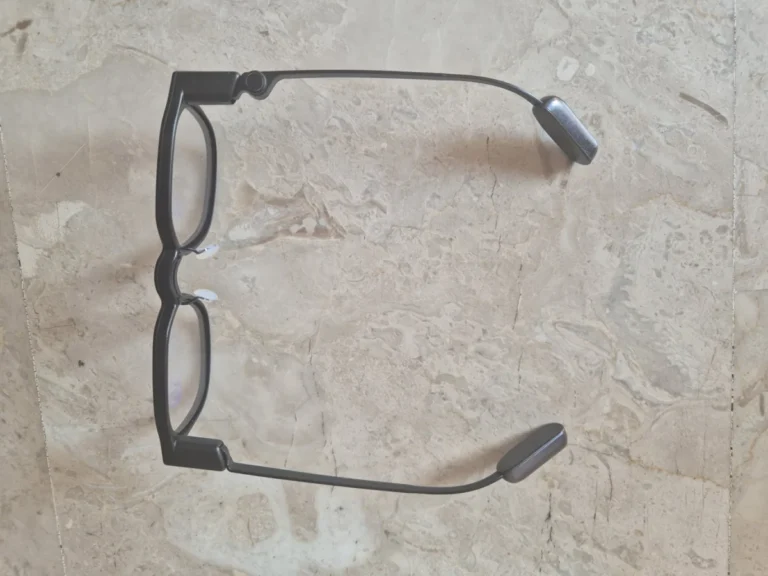
Meta’s Ray-Ban smart glasses continue to dominate headlines, though not always for their technological prowess. The hardware is currently facing a "privacy backlash" as reports surface of users circumventing the device’s built-in safety features. Meta recently released a software update designed to disable the camera if the front-facing recording LED is covered or tampered with. However, specialized hardware modification services have reportedly found workarounds, allowing the glasses to record covertly.
This technical loophole has exacerbated the social stigma surrounding "surveillance wearables." In response, a niche market for "counter-wearable" technology is emerging. New mobile applications, such as the provocatively named "Zuckoff," claim to detect the Bluetooth or Wi-Fi signatures of smart glasses in the vicinity, alerting the public to the presence of potential recording devices. While the efficacy of these apps is debated, their existence points to a growing friction between wearable tech and public privacy expectations.
Corporate Restructuring: Apple and XREAL
Apple has reportedly laid off approximately 60 employees from its Vision Pro division as part of a larger 200-person reduction across its Siri and software teams. The cuts within the Vision Pro group specifically targeted gaming and immersive video departments. This suggests that Apple is narrowing its focus for the Vision Pro, moving away from a broad consumer entertainment pitch toward a more specialized enterprise and productivity-centric strategy.

In contrast, the lightweight AR sector shows signs of growth. XREAL recently announced that it has surpassed 10,000 pre-launch registrations for its upcoming "Aura" glasses. While modest compared to mass-market smartphone figures, these numbers indicate a steady interest in the "screen mirroring" and lightweight AR category, which offers a more accessible price point and form factor than bulky VR headsets.
Technical Innovations and Security Vulnerabilities
In the enterprise space, Finnish manufacturer Varjo has introduced a "People Occlusion" feature for its high-end headsets. This technology uses advanced AI to "green screen" real people into a virtual environment in real-time. This allows for collaborative training sessions where users can see their physical colleagues perfectly integrated into a high-fidelity simulation, solving one of the primary "isolation" complaints of VR training.
On the security front, the Meta Quest 1 has officially reached the end of its secure lifecycle. Developers have successfully unlocked the device’s bootloader and shared the methodology on GitHub. Because Meta has ceased regular security updates for the Quest 1, this vulnerability will likely remain unpatched, allowing users to root the device and install custom operating systems. While this grants the hardware a second life for enthusiasts, it also signals the final obsolescence of the first generation of consumer standalone VR.
Conclusion: A Market in Transition
The XR industry is currently defined by a "wait and see" atmosphere. With Pico’s delay, Valve’s looming announcement, and Apple’s internal pivot, the next six months will be critical in determining which hardware philosophies will survive the current economic climate. The transition from experimental entertainment to professional utility is accelerating, but as the Felix & Paul layoffs demonstrate, the path to profitability remains fraught with challenges. For now, the industry remains poised for its next major evolution, as the "September-October" launch window approaches with more questions than answers.
About the Author