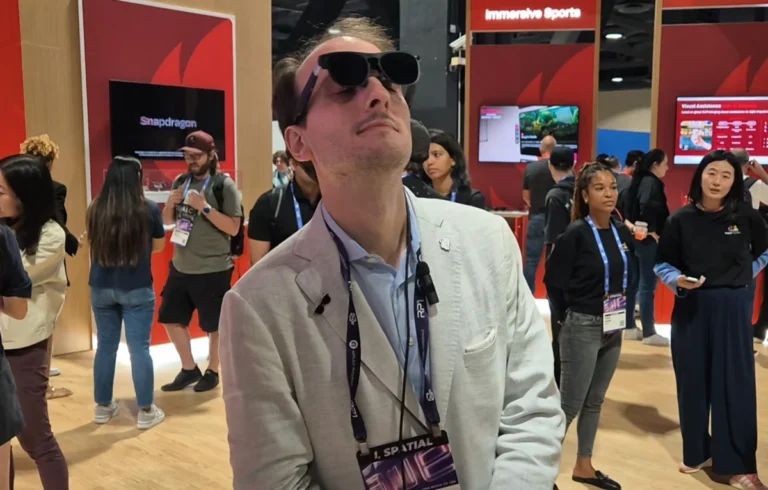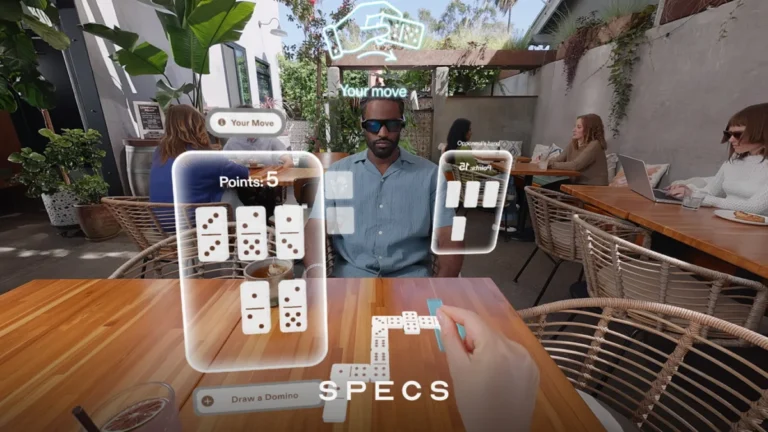
RayNeo, the augmented reality (AR) subsidiary of consumer electronics giant TCL, has officially entered the productivity-focused wearable market with the release of the RayNeo iO Smart Glasses. Positioned as a camera-free alternative to mainstream smart eyewear, the iO model prioritizes artificial intelligence integration and discreet data assistance over media capture. This strategic launch comes at a time when the wearable tech industry is increasingly bifurcated between high-end immersive headsets and lightweight, "all-day" smart glasses designed for utility rather than entertainment.

Market Positioning and Strategic Context
The introduction of the RayNeo iO follows a series of high-performance releases from the company, including the RayNeo X3 Pro, which featured advanced full-color displays. However, the iO represents a pivot toward a specific niche: the "quiet" wearable. By removing cameras and speakers, RayNeo has addressed two of the most significant barriers to the mass adoption of smart glasses: social friction and battery life.

Market analysts suggest that this design philosophy is a direct response to the success of competitors like Even Realities, which have found a foothold among professionals who require digital assistance without the privacy concerns associated with recording hardware. The RayNeo iO is designed to function as a cognitive companion, utilizing microphones and a monochrome display to provide real-time information, transcription, and translation services.

Technical Specifications and Hardware Architecture
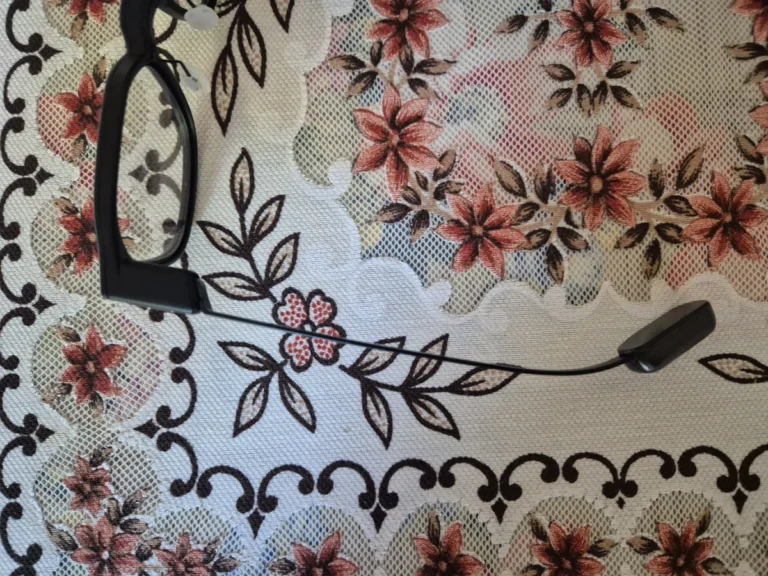
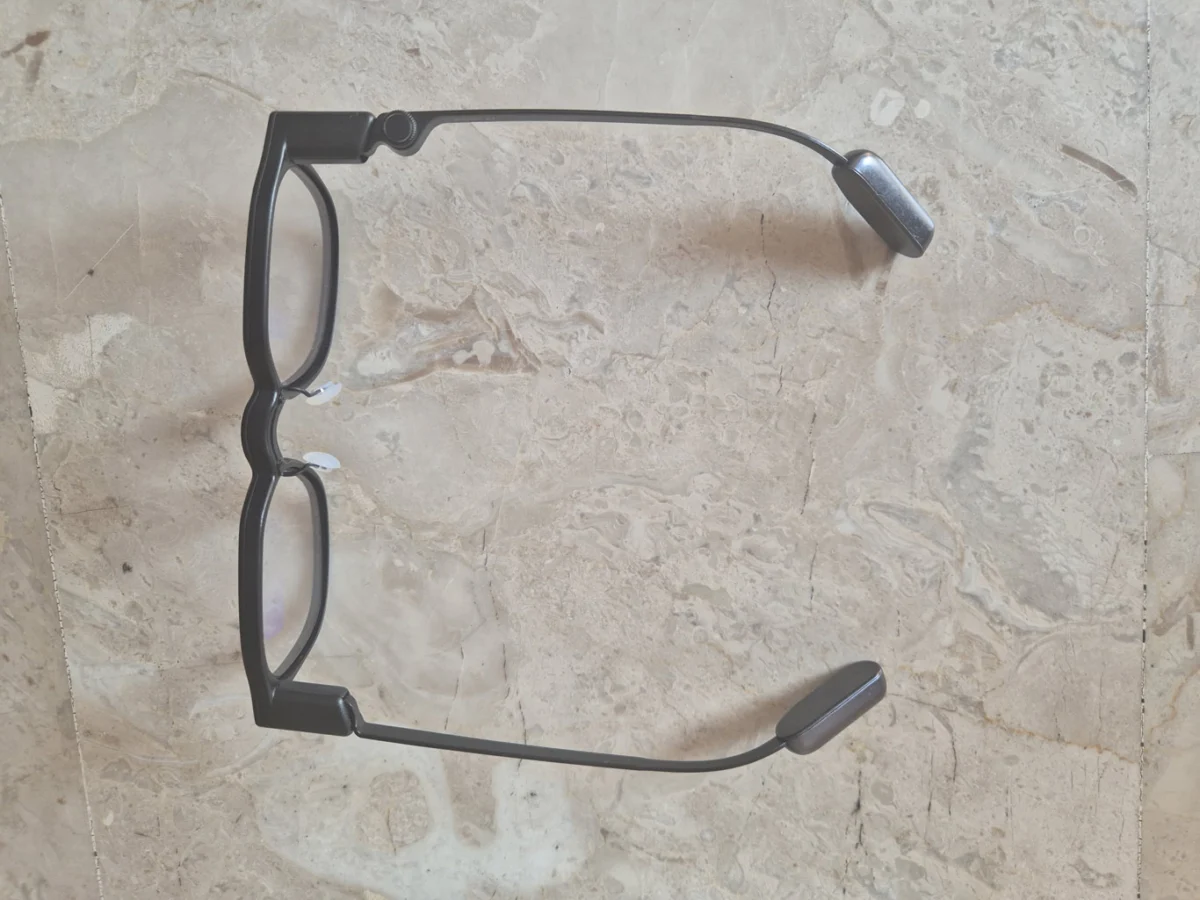
The RayNeo iO is engineered for lightweight durability, weighing only 33 grams—roughly equivalent to a standard pair of prescription glasses. The device utilizes a dual monochrome waveguide display system, a choice that prioritizes text clarity and power efficiency over color reproduction.

Key technical specifications include:

- Weight: 33 grams.
- Display: Monochrome waveguide with a 23-degree field of view (FOV).
- Brightness: Up to 1200 nits, ensuring outdoor readability in direct sunlight.
- Battery Life: Rated for up to 48 hours of normal usage or six hours of continuous live translation.
- Connectivity: Bluetooth 5.0 with a dedicated companion RayNeo AI app.
- Interaction: A physical rotating crown on the temple for menu navigation and voice-activated AI commands.
Unlike many of its competitors, the RayNeo iO does not include onboard speakers. This design choice necessitates the use of a connected smartphone or separate earbuds for audio feedback, though it ensures the device remains extremely thin and avoids "sound leakage" that could disturb others in quiet environments.

Chronology of Development and Launch
The development of the iO model reflects RayNeo’s rapid iteration cycle. Following the announcement of their flagship X-series at major tech trade shows, the company identified a demand for a device that could be worn in sensitive environments—such as corporate offices, courtrooms, or medical facilities—where cameras are strictly prohibited.

The product was officially launched in early September 2024, with a retail price set at $499 for the standard package and $549 for a bundle including a dedicated charging case. To incentivize early adopters, the company implemented a $50 introductory discount. This pricing strategy places the iO at a premium compared to the camera-equipped Ray-Ban Meta glasses but significantly below the cost of high-end AR headsets like the Magic Leap 2 or Apple Vision Pro.

Software Ecosystem and AI Capabilities
The core value proposition of the RayNeo iO lies in its software suite, powered by the RayNeo AI companion app. The system is compatible with multiple Large Language Models (LLMs), including Google’s Gemini Flash, allowing users to customize the "intelligence" of their eyewear.

Live Captioning and Translation
The iO’s most prominent feature is its real-time transcription service. The glasses utilize a sophisticated microphone array capable of directional voice detection. This allows the device to distinguish between the wearer and interlocutors, displaying live captions on the upper portion of the lens. The software supports multiple languages, including English, Chinese, and Italian, making it a viable tool for international business and travelers.

The "Life Log" and Smart Cues
RayNeo has introduced a "Life Log" feature that records and summarizes audio interactions throughout the day. By utilizing GPS data and AI-driven summarization, the app creates a searchable diary of a user’s meetings and conversations. Additionally, a "Smart Cues" feature—currently in beta—aims to provide proactive information based on environmental context, such as providing facts or figures during a conversation without a direct prompt.

Professional Utility: The Teleprompter
For public speakers and educators, the iO includes a teleprompter application. The software uses voice recognition to automatically scroll text as the user reads aloud, ensuring the speaker never loses their place while maintaining eye contact with their audience.

Privacy Implications and Data Management
Despite the absence of a camera, the RayNeo iO has prompted discussions regarding data privacy due to its continuous audio-monitoring capabilities. The device includes a "Privacy LED" located at the end of the right temple, which illuminates when the microphones are active.

RayNeo has stated that the device is compliant with General Data Protection Regulation (GDPR) standards. However, industry observers note that the "Life Log" feature involves uploading audio data to cloud servers for AI processing. The company’s user agreement specifies that data may be used to "improve services," a common clause that nonetheless requires users to trust the manufacturer’s data-handling protocols. Furthermore, the lack of a physical "off" switch on the glasses—relying instead on a standby mode—has been noted as a potential point of concern for highly privacy-conscious users.

Broader Impact and Industry Implications
The launch of the RayNeo iO is expected to have a significant impact on several sectors, most notably for the hearing-impaired community. The ability to receive discreet, real-time captions of spoken dialogue offers a level of accessibility that traditional hearing aids cannot provide alone.

In the corporate sector, the iO serves as a test case for the "AI wearable" concept. While previous attempts at smart glasses failed due to bulky designs or social stigma, the iO’s resemblance to traditional eyewear may facilitate broader acceptance. However, the device faces challenges regarding long-term ergonomics. Early reports suggest that the weight distribution and the placement of the display in the upper FOV can lead to eye strain during prolonged use, indicating that while the technology has matured, the physical form factor still requires refinement.

As AI models become more efficient and waveguide technology improves, the RayNeo iO represents a significant step toward a future where digital assistance is ambient and invisible. The success of this model will likely determine whether the market moves toward "all-in-one" media devices or specialized, privacy-centric productivity tools. For now, RayNeo has established a clear lead in the latter category, providing a robust solution for those who prioritize information over imagery.
About the Author