Indie game development studio Heart Machine has announced a devastating round of layoffs, affecting "nearly everyone" on its team, after a primary publisher abruptly pulled funding for a previously unannounced title. The grim news was shared by studio founder Alx Preston on LinkedIn, where he expressed profound distress over the studio’s immediate future and cast significant doubt on its ability to survive this latest setback. The incident marks another critical blow to the acclaimed studio, known for its visually distinctive and critically lauded titles, and further underscores the precarious and volatile nature of the modern video game industry, particularly for independent developers reliant on external investment.
Founder’s Devastating Announcement Signals Studio’s Perilous State
In a candid and somber post published on September 17, 2026, Alx Preston detailed the events leading to the mass layoffs. "I have very difficult news today. We had been working on an unannounced title, funded by a publisher. This week, they decided to no longer move forward with it. Without this key income for the studio, any other immediate prospects or other funds, nearly everyone at the studio had to be laid off. It’s devastating," Preston wrote. His statement highlights the immediate and catastrophic impact of a publisher’s withdrawal, particularly when a studio’s operational budget is heavily tied to a single project’s funding.
Preston further elaborated on the immediate aftermath and the studio’s commitment to its departing staff, stating, "Everyone will be provided with as much support as possible, including assisting with placement. If you know of any roles for extraordinarily talented, kind people, please reach out and we will coordinate." This plea for assistance for his former employees underscores the human element of such corporate decisions, emphasizing the sudden displacement of skilled professionals. The founder also voiced his deep concern regarding the studio’s longevity: "I’m not sure yet what’s next for Heart Machine to survive. However, we’ll keep pushing to build a path while we are still here," he added, indicating a desperate fight for the studio’s continued existence.
A Studio’s Acclaimed Past: The Rise of Heart Machine
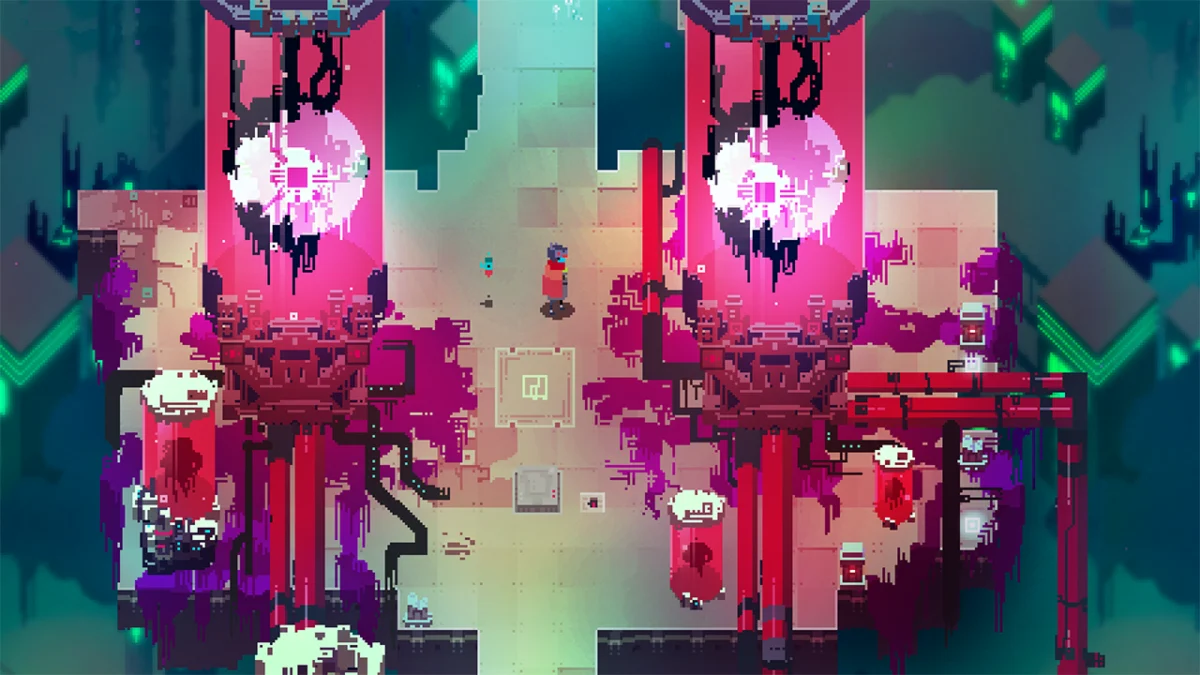
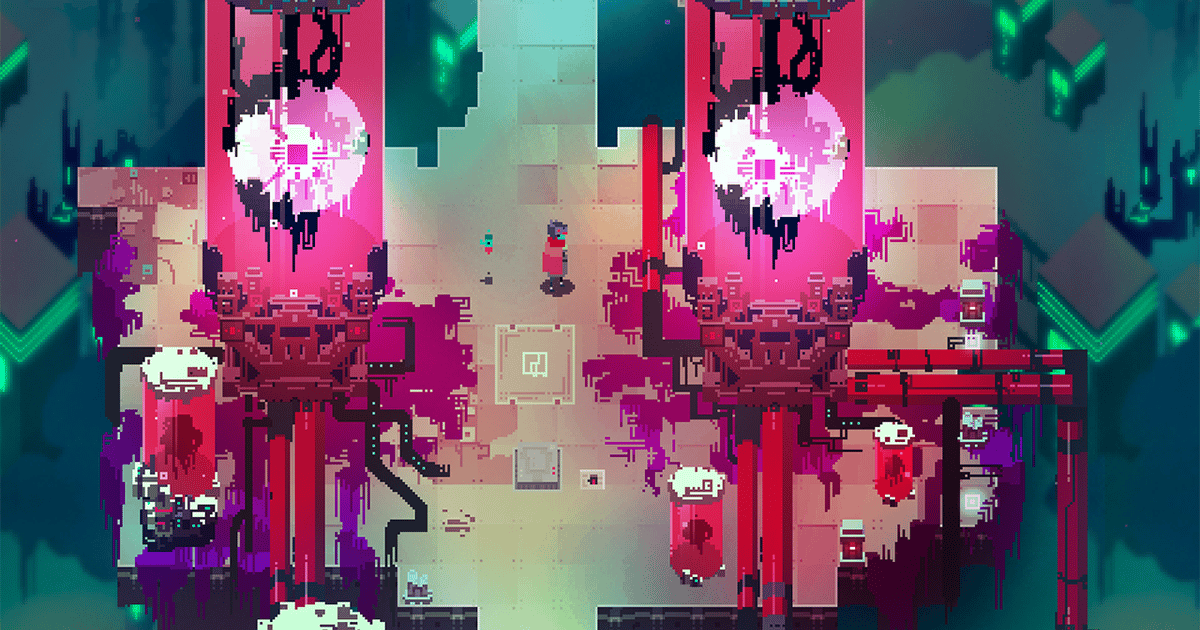
Heart Machine rose to prominence with the release of Hyper Light Drifter in 2016. The action role-playing game, characterized by its stunning pixel art, atmospheric world-building, and challenging combat, garnered widespread critical acclaim and quickly established Heart Machine as a significant voice in the independent game development scene. Funded successfully through Kickstarter, Hyper Light Drifter resonated deeply with players for its unique narrative approach, minimalist storytelling, and intricate level design, earning numerous awards and nominations. This initial success positioned Heart Machine as an "indie darling," a studio capable of crafting unique and impactful gaming experiences. The critical and commercial triumph of Hyper Light Drifter set high expectations for the studio’s subsequent projects and built a loyal community of fans eagerly anticipating their next creation.
Following Hyper Light Drifter, the studio embarked on its next ambitious project, Hyper Light Breaker. Announced as a 3D co-op roguelite adventure set in the Hyper Light universe, the game represented a significant departure from the original’s 2D perspective and more solitary experience. This genre shift signaled Heart Machine’s intent to explore new gameplay mechanics and expand the beloved universe, drawing considerable attention from both fans and industry observers. Development of Hyper Light Breaker was watched closely, with many anticipating another innovative title from the studio.
A Tumultuous Timeline of Workforce Reductions
The current crisis is not an isolated incident but rather the culmination of a series of challenges and workforce reductions that have plagued Heart Machine in recent years. The studio has faced increasing difficulty navigating the "extremely difficult" video game industry, a sentiment echoed by many developers across the sector.
The first public acknowledgment of significant workforce changes came in November 2024, when Heart Machine confirmed a portion of its staff had been laid off. At the time, the studio hinted that the impending launch of Hyper Light Breaker might "rekindle" opportunities for those impacted, suggesting these layoffs were perhaps a strategic adjustment or a response to project timelines. This statement provided a glimmer of hope, implying that the studio was reorganizing for a strong release and potential future growth.
However, this hope proved fleeting. Hyper Light Breaker was ultimately "cut loose by the studio before making it out of early access." The decision to abandon a highly anticipated title before its public release, or even its full early access cycle, was a significant blow. Such a move typically indicates insurmountable development hurdles, financial constraints, or a reevaluation of market viability. This cancellation reverberated through the studio, leading to further, more severe consequences.
The failure of Hyper Light Breaker to reach fruition directly triggered two more rounds of layoffs in October 2025. These subsequent reductions underscored the deep impact of the project’s cancellation, demonstrating that the studio’s financial health and operational capacity were inextricably linked to its major development efforts. Each round of layoffs diminished the studio’s capacity and likely eroded morale, making it progressively harder to bounce back. The precise number of employees affected in each prior instance was not publicly disclosed, but the cumulative effect was a significant downsizing of the company from its peak.
The latest layoffs in September 2026, affecting "nearly everyone," represent the most critical stage in this challenging timeline. The immediate cause—a publisher pulling funding for an unannounced title—illustrates the fragile nature of external investment in game development. For an independent studio, the loss of a major funding stream, especially for a project already in development, can be an existential threat, as it strips away the primary means of sustaining operations and paying staff.
The Unannounced Project’s Demise and Its Fallout
The sudden withdrawal of funding for the unannounced title is a stark reminder of the inherent risks in publisher-developer relationships. While the specific reasons for the publisher’s decision remain undisclosed, such actions often stem from a range of factors including internal strategic shifts, re-evaluation of market potential, development milestones not being met, changes in executive leadership, or broader economic pressures affecting investment portfolios. For Heart Machine, the impact was immediate and devastating, as the funding was described as "key income" without which the studio had no immediate financial buffer.
The nature of this unannounced project is also a point of speculation. Was it another title in the Hyper Light universe, or an entirely new intellectual property? The investment in an unannounced title suggests it was a project the studio had been working on for some time, possibly in pre-production or early development stages, which makes the sudden halt all the more impactful. The loss of a project mid-development not only results in financial hardship but also signifies the squandering of creative effort and time invested by the development team.
Alx Preston’s Plea and the Human Cost
Alx Preston’s public appeal for assistance in placing his laid-off employees highlights the profound human impact of these industry events. Beyond the corporate figures and strategic decisions, the layoffs represent individuals losing their livelihoods, often after dedicating significant time and passion to their craft. The video game industry, despite its glamorous facade, is notorious for its demanding work culture, periods of "crunch," and job insecurity. For many, finding new roles in a competitive market, especially after successive rounds of layoffs, can be incredibly challenging.
The request for networking assistance and job leads is a common practice in the gaming industry during such unfortunate events, demonstrating a community spirit among developers. However, it also underscores the dire circumstances and the urgent need for affected individuals to secure new employment. The disruption to careers, personal lives, and the emotional toll of such uncertainty cannot be overstated.
Broader Industry Climate: A Period of Instability
Heart Machine’s struggles are not isolated; they reflect a wider trend of instability sweeping across the video game industry. The years 2023, 2024, and 2025 have been marked by an unprecedented wave of layoffs, studio closures, and project cancellations across companies of all sizes, from indie outfits to major AAA publishers. Reports indicate tens of thousands of industry professionals have been affected globally. The related news item about "MindsEye developer Build a Rocket Boy seemingly closing after more layoffs" serves as a poignant parallel, illustrating the widespread nature of these challenges.
Several factors contribute to this volatile environment:
- Post-Pandemic Adjustment: A surge in gaming during the COVID-19 pandemic led to aggressive hiring and expansion. As pandemic-era boosts normalized, many companies found themselves overstaffed for current market conditions.
- Rising Development Costs: The cost of developing modern games, particularly those with high production values, has skyrocketed. This makes projects riskier and increases the pressure for massive commercial success.
- Market Saturation and Discoverability: The sheer volume of new games released annually makes it incredibly difficult for titles, especially from independent studios, to stand out and find an audience.
- Economic Headwinds: Broader macroeconomic factors such as inflation, rising interest rates, and a cautious investment climate have made venture capital and publisher funding harder to secure and more scrutinizing.
- Publisher Consolidation and Strategy Shifts: Major publishers are increasingly focused on fewer, larger "tentpole" titles or live-service games with long-term revenue potential, often at the expense of smaller, more experimental projects. Internal strategic realignments can also lead to the abrupt cancellation of external projects.
The Perilous Landscape for Indie Developers
For indie studios like Heart Machine, the reliance on external publishers for funding is a double-edged sword. While it provides the necessary capital to realize ambitious visions, it also introduces a significant point of vulnerability. Publishers, driven by market trends and financial imperatives, can make decisions that, while rational for their business, can be catastrophic for smaller development teams. The abrupt withdrawal of funding, as seen with Heart Machine, leaves studios with little to no recourse, often leading to immediate operational collapse.
The case of Heart Machine serves as a stark warning to the independent development community about the need for diversified funding strategies, robust financial reserves, and potentially more flexible development pipelines that can adapt to sudden changes. It also reignites discussions about fair contracts, transparency in publisher dealings, and the need for stronger safety nets for creative talent in a high-risk industry.
Uncertain Future for Heart Machine
As of September 17, 2026, the future of Heart Machine remains critically uncertain. With "nearly everyone" laid off and no "key income" or "other immediate prospects or other funds," the studio faces an existential crisis. While Alx Preston’s commitment to "keep pushing to build a path" suggests a fighting spirit, the practical realities of operating a studio with minimal staff and no clear funding are daunting.
The options for Heart Machine moving forward could include:
- Complete Closure: The most unfortunate outcome, where the studio ceases operations entirely.
- Radical Downsizing: Operating with a skeleton crew, possibly just Alx Preston, to explore new, much smaller-scale projects or intellectual property licensing.
- Seeking New Investment: An arduous process, especially given the studio’s recent history of project cancellations and layoffs, but not impossible if a compelling new vision can be presented.
- Acquisition: A larger entity might acquire the studio, particularly for its remaining intellectual property like Hyper Light Drifter, though this often means a loss of independent creative control.
The current number of remaining employees at Heart Machine is unclear, but the phrase "nearly everyone" suggests only a very small core team, if any, remains. The legacy of Hyper Light Drifter and the talent within Heart Machine will undoubtedly be remembered, but the immediate challenge is one of survival in an increasingly unforgiving industry landscape. The coming months will be critical in determining whether Heart Machine, once an emblem of indie success, can find a path forward from the brink.
About the Author