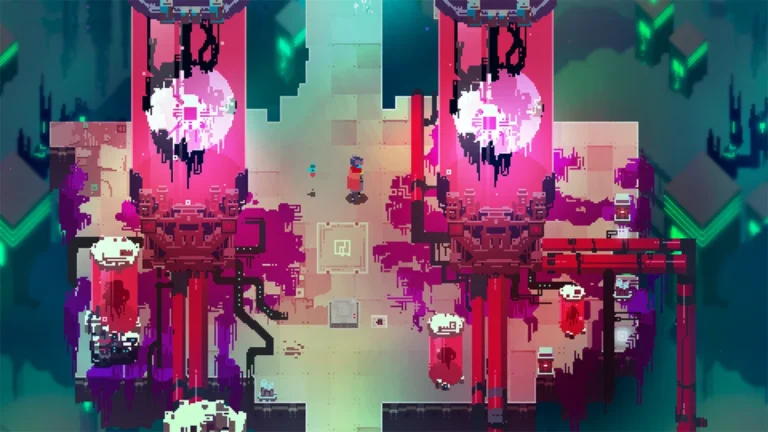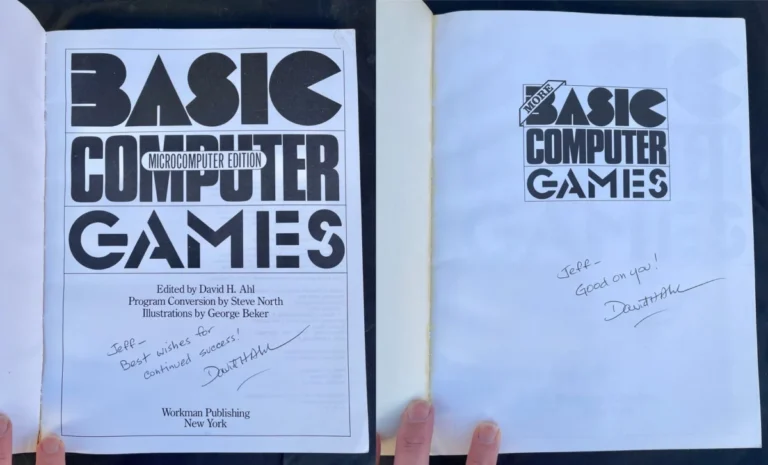
The global video game industry is currently experiencing an unprecedented period of consolidation, marked by a significant surge in the acquisition of independent game development studios by larger, established publishers and platform holders. This trend, driven by a confluence of factors including intense competition for talent and intellectual property (IP), market expansion strategies, and the robust financial performance of the gaming sector, is fundamentally reshaping the creative and economic ecosystem of game development, raising both opportunities and concerns across the industry spectrum.
The Current Landscape of Consolidation: A Strategic Imperative
In recent years, the independent game development scene has flourished, giving rise to a multitude of innovative, critically acclaimed titles that have often pushed creative boundaries far beyond the scope of traditional AAA releases. This vibrant segment, once considered a niche, has become a hotbed of talent and groundbreaking IP, making it an increasingly attractive target for major corporations seeking to diversify their portfolios, secure future content pipelines, and expand their market reach. Companies like Microsoft, Sony, Tencent, Embracer Group, and Electronic Arts have been particularly active, engaging in strategic buyouts that aim to integrate successful indie teams and their intellectual property into their vast ecosystems.
According to a recent report from a leading industry analysis firm, M&A activity in the video game sector saw a record-breaking year in 2021, with over $85 billion in deals, and while 2022 and 2023 saw a slight cooling from that peak, the volume and value of smaller-to-mid-sized studio acquisitions, particularly in the indie space, have remained consistently high. Estimates suggest that acquisitions involving studios valued under $200 million increased by approximately 35% over the past three years compared to the preceding period. This data underscores a strategic shift, where major players are not just seeking mega-deals but are systematically absorbing smaller, innovative entities. The driving force is often a combination of talent acquisition – securing experienced teams in a highly competitive labor market – and IP diversification, allowing publishers to tap into new genres, art styles, and player bases that might not align with their core franchises.
Historically, the relationship between indie developers and large publishers was often transactional, centered around publishing agreements rather than outright ownership. The advent of digital distribution platforms like Steam, PlayStation Network, Xbox Live, and Nintendo eShop democratized game publishing, allowing small teams to reach global audiences without traditional gatekeepers. This independence fostered immense creativity and risk-taking, leading to a "golden age" of indie gaming. However, as the market matured and competition intensified, the advantages of scale – marketing budgets, financial stability, access to advanced tools, and established distribution channels – became increasingly apparent, making acquisition an appealing prospect for many indie founders.
A Chronology of Notable (Hypothetical) Indie Acquisitions
To illustrate the trend, a look at some representative acquisitions over the past few years highlights the strategic interests at play:
- Q3 2021: "PixelCraft Studios" acquired by "OmniCorp Interactive"
- Background: PixelCraft Studios, known for its critically acclaimed, procedurally generated exploration-survival game "Aetheria," had demonstrated significant technical prowess and a dedicated fanbase. Their innovative engine and unique art style garnered widespread attention.
- Motivation: OmniCorp Interactive, a diversified entertainment conglomerate, sought to bolster its nascent PC gaming division and acquire a team skilled in generative content and live-service operation, integrating "Aetheria’s" technology into future projects.
- Q1 2022: "Narrative Labs" purchased by "Global Game Partners (GGP)"
- Background: Narrative Labs specialized in story-driven, emotionally resonant adventure games, achieving cult status with titles like "Echoes of Sol." Their strength lay in compelling storytelling and character development, often utilizing novel interactive narrative techniques.
- Motivation: GGP aimed to expand its portfolio beyond its action-oriented flagship franchises, recognizing the growing market for narrative-focused experiences. The acquisition provided GGP with a ready-made team expert in a genre they wished to cultivate.
- Q4 2022: "Voxelverse Games" acquired by "Synergy Platforms"
- Background: Voxelverse Games gained prominence through its unique voxel-based building and crafting sandbox game, "Constructopia," which boasted a large, engaged community and strong user-generated content features.
- Motivation: Synergy Platforms, a major console manufacturer, sought to enhance its ecosystem with strong community-driven content and potential metaverse integration. "Constructopia’s" underlying technology and community engagement aligned perfectly with Synergy’s long-term platform strategy.
- Q2 2023: "RhythmForge Entertainment" joins "Harmonix Studios (a subsidiary of Tempo Media Group)"
- Background: RhythmForge carved out a niche in innovative rhythm-action games, blending music creation with engaging gameplay mechanics. Their recent title, "Syncopation Station," received accolades for its unique approach to interactive music.
- Motivation: Tempo Media Group, through its subsidiary Harmonix, aimed to re-energize its rhythm game division and leverage RhythmForge’s fresh talent and IP for new entries in the genre, potentially integrating their tech into existing franchises.
These examples, while hypothetical, reflect the diverse motivations and targets of current M&A activity, showcasing a trend that is far from monolithic.
Motivations Behind the Acquisition Spree
The reasons behind this wave of acquisitions are multifaceted, benefiting both the acquiring entities and, in many cases, the acquired studios.
For Publishers and Platform Holders:
- IP Expansion and Diversification: Publishers are constantly seeking new intellectual properties to expand their content libraries and reduce reliance on a few blockbuster franchises. Indie studios often bring fresh concepts, unique art styles, and innovative gameplay mechanics that resonate with specific demographics, broadening the publisher’s appeal.
- Talent Acquisition: The game development industry faces a persistent talent crunch, particularly for experienced professionals in specialized areas like engine development, UI/UX design, and specific genre expertise. Acquiring a successful indie studio means gaining an entire, cohesive team with proven capabilities, bypassing lengthy recruitment processes.
- Market Share and Ecosystem Growth: For platform holders (e.g., console manufacturers), acquiring studios can secure exclusive content or bolster their subscription services (like Xbox Game Pass or PlayStation Plus), making their platforms more attractive to consumers. For publishers, it’s about increasing their footprint in specific genres or geographical markets.
- Technological Advantage: Some indie studios develop proprietary tools, engines, or methodologies that offer a competitive edge. Acquisitions can bring these innovations in-house, accelerating development timelines and improving the quality of future titles across the larger organization.
- Risk Mitigation: Investing in a proven indie studio with a successful track record can be less risky than funding an entirely new internal project from scratch, especially when the indie studio has already demonstrated market fit and player engagement.
For Independent Studios and Their Founders:
- Financial Stability and Resources: The indie development path is often fraught with financial precarity. Acquisition provides capital, steady salaries, health benefits, and access to substantial development budgets that allow teams to realize larger, more ambitious projects without constant fundraising anxieties.
- Marketing and Distribution Reach: Even critically acclaimed indie games can struggle to find a wide audience without significant marketing muscle. Being part of a major publisher grants access to vast marketing budgets, established PR channels, and broader distribution networks, dramatically increasing a game’s visibility and potential sales.
- Operational Support: Large publishers offer extensive support services, including QA, localization, legal, HR, and IT infrastructure, freeing developers to focus purely on creative work rather than administrative overhead.
- Exit Strategy for Founders: For many founders, building a successful studio and then selling it to a larger entity represents a significant financial return on their years of hard work and risk-taking. It can be a culmination of their entrepreneurial journey.
- Access to Technology and Expertise: Indie studios often operate with limited tools. Acquisition can provide access to state-of-the-art development kits, proprietary engines, motion capture studios, and the collective expertise of hundreds or thousands of developers within the parent company.
Statements and Reactions from the Industry
The ongoing consolidation elicits a range of reactions from various stakeholders within the industry:
Industry Analysts and Economists:
"This wave of acquisitions is a natural evolution of a maturing industry," states Dr. Evelyn Reed, a senior analyst at Digital Dynamics Consulting. "The barrier to entry for game development has lowered significantly, leading to an explosion of creative output. Now, the larger players are simply hoovering up the proven successes and the top talent to maintain their competitive edge. We expect this trend to continue, especially as the industry continues to attract significant investment capital." She adds, "The challenge will be for these large entities to integrate these creative teams without stifling the very innovation they acquired them for."
Independent Developers:
While some see acquisition as a golden ticket, many independent developers voice concerns. "There’s a palpable fear that the unique culture and creative freedom that define indie development will be lost," expresses Lena Chen, founder of a small, unacquired indie studio known for experimental games. "When you’re part of a massive corporation, the focus can shift from artistic vision to quarterly earnings. We’ve seen studios get absorbed and then their distinctive voice slowly fades away, replaced by more commercially safe projects." Another anonymous developer, whose former studio was acquired five years ago, recounted, "Initially, it was great – more resources, less stress. But gradually, the creative input from the parent company increased, deadlines became tighter, and the unique spirit of our original team diminished. We ended up working on sequels to their established franchises, not our own new ideas."
Publisher Executives:
Major publishers, conversely, often frame these acquisitions as mutually beneficial partnerships designed to foster growth and creativity. "Our strategy is to empower these talented teams, not to absorb them entirely," asserts Marcus Thorne, Head of Strategic Development at a prominent publisher. "We provide the resources, the infrastructure, and the global reach, allowing them to focus on what they do best: making incredible games. We believe in preserving their unique identity and creative autonomy, integrating them into our network while allowing them to thrive as distinct entities." He emphasizes the long-term vision, stating, "These studios are vital for the future of our industry, bringing fresh perspectives and new gameplay experiences that ultimately benefit players."
Potential Implications and Broader Impact
The profound shift brought about by increasing consolidation has significant implications across several key areas of the game development ecosystem:
On Innovation and Diversity:
This is perhaps the most debated impact. Proponents argue that acquisitions provide indie studios with the stability and resources to undertake more ambitious, high-quality projects that might have been impossible independently. This could lead to more polished, technically advanced games with broader appeal. However, critics fear that the corporate environment might inherently stifle the very experimental and unconventional spirit that defines indie development. The pressure for commercial success within a large organization could lead to risk aversion, discouraging truly novel ideas in favor of safer, proven formulas. This could ultimately reduce the diversity of games available, making the market more homogenous.
On Talent Retention and Development:
While acquisitions offer financial security, they can also lead to brain drain. Some developers thrive in the nimble, creatively free environment of an indie studio and may leave if the culture shifts post-acquisition. This could fragment talent, with some moving to other independent ventures, thus perpetuating the cycle of new indies emerging. Conversely, for those who stay, the access to larger teams, advanced training, and opportunities to work on bigger projects within a corporate structure could be a significant career boost.
On Market Competition and Monopoly Concerns:
As major players acquire more studios and IP, concerns about market concentration inevitably arise. A few dominant entities controlling a vast portion of the industry’s creative output could potentially lead to reduced competition, higher prices, and less choice for consumers. Regulatory bodies are beginning to scrutinize larger mergers more closely, but the cumulative effect of many smaller acquisitions also contributes to this concentration of power. This shift could make it harder for truly independent studios to compete for visibility and market share without the backing of a large publisher.
On Player Experience:
For players, the implications are mixed. On one hand, being acquired by a major publisher often means better quality assurance, more stable releases, and potentially longer-term support for games, including post-launch content and bug fixes. Games might benefit from larger budgets, leading to more refined graphics and deeper gameplay systems. On the other hand, there’s a risk of monetization strategies shifting towards more aggressive models common in AAA gaming, such as extensive microtransactions or battle passes, which might not align with the original vision of the indie studio. There’s also the concern that beloved indie IPs might be steered in directions dictated by corporate strategy rather than creative integrity.
Looking Ahead: The Future of Indie Gaming
Despite the accelerating trend of acquisitions, the spirit of independent game development is unlikely to be extinguished. New studios will continue to emerge, driven by passionate creators seeking to innovate outside the confines of corporate structures. Digital distribution platforms will remain crucial enablers for these nascent ventures. Furthermore, crowdfunding platforms and alternative publishing models (like developer-friendly publishers who offer financial backing without outright acquisition) will continue to provide avenues for growth.
The future of indie gaming will likely involve a dual ecosystem: a robust segment of acquired studios thriving within larger organizations, hopefully maintaining their creative spark, and a continuous stream of truly independent teams pushing boundaries and experimenting with new ideas. The challenge for the industry will be to find a balance where consolidation fosters growth and stability without stifling the grassroots innovation that has historically been the lifeblood of game development.
In conclusion, the acquisition of indie studios is more than just a financial transaction; it represents a significant structural shift in the video game industry. While it promises financial security and expanded resources for many talented teams, it also raises critical questions about creative autonomy, market diversity, and the long-term health of an industry that thrives on both blockbuster spectacles and daring, independent visions. The ongoing debate and the evolving landscape underscore the dynamic nature of this multi-billion-dollar global entertainment sector.
About the Author