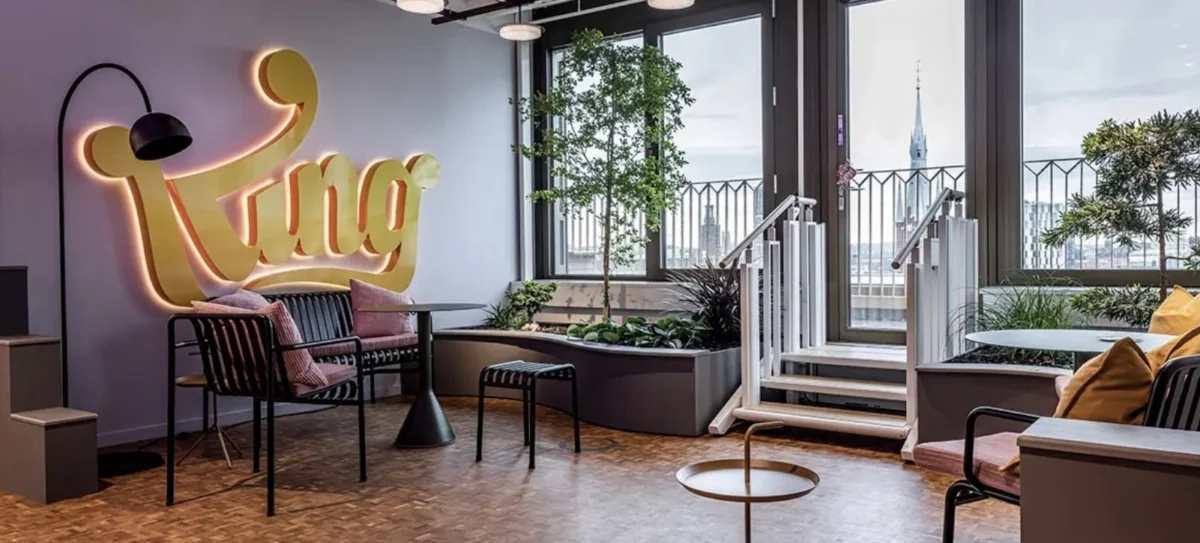
The mobile gaming giant King, the developer behind the globally successful Candy Crush franchise, has reached a pivotal agreement with two prominent Swedish labor unions, Unionen and the Engineers of Sweden (Sveriges Ingenjörer). This resolution, finalized just hours before a scheduled walkout, has resulted in the immediate cancellation of strikes that were set to paralyze the company’s primary Swedish operations in Stockholm and Malmö. The strikes were slated to begin at 5:00 a.m. on September 25, potentially involving hundreds of employees and disrupting the maintenance and development of some of the world’s most lucrative mobile titles. By signing the collective bargaining agreement (CBA), King has brought a definitive end to more than a year of intensive and often stalled negotiations, signaling a significant shift in the labor dynamics of the Scandinavian tech sector.
The breakthrough comes at a critical juncture for King, which is currently navigating its role within the larger Microsoft Gaming ecosystem following the acquisition of its parent company, Activision Blizzard. The agreement is viewed by labor experts as a landmark victory for tech workers in Sweden, where collective bargaining is a cornerstone of the national labor market but has historically faced resistance from international technology firms. The Engineers of Sweden, which represents approximately 100 of the roughly 550 staff members across King’s Swedish offices, emphasized that the new contract provides a framework for increased transparency and employee agency. According to the union, the agreement ensures that staff will have improved opportunities to influence their daily work environment and, crucially, establishes a legal right to be informed and consulted well in advance of major structural changes, such as reorganizations or shifts in employment conditions.
The Path to an Impasse: A Timeline of Negotiations
The journey toward this collective bargaining agreement was marked by prolonged friction and a significant escalation of tactics by labor representatives. Negotiations between King and the unions began over 14 months ago, driven by employee concerns regarding job security and the lack of a formalized voice in corporate decision-making. Despite several rounds of discussions, the parties reached a stalemate in early September 2024.
On September 15, Unionen and the Engineers of Sweden officially issued a strike notice after King management initially rejected the proposed collective bargaining terms. The unions argued that without a formal agreement, employees remained vulnerable to the volatile fluctuations of the global gaming industry, which has seen tens of thousands of layoffs over the past two years. The threat of a strike was a rare move in the Swedish games industry, designed to pressure the company into acknowledging the "Swedish Model" of labor relations, where employer-employee cooperation is codified through binding contracts rather than left to the discretion of management.
The eleventh-hour signing of the document suggests that King’s leadership recognized the potential for significant reputational and operational damage. Had the strike proceeded, it would have marked one of the most high-profile labor actions in the history of the European mobile gaming sector. Unionen representatives welcomed the decision, stating that the company is taking a "necessary step" toward fostering long-term stability and contributing to a more sustainable environment for the games industry at large.
Strengthening Employee Protections in an Era of Volatility
The specifics of the agreement extend beyond mere salary considerations. In the Swedish labor market, a collective bargaining agreement serves as a comprehensive safety net that covers insurance, occupational pensions, and redundancy protocols. For King’s employees, the right to organize and receive timely information regarding reorganizations is particularly pertinent given the recent history of the company and its parent organizations.
The gaming industry has been characterized by "stealth layoffs" and sudden studio closures. By securing a CBA, King’s Swedish workforce has effectively insulated itself against the sudden, unannounced job cuts that have plagued other Microsoft-owned entities. The agreement mandates that management must engage in meaningful dialogue with union representatives before implementing changes that affect the workforce. This includes providing data on the necessity of such changes and exploring alternatives to redundancies.
Furthermore, the agreement addresses the "predictability" of working conditions. In a fast-paced environment where "crunch" (excessive overtime) can often become an unspoken expectation, the CBA provides a legal framework for working hours, compensation for overtime, and holiday pay. This move is expected to set a precedent for other major game developers operating in the Nordic region, such as Mojang, Ubisoft Stockholm, and Paradox Interactive, some of whom already operate under similar agreements.
King’s Strategic Position within Microsoft and Xbox
The labor resolution at King cannot be viewed in isolation from the broader restructuring occurring at Microsoft’s gaming division. In July 2024, Microsoft announced a massive restructuring plan that involved cutting approximately 3,200 positions across its gaming operations. While many first-party studios under the Xbox banner faced significant downsizing—including 268 recent layoffs in management and central functions—King has remained remarkably resilient.
In a strategic internal move, King was effectively "promoted" within the Microsoft hierarchy. Alongside Mojang (the developer of Minecraft), King now reports directly to Xbox executive Asha Sharma. This direct reporting line bypasses several layers of middle management, reflecting the high value Microsoft places on King’s consistent revenue generation. As part of this reshuffle, King also expanded its operational remit to include the management of Microsoft Casual Games. This portfolio includes "evergreen" titles that are pre-installed on millions of Windows devices, such as the Microsoft Solitaire Collection, Minesweeper, and Mahjong.
Matt Booty, the head of Xbox game studios, recently confirmed that the division is roughly 75% through the restructuring process announced earlier this summer. While King has "escaped" the brunt of the most recent Xbox cuts, the memory of previous internal reductions remains fresh for the staff. This history of corporate volatility was a primary motivator for the unions to push for a CBA, ensuring that if future cuts do occur, they are handled through a transparent, negotiated process rather than through unilateral corporate mandates.
Historical Context: Layoffs, AI, and Internal Turmoil
Despite its current stability, King has faced its own share of internal strife over the past year. In July 2024, reports surfaced that approximately 200 roles were being eliminated across the company’s global offices. The cuts hit hardest in Stockholm (96 roles) and Barcelona (75 roles), with additional losses in London, Berlin, and remote positions. The layoffs in Barcelona sparked immediate protests, with staff arguing that the company was prioritizing profit margins over the well-being of the workforce that built its success.
One of the most contentious aspects of these layoffs involved the role of Artificial Intelligence. Sources within the company alleged that entire teams dedicated to narrative design and UX writing were being let go, with their responsibilities being shifted to AI tools—tools that the employees themselves had helped train. While King’s management publicly refuted claims that AI was directly replacing human jobs during a statement in March 2024, the perception of AI displacement contributed significantly to a decline in morale.
Reports of "toxic management" and "toothless ethics teams" also emerged during this period, painting a picture of a company at odds with its public image of a playful, employee-friendly workplace. Conversely, some long-term insiders claimed that King’s staff were "pampered" compared to the rest of the industry, suggesting a cultural divide within the company between those who sought traditional corporate structures and those who demanded the high-level protections of the Swedish labor model. The signing of the CBA is seen as a formal mechanism to resolve these cultural tensions by establishing clear, enforceable rules of engagement between leadership and staff.
Broader Implications for the Global Gaming Industry
The successful unionization effort at King is part of a growing global trend. For decades, the video game industry was largely non-unionized, with workers often enduring long hours and precarious employment in exchange for the prestige of working on major titles. However, the tide has begun to turn. In the United States, workers at ZeniMax Studios (also owned by Microsoft) and Sega of America have successfully formed unions, while in Europe, the push for collective bargaining is gaining momentum.
The King agreement is particularly significant because it involves a mobile gaming powerhouse. Mobile gaming often operates on a different economic scale than traditional console development, relying on "live service" models that require constant updates and maintenance. The need for a stable, long-term workforce in this sector is paramount. By embracing the collective bargaining model, King may be positioning itself as a more attractive employer for top-tier talent in a competitive market, where job security is becoming as important as salary.
Industry analysts suggest that Microsoft’s willingness to allow King to sign this agreement reflects a broader corporate strategy. Microsoft has previously signaled a "labor-neutral" stance, particularly during its acquisition of Activision Blizzard, to appease regulators and labor boards. By allowing King to finalize this CBA, Microsoft is demonstrating a commitment to local labor laws and potentially avoiding the protracted legal battles that have characterized labor relations at other tech giants like Amazon or Tesla in the Nordic region.
Conclusion: A New Chapter for King
As the strike notice is withdrawn and the Stockholm and Malmö offices return to business as usual, the focus shifts to the implementation of the new agreement. The "Swedish Model" thrives on the principle of social partnership, and the coming months will test whether King’s management and the unions can transition from a period of adversarial negotiation to one of constructive cooperation.
For the employees, the agreement represents more than just a contract; it is a recognition of their contribution to King’s multi-billion-dollar success. For the company, it provides a stable foundation to continue its expansion under the Microsoft umbrella. As the gaming industry continues to grapple with the dual challenges of economic restructuring and the integration of AI, the King collective bargaining agreement serves as a potential blueprint for how high-tech firms can balance corporate agility with robust labor protections. The "Candy Crush" maker has, for now, successfully navigated a complex level of corporate diplomacy, ensuring that its most valuable assets—its people—remain at the table.
About the Author