The advent of Unreal Engine 5 (UE5) has marked a significant leap forward in real-time 3D creation, offering developers and artists unparalleled tools for crafting immersive digital experiences. Among its most revolutionary features is the seamless integration of the MetaHuman character library, a collection of exceptionally high-fidelity digital humans now freely accessible for use in diverse projects. This initiative by Epic Games aims to democratize access to cutting-edge character technology, previously reserved for high-budget productions, enabling creators of all scales to populate their virtual worlds with photorealistic digital actors.
The Genesis of Digital Realism: Understanding MetaHumans

MetaHumans represent a paradigm shift in digital character creation. Developed by Epic Games, the technology provides a sophisticated framework for generating and animating ultra-realistic human characters with an unprecedented level of detail, from individual strands of hair to pore-level skin textures and nuanced facial expressions. Each MetaHuman is fully rigged and ready for animation, complete with skeletal meshes, facial rigs, and materials designed to leverage UE5’s advanced rendering capabilities, such as Lumen for global illumination and reflections, and Nanite for virtualized geometry. This level of fidelity traditionally demanded extensive artistic skill, specialized hardware, and significant time investment, often costing hundreds of hours per character for modeling, texturing, rigging, and shading. By offering a pre-built, robust library, Epic Games dramatically reduces this barrier to entry.
The concept of digital humans has long been a holy grail in computer graphics, with studios investing heavily to overcome the "uncanny valley" – the unsettling sensation viewers experience when an artificial human likeness is almost, but not quite, perfectly realistic. Early attempts in film and games often fell short, resulting in characters that felt artificial. Over the past decade, advancements in photogrammetry, motion capture, and sub-surface scattering materials have pushed the boundaries, but the creation process remained highly complex and resource-intensive. MetaHumans, building upon years of research and the acquisition of companies like 3Lateral (a leader in digital human technology) and Quixel (known for its vast library of photorealistic assets), consolidate these advancements into a user-friendly system. Their introduction in UE5 signifies a maturation of digital human technology, making it not just achievable, but also scalable and accessible.
Accessing the MetaHuman Repository within Unreal Engine 5
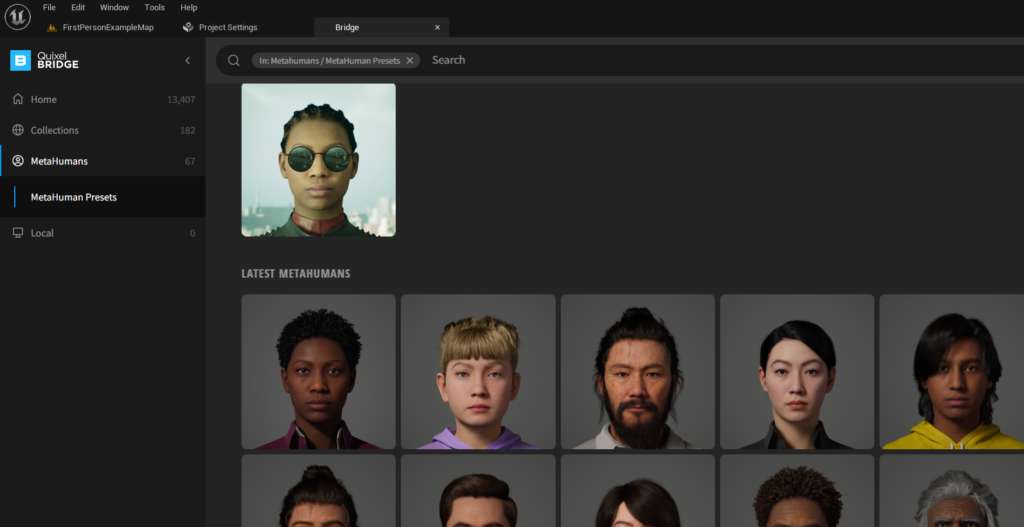
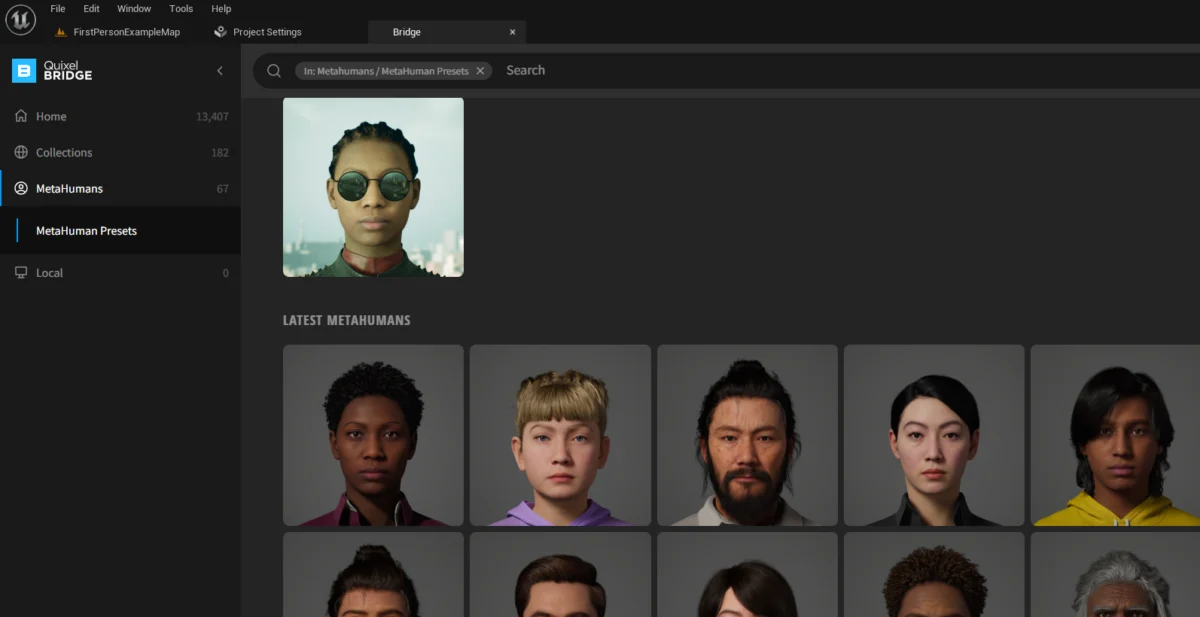
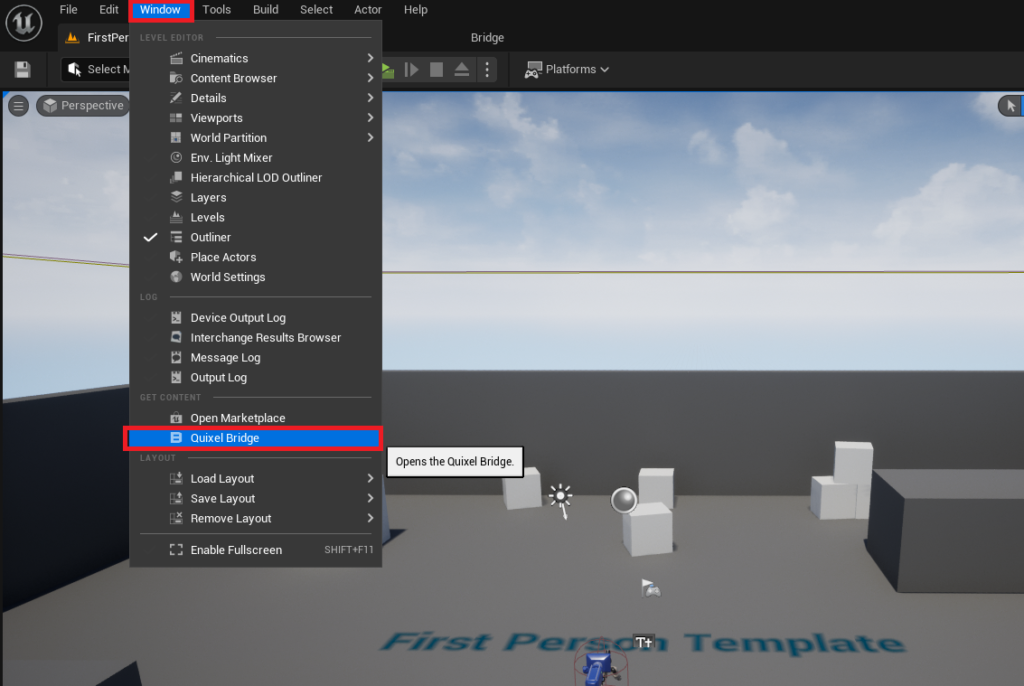
For developers looking to integrate these sophisticated digital characters into their Unreal Engine 5 projects, the process is streamlined through Quixel Bridge, Epic Games’ comprehensive content management application. The first step involves navigating to the Unreal Engine editor and selecting the "Window" tab, then clicking on "Quixel Bridge." This action opens a dedicated panel within the editor, seamlessly integrating the vast Quixel ecosystem directly into the development environment.
Quixel Bridge serves as a crucial gateway, not only to the MetaHuman library but also to the extensive Quixel Megascans library, which comprises thousands of 3D assets, surfaces, and environments scanned from the real world with photogrammetric precision. This integrated approach underscores Epic Games’ vision of providing a unified platform for creating visually stunning and highly realistic virtual worlds. Once Quixel Bridge is active within the editor, users are directed to select the "MetaHumans" tab, which then displays a comprehensive grid of pre-configured MetaHuman avatars. These avatars represent a diverse range of ages, ethnicities, and styles, providing a rich starting point for various project requirements.
To proceed with downloading and utilizing these assets, an essential authentication step is required. Upon selecting a MetaHuman avatar from the library, users will be prompted to "Sign In" to their Epic Games account. This login process is critical for accessing the full scope of the Quixel Megascans and MetaHuman libraries, ensuring proper licensing and tracking of asset usage. Epic Games’ decision to make these high-value assets free to use, contingent on an Epic Games account, aligns with their broader strategy of fostering a vibrant developer ecosystem around Unreal Engine and its related technologies. This move not only expands the engine’s capabilities but also strengthens its position as a leading platform for real-time content creation across industries.
Integrating MetaHumans into Active Projects: A Step-by-Step Overview
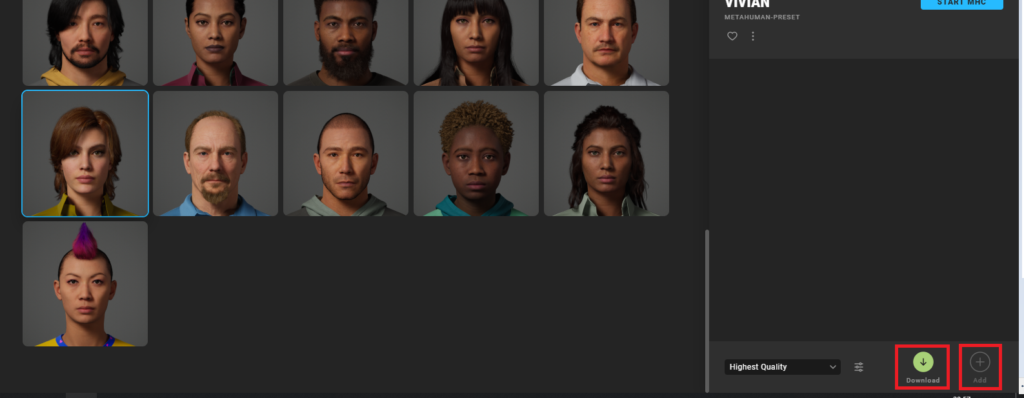
Following successful authentication, developers can proceed with adding their chosen MetaHuman to their Unreal Engine 5 project. The workflow is designed to be intuitive, beginning with the selection of a desired MetaHuman avatar and initiating the "Download" process. Given the extremely high fidelity of these characters, which include multiple levels of detail (LODs), high-resolution textures, and complex rigging, the download size can be substantial, and the process may take some time depending on network speeds. This investment in data size is directly correlated with the unparalleled visual quality MetaHumans deliver.
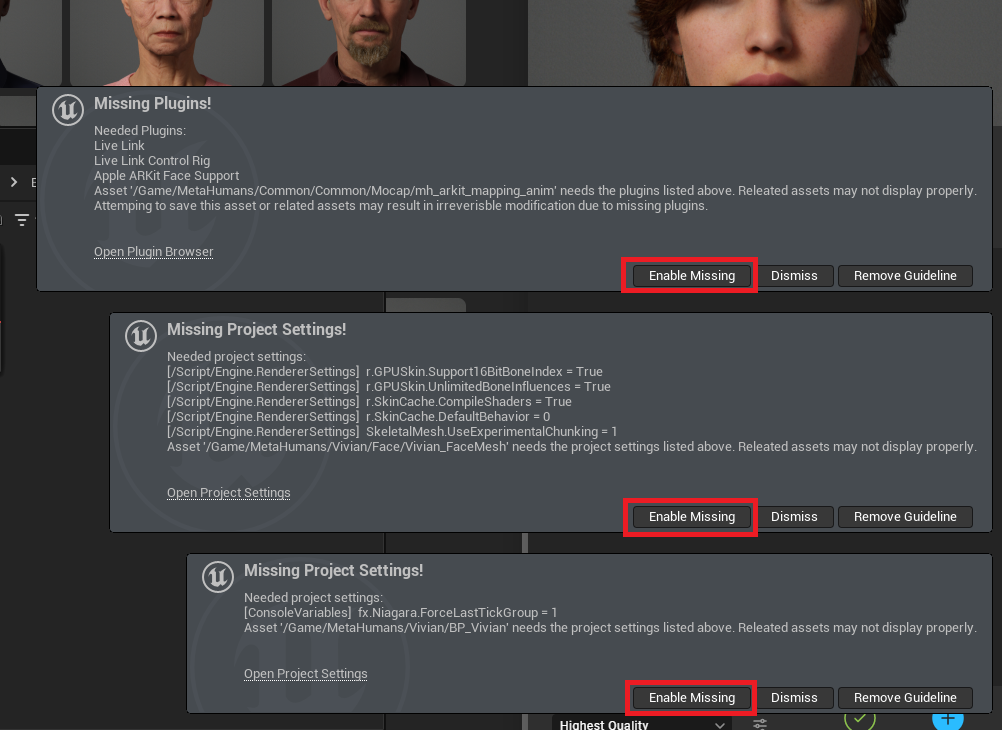
Once the download is complete, an "Add" button becomes active, allowing the MetaHuman asset to be imported directly into the currently open Unreal Engine project. This import process is more than a simple file transfer; it involves integrating the complex asset structure, including skeletal meshes, material instances, and blueprints, into the project’s content directory. During this phase, the Unreal Engine editor may detect that certain plugins or project settings necessary for MetaHuman functionality are either missing or not correctly configured. In such instances, notifications will appear, typically in the bottom-left corner of the editor interface, prompting the user to "Enable Missing" features.

These necessary configurations often include activating specific plugins related to character animation, advanced rendering features, and potentially virtual production tools that MetaHumans leverage. For example, features like the "MetaHuman" plugin itself, as well as components related to hair rendering (e.g., Groom components) or advanced skin shading models, might need to be enabled. Furthermore, certain project settings, such as those governing virtual textures or specific shader permutations, may require adjustment to fully support the MetaHuman assets and ensure optimal performance and visual quality.
Upon enabling these missing settings and plugins, the editor will typically require a restart to apply the new configurations effectively. A "Restart Now" button will appear, and clicking it will close and relaunch the Unreal Engine editor, ensuring that all MetaHuman-dependent functionalities are properly initialized. This restart ensures that the engine’s runtime environment is fully prepared to handle the intricate details and advanced rendering requirements of the newly imported digital human.
After the editor has restarted, the newly added MetaHuman can be located within the project’s Content Drawer. By navigating to the "MetaHumans" folder, users will find a subfolder named after the specific MetaHuman avatar they chose. Within this folder, the core asset for the character is typically identified by a blueprint asset prefixed with "BP_". This blueprint acts as a container for all the character’s components, including its various meshes (head, body, hair, clothing), materials, and animation rig. These blueprints are designed to be production-ready, meaning they are fully rigged and capable of being used directly as player characters, non-player characters (NPCs), or virtual presenters, complete with robust animation controls. The modular nature of MetaHumans, evident in their multiple component meshes, also allows for further customization and optimization, where individual parts can be swapped or modified as needed.

Broader Implications and Transformative Impact
The free availability and streamlined integration of MetaHumans carry profound implications across various industries. Foremost is the democratization of high-end content creation. Previously, achieving photorealistic digital humans was a monumental task, often requiring teams of specialists and significant budgets. Now, even indie developers, small studios, and individual artists can access and utilize these assets, leveling the playing field and fostering greater creativity and innovation. This accelerates development cycles, as creators no longer need to spend months on character development, allowing them to focus on gameplay, storytelling, or interactive experiences.
In the game development industry, MetaHumans promise to elevate the visual fidelity of characters in titles across all genres, from AAA blockbusters to independent projects. The ability to quickly generate and customize realistic characters means richer narratives and more immersive player experiences. For film and television production, particularly in the burgeoning field of virtual production, MetaHumans offer a powerful tool for pre-visualization, digital doubles, and even primary characters, reducing the need for costly physical shoots or complex visual effects pipelines that rely on traditional rendering farms.
Architectural visualization, product design, and simulation also stand to benefit. Imagine highly realistic digital people populating architectural renderings, making proposed buildings feel more alive, or virtual training simulations featuring lifelike instructors and participants. The emerging metaverse and virtual reality (VR)/augmented reality (AR) spaces are perhaps where MetaHumans will have their most transformative impact, providing the foundation for believable and engaging avatars and digital inhabitants, crucial for fostering genuine social interaction in persistent virtual worlds.
However, the power of MetaHumans also comes with technical considerations. While Unreal Engine 5 is optimized to handle these complex assets with technologies like Nanite, the sheer detail can still be demanding on hardware, especially for real-time applications running on consumer-grade devices. Developers must carefully manage LODs, texture resolutions, and optimize performance through various engine settings. The high fidelity also raises ethical discussions, particularly concerning the "uncanny valley" and the potential for misuse in generating convincing deepfakes, though Epic Games has emphasized responsible use and robust asset management.
The Future Horizon: Custom MetaHuman Creation
While the pre-configured library is a significant offering, Epic Games is pushing the boundaries further with the MetaHuman Creator tool. This cloud-based application, currently in early access, empowers users to design entirely new MetaHumans from scratch, blending and morphing between different facial features, body types, hairstyles, and clothing options with intuitive controls. This tool represents the ultimate vision for MetaHumans: not just a library of ready-made characters, but a dynamic system for generating unique, high-fidelity digital humans tailored to any specific project requirement. The ability to sculpt and personalize characters to such a granular degree, then export them directly to Unreal Engine 5, completes the cycle of accessible, high-quality digital human creation.
The ongoing evolution of MetaHumans, coupled with continuous updates to Unreal Engine 5, solidifies Epic Games’ commitment to pushing the frontiers of real-time graphics. This initiative is more than just a feature; it’s a strategic move to empower a new generation of creators, enabling them to bring their imaginative worlds to life with an unprecedented level of visual fidelity and emotional resonance, fundamentally reshaping the landscape of digital content creation for years to come.
About the Author