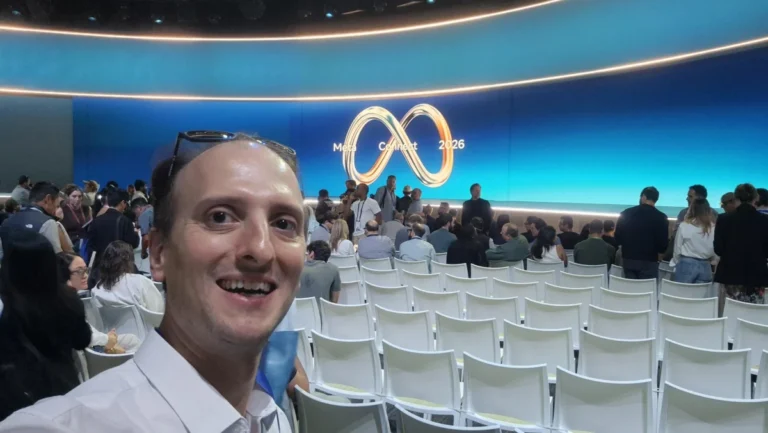
The recent unveiling of the Meta VR Glasses at the Meta Connect 2026 conference has sparked a significant debate within the extended reality (XR) industry, highlighting a fundamental shift in hardware design priorities. One week after the official launch, the device remains a central point of discussion among technology analysts, developers, and consumers. The conversation is largely centered on whether Meta’s transition toward a lightweight, glasses-like form factor represents a necessary evolution for mainstream adoption or a compromise that undermines the immersive potential of virtual reality. Central to this debate is the inevitable comparison with the Apple Vision Pro, a device that has defined the high-end spatial computing market since its release.
A Strategic Shift in Hardware Design
The Meta VR Glasses represent a departure from the "all-in-one" headset design characterized by the Quest series. Weighing approximately 100 grams, the device is significantly lighter than the Apple Vision Pro, which weighs between 600 and 650 grams depending on the configuration. To achieve this reduction in mass, Meta utilized a "split-compute" or "all-in-two" architecture. This design offloads the battery and primary processing units to an external computational "puck" connected by a cable, allowing the eyewear itself to remain slim and socially acceptable in public settings.
Industry analysts note that this design choice targets two primary barriers to VR adoption: physical comfort and social friction. While traditional headsets are often viewed as bulky and isolating, the Meta VR Glasses are engineered to resemble standard eyewear. This aesthetic choice is intended to facilitate longer usage sessions for productivity and media consumption, areas where Meta is now directly competing with Apple’s vision for spatial computing.
Chronology of the Meta-Apple Rivalry
The tension between Meta and Apple regarding wearable technology has escalated steadily over the past three years. When Apple entered the market with the Vision Pro, it prioritized high-fidelity displays and internal processing power, effectively setting a benchmark for visual immersion. Meta, conversely, has historically focused on affordability and gaming through its Quest lineup.
At the 2026 Connect event, Meta CEO Mark Zuckerberg positioned the new VR Glasses as a direct alternative to Apple’s "heavy" hardware. This tactical shift follows years of Meta’s internal research into miniaturization. Reports indicate that Meta explored high-resolution, internal-compute designs similar to the Vision Pro but ultimately pivoted toward the lightweight glasses format. This decision was reportedly driven by the goal of reaching a "mainstream" audience of one billion users, a figure Zuckerberg has cited as the threshold for XR becoming the next major computing platform.

Technical Specifications and Engineering Compromises
The pursuit of a lightweight form factor has necessitated several technical trade-offs that have divided the enthusiast community.
Field of View and Immersion
The Meta VR Glasses feature a field of view (FOV) estimated at approximately 90 degrees. This is a notable reduction compared to the 110-degree FOV offered by the Quest 3 and the high-fidelity immersion provided by specialized PCVR headsets. Critics from the hardcore gaming community argue that a narrower FOV creates a "binocular effect," which can diminish the sense of presence in virtual environments. For enthusiasts who prioritize immersion and "presence" above all else, the glasses are seen as a regression from the standards set by earlier VR hardware.
Display and Productivity
To compete with the Apple Vision Pro’s "virtual desktop" capabilities, Meta has prioritized text legibility and visual clarity within the central viewing area. The device is marketed as a tool for "spatial productivity," allowing users to project multiple virtual monitors into their physical space. However, the reliance on an external puck and a wired connection has drawn criticism from users who prefer the total wireless freedom of the Quest series.
The All-In-Two Architecture
The "all-in-two" design is not unique to Meta; companies such as XREAL, Viture, and RayNeo have utilized similar configurations for years. By moving the heat-generating components away from the face, Meta has solved the thermal management issues that often plague slim wearables. However, the requirement to carry a secondary device in a pocket or clipped to a belt introduces a different type of user friction, which some critics argue is counterintuitive to the goal of seamless integration.
Market Positioning and Target Demographics
Meta appears to be distancing itself from the "hardcore gamer" niche with this specific product. Internal marketing materials and keynote presentations suggest the device is intended for:
- Mobile Professionals: Users who require a multi-monitor setup while traveling or working in confined spaces like airplanes.
- Media Consumers: Individuals seeking a private, large-screen experience for movies and streaming services without the bulk of a traditional headset.
- Early Adopters of Social XR: Users interested in "hologram" communication and mixed reality interactions that feel less intrusive than current hardware allows.
The pricing of the Meta VR Glasses, set at $1,300, places it in a middle ground between the consumer-grade Quest 3 ($499) and the enterprise-focused Apple Vision Pro ($3,499). This positioning suggests Meta is testing the appetite for a "premium-lite" category of XR hardware.

Industry and Community Reactions
The reception of the Meta VR Glasses has been polarized along professional and enthusiast lines.
Professional and Generalist Press
Mainstream technology outlets have generally praised the device, with several reviewers describing it as "what the Vision Pro should have been." The emphasis on a "normal" look is frequently cited as the most significant breakthrough. For the general public, the aesthetic barrier has often been higher than the technological one; by lowering that barrier, Meta has garnered positive sentiment from non-tech-centric media.
Hardcore VR Enthusiasts
The enthusiast community, particularly those active on platforms like X (formerly Twitter) and Reddit, has expressed skepticism. This group often prioritizes the "Oculus Rift 2" ideal—a high-performance, wide-FOV headset designed for maximum gaming immersion. For these users, the Meta VR Glasses represent a "lifestyle" product rather than a "gaming" product. There are concerns that Meta’s focus on mainstream appeal will lead to a stagnation in high-end VR gaming development.
The Apple Community
Proponents of the Apple Vision Pro have defended the device’s superior sensor suite and ecosystem integration. They argue that Apple’s focus on "spatial computing" rather than "VR glasses" justifies the weight and cost, as the Vision Pro offers a level of passthrough quality and hand-tracking precision that Meta has yet to match in a 100-gram frame.
Broader Impact on the XR Ecosystem
The launch of the Meta VR Glasses is expected to have a ripple effect across the entire industry. Competitors such as Samsung, Google, and Sony are reportedly monitoring the market response to determine their own hardware trajectories.
Acceleration of Competition
The positive press surrounding Meta’s lightweight design is likely to pressure Apple to accelerate the development of a lighter "Vision" headset. Industry rumors suggest that Apple has already shifted resources toward a more wearable version of its spatial computer, potentially abandoning plans for a higher-end "Pro 2" in the short term to address the weight concerns highlighted by Meta’s marketing.

Normalization of Wearable XR
Perhaps the most significant implication is the potential normalization of XR in public spaces. The social stigma of wearing a computer on one’s face remains a primary hurdle for the industry. If the Meta VR Glasses achieve even moderate success, they could pave the way for a "killer ecosystem" where different hardware form factors coexist: headsets for gaming, glasses for productivity, and smart frames for everyday AI assistance.
Conclusion and Future Outlook
The Meta VR Glasses at $1,300 are unlikely to achieve the mass-market volume of the Quest 2, but their success will be measured by their ability to define a new product category. By prioritizing comfort and aesthetics over raw immersion, Meta is betting that the path to one billion users lies in making technology disappear into the background.
As the industry moves toward 2027, the focus will likely shift from hardware specifications to software utility. The ultimate viability of the Meta VR Glasses will depend on whether Meta can provide a compelling reason for users to wear the device daily. Whether it is for "holographic" calls, professional productivity, or casual entertainment, the device must transition from a "nice-to-have" novelty to a "must-have" tool. For now, the Meta VR Glasses have succeeded in one clear objective: they have reignited the conversation about the future of the face-worn computer, proving that the race for the next computing platform is far from over.
About the Author