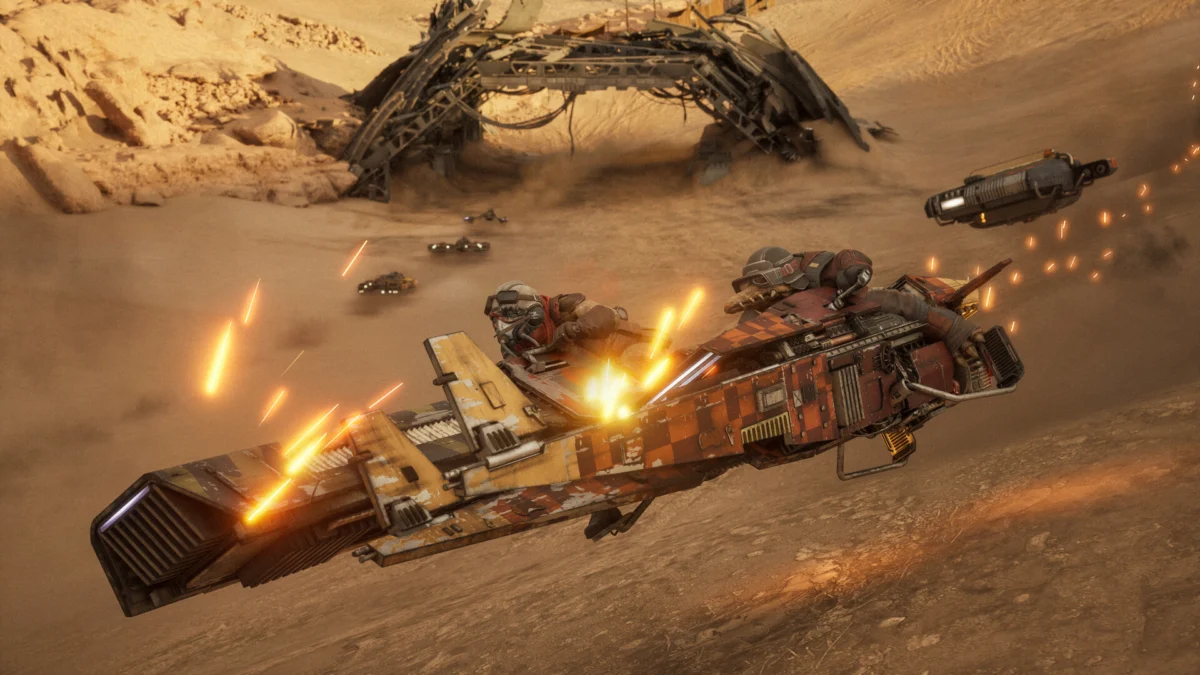
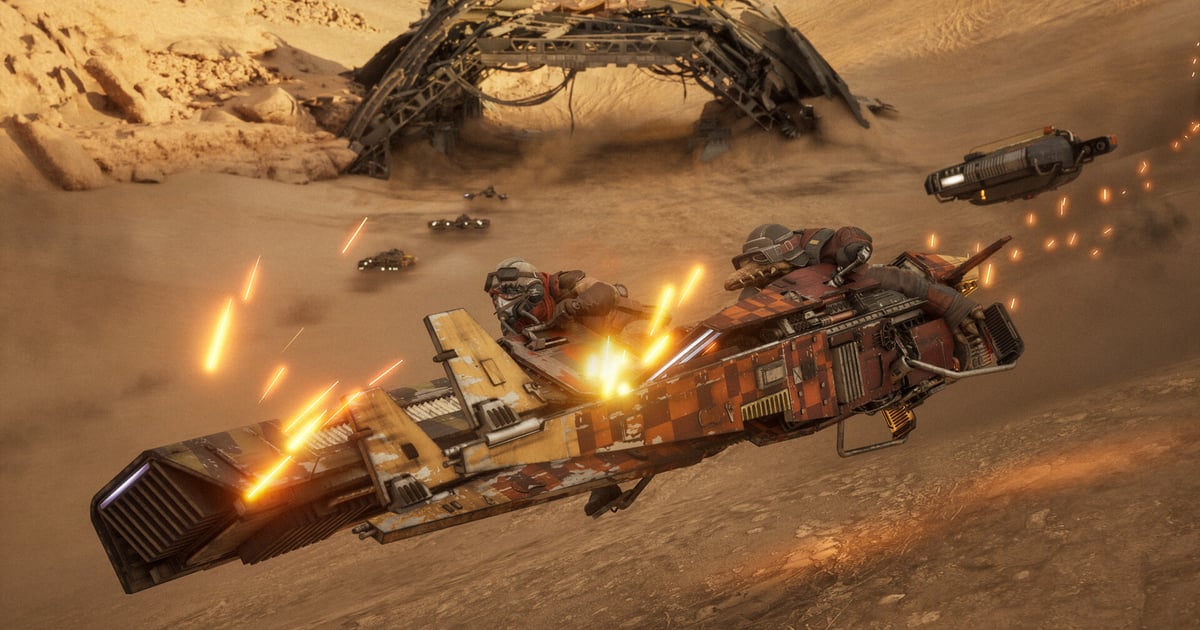
Star Wars: Galactic Racer, the latest entry in the iconic franchise’s gaming universe, has launched with remarkable commercial and critical momentum, quickly establishing itself as a significant player in the competitive racing genre. Propelled by strong player engagement and a "mostly positive" reception on Steam, the game has regularly commanded over 18,000 concurrent users, signaling robust market acceptance. Fuse Games CEO Matt Webster confirmed the title’s strong performance, describing sales as "healthy" in a recent interview with VGC, a testament to the studio’s innovative approach to game production. Beyond its immediate financial triumph and the unexpected rise of characters like Biddy Blas into widespread internet memes, Galactic Racer‘s true trailblazing contribution to the industry lies in Fuse Games’ transparent and highly effective distributed development model, detailed by Webster in an interview with Gamesindustry.biz. This strategy offers a compelling blueprint for how modern studios can manage the escalating scale and complexity of contemporary game development, while navigating the intricate landscape of global talent pools and evolving production paradigms.
A New Force on the Racing Track: Initial Reception and Market Impact
The launch of Star Wars: Galactic Racer has resonated deeply within the gaming community, particularly among fans of the Star Wars saga and arcade racing enthusiasts. The game’s vibrant graphics, fast-paced gameplay, and authentic Star Wars aesthetic have drawn comparisons to beloved predecessors like Star Wars: Episode I – Racer and Star Wars: Racer Revenge, filling a niche that has long awaited a modern iteration. The sustained concurrent player count of over 18,000 on Steam is a critical indicator of post-launch retention and continued player interest, often more challenging to achieve than peak launch numbers. For a new IP or a revival in a specific genre, such figures suggest a strong foundation for long-term community building and potential for future content expansions.
Player feedback, encapsulated in the "mostly positive" Steam rating, typically reflects a broad approval from 70-79% of reviewers. Common praise often highlights responsive controls, diverse track designs spanning various Star Wars planets, and a roster of recognizable characters and vehicles, including the breakout sensation Biddy Blas. Blas, a previously lesser-known character from Star Wars lore, has unexpectedly captured the imagination of players, spawning memes like "SKRIB DOON" and fostering a unique subculture around the game. This organic virality underscores the power of strong character design and community engagement in amplifying a game’s reach far beyond traditional marketing efforts. The enthusiasm for Biddy Blas demonstrates that even within a highly structured development environment, unpredictable elements can emerge to significantly enhance a game’s cultural footprint.
The commercial success, as affirmed by CEO Matt Webster’s statement on "healthy" sales, is particularly significant in an industry frequently grappling with escalating development costs and unpredictable market performance. This success validates Fuse Games’ strategic decisions, from concept to execution, and positions Galactic Racer as a standout title in a year crowded with major releases. It also provides crucial data points for publishers like Secret Mode, suggesting effective investment strategies and market understanding.
The Genesis of a Modern Development Paradigm: Distributed Teams
At the heart of Star Wars: Galactic Racer‘s impressive debut lies Fuse Games’ meticulously structured "distributed development" model. This approach represents a sophisticated evolution of traditional co-development and outsourcing, tailored to leverage a global network of specialized talent while maintaining a coherent creative vision. Webster’s detailed explanation in Gamesindustry.biz offers a rare glimpse into the practical application of such a complex framework, which effectively allowed a "core team of 75" to orchestrate a project that ultimately involved approximately 1,100 professional roles, as indicated by the game’s extensive credits.
The decision to adopt a distributed model was likely driven by several factors common in contemporary game development: the need for scalability, access to a wider talent pool beyond geographical constraints, cost-efficiency, and the ability to rapidly integrate specialized skills. In a post-pandemic world, where remote and hybrid work models have become standard, this approach also capitalizes on established practices, transforming potential logistical hurdles into strategic advantages.
Deconstructing the Three-Tiered Model: Fuse Games’ Blueprint
Fuse Games’ distributed development model is primarily categorized into three distinct tiers, each with specific roles, interaction protocols, and integration methods: Outsourcing Partners, External Development Partners, and Co-development Partners. This clear differentiation is crucial for understanding how a studio can effectively manage a vast and geographically dispersed workforce without sacrificing quality or creative integrity.
1. Outsourcing Partners: Precision Asset Creation
At the foundational level are the outsourcing partners. These entities are engaged for the provision of specific assets based on clearly defined briefs. Webster emphasized the transactional nature of these interactions – "You give a brief, you get an output back, and you integrate it in" – but critically highlighted the importance of fostering strong relationships. While the deliverables are precise and often singular, treating these relationships as purely transactional can diminish the quality of the output. Building trust and communication channels ensures that outsourced assets, such as 3D models for vehicles, environmental textures, specific character animations, or sound effects, align perfectly with the game’s aesthetic and technical requirements. The efficiency of outsourcing lies in offloading highly specialized, often labor-intensive tasks that do not require deep integration into the core design loop, thereby allowing the internal team to focus on core gameplay mechanics and overarching creative direction. This tier is particularly effective for managing bursts of content creation and leveraging expertise for niche requirements.
2. External Development Partners: Feature-Specific Modules
The next tier involves external development partners, a category often conflated with co-development but distinctly defined by Fuse Games. External development focuses on assigning entire, self-contained sections or features of the game to outside studios. Webster provided the example of Galactic Racer‘s photo mode, which was entirely developed by an external team. This approach is viable for features that can be conceptually isolated, developed independently, and then "slotted in" with minimal disruption to the main development pipeline. The reliance on robust engine technologies like Unreal Engine, which offers modular architecture and extensive toolsets, significantly facilitates this integration.
For a feature like a photo mode, the external studio would require a cross-disciplinary team encompassing production, art, UI/UX design, and programming. The brief for such a feature must be exceptionally clear, outlining functional requirements, user experience goals, visual style guides, and technical specifications for integration. This tier allows Fuse Games to tap into specialized expertise for particular functionalities without expanding its internal team or diverting resources from core gameplay development. It’s a strategic choice for adding value-added features that enhance the player experience but aren’t central to the game’s fundamental mechanics. Other potential externalized features could include mini-games, specific UI systems, or auxiliary game modes.
3. Co-development Partners: Integrated Team Extensions
The most integrated tier of Fuse Games’ model consists of co-development partners. These studios function as genuine extensions of the Fuse Games team, blurring the lines between internal and external labor. Co-developers are fully embedded in the daily operations, participating in stand-ups, contributing to internal communication platforms like Slack, and collaborating closely on core development tasks. This level of integration implies a shared understanding of the game’s vision, design principles, and technical pipeline.
Co-development partners might be responsible for entire levels, specific gameplay systems (e.g., progression, customization), character design pipelines, or even porting the game to different platforms. The benefits include enhanced scalability, access to a broader range of creative talent, and the ability to distribute workload more dynamically. However, this tier demands the highest level of trust, communication, and alignment between Fuse Games and its partners. It requires shared tools, consistent communication protocols, and a strong sense of unified purpose to ensure seamless collaboration and consistent quality across all contributions. This integration helps maintain a cohesive player experience despite the distributed nature of the workforce.
Advantages and Challenges of the Distributed Model
The distributed development model employed by Fuse Games offers several compelling advantages in the current landscape of game production:
- Scalability and Flexibility: Studios can rapidly scale up or down resources based on project needs, avoiding the overheads associated with maintaining a large, permanent internal team.
- Access to Global Talent: Geographical barriers are significantly reduced, allowing studios to recruit the best talent from around the world, regardless of their location.
- Cost-Effectiveness: Strategic outsourcing and external development can optimize production costs by leveraging different labor markets and specialized studios without the full overhead of internal employment.
- Specialized Expertise: The model allows for the seamless integration of highly specialized teams for specific tasks, ensuring high-quality output for niche requirements.
- Risk Mitigation: Distributing tasks across multiple entities can potentially mitigate risks associated with single points of failure or internal resource constraints.
However, this complex model is not without its challenges:
- Communication Overhead: Managing communication across multiple teams, time zones, and potentially different cultures requires robust tools and dedicated production oversight. Miscommunication can lead to costly rework.
- Maintaining Creative Vision: Ensuring a consistent artistic and design vision across numerous contributors, particularly with external and outsourced teams, demands stringent guidelines and continuous feedback loops.
- Quality Control: Implementing comprehensive quality assurance protocols across all external contributions is critical to prevent inconsistencies or technical debt from accumulating.
- Intellectual Property and Security: Managing IP rights, data security, and confidentiality across a distributed network of partners adds layers of legal and operational complexity.
- Integration Challenges: While engines like Unreal facilitate modular integration, technical compatibility and pipeline synchronization across different teams can still pose significant hurdles.
Broader Industry Implications and the Future of Game Development
Fuse Games’ success with Star Wars: Galactic Racer and its transparent discussion of the distributed development model arrive at a crucial time for the video game industry. As development budgets for AAA titles soar into hundreds of millions of dollars and player expectations for graphical fidelity and content density continue to rise, studios are under immense pressure to find sustainable business models. The traditional model of rapidly expanding and contracting massive internal teams, often leading to periods of "crunch" and mass layoffs, is increasingly being questioned for its human and financial costs.
The Galactic Racer case study offers a practical, successful alternative. It demonstrates that with careful planning, clear communication, and a strategic approach to partnership, it is possible to produce a high-quality, commercially successful title by orchestrating a vast network of collaborators. This model aligns with the broader industry trend towards more flexible work arrangements and a greater reliance on external expertise, especially in the wake of accelerated remote work adoption during the global pandemic.
The distinction Webster draws between outsourcing, external development, and co-development is particularly valuable for industry professionals. As highlighted in GameDeveloper.com’s own coverage, these terms are often used interchangeably, leading to ambiguity in project management and communication. Fuse Games’ clear definitions provide a useful framework for studios seeking to adopt or refine their own distributed strategies, enabling more precise project planning and execution.
Perhaps the most profound implication of this model, and one that the industry must collectively address, concerns the issue of crediting. While Fuse Games operated with a "core team of 75," the game’s credits list approximately 1,100 professional roles. This stark difference underscores a growing challenge: how to adequately acknowledge and commemorate the contributions of every individual involved in a modern, complex game project. The traditional practice of prominently crediting internal "core" teams, while often relegating external partners to smaller sections or less visible roles, may not fully reflect the actual distribution of labor and creative input.
As games become increasingly collaborative, involving hundreds or even thousands of individuals across multiple studios and continents, the industry needs to evolve its crediting standards. A more equitable and comprehensive approach would not only provide due recognition to all who contributed to a game’s success but also foster greater transparency and respect across the development ecosystem. The widespread embrace of a character like Biddy Blas, whose creation likely involved input from various teams, serves as a powerful reminder that every contribution, no matter how specialized or externalized, plays a vital role in shaping the final player experience and the cultural impact of a game.
In conclusion, Star Wars: Galactic Racer is more than just a successful new Star Wars title; it is a significant case study in modern game development. Fuse Games has not only delivered a highly engaging product that resonates with players but has also provided a tangible example of how a carefully constructed distributed development model can lead to commercial success and operational sustainability. Its experience offers invaluable lessons for an industry continually striving to balance creative ambition with practical execution, charting a course for future titles that are both innovative in their content and intelligent in their creation.
About the Author