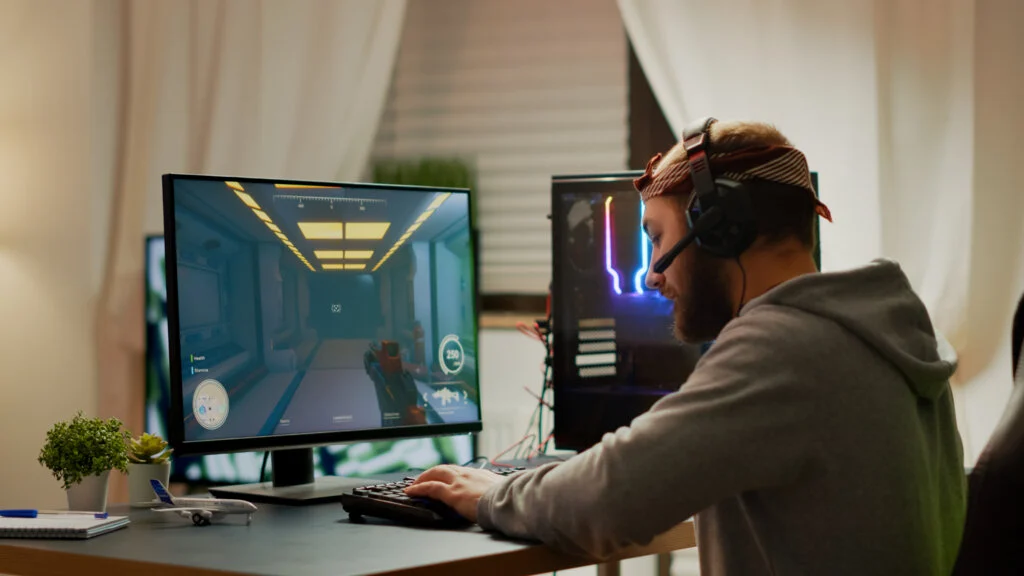
In an era increasingly defined by relentless demands on personal time, a perplexing paradox has emerged: hobbies, intended as sanctuaries for relaxation and personal enrichment, are often morphing into yet another source of stress and obligation. This pervasive shift, affecting millions globally, stems predominantly from one overlooked element: the absence of deliberate boundaries. Without these crucial limits, what begins as a cherished pastime – be it a demanding sports league, an intricate craft project, or a casual digital game – can insidiously expand, consuming valuable time, financial resources, and emotional energy, ultimately undermining the very joy it was meant to provide. This phenomenon is not merely anecdotal; it reflects a broader societal challenge in distinguishing true leisure from unintentional overcommitment, prompting a critical examination of how individuals can consciously reclaim the restorative power of their chosen pursuits.
The Paradox of Modern Leisure: When Downtime Becomes Overtime
The contemporary landscape of leisure is markedly different from previous generations. Technological advancements, while offering unprecedented access to diverse pastimes, have simultaneously blurred the once distinct lines between work, personal life, and relaxation. The always-on culture fostered by digital connectivity means that opportunities for engagement are constant, creating a fertile ground for hobbies to metastasize beyond their intended scope. What was once a scheduled break, clearly demarcated from responsibilities, now frequently bleeds into other life domains. Psychologists and sociologists observe that this erosion of boundaries is a significant contributor to widespread mental fatigue and burnout, where even leisure activities, paradoxically, contribute to an overall sense of exhaustion. Data from various surveys, such as those conducted by the American Psychological Association, consistently highlight increasing stress levels among adults, with inadequate time for relaxation and personal activities frequently cited as a primary factor. The brain, constantly stimulated by accessible entertainment and social engagement, struggles to switch off, turning what should be a regenerative experience into a continuous cognitive load.
The Silent Expansion: How Unchecked Pastimes Consume Unallocated Time
The transformation of a hobby from a source of pleasure to a burden rarely occurs abruptly. Instead, it is a gradual, often imperceptible process of silent expansion. A casual interest in an online multiplayer game can evolve from a single session into multiple rounds that extend well past planned bedtime. A weekend cycling club, initially a refreshing outdoor activity, can escalate into an intense training regimen demanding entire Saturdays and Sundays, sidelining family time or other personal commitments. Similarly, a craft project, perhaps knitting or woodworking, intended for an hour or two in the evening, might stretch late into the night, driven by a desire for completion or artistic perfection. This insidious creep is fueled by the inherent design of many modern leisure activities, particularly digital ones, which are often engineered to maximize engagement through addictive feedback loops and endless content streams. The "just one more" phenomenon – whether it’s another level in a game, one more episode of a series, or another item for a collection – is a powerful psychological trigger that disrupts self-regulation. Without pre-established stopping points, these activities fill whatever vacuum exists in an individual’s schedule, including time that was never truly free, ultimately encroaching upon essential rest, work, and social obligations. This pattern is particularly evident in activities lacking a natural conclusion, such as infinite scrolling on hobby-related forums or open-ended gaming worlds, where the session only ends when an external interruption or sheer exhaustion forces it.
The Crucial Role of Deliberate Boundaries: A Framework for Intentional Engagement
Recognizing this pervasive challenge, experts advocate for the proactive establishment of deliberate boundaries as the fundamental strategy for preserving the restorative essence of hobbies. These personal limits are not about restricting enjoyment but about structuring engagement to ensure sustainability and genuine fulfillment. They act as protective frameworks, ensuring that a hobby remains a chosen activity rather than an uncontrollable habit. The implementation of such boundaries requires conscious effort and foresight, moving beyond reactive engagement to proactive management of one’s leisure time and resources.
Preserving Autonomy and Choice: The Time Boundary
One of the most critical boundaries involves time. When individuals pre-determine a stopping point for a hobby session, they reclaim control, transforming the activity from something that "just keeps going" into a conscious choice. Research in behavioral economics highlights the effectiveness of "pre-commitment devices" in helping individuals stick to their intentions, especially when faced with immediate gratification. For instance, setting a timer for 30 minutes of gaming or deciding to read for one chapter before bed are simple yet powerful acts of self-governance. Without such an anchor, an activity designed to hold attention, like immersive reading, online gaming, or browsing enthusiast communities, can easily consume hours. A study by RescueTime indicated that on average, users spend over three hours a day on their phones, with a significant portion dedicated to non-work-related apps, often blurring into leisure activities. This unplanned consumption of time can significantly impact sleep quality, productivity, and the ability to engage in other meaningful activities. Deciding on an endpoint before a session begins protects not only the time allocated for the hobby but also the essential time surrounding it: sleep, professional responsibilities, and social engagements. Even a rough estimate, rather than a precise minute count, provides sufficient structure to prevent a hobby from silently colonizing an entire evening or weekend that it was never intended to fill. Psychologists often emphasize that this intentional decision-making fosters a sense of agency, making the leisure experience feel more empowering and less like a compulsion.
Fostering Financial Wellness: The Spending Boundary
Beyond time, financial resources are another area where unchecked hobbies can lead to stress. From specialized craft supplies and ongoing gym memberships to entertainment subscriptions and in-game purchases, discretionary spending on hobbies can steadily escalate without conscious oversight. Behavioral economists refer to this as "scope creep" or the "sunk cost fallacy," where individuals continue to invest more resources due to past expenditures or an expanding perception of what the hobby entails. The gaming industry, for example, frequently utilizes microtransactions and "loot box" mechanics that encourage incremental spending, often blurring the lines between entertainment and gambling. Platforms offering online slots or other casino-style entertainment explicitly advise reviewing an online slots guide, checking betting limits, and utilizing responsible gaming programs to establish clear financial boundaries. This proactive approach helps players stick to their budgets and mitigates the temptation to spend "just a little more." According to financial wellness reports, impulse purchases, particularly in leisure categories, are a common source of budget strain for households. Setting a fixed price or a monthly budget for a hobby before engagement begins transforms spending from a potential source of anxiety into a deliberate, enjoyable part of the experience. This pre-commitment ensures that financial investment aligns with personal values and capacity, maintaining the activity’s status as a source of fun rather than a drain on financial stability.
Sustaining Engagement: The Commitment Boundary
Group-based hobbies, while offering valuable social connection and shared purpose, introduce another layer of potential obligation: commitment. Book clubs, gaming guilds, volunteer groups, or weekend sports leagues can subtly transition from voluntary participation to an unspoken expectation of constant availability. The pressure to conform to group norms or to avoid "letting others down" can build quietly, even without explicit demands for participation. This can lead to individuals showing up for sessions out of a sense of duty rather than genuine desire, diminishing the intrinsic reward of the activity. Sociologists note that while community can significantly enrich hobbies, it also introduces social expectations that require conscious management to prevent them from becoming burdensome. Research on group dynamics suggests that individuals often overestimate the negative impact of their absence, making it harder to politely decline or take a break. It is crucial to recognize that occasionally skipping a session or adjusting one’s level of participation is not a failure but a strategic decision to protect the parts of the hobby that are truly valuable. This principle also extends to seemingly solo hobbies that involve significant online community engagement, where keeping up with group chats, forums, or social media updates can consume as much time as the hobby itself, often without a clear perception of its true time cost until later. The ability to differentiate between showing up because one wants to and showing up because one feels obligated is paramount for sustaining long-term, joyful engagement in any group activity.
Maintaining Intrinsic Motivation: The Enjoyment Boundary
Perhaps the most crucial, yet often overlooked, boundary is the one that protects the core element of any hobby: fun. The way a session ends offers a significant barometer of whether the hobby is still fulfilling its intended role as a source of relaxation and enjoyment. Hobbies do not always announce when they cease to be fun; the shift can be subtle, leading to a continuation of the habit long past the point of genuine enjoyment. If a session concludes with a feeling of relaxation, rejuvenation, or contentment, the hobby is likely serving its purpose. However, if the outcome is irritation, restlessness, fatigue, or a sense of guilt, it signals that something warrants examination, even if the activity itself has not outwardly changed. This "enjoyment check-in" doesn’t need to be a constant, intrusive self-assessment, but skipping it entirely allows a hobby to run on autopilot, potentially turning into a joyless routine. Experts in positive psychology emphasize that the true value of a hobby lies in its ability to generate positive emotions and a sense of flow; when this diminishes, the activity loses its restorative power. The earlier this shift is recognized, the easier it is to implement adjustments – whether that means shorter sessions, a revised budget, a temporary break, or even exploring a new pastime. Proactive adjustment prevents burnout from forcing a more drastic, and often less pleasant, intervention.
Broader Societal Implications and Expert Perspectives
The collective struggle to manage leisure effectively carries significant broader implications. A society where hobbies become obligations is a society at greater risk of chronic stress, diminished mental well-being, and reduced overall life satisfaction. Behavioral scientists and time management coaches consistently advocate for intentional leisure, emphasizing that quality of downtime directly impacts productivity and resilience in other life domains. Dr. Cal Newport, a prominent voice on digital minimalism and deep work, often stresses the importance of deliberate leisure, suggesting that unstructured, passive consumption is often less restorative than active, intentional engagement. The cultivation of well-managed hobbies contributes to a more balanced populace, fostering creativity, personal growth, and stronger social bonds. Boundaries, far from making a hobby smaller or less fulfilling, are the essential structures that prevent it from quietly transitioning into another item on an already overwhelming to-do list. They empower individuals to treat their pastimes as they were originally intended: chosen, enriching activities that consistently give back more than they demand. Those who most effectively protect the joy and value of their hobbies are rarely the ones with an abundance of free time; rather, they are the individuals who consciously define their limits early and possess the discipline to adhere to them, thereby safeguarding their leisure as a true source of renewal.
Conclusion: Reclaiming Intentional Leisure
In conclusion, the journey from hobby to obligation is a common yet avoidable modern predicament. By embracing the simple yet powerful principle of setting deliberate boundaries—encompassing time, finances, commitment, and enjoyment—individuals can safeguard their cherished pastimes from the insidious creep of overextension. These boundaries are not merely restrictive rules; they are acts of self-care and intentional living, transforming hobbies back into the chosen, restorative experiences they were always meant to be. In a world constantly vying for attention and resources, the ability to consciously manage one’s leisure is not just a personal skill but a vital component of holistic well-being, ensuring that relaxation remains a source of joy, not another task on the endless checklist of life.
About the Author