Streamlined Collection Management: A New Era of Organization
A cornerstone of this update is the complete integration of collection editing directly within the itch.io desktop application. Previously, managing game collections often necessitated navigating through the in-app browser, an experience that, while functional, could be cumbersome for users with extensive libraries. The new implementation liberates users from this constraint, offering a seamless and intuitive interface for organizing their digital game assets.
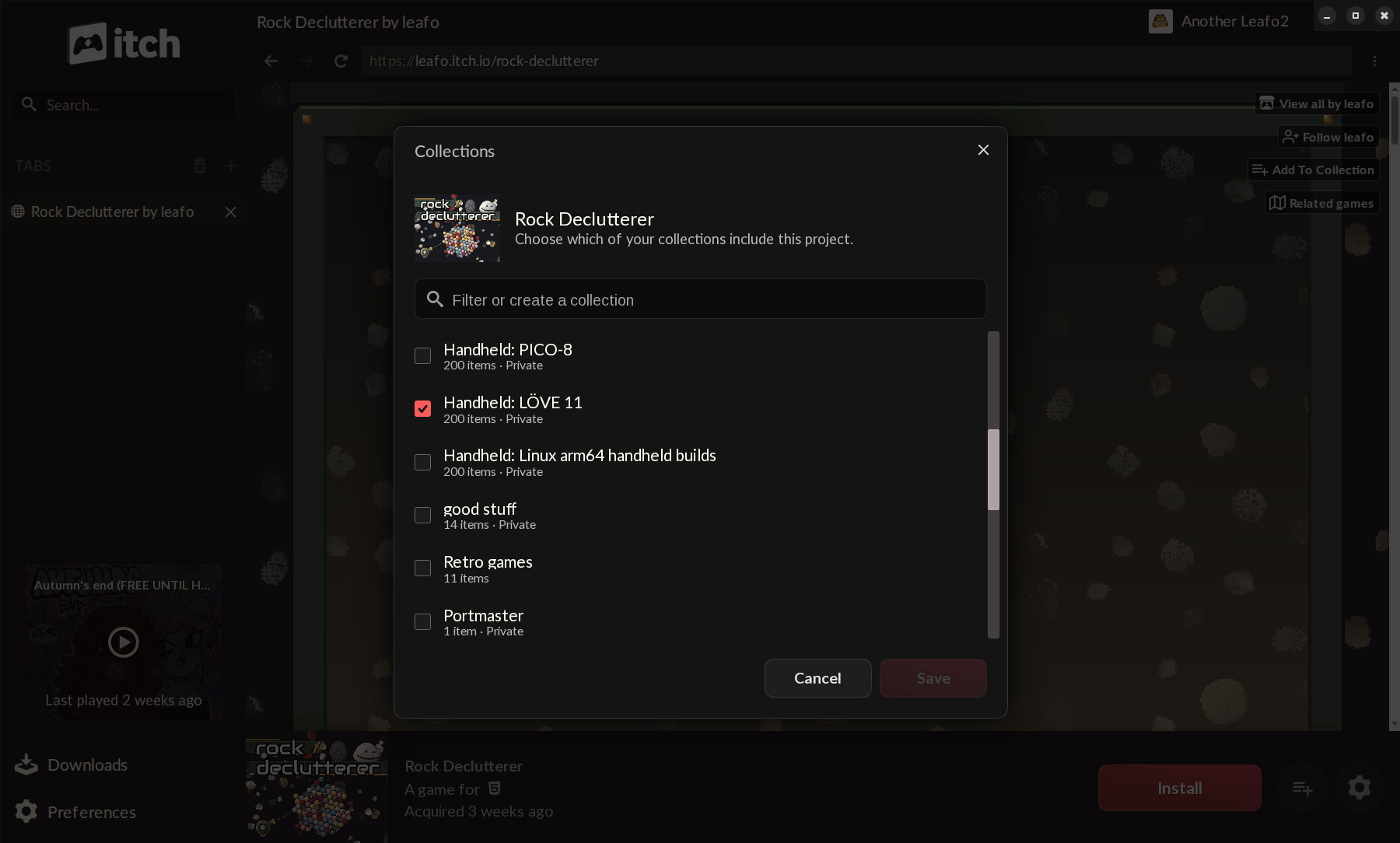
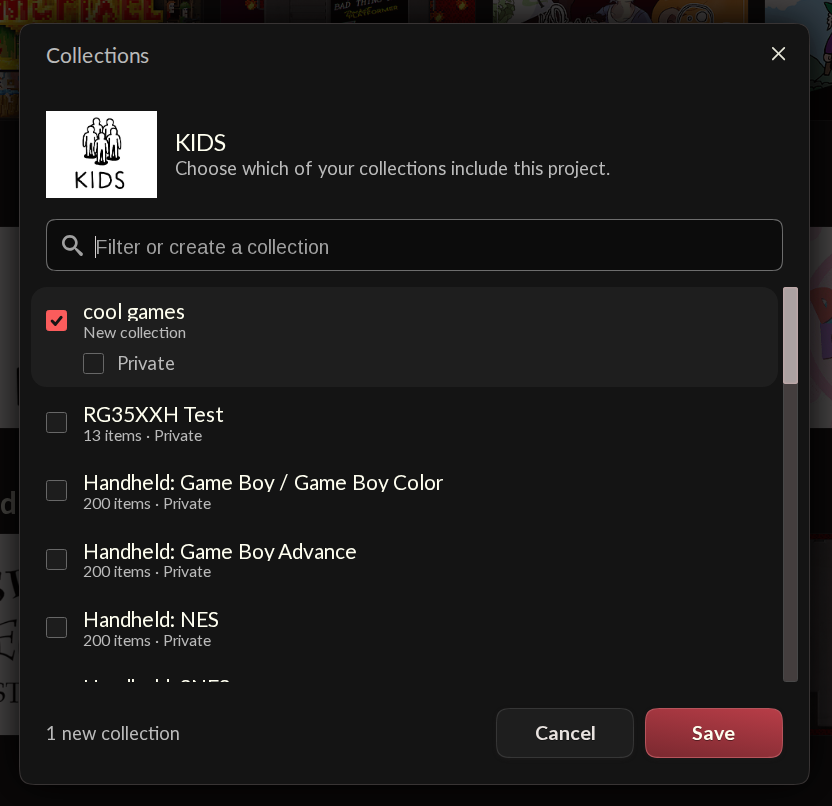
Collections on itch.io serve as vital tools for users to curate, categorize, and showcase their acquired games, particularly for those who frequently participate in bundles or have accumulated a vast array of titles over time. The ability to manage these collections natively within the app represents a substantial quality-of-life improvement. Users will now discover a dedicated "add to collection" dialog, facilitating the bulk management of games across multiple collections. This feature empowers individuals to effortlessly assign a particular game to several existing collections or to swiftly establish entirely new categories on the fly. Furthermore, the collection page itself has been augmented with a new bulk edit dialog, enabling users to reorder and remove items from a collection with unprecedented ease. This granular control transforms what was once a multi-step process into a fluid, responsive interaction, ensuring that users’ meticulously curated libraries remain organized and accessible. The automatic synchronization of all changes made within the app ensures consistency across all user interfaces, whether on the desktop application or the web platform, eliminating potential discrepancies and maintaining a unified experience. This enhancement is particularly relevant for the typical itch.io user, who might possess hundreds or even thousands of games acquired through various bundles and developer support initiatives, making efficient organization paramount.
Empowering Cross-Platform Play: Enhanced Steam Shortcuts and Proton Integration
The latest itch.io app release further solidifies its commitment to cross-platform compatibility and integration with the broader PC gaming ecosystem, specifically through significant advancements in its Steam Shortcuts tool. This feature, first introduced in a prior version, aimed to simplify the process of adding any installed itch.io software to a user’s Steam library, thereby centralizing their gaming experience. The initial rollout garnered considerable feedback, which itch.io developers have diligently addressed in this "Part Two" update.
A series of targeted fixes have been deployed to ensure the Steam Shortcuts tool operates smoothly across a wider array of Steam installations and user profile configurations. This addresses initial reports of inconsistencies and aims to provide a robust solution for all users, regardless of their specific Steam setup. However, the most impactful addition in this iteration is the explicit support for creating shortcuts that run through Proton within Steam. Proton, Valve’s compatibility layer, has revolutionized PC gaming on Linux, enabling users to play a vast library of Windows-native games on Linux-based operating systems, including the highly popular Steam Deck.
The end-to-end experience for Linux users, particularly those on the Steam Deck, is now fully functional and remarkably streamlined. Users can now install Windows-exclusive games from itch.io directly onto their Linux systems via the itch app. Subsequently, these games can be seamlessly added to their Steam library as shortcuts, configured to launch using Proton. This integration represents a pivotal moment for Linux gamers and Steam Deck owners, who frequently acquire diverse titles through itch.io’s extensive bundles and independent developer offerings. The ability to consolidate their entire game library – encompassing both Steam-native and itch.io-sourced titles – within the Steam client, and to launch them all with the benefit of Proton’s compatibility layer, significantly elevates the convenience and versatility of their gaming setup. For Steam Deck users, this means unlocking an even broader spectrum of games for portable play, seamlessly blending their itch.io acquisitions into the handheld’s primary interface. The implications extend beyond mere convenience; it reinforces the growing viability of Linux as a premier gaming platform, fueled by initiatives like Proton and supported by indie-friendly platforms like itch.io. The Steam Deck, since its launch, has garnered significant market traction, selling millions of units and catalyzing a renewed interest in Linux gaming. This itch.io update directly leverages that momentum, providing a direct bridge for its vast catalog of titles to reach this burgeoning audience.
Underlying Stability: Butler v15.32.0 and Ongoing Maintenance
Beyond the headline features, the itch.io app update also incorporates Butler v15.32.0. Butler is itch.io’s robust command-line tool, crucial for developers to upload and manage their game builds efficiently. Regular updates to Butler ensure improved stability, enhanced performance, and a continuous stream of bug fixes that benefit both developers and players. While not a user-facing feature in the traditional sense, the consistent refinement of Butler underpins the entire itch.io ecosystem, ensuring that games are uploaded, updated, and delivered reliably. This commitment to the underlying infrastructure reflects itch.io’s dedication to providing a stable and efficient platform for its global community of independent game creators and players. The meticulous attention to these backend components ensures that the user-facing improvements are built upon a solid and continually improving foundation, reinforcing the platform’s reliability.
A Glimpse into the Future: The "itch donk" Initiative
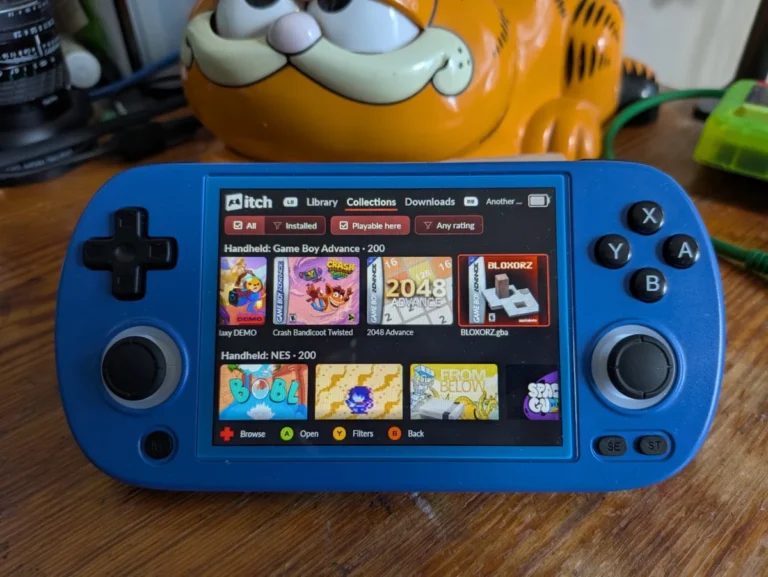
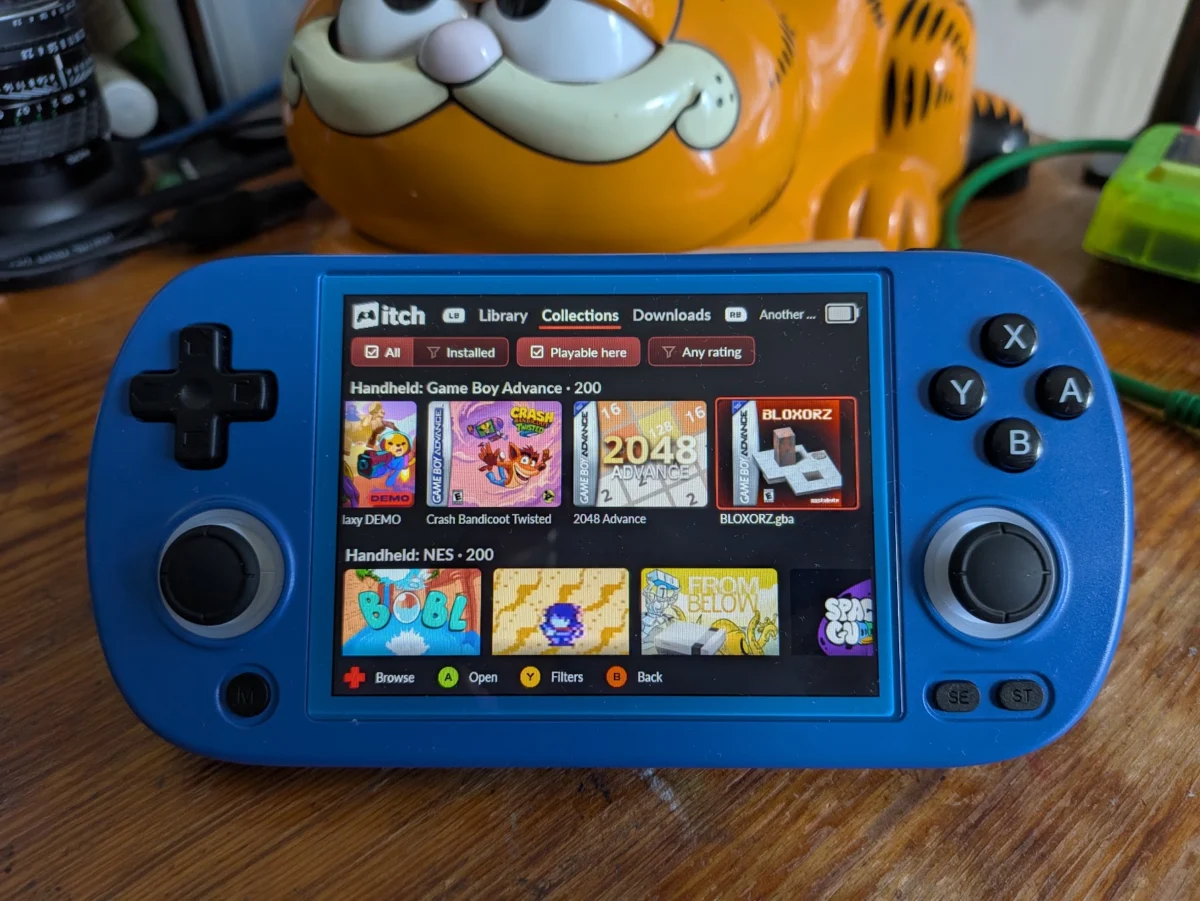
Perhaps the most intriguing revelation in this update is a "sneak peek" at a forthcoming project dubbed "itch donk." This initiative signals itch.io’s ambitious expansion into a burgeoning niche market: low-powered Linux retro game handhelds. These devices, which have seen a surge in popularity in recent years, are typically compact, affordable, and designed primarily for emulating classic console games and running light Linux applications. Brands like Anbernic, Miyoo Mini, and Retroid have cultivated a dedicated community around these portable retro gaming machines.
The premise behind "itch donk" is elegantly simple yet potentially transformative: to bring the full functionality of the itch.io app to these specialized handhelds. The rationale is compelling; itch.io hosts an immense library of content, including thousands of "ROMs" – a term used broadly to describe classic games packaged for emulation – that are perfectly suited for these devices. Beyond emulation, itch.io also supports native Linux ARM builds, and preliminary testing has shown that many games built with lightweight engines, such as LÖVE, perform surprisingly well on these low-spec hardware configurations. This opens up a new avenue for independent developers whose creations might otherwise be overlooked in a market saturated with high-fidelity titles, providing them with a direct pathway to a receptive audience seeking unique, portable gaming experiences.
The "itch donk" project is not merely about porting the existing app; it involves a significant underlying technical endeavor. A core component of this initiative is a comprehensive project to scan every single uploaded file on itch.io and meticulously tag it for platform and runtime compatibility. This massive undertaking is crucial for ensuring that when a user browses itch.io on a retro handheld, the app can accurately identify and recommend games that are genuinely compatible with the device’s specific architecture and operating environment. This intelligent content filtering will be paramount for a seamless user experience, preventing the frustration of downloading incompatible software. While still in active development, this sneak peek indicates a strategic move by itch.io to diversify its hardware footprint and cater to the evolving landscape of gaming devices. It underscores a vision where itch.io’s vast and eclectic catalog of indie games becomes accessible on an even broader range of platforms, from high-end gaming PCs and Steam Decks to the burgeoning market of dedicated portable retro consoles. The project is expected to unfold further in future updates, with the community eagerly anticipating more details on its implementation and release.
Broader Implications and Market Positioning
These updates collectively reinforce itch.io’s unique position within the digital games marketplace. Unlike larger, more corporate storefronts, itch.io has consistently championed indie developers, fostered a strong community, and embraced open standards and cross-platform compatibility. The enhanced collection management directly addresses user feedback, demonstrating a responsiveness that resonates deeply with its community. The advanced Steam and Proton integration signifies itch.io’s pragmatic approach to coexisting and collaborating with other major platforms, ensuring its content remains accessible within a user’s preferred gaming environment. This strategic integration is crucial in an era where gamers often manage libraries across multiple storefronts.
Furthermore, the "itch donk" initiative highlights itch.io’s willingness to innovate and explore unconventional avenues for content distribution. By targeting niche hardware like retro handhelds, itch.io is not only expanding its reach but also potentially democratizing access to indie games for a new demographic of users who prioritize portability and unique gaming experiences over raw graphical power. This forward-thinking approach could establish itch.io as a pioneering platform in the convergence of indie gaming and specialized hardware. The ongoing project to tag all uploaded files for compatibility is a testament to the platform’s long-term vision for robust content delivery across an increasingly fragmented hardware landscape. This level of granular metadata management will be invaluable not just for "itch donk," but potentially for future initiatives involving various operating systems and device types, solidifying itch.io’s reputation as a versatile and adaptable digital storefront.
The consistent cadence of these monthly updates, as highlighted by the release note, also speaks to a vibrant and active development cycle. This ensures that the itch.io app remains cutting-edge, continually adapting to new technological trends and user expectations. As the digital landscape for independent games continues to evolve, itch.io’s strategic investments in user experience, cross-platform compatibility, and innovative hardware integration position it as a resilient and forward-thinking player, dedicated to empowering creators and enriching the gaming experiences of its diverse user base. The anticipation surrounding future announcements, particularly concerning the "itch donk," suggests that itch.io remains a dynamic force with significant developments on the horizon.
About the Author