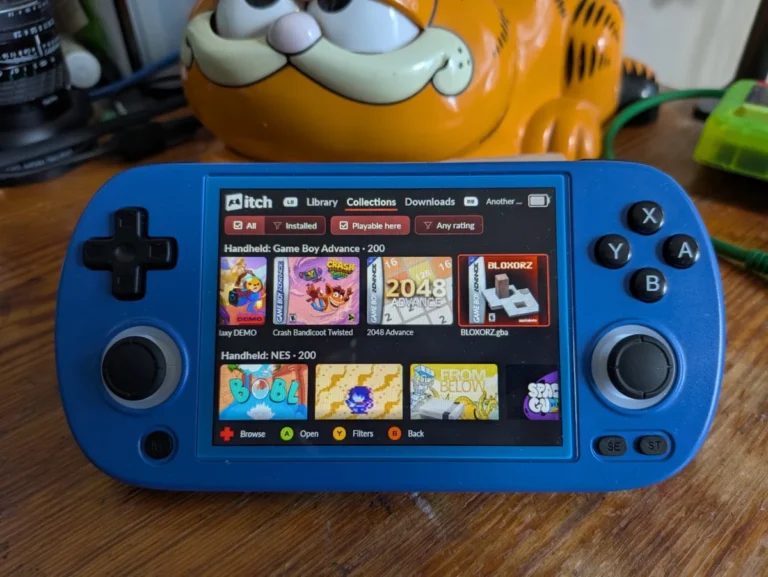
The independent game marketplace, itch.io, enacted a sudden and far-reaching policy change in late July 2025, deindexing all adult and NSFW (Not Safe For Work) content from its browse and search pages. This drastic measure, communicated through a series of updates on the platform’s blog, came as a direct response to intense pressure from its primary payment processors, Stripe and PayPal, following a targeted campaign by the activist organization Collective Shout. The incident underscores the precarious balance digital platforms must maintain between content freedom, financial viability, and the demands of external stakeholders.
The Catalyst: An Activist Campaign and Payment Processor Pressure
The immediate trigger for itch.io’s action was an organized campaign launched by Collective Shout, an Australian-based feminist organization known for its advocacy against the sexualization of women and girls in media and popular culture. The campaign specifically targeted both itch.io and the much larger digital distribution platform, Steam (operated by Valve Corporation), directing concerns to their respective payment processors regarding the nature of certain adult content hosted on these sites.
At the heart of Collective Shout’s renewed focus was a game titled No Mercy, which had been temporarily available on itch.io before being banned in April 2025. While details surrounding the specific content of No Mercy remain largely undisclosed by itch.io, its presence evidently provided the impetus for Collective Shout to issue an open letter to payment processors, calling for stricter enforcement of acceptable use policies (AUPs) against platforms hosting what they deemed inappropriate or exploitative material. This strategy of leveraging financial intermediaries to influence content policy has become an increasingly common tactic for activist groups seeking to effect change in the digital sphere, recognizing the critical role payment processors play as gatekeepers of online commerce.
For itch.io, a platform celebrated for its open nature and support for indie developers, including those producing niche and adult-oriented content, the pressure was immediate and severe. The platform’s ability to process payments is fundamental to its operation, directly impacting every creator who uses the service to sell their work and receive payouts. Facing the very real threat of losing critical payment processing capabilities from partners like PayPal and Stripe, itch.io management concluded that urgent and comprehensive action was necessary to safeguard the platform’s core infrastructure and, by extension, the livelihoods of its entire developer community.
Chronology of a Crisis: From April to Late July 2025
The timeline of events highlights the rapid escalation of the situation:
- Prior to April 2025: Itch.io operated with a relatively permissive adult content policy, relying heavily on user-provided tags and age-gating mechanisms. The platform had long been a haven for experimental and diverse independent games, including a significant segment of adult-themed titles that often found it difficult to gain traction on more mainstream platforms like Steam. This open model fostered a vibrant community but also presented challenges in terms of content moderation at scale.
- April 2025: The game No Mercy was briefly hosted on itch.io before being removed by the platform due to violations of its terms of service. This incident, however, caught the attention of Collective Shout.
- Mid-2025 (Leading up to July): Collective Shout initiated its campaign, sending an open letter to payment processors used by itch.io and Steam. This letter outlined their concerns about various adult content available on these platforms, arguing that some material violated the payment processors’ own AUPs regarding objectionable content.
- July 25th, 2025 (Implicit): The situation reached a critical juncture. Itch.io’s management confirmed that they came under direct scrutiny from their payment processors. The urgency of the matter meant that the platform had to act swiftly, without the luxury of providing advance notice to its extensive creator base.
- July 28th, 2025: Initial Announcement and Deindexing: Itch.io officially announced the "deindexing" of all adult NSFW content from its public browse and search pages. The announcement acknowledged the suddenness and disruption caused, expressing regret for the frustration and confusion. It detailed that a comprehensive audit of content was underway to ensure compliance with payment processor requirements. During this review, affected pages would remain deindexed, and new compliance measures, including creator confirmation of content adherence to payment processor policies, would be introduced. An Addendum FAQ was also published on this date to address immediate public outcry and common concerns.
- July 31st, 2025: Reindexing Efforts Detailed: A subsequent update titled "Reindexing adult NSFW content" was posted. While the main body of the announcement indicated that pages would remain deindexed during the review, this update likely signaled the initiation of a structured process to re-evaluate and potentially re-list content that meets new, stricter compliance standards, rather than an immediate reversal of the deindexing. It implied a methodical approach to bring content back online under revised guidelines.
Itch.io’s Position and Clarifications
In its communication, itch.io provided crucial clarifications and justifications for its actions, particularly in the July 28th Addendum FAQ:
- Contrast with Steam’s Response: Many observers questioned why itch.io’s response appeared more drastic than Steam’s, which typically involves targeted removals. Itch.io explained this disparity by highlighting fundamental differences in their platforms. Steam operates as a "closed" or curated platform, where every product page undergoes an approval process before publication. This allows Valve to have a general awareness of its hosted content and enables targeted interventions. In contrast, itch.io is an "open, UGC (User-Generated Content) platform" with over 2 million product pages and minimal barriers to publishing. The sheer volume and uncurated nature of its content meant that relying on user-provided tags for a targeted approach was deemed insufficient for a thorough compliance review, necessitating a broader, platform-wide action.
- Scale and Leverage: Itch.io also emphasized its status as a "small company" compared to Valve, both in terms of team size and transaction volume. This limited its ability to "push back" against the demands of powerful financial partners. Losing the ability to accept payments from major processors like PayPal or Stripe would cripple the platform and prevent payouts to countless creators, making compliance a non-negotiable priority.
- Uncertain Timeline and Proactive Measures: The platform admitted to an evolving situation with "still unknowns" preventing a fixed timeline for the content review and reindexing process. It confirmed the suspension of Stripe payments for 18+ content for the foreseeable future. Critically, itch.io revealed it was "actively reaching out to other payment processors that are more willing to work with this kind of content," indicating a strategic move to diversify its financial partnerships and potentially secure more content-agnostic payment solutions.
- Library Access and Payouts: Itch.io reassured users that "deindexed" pages remained accessible if owned and were not removed from libraries or collections. It reiterated its DRM-free philosophy, encouraging users to download and backup their purchased content. The platform also clarified its payout policy, stating that while certain "bad-actor" accounts (e.g., those violating terms with illegal content) might have payouts withheld, the current situation was a "special circumstance" aimed at preserving the ability to pay all creators, not to withhold legitimate earnings.
- Updated Adult Content Policy: To provide clearer guidance, itch.io updated its adult content policy to include a specific list of prohibited themes commonly found in card processing network acceptable use policies. While acknowledging the potential for semantic arguments and vagueness, the platform opted to provide more information rather than less, with an intent to refine these guidelines as the situation stabilizes. The core rule, "If you plan to collect money for your content, then you must adhere to the acceptable use policy of all respective payment processors that your account utilizes," was reiterated and expanded upon.
Broader Implications for Indie Developers and Digital Platforms
The events at itch.io send ripples through the independent game development community and the wider digital distribution landscape, highlighting several critical implications:
- Vulnerability of UGC Platforms: The incident underscores the inherent vulnerability of open, user-generated content platforms to external pressures, particularly from financial intermediaries. While fostering creativity and accessibility, such platforms often struggle with the scale of content moderation required to satisfy increasingly stringent compliance demands.
- The Power of Payment Processors: Payment processors like PayPal and Stripe wield immense power, effectively acting as unelected regulators of online content. Their acceptable use policies, often broad and subject to interpretation, can dictate what content is financially viable on a platform, even if that content is otherwise legal. This "financial deplatforming" can be more impactful than direct legal censorship.
- Impact on Niche Content Creators: Developers specializing in adult or niche content, who often rely on platforms like itch.io for distribution and monetization due to more restrictive policies elsewhere, face significant uncertainty. The need to conform to evolving and potentially ambiguous payment processor guidelines can stifle creative expression or force creators onto less accessible platforms. The search for "content-agnostic" payment solutions is a critical challenge for the entire adult entertainment industry, not just games.
- The Search for Balance: Itch.io’s predicament exemplifies the ongoing struggle for digital platforms to balance an ethos of openness and creator freedom with the commercial realities of operating within a highly regulated financial ecosystem. The platform’s proactive search for alternative payment processors indicates an attempt to carve out a future where it can continue to support diverse content while maintaining financial stability.
- Industry Precedent and Future Trends: This event is not isolated. Similar pressures have been applied to various online services hosting adult content, from social media platforms to crowdfunding sites. The itch.io situation serves as a stark reminder of the growing influence of activist groups and payment providers in shaping the digital content landscape, potentially leading to a more homogenized and less diverse online experience if platforms cannot find sustainable ways to support a wider array of content. The move towards stricter age-gating and creator verification is likely to become a standard across many platforms.
As itch.io navigates this challenging period, its actions and the eventual outcome will be closely watched by developers and consumers alike. The platform’s commitment to transparency, even amidst an evolving and uncertain situation, offers a glimpse into the complex pressures facing digital marketplaces in the modern era, where financial compliance can quickly become the paramount concern, even for platforms built on principles of openness and independent creation. The path to reindexing and establishing new, sustainable compliance measures will define itch.io’s future as a key player in the indie game ecosystem.
About the Author