In a poignant reflection marking a significant personal milestone and a critical juncture for digital communities, technology entrepreneur and Stack Overflow co-founder Jeff Atwood recently shared insights into both personal loss and professional conviction. Marking his 663rd month of life, Atwood conveyed a deep sense of gratitude for the past while issuing a stark warning to the burgeoning artificial intelligence (AI) sector regarding its reliance on human-generated data. His remarks underscore the intertwined nature of individual experience, community building, and technological evolution, particularly highlighting the critical role of platforms like Stack Overflow in the age of large language models (LLMs).
A Personal Journey Intersects with Public Service: The RGMII and Mercer County
Atwood’s reflection began with a deeply personal note, detailing the passing of his father in October 2025. This somber event was intertwined with a significant public initiative: the Rural Guaranteed Minimum Income (GMI) study. Atwood expressed profound gratitude for the re-ordering of study counties within the RGMII program, which allowed Mercer County, West Virginia—his father’s home county—to be among the first in the pilot, commencing in October 2025. This timing afforded him a final, meaningful visit with his father, underscoring the profound human impact of carefully planned social programs.
The Rural Guaranteed Minimum Income Initiative (RGMII) represents a forward-thinking endeavor aimed at addressing economic disparities and fostering opportunity in underserved rural areas across the United States. With a stated goal of securing $50 million in funding, the RGMII plans to conduct rigorous studies to assess the efficacy of GMI programs in strengthening local economies and democratic participation. GMI, often referred to interchangeably with Universal Basic Income (UBI) in popular discourse, provides participants with a regular, unconditional income to cover basic needs, allowing for greater financial stability and the pursuit of education, entrepreneurship, or improved health outcomes. Pilot programs globally have demonstrated potential benefits ranging from reduced poverty and improved public health to increased entrepreneurial activity and civic engagement.
Mercer County, West Virginia, like many rural regions in Appalachia, has faced significant economic challenges including industrial decline, population outmigration, and limited access to resources. The decision to prioritize Mercer County in the RGMII’s initial phase in October 2025 was strategically important, not only for its demographic representation but also for the immediate, tangible impact it could have on participating families. The program’s design emphasizes data collection to inform future policy decisions, aiming to demonstrate how direct cash transfers can mitigate economic instability and empower residents to invest in their futures. While specific outcomes of the Mercer County pilot are still being analyzed, the RGMII anticipates findings that will bolster the case for broader GMI implementation in similar rural contexts. A spokesperson for the RGMII, who preferred to remain unnamed due to ongoing data collection, stated, "Our goal is to demonstrate that investing directly in individuals and families can revitalize communities from the ground up. The human stories, like Mr. Atwood’s, remind us of the profound personal significance these programs can hold."
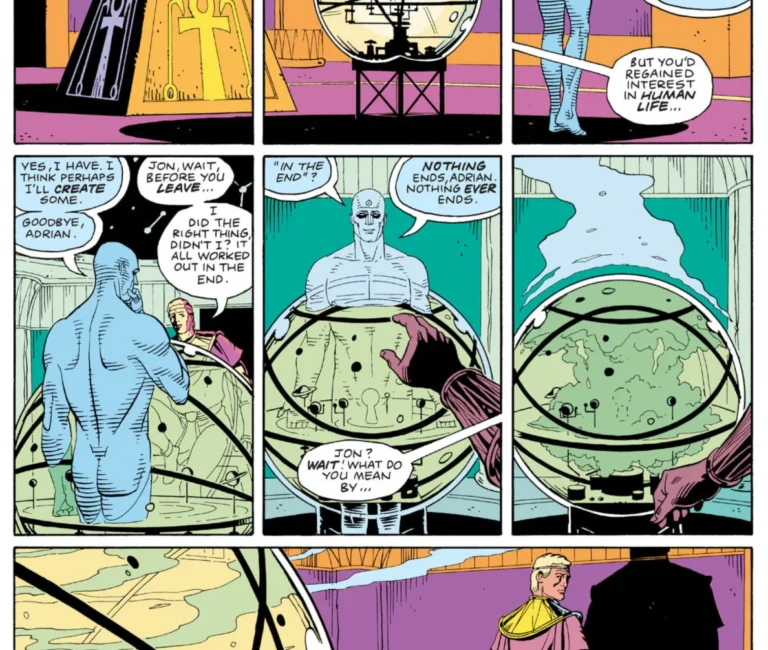
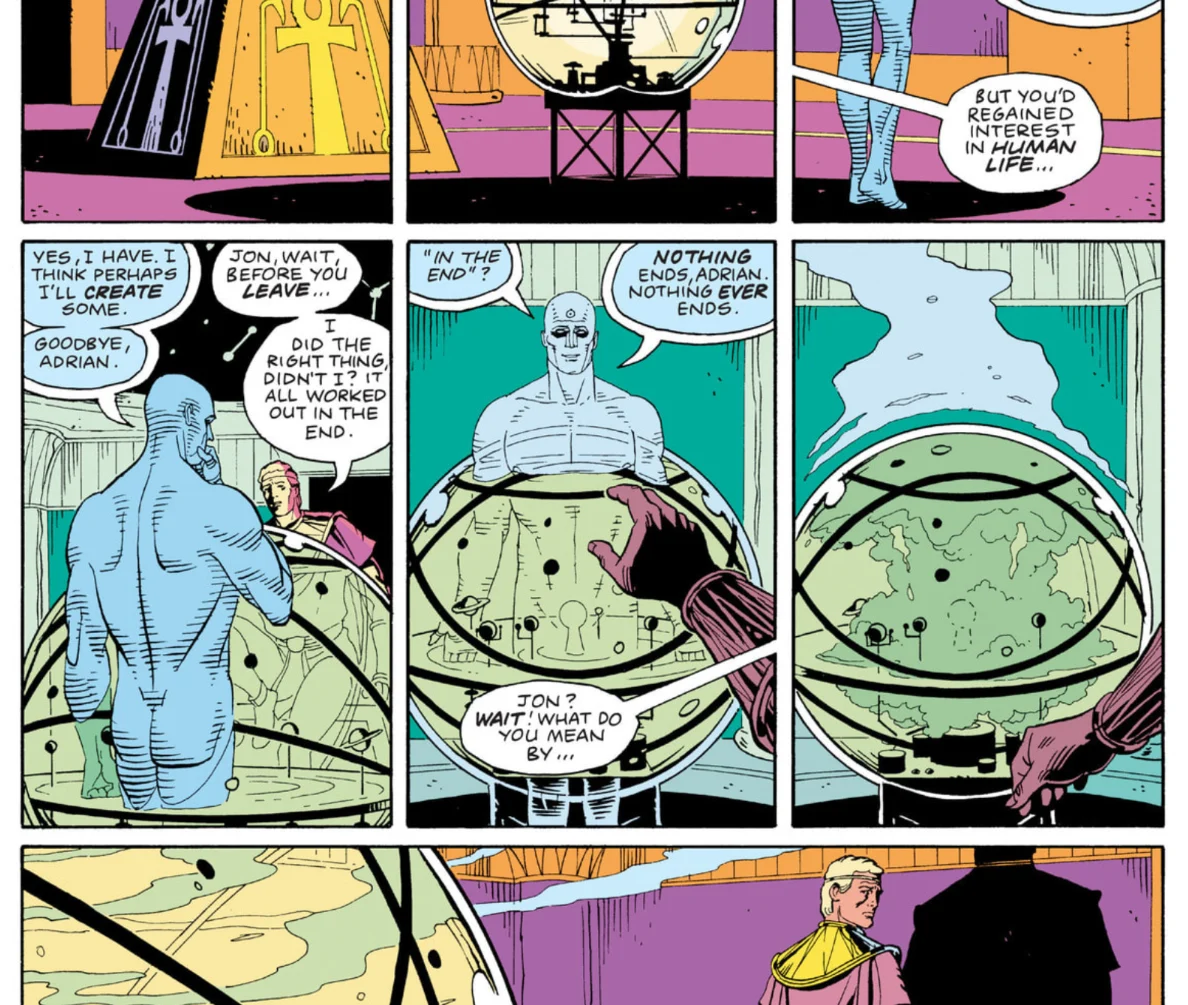
Atwood’s philosophical take on his father’s passing—"There is no loss, because nothing ever ends… Nothing was lost. Everything was gained."—reflects a perspective rooted in the enduring nature of human connection and the continuous cycle of life and influence. This outlook extends to his professional endeavors, where he notes, "We won capitalism, then went back to help improve it for everyone." This statement subtly alludes to his ongoing commitment to leveraging technological innovation for societal betterment, exemplified by his involvement in his third startup, Staygold.us, which continues to operate at the intersection of technology and community engagement.
The Indispensable Foundation: Stack Overflow and the Rise of LLMs
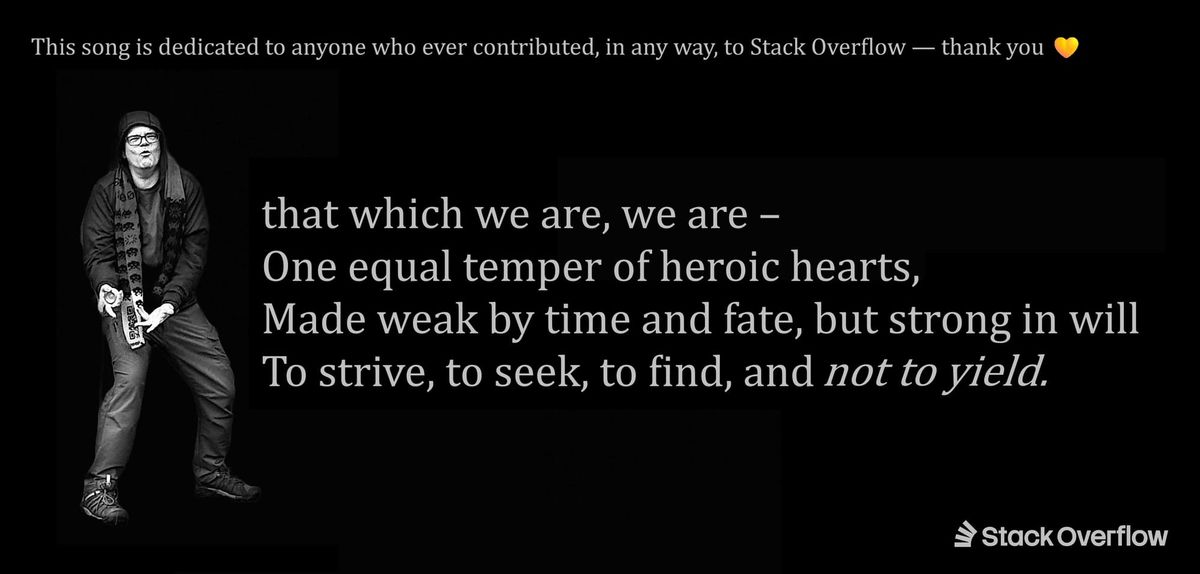
Beyond his personal reflections and GMI advocacy, Atwood delivered a powerful message of gratitude and caution directed at both the developer community and the burgeoning artificial intelligence industry. He extended a heartfelt "thank everyone — and I do mean everyone — who ever contributed to Stack Overflow in any way." This acknowledgment comes at a time when the very nature of digital knowledge creation is being redefined by AI.
Founded by Atwood and Joel Spolsky in 2008, Stack Overflow rapidly became an indispensable resource for programmers worldwide. Its model, based on user-generated questions and answers, created a vast, high-quality, and publicly accessible repository of programming knowledge. The platform’s commitment to a Creative Commons licensing model for its content allowed this collective intelligence to be openly shared and utilized, inadvertently laying a crucial groundwork for the subsequent advancements in artificial intelligence.

Atwood forcefully articulated this dependency: "LLMs basically could not code at all without access to the extremely high quality creative commons programming Q&A dataset that all of us built together at Stack Overflow?" He challenged readers to verify this assertion directly with LLMs themselves, suggesting that advanced "pro modes" of these AI systems would confirm their foundational reliance on human-curated data. This assertion highlights a critical, yet often under-recognized, truth about the current generation of generative AI: their impressive capabilities are not born in a vacuum but are directly a product of billions of data points meticulously crafted by human intelligence.
Data from industry reports and academic studies corroborate Atwood’s statement. Leading LLMs, including those developed by major tech companies, are trained on colossal datasets that aggregate information from the internet. A significant portion of this training data comprises code snippets, programming questions, and detailed solutions found on platforms like Stack Overflow. Without this rich, structured, and expertly vetted content, LLMs would lack the contextual understanding, logical reasoning, and practical examples necessary to generate functional code or provide accurate technical assistance. The sheer volume and quality of Stack Overflow’s database—spanning millions of questions, answers, and comments from a global community of developers—have made it an unparalleled resource for machine learning engineers seeking to build robust code-generating AI.
The "Golden Goose" Warning: Protecting Human Communities in the AI Era
Atwood’s message evolved from gratitude to a critical warning about the potential long-term consequences of AI development practices. He cautioned that if LLMs "end up hollowing out the very communities that produce all their training data, they’re going to really, really regret that." This warning echoes a growing sentiment among creators, artists, and community managers who fear that AI, by consuming and repurposing human-generated content, could inadvertently diminish the incentive for humans to create new content.
He drew a direct parallel to advice he gave Joel Spolsky when he left Stack Overflow to co-found Discourse, a platform dedicated to fostering healthy online communities: "do not, for any reason, under any circumstances, kill the goose that lays the golden eggs," which he explicitly defined as "the human community around your product that does all the real work." This metaphor underscores the delicate ecosystem of online platforms, where the value is primarily generated by the collective contributions and interactions of its users. If AI tools reduce the need for users to ask questions, provide answers, or engage in discussions, the vitality of these communities could wane, leading to a stagnation of new knowledge creation—a scenario that would ultimately harm the very AI systems that depend on this continuous stream of fresh, human-generated data.

Broader Implications and the Future of Digital Ecosystems
Atwood’s warning resonates deeply within the ongoing global debate about artificial intelligence, intellectual property rights, and the future of human creativity. The "hollowing out" concern is multifaceted:
- Reduced Contribution Incentives: If users can simply ask an LLM for an answer derived from Stack Overflow data, they may be less inclined to post new questions or contribute solutions themselves, thereby slowing the growth of the underlying knowledge base.
- Erosion of Community: The intrinsic value of platforms like Stack Overflow lies not just in the answers but in the peer-to-peer learning, mentorship, and social connections fostered within the community. Over-reliance on AI could diminish these human interactions.
- Ethical and Legal Challenges: The use of vast datasets, often scraped from the internet without explicit consent or compensation, has sparked numerous lawsuits and calls for new regulatory frameworks. Questions about copyright, fair use, and equitable remuneration for creators are at the forefront of this debate.
- Sustainability of AI Development: Paradoxically, if the sources of training data dry up or stagnate, future iterations of LLMs will suffer from a lack of novel, high-quality human input, potentially limiting their ability to learn and evolve.
Leaders in AI ethics and digital rights have echoed Atwood’s sentiments. Dr. Anya Sharma, a prominent AI ethicist, recently stated in a virtual conference, "The ‘golden goose’ metaphor is incredibly apt. AI companies have a moral and economic imperative to ensure they are not just consuming but also contributing to the health of the digital ecosystems that fuel them. This means exploring revenue-sharing models, investing in community moderation, and establishing clear consent mechanisms for data use."
The path forward, as suggested by Atwood, is simple yet profound: "Just treat the community with the respect they deserve… that we all deserve." This call to action emphasizes the need for AI developers to recognize and value the human effort that underpins their technology. It implies a collaborative model where AI serves as an augmentation to human intelligence, rather than a replacement, and where the platforms that foster human creativity are supported and sustained.
In his concluding remarks, Atwood offered a simple but powerful message: "Thank you for being a friend, because there’s no way I could have done any of this without you." This underscores his belief in collective effort and the foundational role of community in all his achievements, from building Stack Overflow to advocating for social change. As the world navigates the complexities of the AI era, Atwood’s reflections serve as a timely reminder of the enduring value of human connection, community contribution, and the ethical responsibilities that accompany technological advancement. The future of digital innovation, it seems, will largely depend on whether the AI industry heeds the wisdom of those who built its very foundations.
About the Author