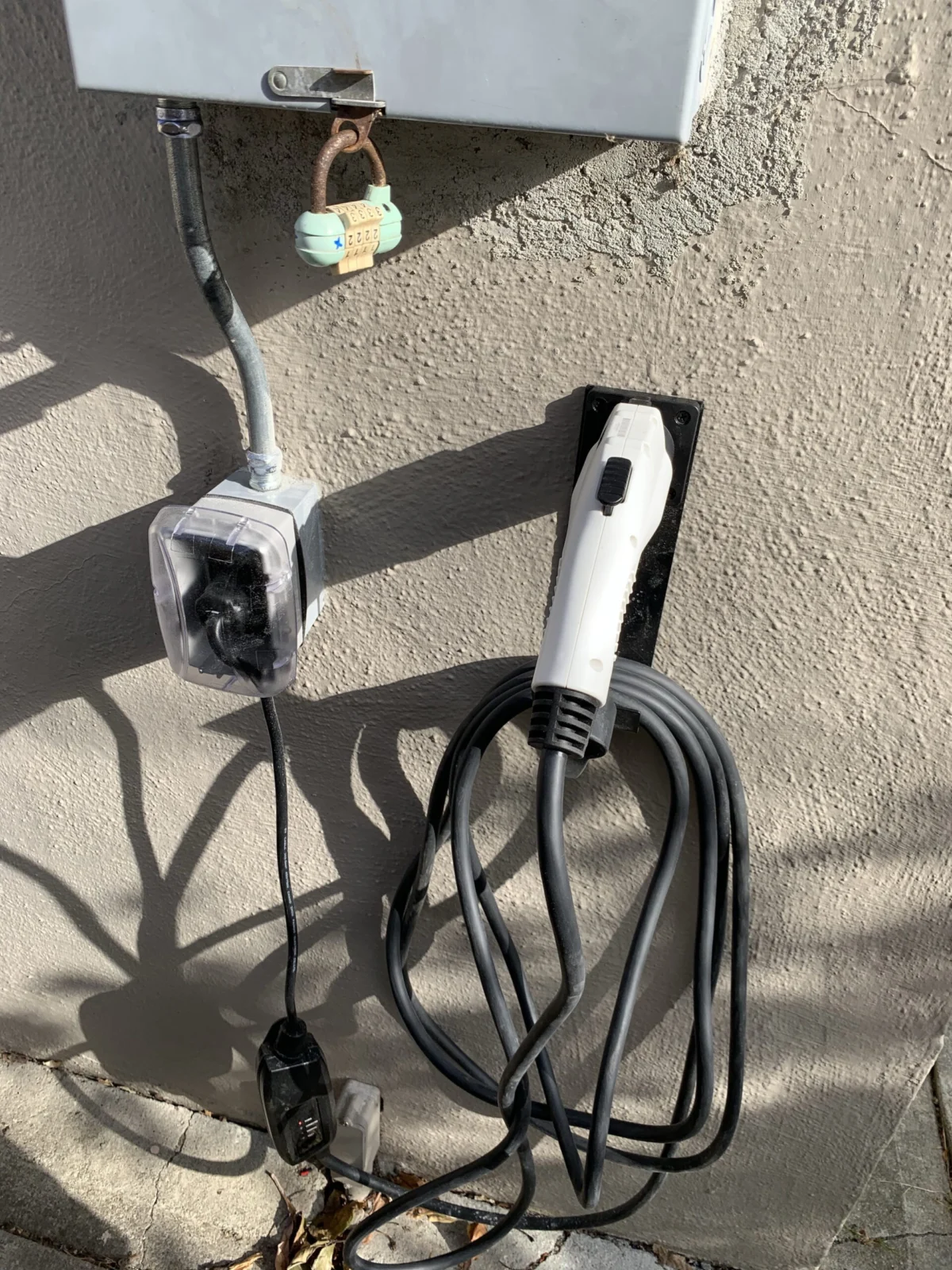
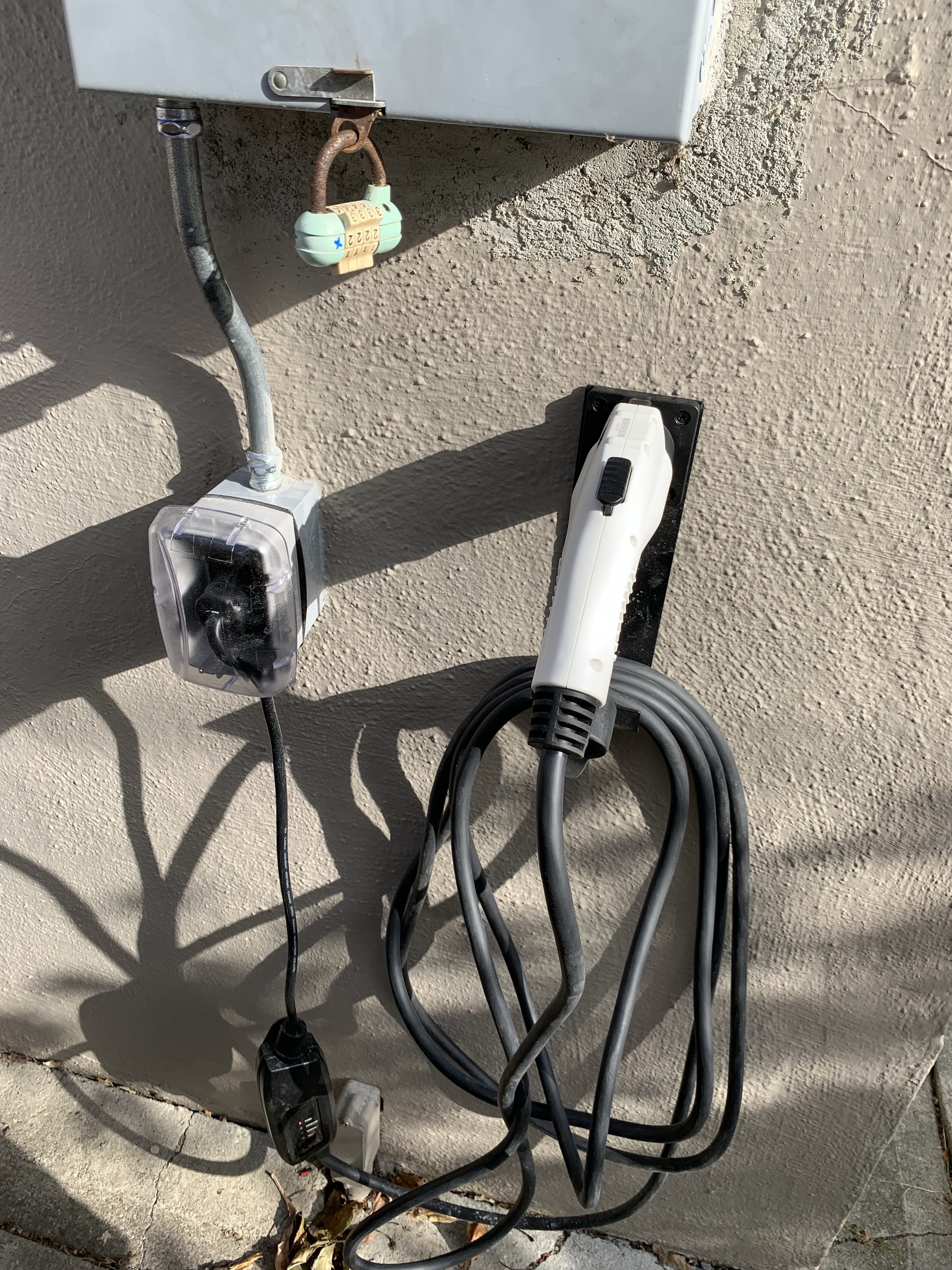
The shift in consumer perception towards electric vehicles (EVs) is a phenomenon increasingly observed across various demographics, even among individuals who previously exhibited minimal interest in automotive technology. This transformation underscores a broader societal movement towards sustainable transportation, driven by technological advancements, environmental consciousness, and evolving economic considerations.
The Shifting Landscape of Automotive Preferences
For decades, the personal automobile market was largely dominated by internal combustion engine (ICE) vehicles, with consumer choices often dictated by brand loyalty, performance metrics, and aesthetic appeal. However, the rise of electric vehicles has begun to fundamentally alter these paradigms, introducing new criteria such as range, charging infrastructure, and environmental footprint. This evolution is particularly evident in the narratives of individuals who, despite not being "car people" in the traditional sense, find themselves unexpectedly advocating for the electric revolution. The experience of Jeff Atwood, a prominent tech writer and entrepreneur, serves as a compelling case study of this paradigm shift, moving from practical necessity to genuine enthusiasm for electric mobility.
A Personal Journey: From Practicality to Passion
Atwood’s automotive history, spanning over two decades, was initially characterized by choices driven purely by utility rather than passion. His first new car, a 1998 Ford Contour SVT, was an outlier in its "quirkiness," reflecting a brief deviation from strict practicality. This was followed by more conventional family vehicles: a Volkswagen station wagon purchased in 2011 and a Honda minivan acquired in 2012. These selections were made to fulfill specific family transportation needs, reflecting a consumer mindset focused on functionality and reliability over automotive enthusiasm or performance. This pattern of purchasing decisions illustrates a common consumer behavior where vehicles are primarily viewed as tools to facilitate daily life, particularly as family needs evolve.
The Minivan: A Functional Necessity
The acquisition of the VW station wagon, initially intended for a family of three, quickly proved insufficient with the unexpected arrival of twins. This demographic shift necessitated a rapid re-evaluation of family transportation requirements, highlighting a common challenge for growing families. As famously quipped by Mark Twain, "Sufficient unto the day is one baby. As long as you are in your right mind don’t you ever pray for twins. Twins amount to a permanent riot. And there ain’t any real difference between triplets and an insurrection." This sentiment, echoed by many parents, underscores the need for robust and spacious vehicles capable of managing the logistical complexities of multiple young children.
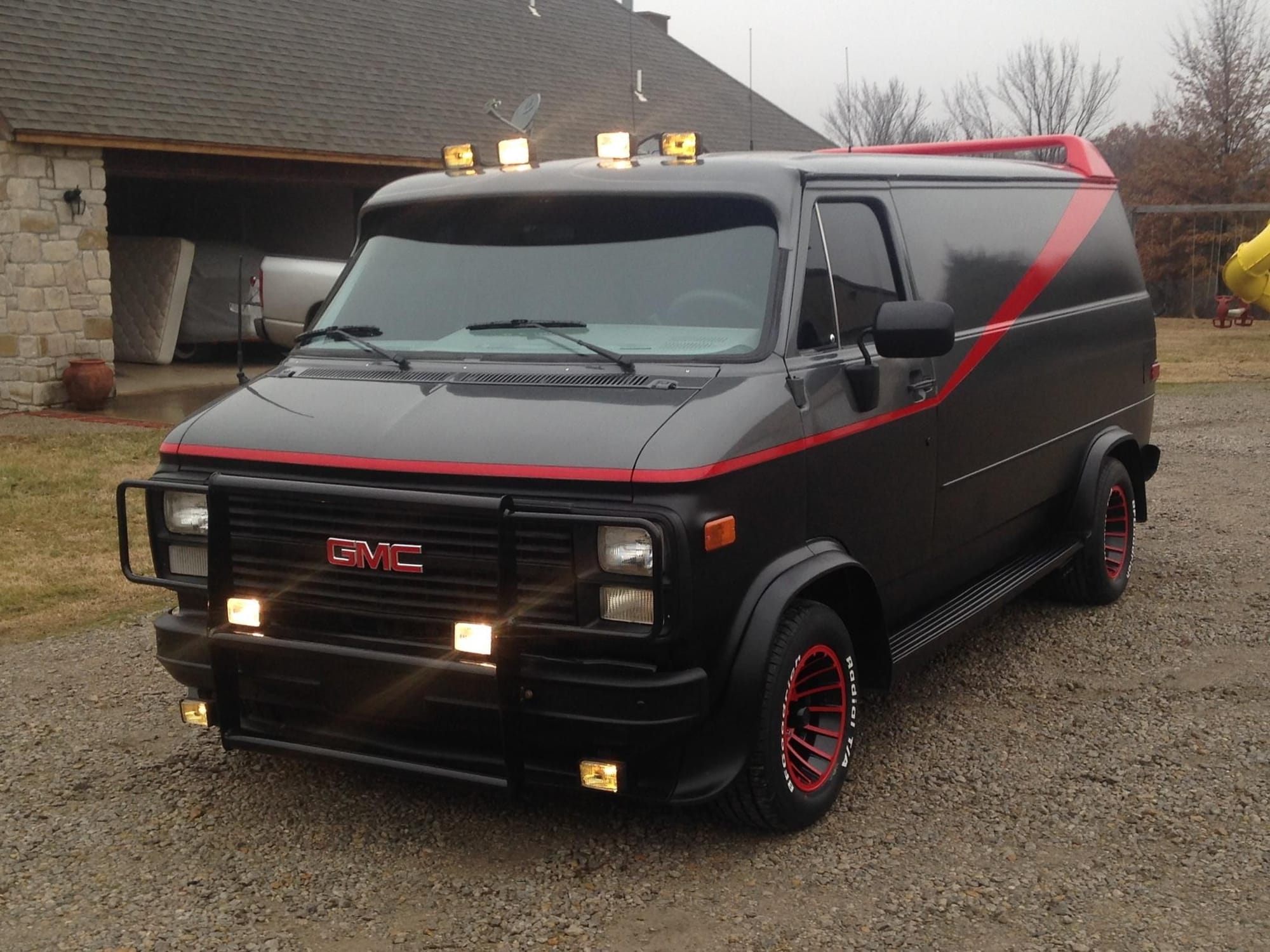
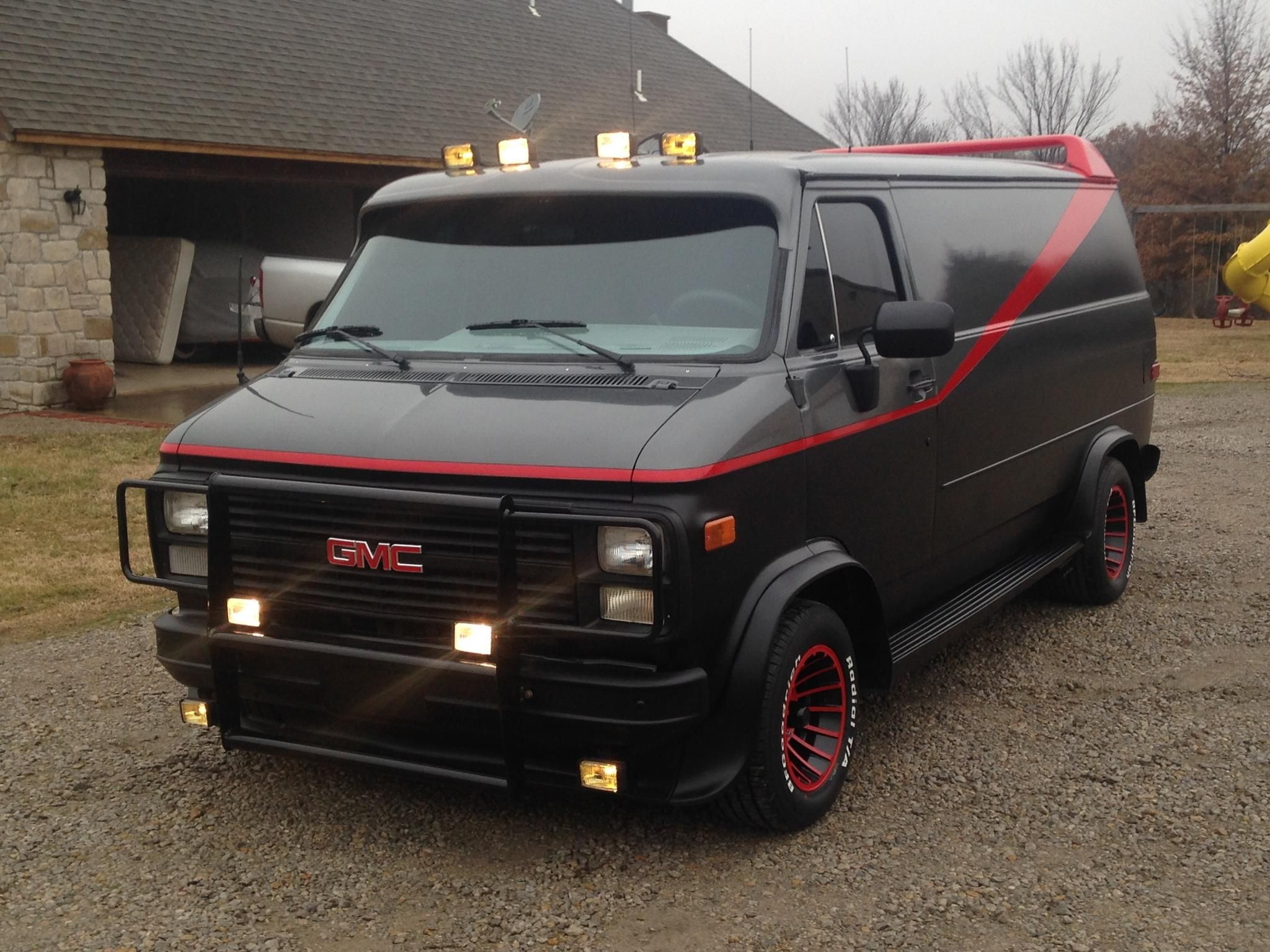
It was this practical imperative that led to the adoption of a full-sized minivan. Despite common perceptions and the pervasive marketing of Sport Utility Vehicles (SUVs), minivans have consistently demonstrated superior utility for family transport. Their often-underestimated advantages include lower step-in height, expansive cargo capacity, sliding doors for easy access in tight spaces, and flexible seating configurations that are ideal for car seats and passenger management. Automotive commentators like Philip Greenspun have long championed the minivan’s pragmatic brilliance, asserting its status as a "superior vehicle command center" for family duties due to its unmatched practicality and internal volume. The iconic image of the A-Team’s van, rather than an SUV, further reinforces the historical association of vans with versatile utility and capability, suggesting a deeper cultural resonance for such vehicles.
The Road to Electrification: Overcoming Skepticism
After seven years of service, the family’s station wagon reached the end of its practical lifespan. The initial consideration for its replacement leaned towards hybrid vehicles, a choice often seen as a practical compromise for environmental consciousness, particularly in regions like California where such vehicles are increasingly prevalent due to state regulations and incentives. However, for an individual with an inclination towards comprehensive solutions, the notion of "half measures" in electrification prompted a deeper exploration.
The inspiration for a fully electric vehicle (EV) dated back to 2014, specifically an influential online comic by The Oatmeal that lauded the Tesla Model S as an "Intergalactic SpaceBoat of Light and Wonder." Even for someone with negligible interest in cars, the narrative of cutting-edge electric performance and innovation resonated. This seed of interest, dormant for five years, began to germinate as EVs became more common on the roads, transitioning from bleeding-edge novelty to leading-edge viability. The decision was ultimately made to forgo a hybrid in favor of a fully electric option, culminating in the purchase of a 2019 Kia Niro EV.

This acquisition marked a significant turning point, transforming a self-described "non-car person" into an unexpected advocate for electric mobility. The initial expectation was merely another vehicle, but the reality proved to be a fundamental shift in perception, highlighting the transformative experience that modern EVs offer. The driving experience of the electric Kia Niro was described as profoundly superior to the gasoline-powered station wagon it replaced. This superior experience was so compelling that Atwood expressed a willingness to immediately replace their existing Honda minivan with a hypothetical fully electric minivan, if one were available. This sentiment underscores the profound impact that the modern EV driving experience can have, even on those previously indifferent to automotive technology.
Historical Context: The Long Road of Electric Vehicles
The rapid evolution of electric vehicles can appear sudden, yet it is the culmination of over a century of development and several false starts. Early electric cars existed at the turn of the 20th century, even outselling gasoline cars briefly, but fell out of favor due to limitations in battery technology, range, and the burgeoning infrastructure for gasoline. For instance, in 1900, electric vehicles accounted for about a third of all cars on U.S. roads, a testament to their early promise before gasoline’s dominance.
The modern narrative of electric vehicles gained significant public attention with the documentary "Who Killed the Electric Car?" (2006). This film largely focused on the General Motors EV1, an experimental electric car produced between 1996 and 1999. The EV1, a pioneering effort, faced immense technological hurdles; early models were powered by rudimentary lead-acid batteries, and its estimated actual cost ranged between $100,000 and $250,000. Despite its technological limitations and high cost, the documentary highlighted the intense loyalty and affection its lessees developed for the vehicle, a sentiment that resonates with contemporary EV owners. The film suggested various conspiracy theories regarding the EV1’s demise, but a more pragmatic analysis points to the prohibitive cost and underdeveloped battery technology as primary factors, alongside a lack of sustained commitment from major automakers.
The Resurgence: Lithium-Ion and Modern EVs
The true dawn of the modern electric vehicle era is chronicled in the sequel, "Revenge of the Electric Car" (2011). This documentary is crucial for understanding the genesis of today’s EVs, tracing the development of three influential models: the Nissan Leaf, the Chevrolet Volt, and the Tesla Roadster, all emerging between 2005 and 2008. The pivotal technological breakthrough that enabled this resurgence was the widespread adoption of lithium-ion batteries. These batteries offered significantly higher energy density, lighter weight, and longer lifespans compared to their predecessors, making electric vehicles a far more viable proposition.
Each of these early modern EVs played a distinct role in shaping the market. The Tesla Roadster, though initially priced at approximately $100,000, showcased that electric cars could be high-performance, desirable vehicles, challenging the perception of EVs as slow or unexciting. The Nissan Leaf introduced a more affordable, mass-market EV, albeit with limited range that proved challenging for some consumers, particularly in colder climates or for longer commutes. The Chevrolet Volt, a plug-in hybrid, offered an extended-range electric experience by incorporating a gasoline engine solely to charge the battery, effectively bridging the gap for range-anxious drivers. While none were perfect, they collectively demonstrated the potential of electric propulsion and paved the way for future advancements, proving that EVs could be practical, desirable, and, crucially, scalable.
Economic Viability and Accessibility
A decade after these pioneering models, the landscape of EV accessibility has dramatically improved. Vehicles like the Tesla Model 3 and the Kia Niro EV are now available at prices comparable to well-equipped conventional gasoline cars. For instance, the Kia Niro EV, with a sticker price similar to the Model 3’s entry point of around $38,000 (at the time of the original article), becomes significantly more affordable after national and state tax incentives and rebates, often bringing the effective cost down to approximately $30,000. In the United States, federal tax credits of up to $7,500 for eligible EVs, coupled with various state-level incentives, have played a critical role in narrowing the price gap between EVs and ICE vehicles. This places EVs in direct competition with popular gasoline models like the Honda Civic or Toyota Corolla when considering initial purchase price, especially when factoring in government support.
Furthermore, the total cost of ownership (TCO) for electric vehicles is increasingly competitive, if not superior, to ICE vehicles. Studies by organizations like Corporate Knights and others consistently demonstrate that lower "fuel" costs (electricity often being cheaper per mile than gasoline, particularly when charged at home during off-peak hours) and reduced maintenance requirements contribute to long-term savings. EVs have fewer moving parts, eliminating the need for oil changes, spark plug replacements, and complex exhaust system maintenance. Regenerative braking also significantly reduces wear on brake pads. This economic argument, coupled with performance benefits, is a powerful driver of adoption. The Bloomberg New Energy Finance projections have, for example, consistently shown a steep decline in battery costs, falling by over 80% between 2010 and 2020, making EVs more affordable over time. Global EV sales figures illustrate this trend: from under 100,000 units sold globally in 2010 to over 10 million in 2022, and projections for continued exponential growth indicate a robust market shift.
The Transformative Driving Experience
Beyond the economic and environmental benefits, the intrinsic driving experience of an electric vehicle is a significant factor in converting skeptics. The instant torque delivery provides brisk acceleration, offering a responsive and engaging drive that is often surprising to first-time EV drivers. The quiet operation, free from engine noise and vibrations, creates a serene cabin environment, reducing driver fatigue and enhancing passenger comfort. This silence is often cited as one of the most unexpected pleasures of EV ownership. The smooth, linear power delivery and the absence of gear shifts contribute to a seamless driving sensation, making urban commuting and highway cruising remarkably effortless.
This "radical worldview," as described by Atwood, posits that the familiar experience of driving a car powered by "barely controlled liquid fuel detonations" now feels "deeply unnatural" in comparison. The contrast highlights how profoundly different and, arguably, superior the electric driving experience is. Gas cars, from this transformed perspective, begin to feel technologically "obsolete," especially as EV range extends, charging infrastructure expands, and performance continues to improve. This shift in perception represents not just a preference for a different powertrain, but a fundamental re-evaluation of what constitutes a modern and desirable vehicle.
Broader Implications: The Future of Transportation
The growing embrace of electric vehicles by consumers, including those previously indifferent to automotive advancements, carries profound implications for the future of transportation, energy grids, and urban planning.
- Environmental Impact: EVs are crucial in mitigating climate change by significantly reducing tailpipe emissions, particularly when charged with renewable energy sources. This shift contributes to improved air quality in urban centers, addressing public health concerns related to smog and particulate matter.
- Energy Independence: Increased EV adoption can reduce reliance on fossil fuels, enhancing national energy security and diversifying energy sources away from volatile global oil markets.
- Technological Advancement: The EV revolution spurs innovation not only in battery technology (e.g., solid-state batteries, faster charging capabilities) but also in areas like smart charging infrastructure, vehicle-to-grid (V2G) capabilities that allow EVs to feed power back into the grid, and advanced autonomous driving systems.
- Urban Planning: The need for widespread and accessible charging infrastructure will influence urban development, potentially leading to more integrated smart cities, public charging networks, and revised building codes that mandate EV charging readiness.
- Automotive Industry Restructuring: Traditional automakers are heavily investing billions in EV platforms, retooling factories, and retraining workforces, signaling a fundamental restructuring of the global automotive industry. Many major manufacturers have announced aggressive timelines to phase out ICE vehicle production entirely within the next decade or two.
- Consumer Behavior: The "conversion" narrative, as seen with Atwood, suggests a broader shift in consumer values, where environmental responsibility, technological sophistication, and a superior driving experience are increasingly prioritized over traditional metrics like engine size or fuel economy.
Challenges and Continued Evolution
Despite the rapid progress, the EV transition is not without its challenges. Concerns regarding charging infrastructure availability, particularly in apartment complexes or rural areas, charging speeds, battery raw material sourcing (e.g., lithium, cobalt), and initial purchase price (especially without incentives) persist. However, ongoing research and development are continually addressing these issues. Battery technology continues to improve in terms of energy density, cost, and charging speed. Governments worldwide are investing heavily in expanding public charging networks, with significant initiatives like the U.S. National Electric Vehicle Infrastructure (NEVI) Formula Program aiming to build a robust nationwide charging network. Automakers are also working to diversify their supply chains and explore new battery chemistries to reduce reliance on critical materials.
The journey from skepticism to advocacy, as exemplified by Atwood’s experience, is becoming increasingly common. The "future," as many now observe, is indeed "absolutely, inexorably, and unavoidably electric." This widespread shift in consumer sentiment, driven by a superior driving experience, increasing affordability, and a growing awareness of environmental imperatives, signals a transformative era for personal transportation. As more individuals experience the tangible benefits of electric mobility, the transition from conventional gasoline vehicles to their electric counterparts is poised to accelerate, reshaping not only the automotive industry but also our relationship with energy and the environment. The initial curiosity, often met with skepticism, is rapidly giving way to conviction, solidifying the electric vehicle’s place as a cornerstone of future sustainable living.
About the Author