Jeff Atwood, the renowned co-founder of Stack Overflow and proprietor of the influential Coding Horror blog, recently unveiled a significant personal computer upgrade, marking a departure from his previous build cycles. After nearly a decade with the same PC case and five years since his last major component refresh, Atwood’s latest endeavor underscores a prevailing sentiment within the tech community: while raw performance gains in mainstream personal computing may have slowed, innovation is flourishing in the realm of miniaturization. This new build champions the philosophy of "maximum power in minimum size," offering a compelling case study for the evolving landscape of PC hardware.
The Shifting Landscape of PC Upgrades
Atwood’s journey to this latest build reflects a broader trend observed across the personal computing industry. His previous PC case had been in service since 2011, with the last substantial upgrade occurring in 2015. This extended upgrade cycle, which Atwood himself described as taking "5 years for me to muster up the initiative," was attributed to PC upgrades becoming "really boring." This observation echoes a period where incremental performance improvements, particularly in single-core CPU speeds, became less dramatic, leading many users to hold onto their existing hardware for longer. For a long-time PC enthusiast and builder like Atwood, whose blog entries on PC construction span 13 years, this perceived stagnation prompted a re-evaluation of what constitutes true innovation in personal computing.

Back in 2012, Atwood famously posited that "the PC is over," a provocative statement reflecting the rising dominance of mobile devices and cloud computing. However, his latest project suggests that while the PC’s role may have evolved, its capacity for innovation remains, albeit in different directions. Rather than pursuing sheer computational brute force, the focus has shifted towards optimizing existing power within increasingly confined spaces, pushing the boundaries of engineering and design.
Miniaturization as the New Frontier: A Deep Dive into Small Form Factor Cases

The core of Atwood’s new build philosophy centers on Small Form Factor (SFF) cases, which are redefining what is possible in compact computing. This segment of the market caters to enthusiasts and professionals who demand high performance without the bulky footprint of traditional tower PCs. Atwood explored several leading SFF enclosures before settling on his final choice, highlighting the meticulous considerations involved in these specialized builds.
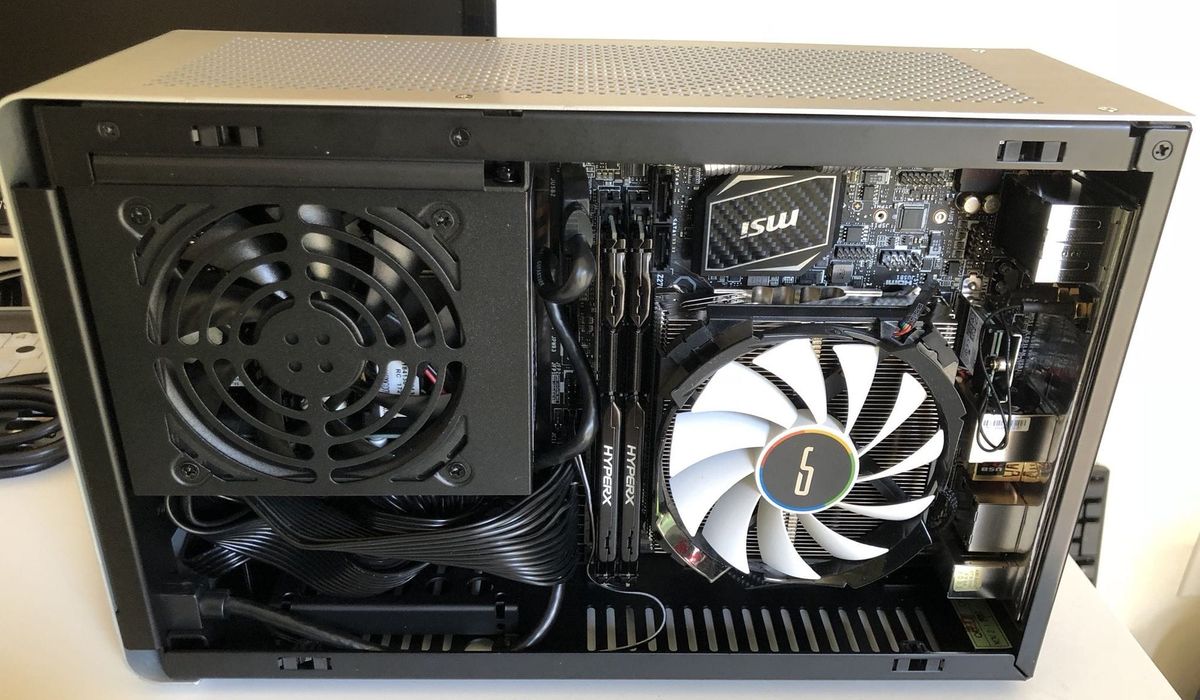
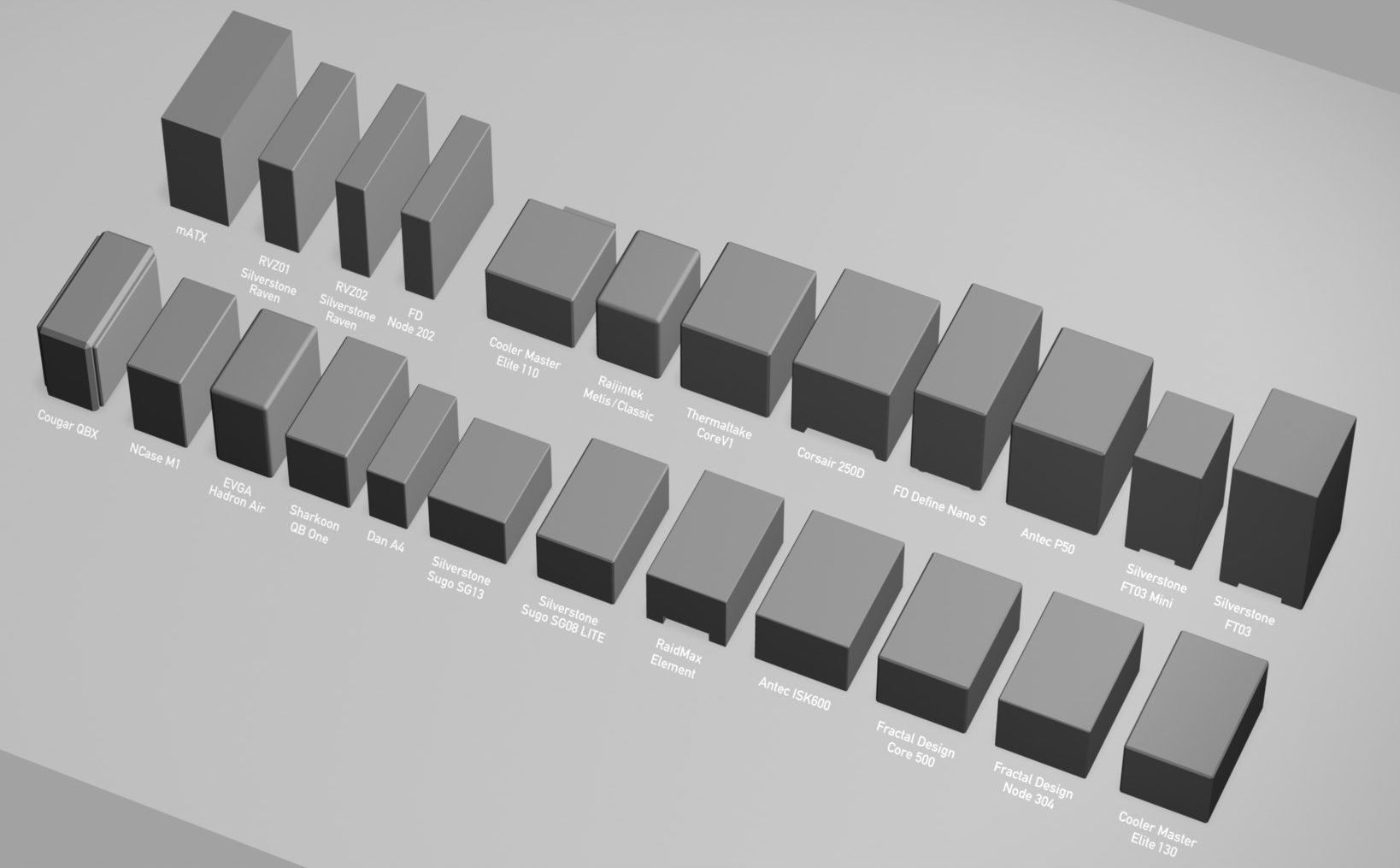
Among the contenders were the Dan A4 SFX and the Streacom DA2. The Dan A4 SFX, a marvel of minimalist design, boasts an incredibly compact volume of just 7.3 liters (200mm × 115mm × 317mm). This makes it one of the smallest standard mini-ITX systems achievable without custom parts, a testament to its engineering. For comparison, other popular SFF cases like the Silverstone RVZ02 / ML08 occupy 12.2 liters (380mm × 87mm × 370mm), and the widely acclaimed nCase M1 comes in at 12.6 liters (240mm × 160mm × 328mm).
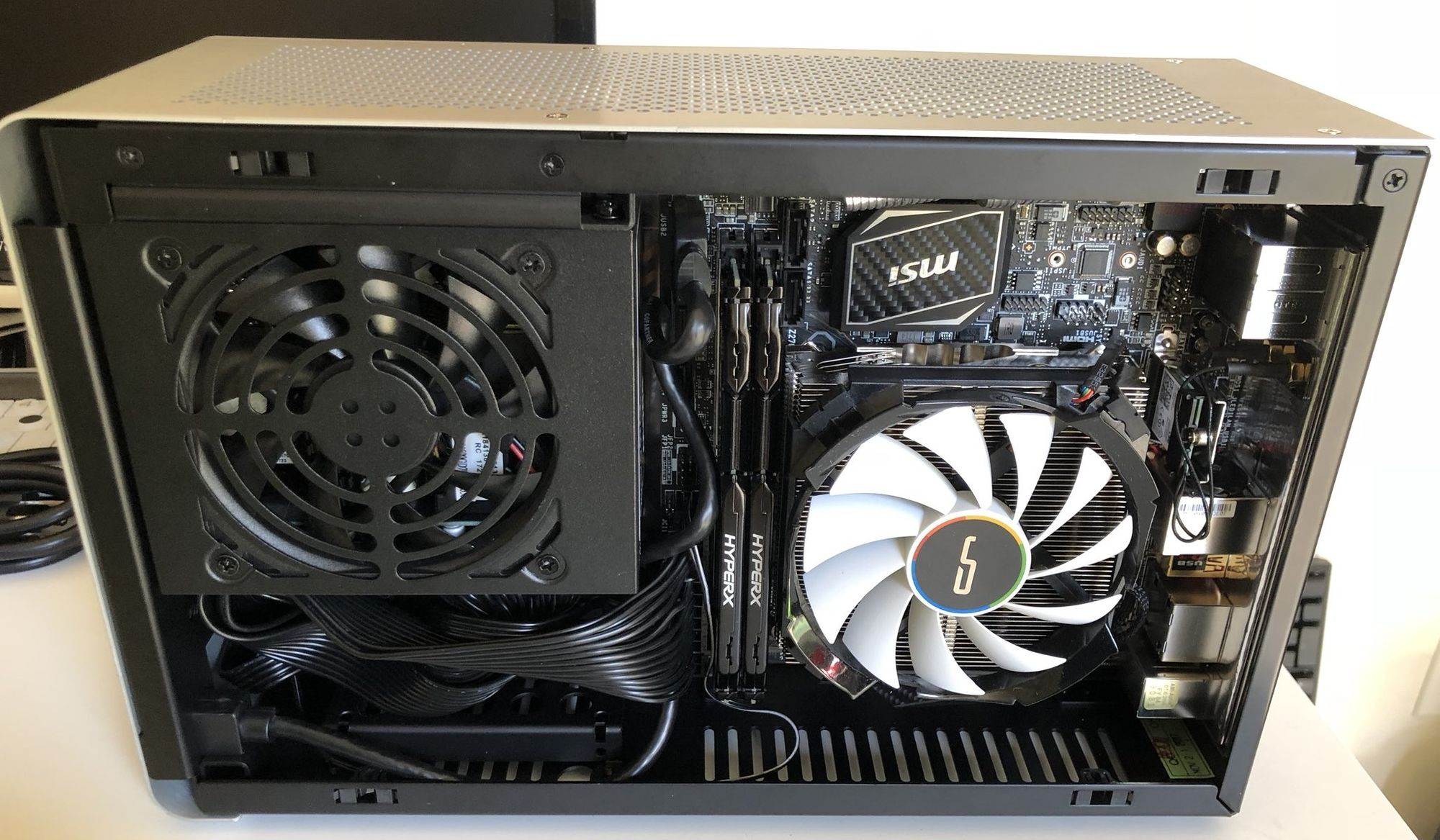
Ultimately, Atwood selected the Streacom DA2 for his personal build, despite its larger volume of 17.5 liters (180mm × 286mm × 340mm). This decision was pragmatic, driven by the realization that "you need more room to deal with extremely powerful CPUs and GPUs in this form factor." The DA2 offered a crucial balance between compactness and the necessary thermal headroom and component compatibility for a truly high-performance system.
To put these volumes into perspective, modern gaming consoles like the PlayStation 4 Pro typically occupy around 5.3 liters, and the Xbox One S a mere 4.3 liters. Atwood’s chosen 17.5-liter Streacom DA2 system, while larger than a console, offers "considerably more than 2x the power" for approximately 50% more volume. This comparison powerfully illustrates the efficiency gains and the remarkable density of computing power achievable in contemporary SFF PCs, bridging the gap between console-like footprints and workstation-level performance.
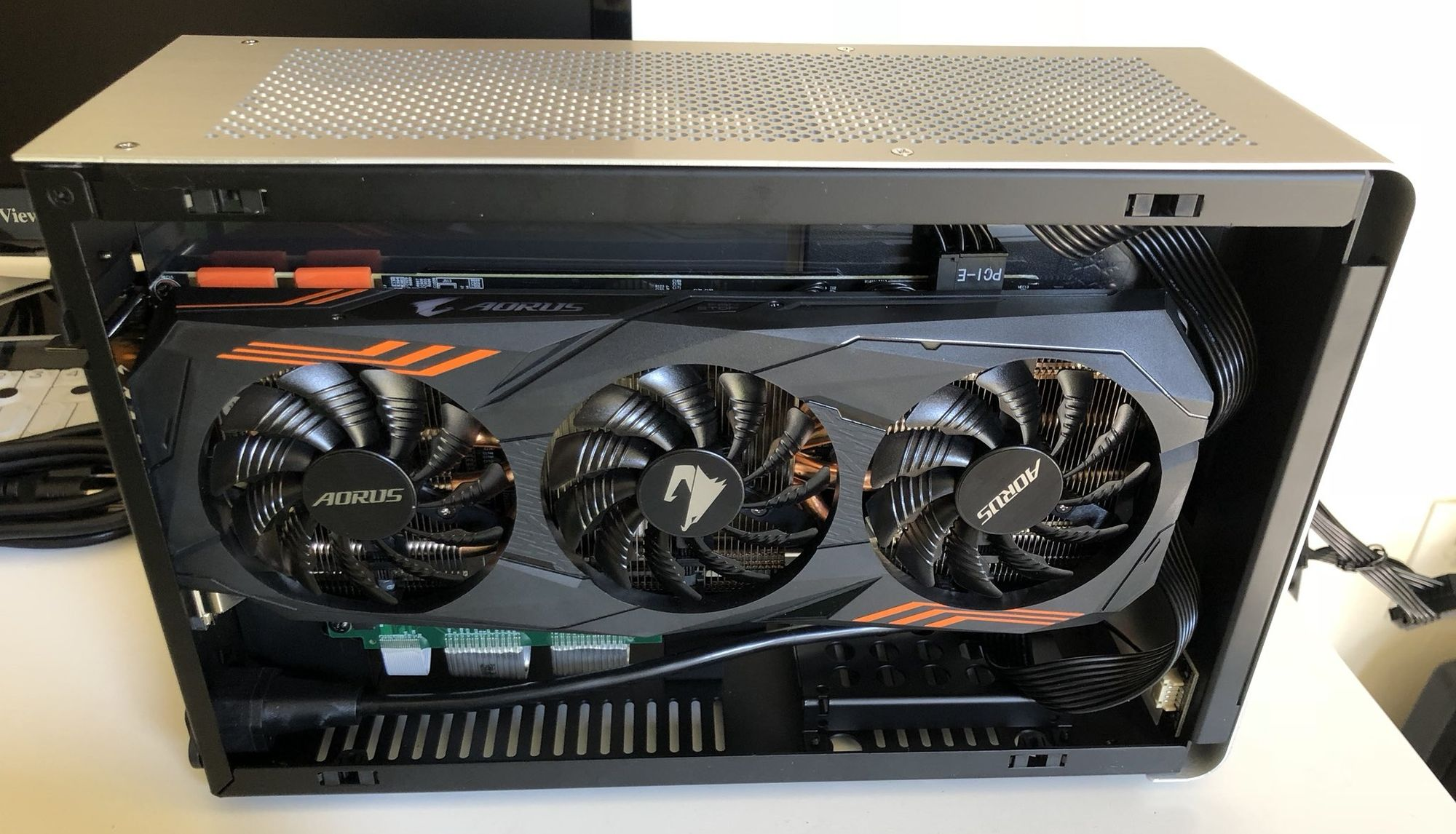
Atwood’s Chosen Build: The Streacom DA2 Configuration
Atwood’s decision to opt for the Streacom DA2 was a strategic one, prioritizing thermal management and component flexibility over absolute minimal volume. His goal was to construct a "truly powerful system," significantly upgrading from his previous 2015-2017 setup, which featured a slightly overclocked Intel i7-7700K.
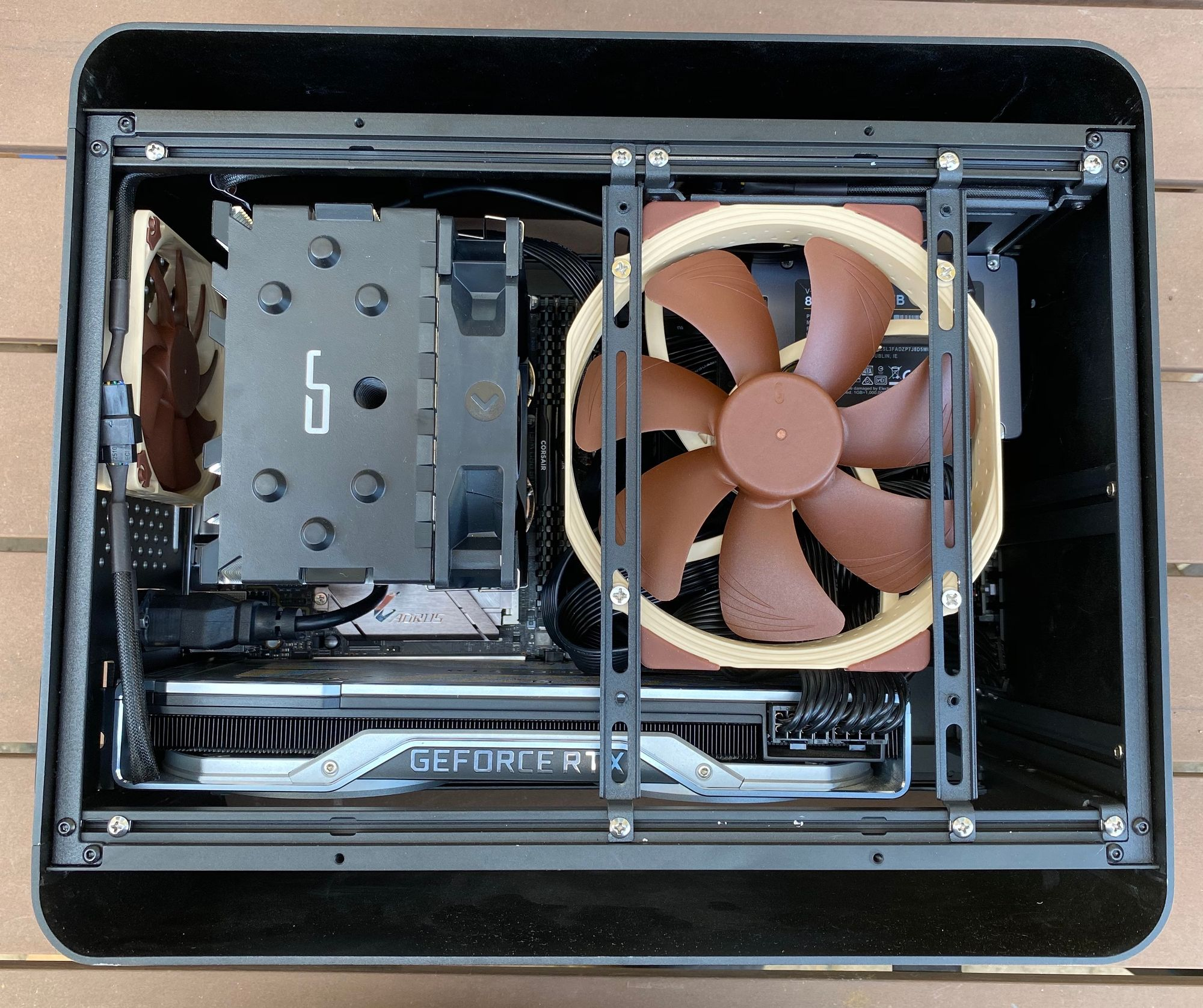
While specific component details beyond the CPU are not fully enumerated in the provided text, the stated improvements offer clear insights into the scale of the upgrade:
- Processor: The new system boasts a processor with "2x the cores (and faster cores, both in clock rate and IPC)" compared to the i7-7700K. This suggests a modern, high-performance, multi-core CPU such as an Intel Core i9 (e.g., 10th, 11th, or 12th generation) or an AMD Ryzen 9 (e.g., 3000 or 5000 series), offering 8 to 12 cores or more. Such processors significantly enhance multitasking capabilities, content creation, and gaming performance.
- Memory (RAM): The memory capacity was doubled, indicating a jump from 16GB (a common configuration for the i7-7700K era) to 32GB of DDR4 RAM. This increase is crucial for demanding applications, large datasets, and ensuring smooth operation under heavy workloads.
- Storage: The new motherboard supports "2x the M.2 slots," providing two NVMe M.2 SSD slots compared to the single slot on his previous system. This allows for increased high-speed storage capacity, improved data redundancy (if configured for RAID), and the flexibility to separate operating system and application drives from game or project files.
This upgrade represents a substantial leap in computational capability, delivering a system that is not only significantly faster but also more capable of handling modern, resource-intensive tasks. The combination of increased core count, improved instruction-per-cycle (IPC) performance, expanded memory, and faster storage ensures a robust and future-proof computing experience within a compact form factor.
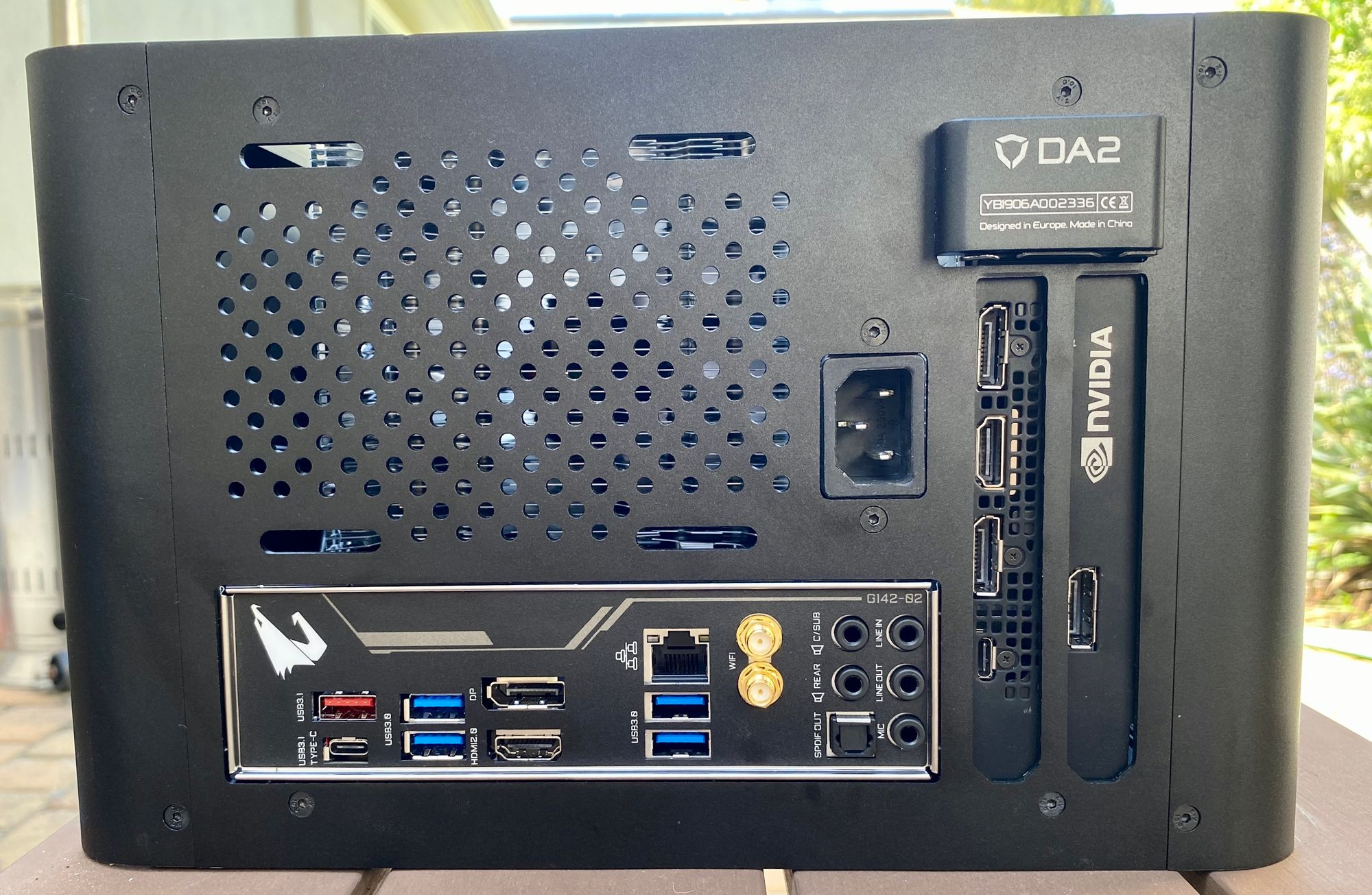
Engineering for Airflow: The Streacom DA2’s Design and Optimization
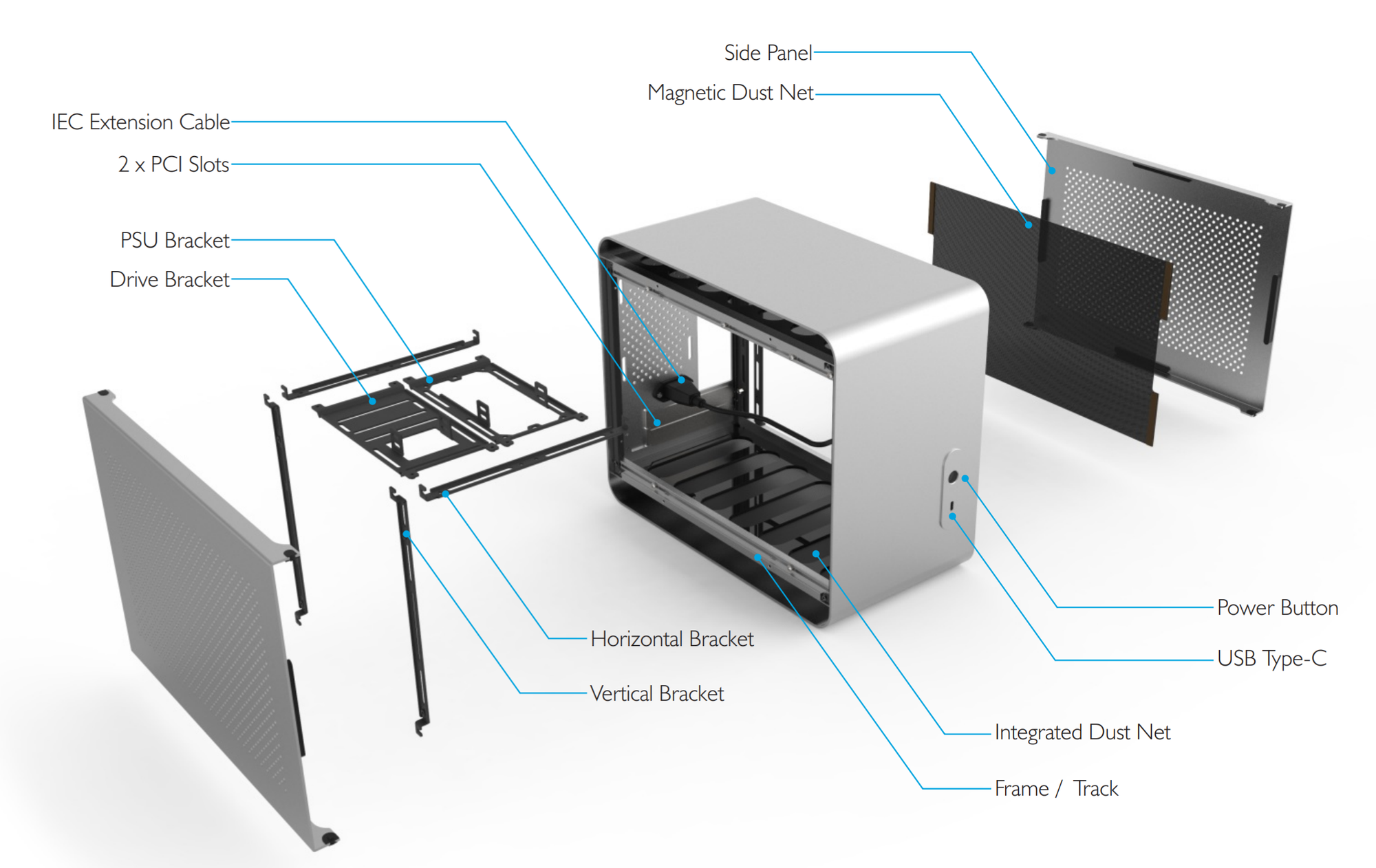
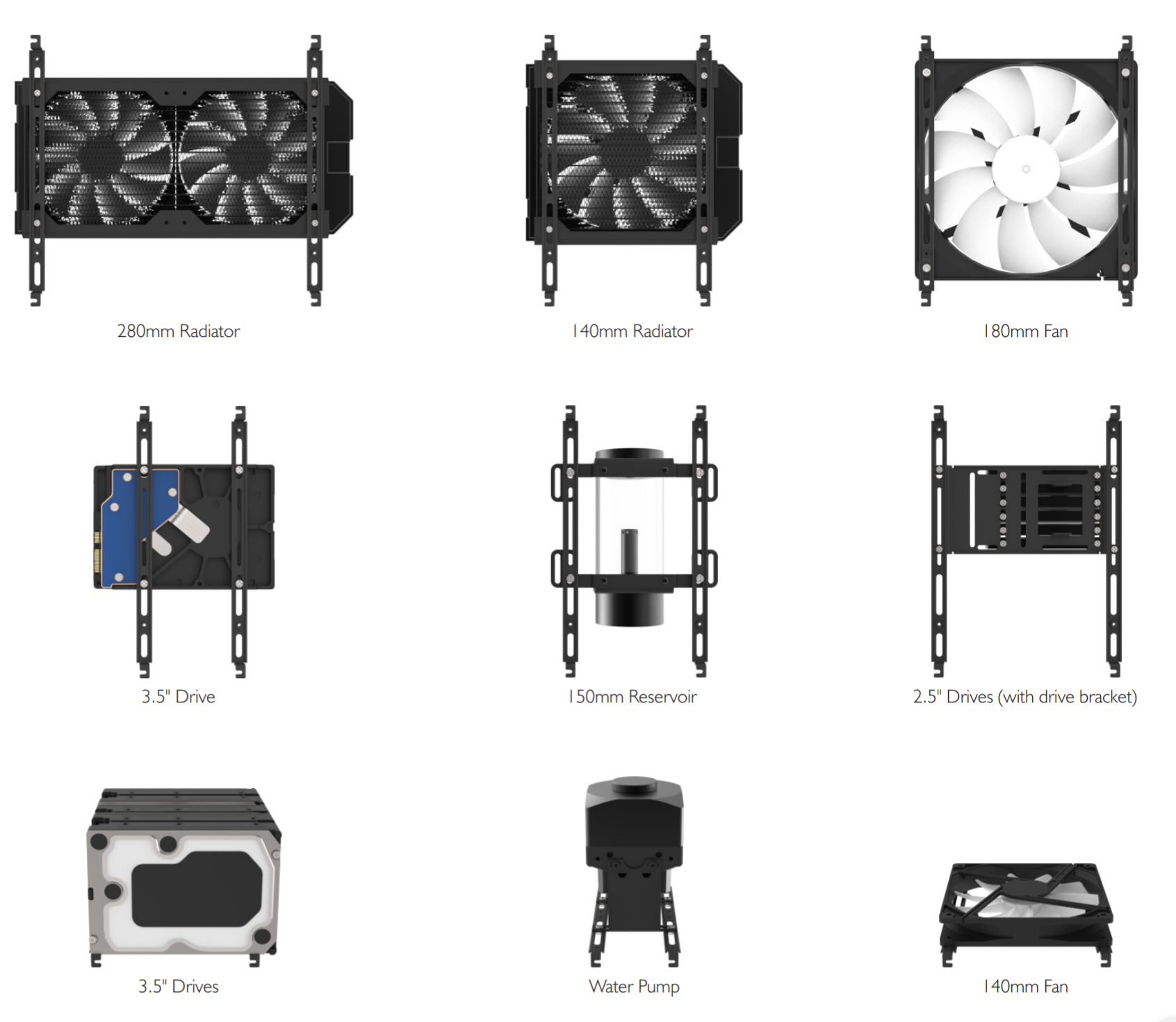
The Streacom DA2 distinguishes itself with its innovative internal design, which Atwood praises as "clever." It features a hybrid open-air concept with perforated top and bottom panels, complemented by a highly versatile internal bracket system that accommodates various component layouts. The bracket system, detailed in the manual, utilizes a captured nut and bolt design, making component installation and adjustments remarkably easy – a critical feature in the often-cramped environment of SFF builds.
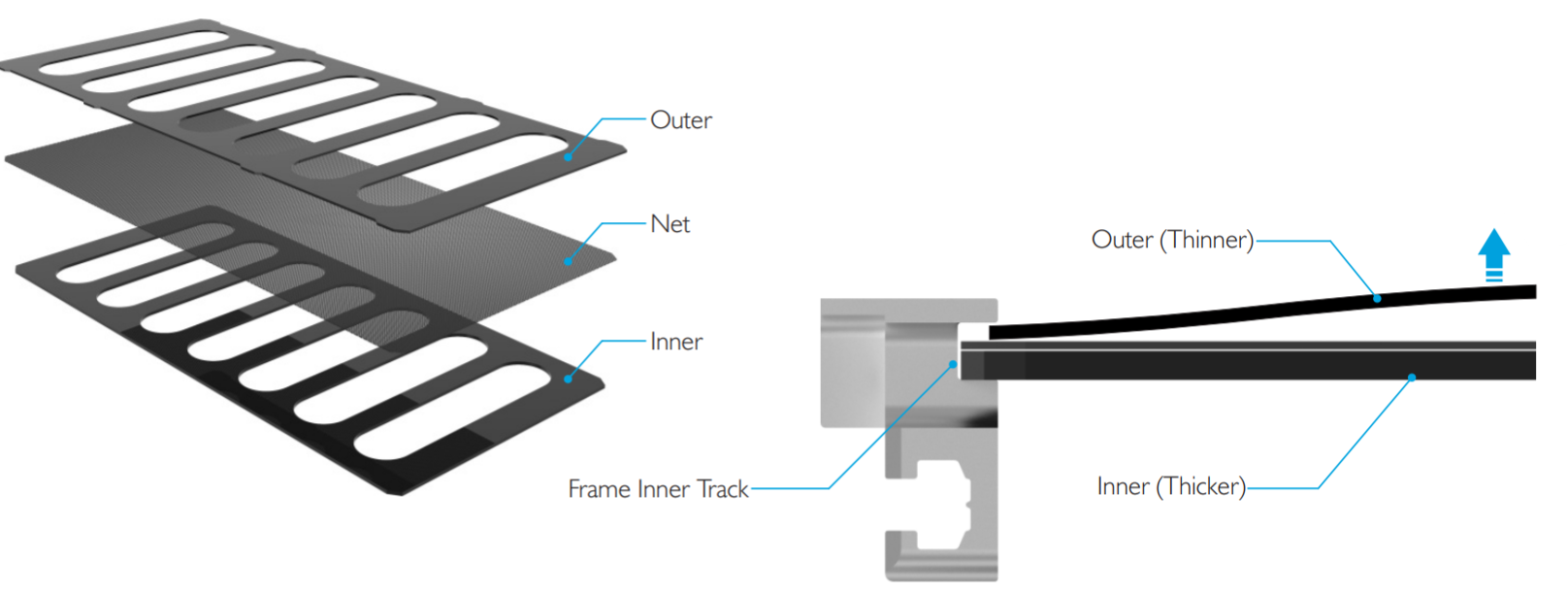
However, Atwood’s experience revealed a crucial optimization for the DA2: the removal of the default top and bottom acrylic pieces and mesh dust nets. He reported "dramatically better temperatures" after this modification. The DA2’s design includes a completely solid front panel, which necessitates robust airflow through the top and bottom to prevent thermal throttling, especially when housing high-TDP (Thermal Design Power) components. Removing these restrictive elements allows the case to "fully breathe," optimizing heat dissipation.
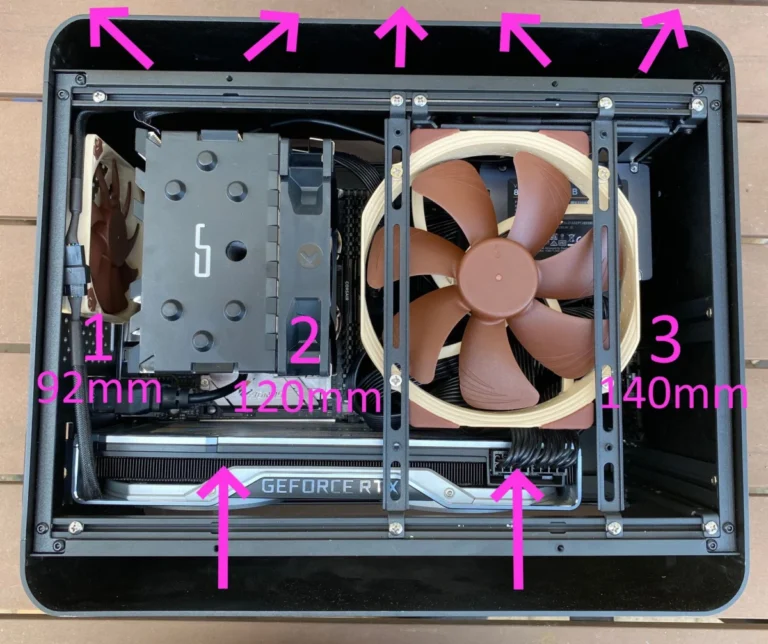
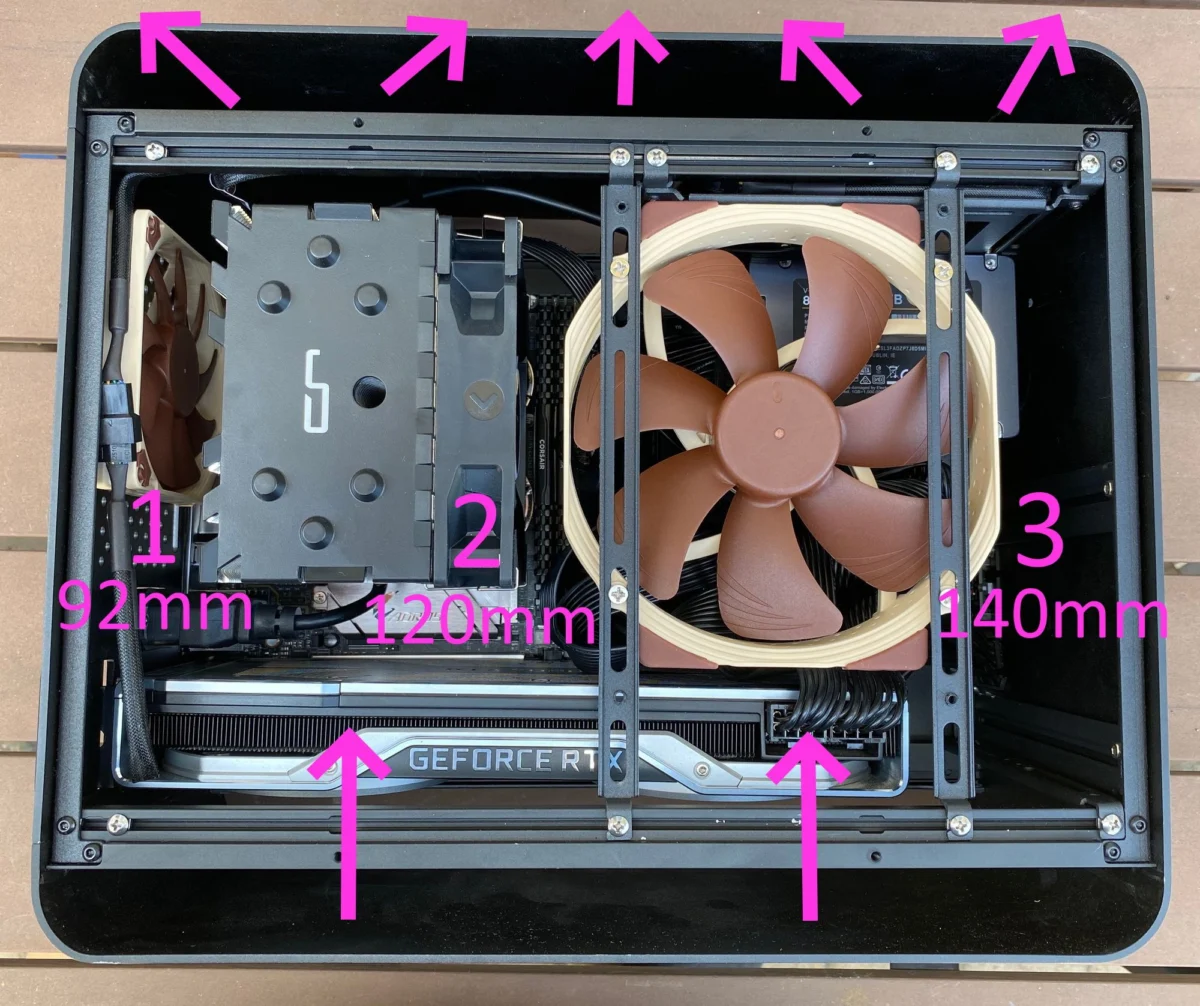
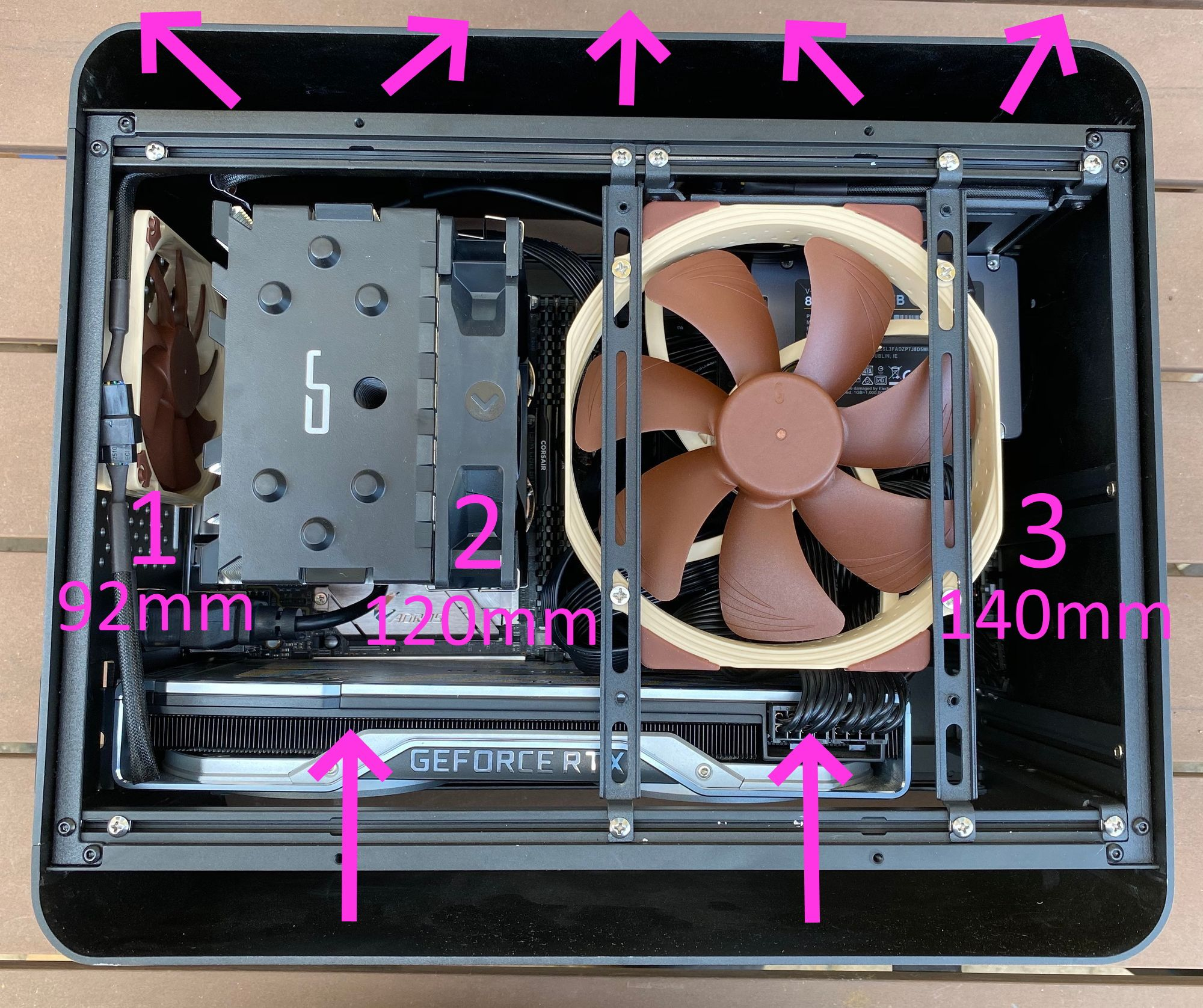
Atwood’s recommended fan configuration for the Streacom DA2 involves three fans: an exhaust fan positioned strategically to expel hot air, and two intake fans to draw in cool air. This setup, focused on maximizing airflow, is critical for maintaining stability under load. While this configuration proved effective for air cooling, Atwood acknowledges that for users expecting "full CPU and GPU loads for extended periods," water cooling might become a necessity due to the inherent space constraints. His personal aversion to water cooling, stemming from "one too many traumatic cooling fluid leaks in the early 2000s," underscores the reliability and simplicity appeal of optimized air-cooling solutions for many enthusiasts.
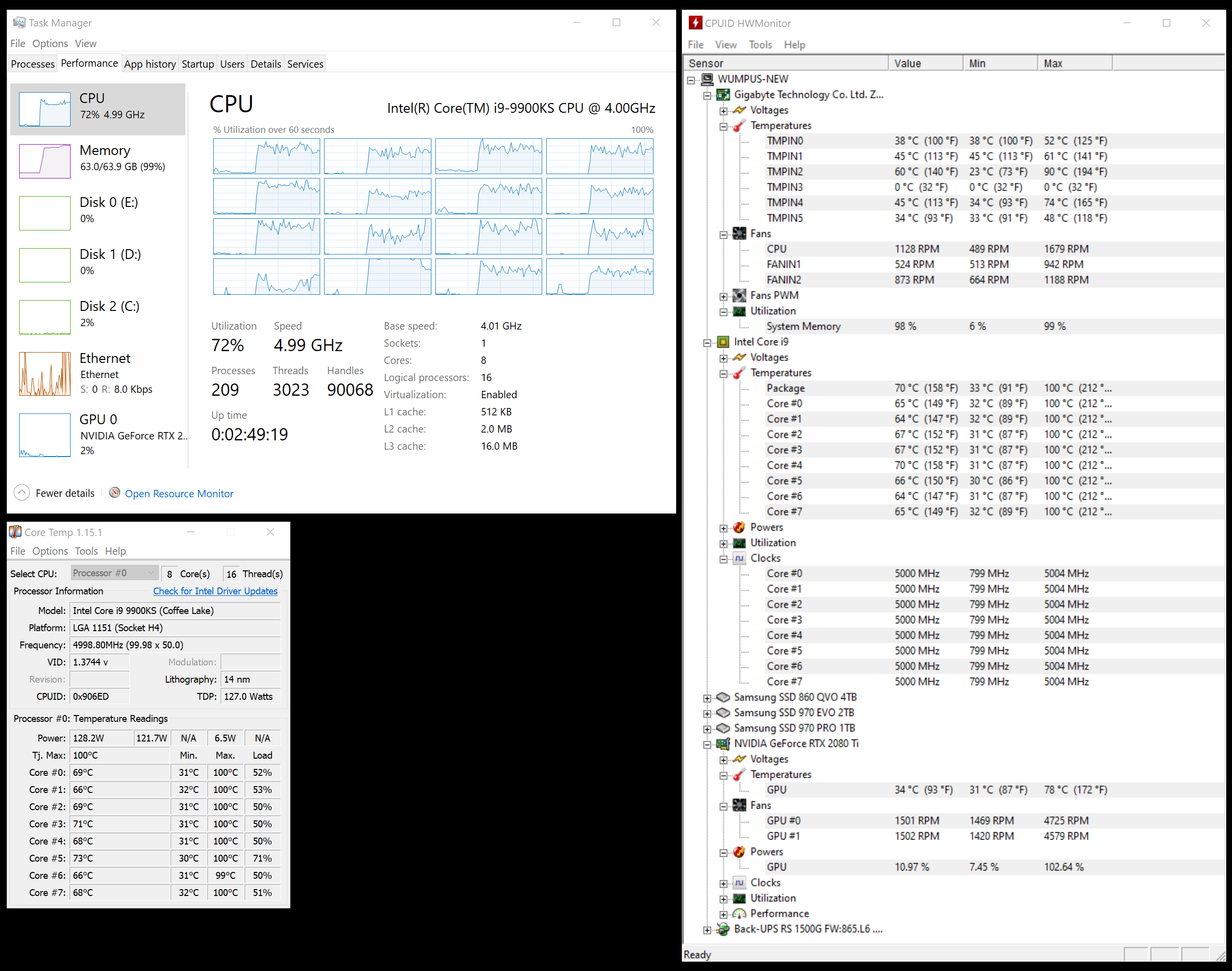
Despite the thermal challenges inherent in SFF builds, Atwood rigorously "burn-in tested" his new machine, a standard practice for ensuring system stability under stress. The system passed these tests "with flying colors," indicating that with careful component selection and airflow optimization, high-performance SFF air-cooled builds are entirely viable for most use cases.
Challenges and Triumphs of SFF Building
While the Streacom DA2 offers impressive versatility, Atwood noted a "few criticisms" that highlight the compromises sometimes necessary in SFF design. Although not explicitly detailed in the provided content, common challenges in SFF cases include constrained cable management, limited front panel I/O options (e.g., USB-C port placement), and the potential for noise due to smaller, faster-spinning fans required to maintain cooling. The need to remove dust filters for optimal thermal performance, as observed by Atwood, points to a design trade-off where maximum airflow was prioritized over dust ingress protection, potentially requiring more frequent cleaning.
Despite these minor imperfections, the DA2, along with other cases like the Dan A4 SFX, represents a triumph of engineering, pushing the boundaries of what’s possible in a small footprint. Atwood’s experience also underscores the increasing ease of modern PC building. He notes that "by the time you install the M.2 drives, memory, CPU, and cooler on the motherboard you’re almost done, these days!" This is largely due to advancements in component integration, standardized form factors, and increasingly intuitive motherboard designs, making the process more accessible even for complex SFF builds.
The meticulous planning and execution required for an SFF build, from component compatibility checks to thermal management strategies, elevate it beyond a simple assembly task. It becomes an exercise in optimizing every cubic centimeter, balancing power, cooling, and acoustics within a tightly integrated system.
The Future of Personal Computing: Power in a Smaller Footprint
Jeff Atwood’s latest PC build serves as a powerful illustration of the current trajectory in personal computing. The primary innovation is no longer solely in raw clock speed or core count, but in the ability to "pack all that power into less than 20 liters of space." This trend is evident in a growing market for compact mini-ITX builds, with innovative designs like the Yuel Beast Designs Motif Monument pushing aesthetic and functional boundaries.
The implications of this shift are far-reaching. For consumers, it means powerful desktop experiences that can fit comfortably on a desk, in a living room, or even be easily transported. For manufacturers, it drives innovation in component miniaturization (e.g., SFX power supplies, low-profile CPU coolers, compact graphics cards) and efficient thermal solutions. For the PC market as a whole, it revitalizes interest and demonstrates that the platform continues to evolve, adapting to modern demands for space efficiency and sleek aesthetics without sacrificing performance.
In an era where personal devices are expected to be increasingly portable and seamlessly integrate into diverse environments, the evolution of SFF PCs ensures that the desktop computer remains a relevant and potent force. Atwood’s Streacom DA2 build is more than just a personal upgrade; it is a microcosm of a significant industry trend, proving that the PC is not "over," but rather, creatively reinventing itself for a new generation of users.
About the Author