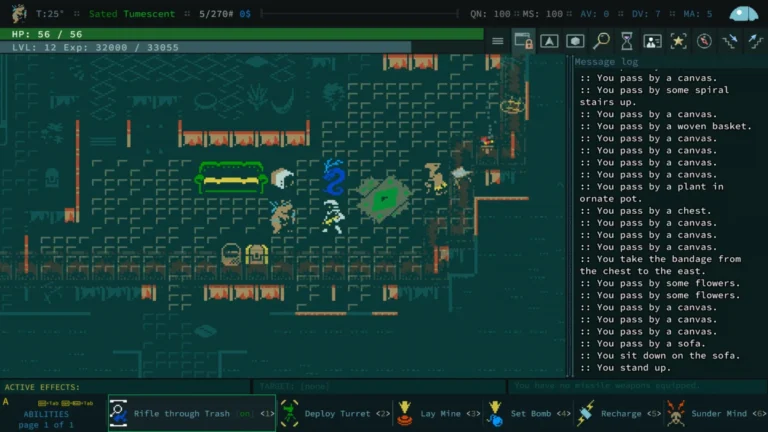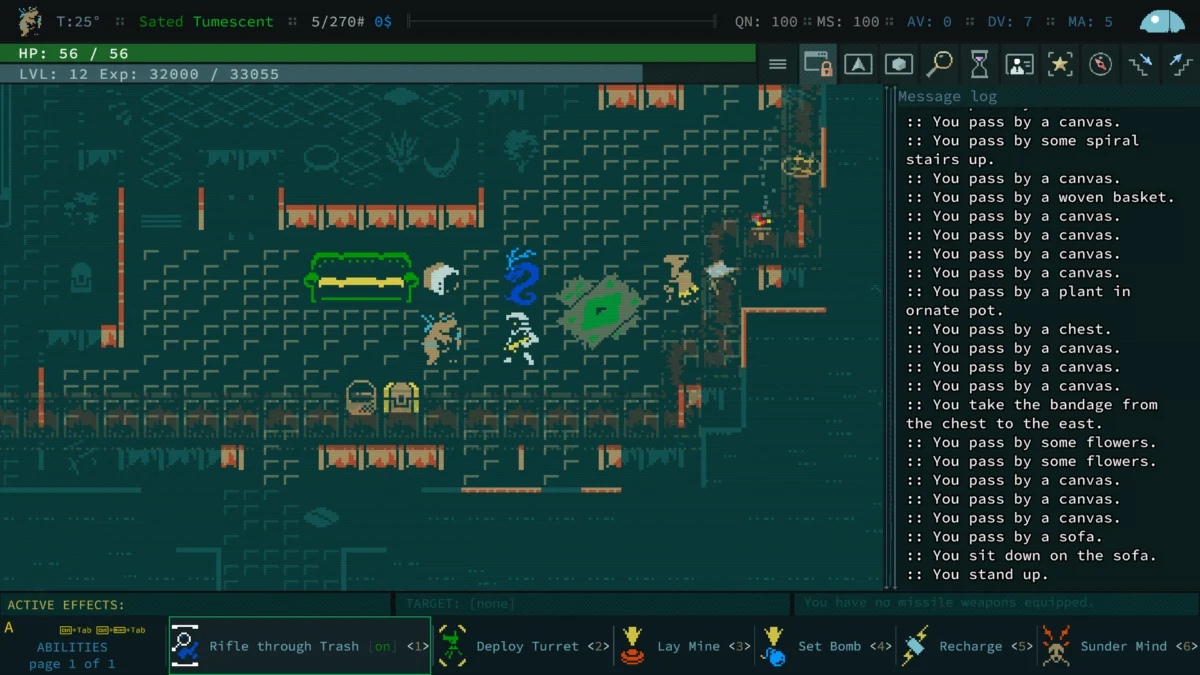
In an unprecedented move for the Steam platform, Freehold Games and Kitfox Games have announced that Caves of Qud‘s forthcoming major expansion, Diaspora, will launch in Early Access, despite the base game having exited its own nine-year Early Access period earlier in 2024. This decision marks a significant departure from established industry norms, where downloadable content (DLC) typically launches in a finished, 1.0 state following a game’s full release. The development strategy, championed by Caves of Qud‘s creators Jason Grinblat and Brian Bucklew, aims to leverage the community-driven iterative development model that proved highly successful for the base game, even requiring bespoke technical adjustments from Valve to enable the unique release structure.
A Decade of Development and Community Collaboration
The journey of Caves of Qud, a science fantasy roguelike RPG, began in 2007 when Freehold Games initiated its development. Known for its intricate systems, deep lore, and emergent gameplay, the title spent an extensive nine years in Steam Early Access after its debut on the platform in 2015. During this protracted development cycle, the game garnered a dedicated fanbase, whose continuous feedback and participation were instrumental in shaping its evolution. This collaborative approach culminated in the game’s official 1.0 release in 2024, a milestone that typically signifies the end of major developmental iterations and a transition to post-launch content delivered as complete packages.
The Early Access model, introduced by Valve on Steam, was designed to allow developers to sell unfinished games, gather player feedback, and fund ongoing development. It has fostered a diverse ecosystem, from independent studios to larger entities, enabling iterative design and mitigating financial risks. While many games enter and eventually graduate from Early Access, the concept of a fully released title then re-introducing new content into the same developmental pipeline for its expansions is uncharted territory. Historically, once a game leaves Early Access, subsequent content additions, whether free updates or paid DLC, are expected to adhere to a finished product standard, undergoing internal testing before public release.
The Genesis of a Novel Approach: Diaspora in Early Access
The decision to launch Diaspora into Early Access stems directly from the development philosophy that defined Caves of Qud‘s long gestation. Tanya X. Short, co-founder and head of publishing at Kitfox Games, initially expressed hesitation about this unconventional path. However, she ultimately supported the vision of Grinblat and Bucklew, who were "really keen to continue with the development strategy that had been so successful for the main game throughout their long Early Access." This sentiment underscores a deep-seated belief within Freehold Games in the efficacy of transparent, community-involved development for their particular brand of complex game design.
The practicalities of this unprecedented move required active collaboration with Valve, the operator of the Steam platform. Short revealed that Valve acted as a supportive partner, making a "manual adjustment" in Steam’s backend infrastructure to facilitate the option of Early Access for DLC. Interestingly, this novel configuration was initially flagged as a "bug" by Steam’s automated store page review systems, highlighting just how far outside the platform’s standard operational parameters this initiative sits. This anecdote not only illustrates Valve’s flexibility in accommodating developer needs but also the inherent rigidity of established digital distribution frameworks when faced with truly innovative approaches.
Developer Rationale: Complexity, Funding, and Community
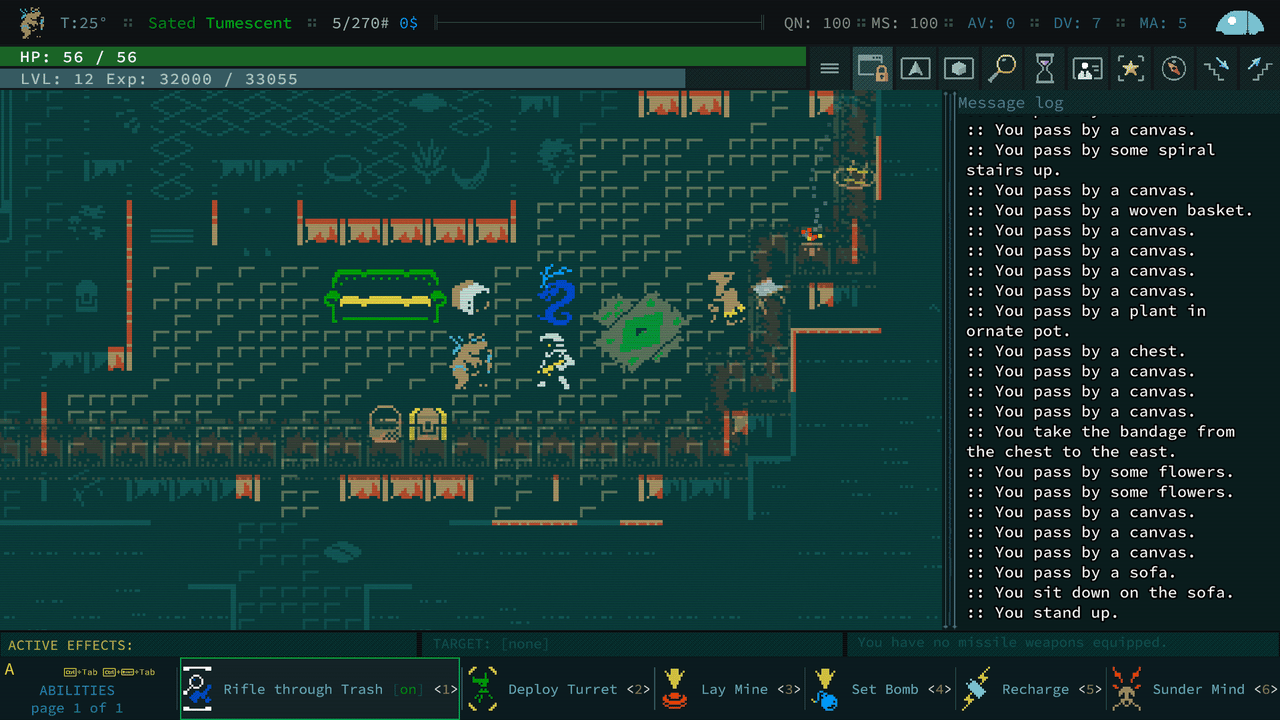
Freehold Games provided a candid explanation for their choice to pursue Early Access for Diaspora, articulating two primary motivations:
-
Complexity and Emergent Gameplay: Caves of Qud is renowned for its intricate web of interlocking systems and features, which lead to highly unpredictable and emergent gameplay scenarios. The Diaspora expansion is poised to introduce an entirely new layer of this complexity. Freehold states, "Just like with the base game, our approach to building something this complex is to have the community stress test it the whole way." This acknowledges that the sheer depth and interconnectedness of the game make traditional, closed-room quality assurance impractical, if not impossible, for catching all potential interactions and unforeseen consequences. The vast player base acts as a distributed, real-world testing environment, uncovering edge cases and providing invaluable feedback that shapes the final product.
-
Sustainable Development and Vision Preservation: The development of Caves of Qud has been characterized by its deliberate pace, a testament to the studio’s commitment to a high-quality bar. Freehold admits that "development is slow. It takes a long time and a lot of love to hit the quality bar we set for ourselves." By utilizing the Early Access model for Diaspora, the studio can fund the expansion’s development as it progresses, rather than being constrained by fixed deadlines dictated by a traditional launch schedule. This approach, described as "watering the flower as it blooms," allows the developers to avoid compromising their creative vision due to financial pressures or tight timelines, ensuring that the expansion meets their exacting standards without rushing. It provides a continuous revenue stream that directly supports the ongoing work, a crucial factor for independent studios tackling ambitious projects.
This strategy echoes the financial realities many independent developers face. While crowdfunding platforms like Kickstarter or Patreon offer direct community funding, Early Access on Steam provides a more integrated marketplace solution. It allows developers to generate revenue from sales of the in-development product, directly linking player investment to the ongoing creation process. For games with long development cycles and dedicated communities, this model can be a lifeline, ensuring financial viability without recourse to external publishers who might impose stricter timelines or creative limitations.
Implications for the Gaming Industry and Steam Platform
The decision by Freehold Games and Kitfox Games to launch Diaspora into Early Access has several significant implications for the broader gaming industry and the Steam platform:
- Setting a Precedent: This move could establish a new paradigm for post-launch content development. If Diaspora‘s Early Access period proves successful, it might inspire other developers, particularly those working on highly complex, systemic, or procedurally generated games, to explore similar models for their expansions. It challenges the conventional wisdom that a 1.0 release signifies a complete and final product, suggesting instead a more fluid and continuous developmental relationship with a game’s community.
- Evolving the Early Access Concept: Valve’s willingness to adapt Steam’s backend for this initiative demonstrates a recognition of evolving developer needs and creative strategies. It highlights the platform’s inherent flexibility and its capacity to grow beyond its initial design parameters. This could lead to a re-evaluation of what "Early Access" truly means and how it can be applied beyond initial game releases, potentially opening doors for episodic content, community-driven remasters, or even entirely new forms of interactive development.
- Deepening Community Engagement: For games like Caves of Qud, which thrive on community interaction, this model deepens the symbiotic relationship between players and developers. Players who purchase Diaspora in Early Access become active participants in its creation, offering feedback, reporting bugs, and influencing design choices. This level of involvement can foster greater player loyalty and investment, transforming consumers into collaborators.
- Risk and Reward for Players: For players, the model presents both opportunities and potential drawbacks. On one hand, they gain early access to new content and the chance to directly influence its development, potentially leading to a more tailored and robust final product. On the other hand, they are purchasing an unfinished product, which may contain bugs, undergo significant changes, or have an indeterminate release timeline. This requires a certain level of trust in the developers and an understanding of the Early Access process.
- Financial Sustainability for Niche Titles: For niche or highly complex titles that may not attract massive mainstream audiences but cultivate extremely dedicated communities, this strategy offers a viable path to financial sustainability for ongoing content creation. It allows for a continuous revenue stream that directly funds the labor-intensive development required for such intricate games, without needing to rush to market with a potentially incomplete product.
Challenges and the Path Forward
While the Diaspora Early Access strategy offers compelling benefits, it is not without its challenges. Managing community expectations, consistently delivering updates, and navigating the complexities of integrating new systems into an already vast game will require significant effort from Freehold Games. The balance between incorporating player feedback and maintaining a cohesive creative vision will be crucial. Furthermore, the success of this model will undoubtedly be scrutinized by the wider industry, potentially influencing future development practices.
As Tanya X. Short eloquently put it, "[Brian and Jason] love working with their players, and they already had all the processes and habits to do it again, so why not?" This encapsulates the core philosophy driving this decision: a genuine desire to develop alongside the very community that has championed Caves of Qud for over a decade. In an era where game development cycles are often opaque and player feedback can feel distant, Freehold Games and Kitfox Games are forging a path towards greater transparency and collaboration, potentially redefining the relationship between creators and their communities on the largest digital storefront. The long-term success of Diaspora‘s Early Access will serve as a fascinating case study in the evolving landscape of video game development and distribution.
About the Author