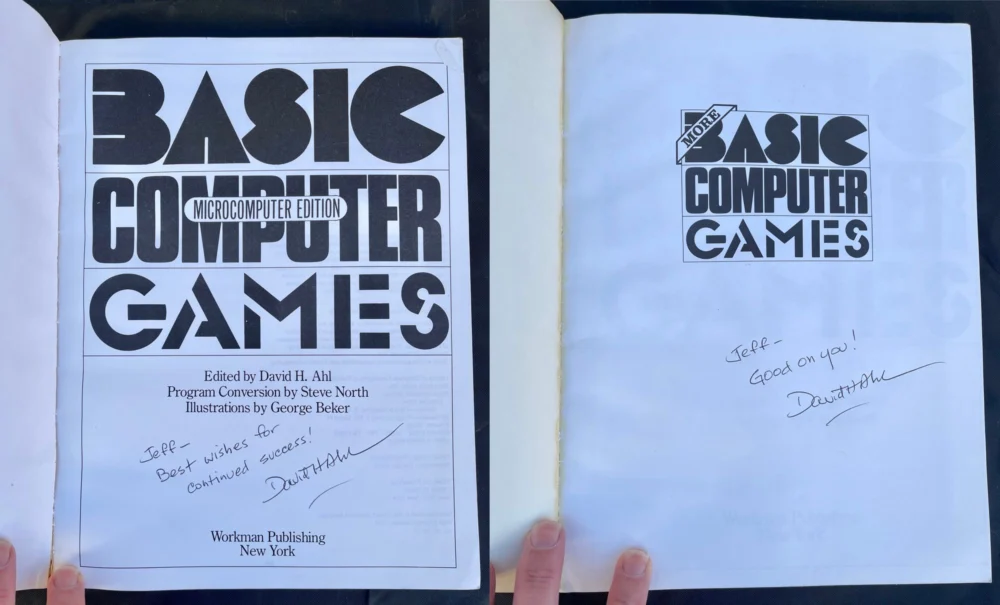
Jeff Atwood, the renowned programmer and co-founder of Stack Overflow, has launched an ambitious open-source project aimed at revitalizing 101 BASIC Computer Games, a seminal text widely recognized as one of the most influential books in computing history. This collaborative effort seeks to translate the collection of early mainframe games into ten modern, memory-safe programming languages, thereby preserving these foundational artifacts of digital culture while introducing them to a new generation of developers through contemporary coding practices. The initiative, hosted on GitHub, not only celebrates the book’s profound legacy but also addresses crucial aspects of modern software development, including code safety and community collaboration.
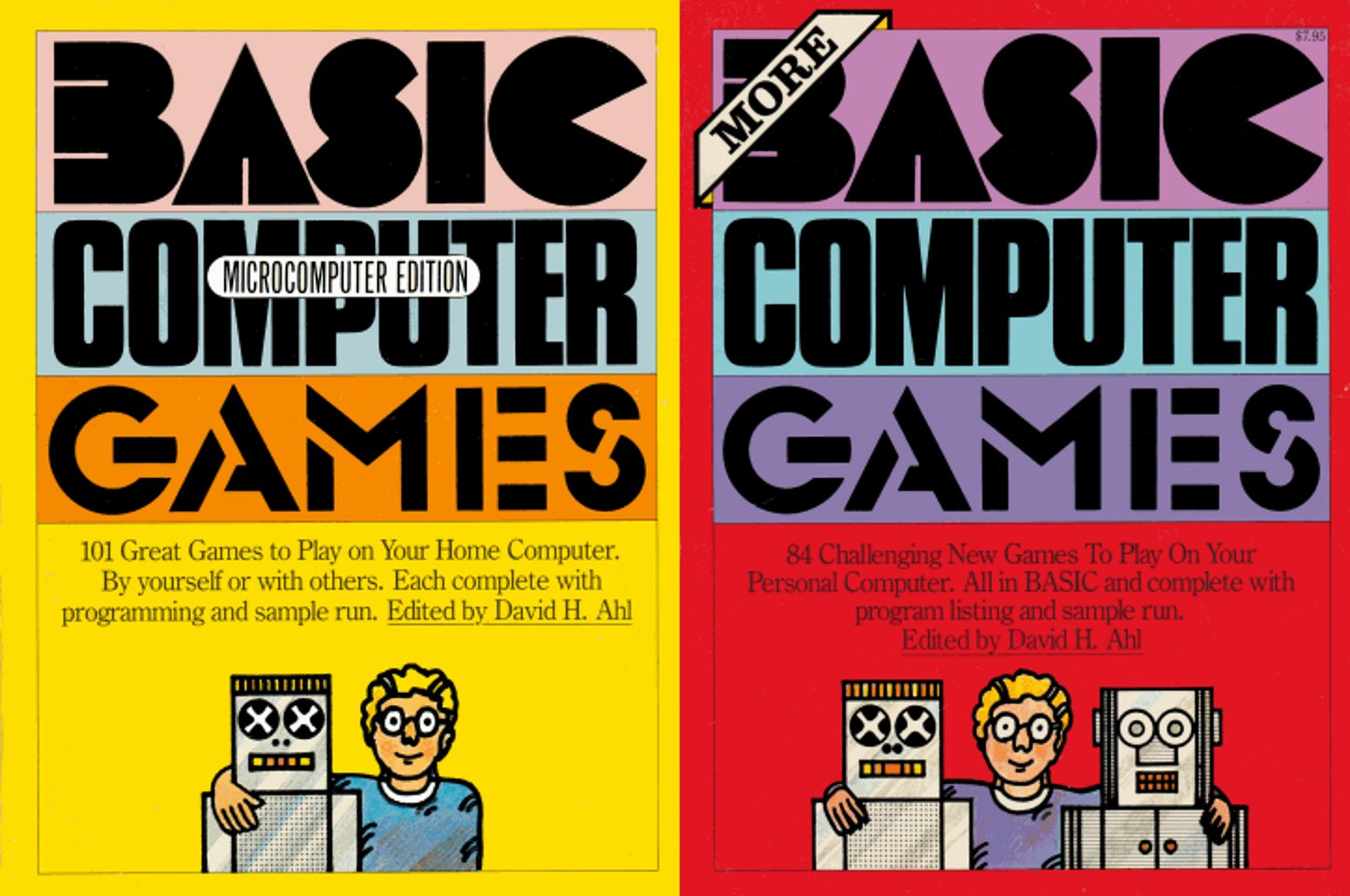
The Genesis of a Digital Legacy: 101 BASIC Computer Games
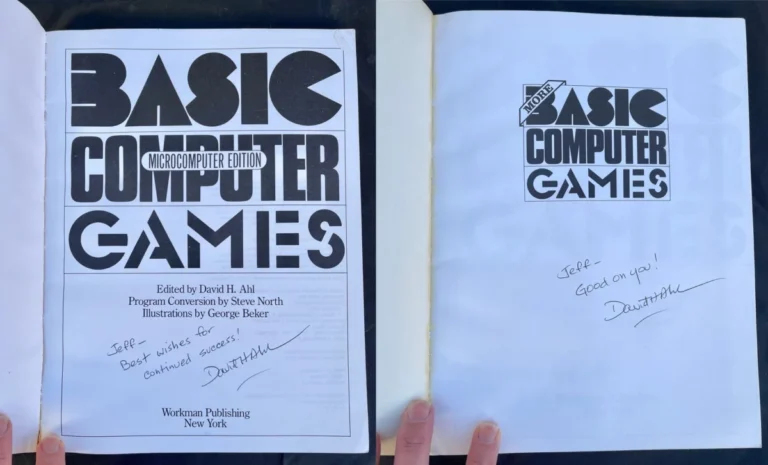
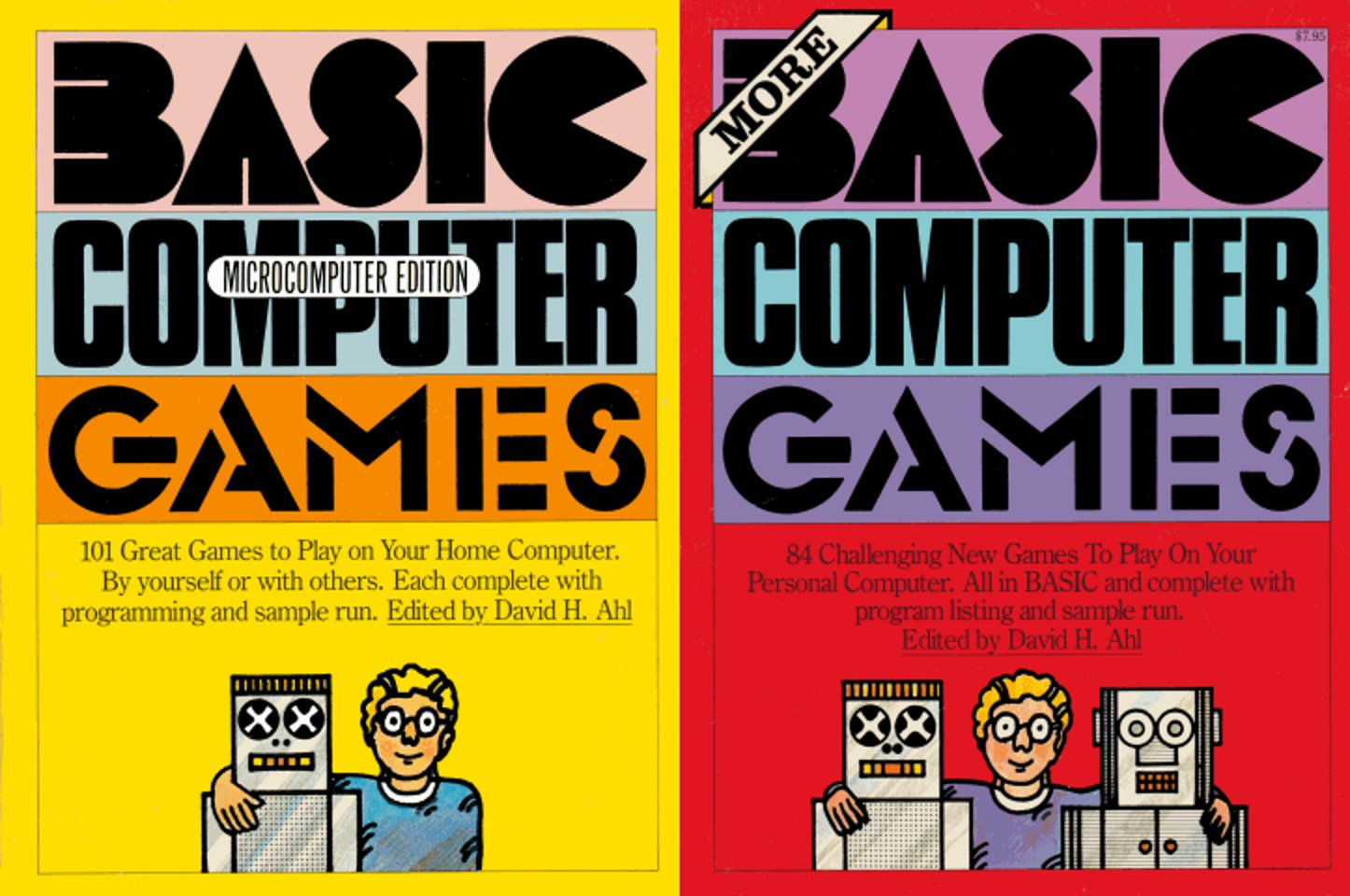
Published in 1973 by David H. Ahl, 101 BASIC Computer Games was more than just a collection of code; it was a gateway to the nascent world of personal computing for countless enthusiasts. In an era predating graphical user interfaces and app stores, early computers typically booted directly to a command-line interface. For many, the only way to interact with these machines, beyond expensive cassette tape drives, was to manually type in programs from books. Ahl’s compilation became the quintessential resource for this experience, featuring games like "Civil War," "Hamurabi," and "Super Star Trek," which captivated a generation.
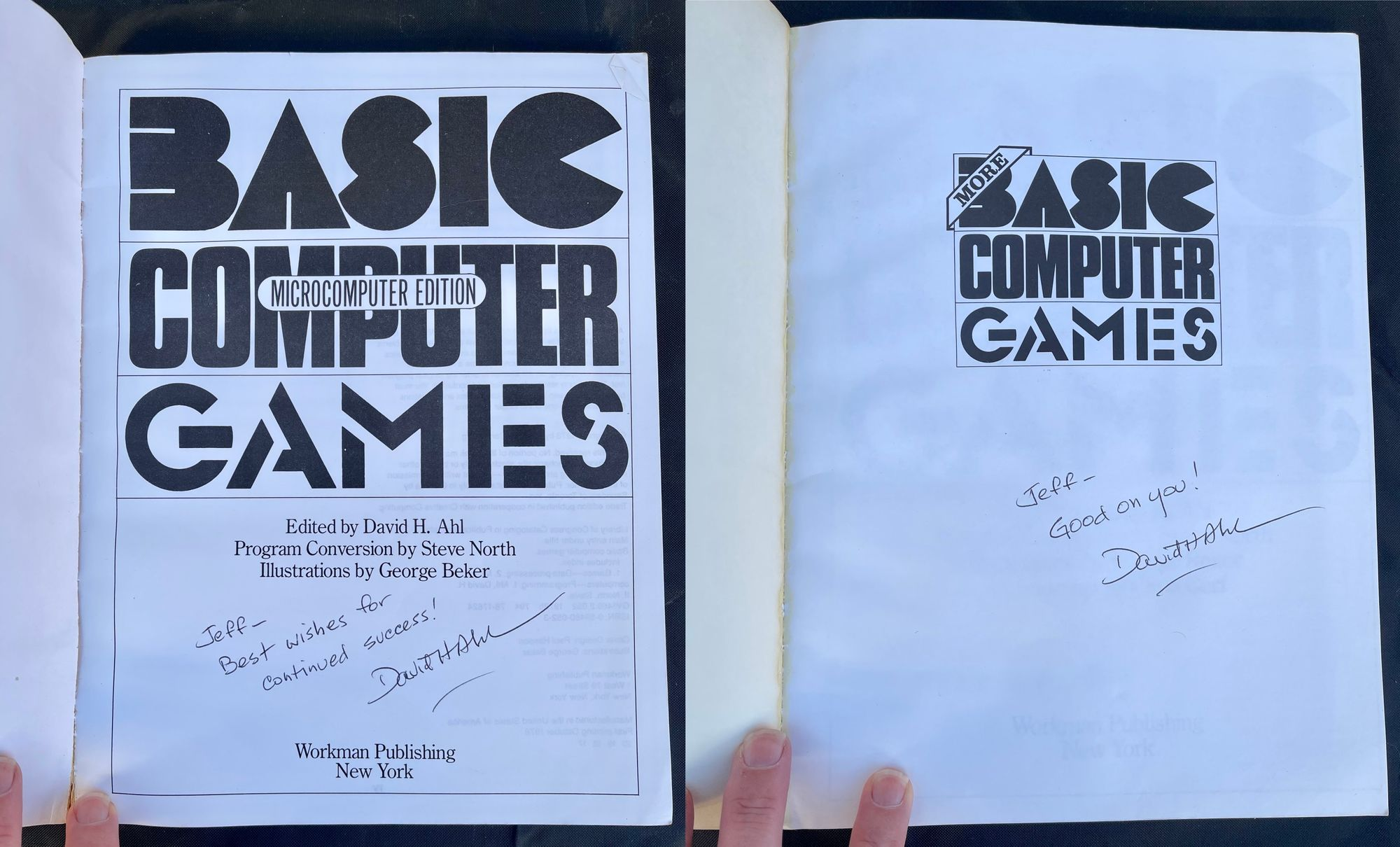
Ahl’s journey to create this groundbreaking book began with his work at Digital Equipment Corporation (DEC), where he published an internal collection of BASIC games. Its overwhelming popularity led him to found Creative Computing Magazine in 1974, a publication that would become a vital hub for early computer enthusiasts. The initial print run of 101 BASIC Computer Games saw 10,000 copies distributed, a remarkable figure considering the scarcity of personal computers at the time. Ahl himself noted, "That was far more books than there were computers around, so people were buying three, four, five of them for each computer." This widespread adoption propelled the book to become the first computer title to sell over a million copies, solidifying its status as a cultural touchstone and a foundational text for aspiring programmers. Its impact was so profound that Jeff Atwood credits it, along with its sequel, as being "responsible for my entire professional career."

A Window into Early Computing: The User Experience
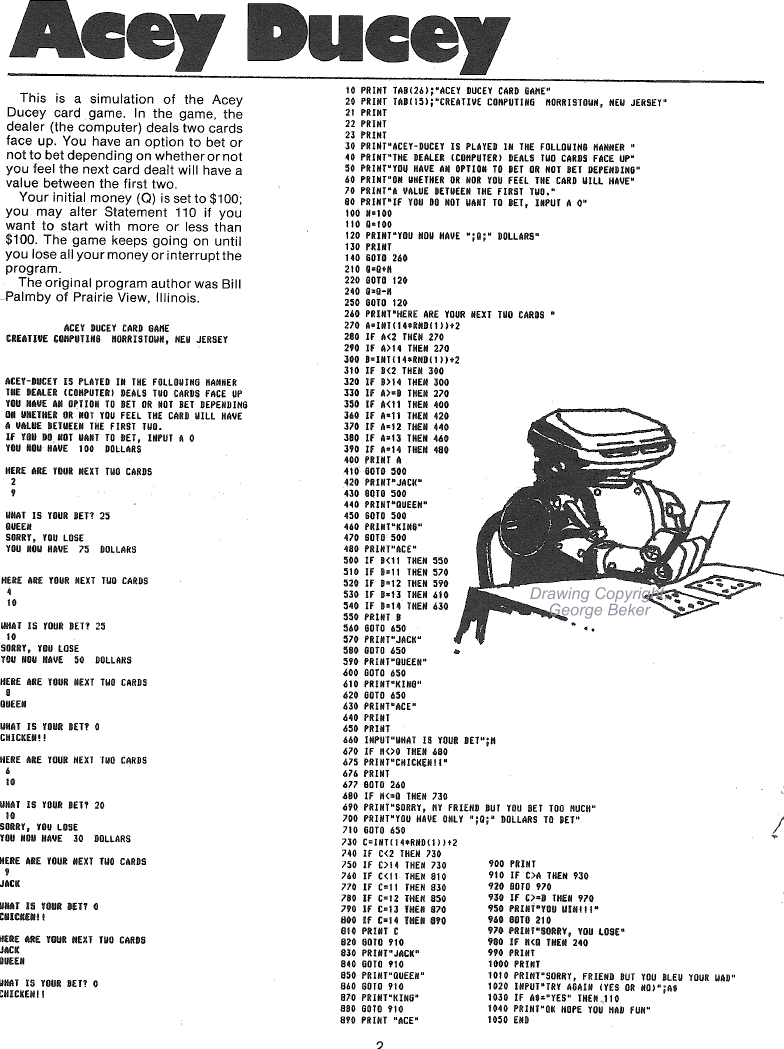
The computing landscape of the 1970s and early 1980s was starkly different from today’s intuitive, visually rich environments. A user’s interaction began not with a mouse click on an icon, but with a flashing cursor on a black screen, patiently awaiting command. The notion of "loading an app" involved intricate commands, often executed from a cassette tape drive – a luxury for many. More commonly, the path to interaction was paved by manual entry. Users would painstakingly type line after line of BASIC code, often spanning multiple pages, directly from books like 101 BASIC Computer Games. This laborious process, which could take hours, was not merely an act of transcription; it was an immersive, hands-on lesson in programming logic, syntax, and debugging. The satisfaction of seeing a typed program spring to life, however simple the game, was a profound reward for the effort. This era fostered an intimate relationship between user and machine, where understanding the underlying code was a prerequisite for engagement. The book itself was a compilation of "greatest hits" from Ahl’s Creative Computing Magazine, further embedding its content within the broader, burgeoning computer culture.
The Call for Modernization: Beyond Line Numbers
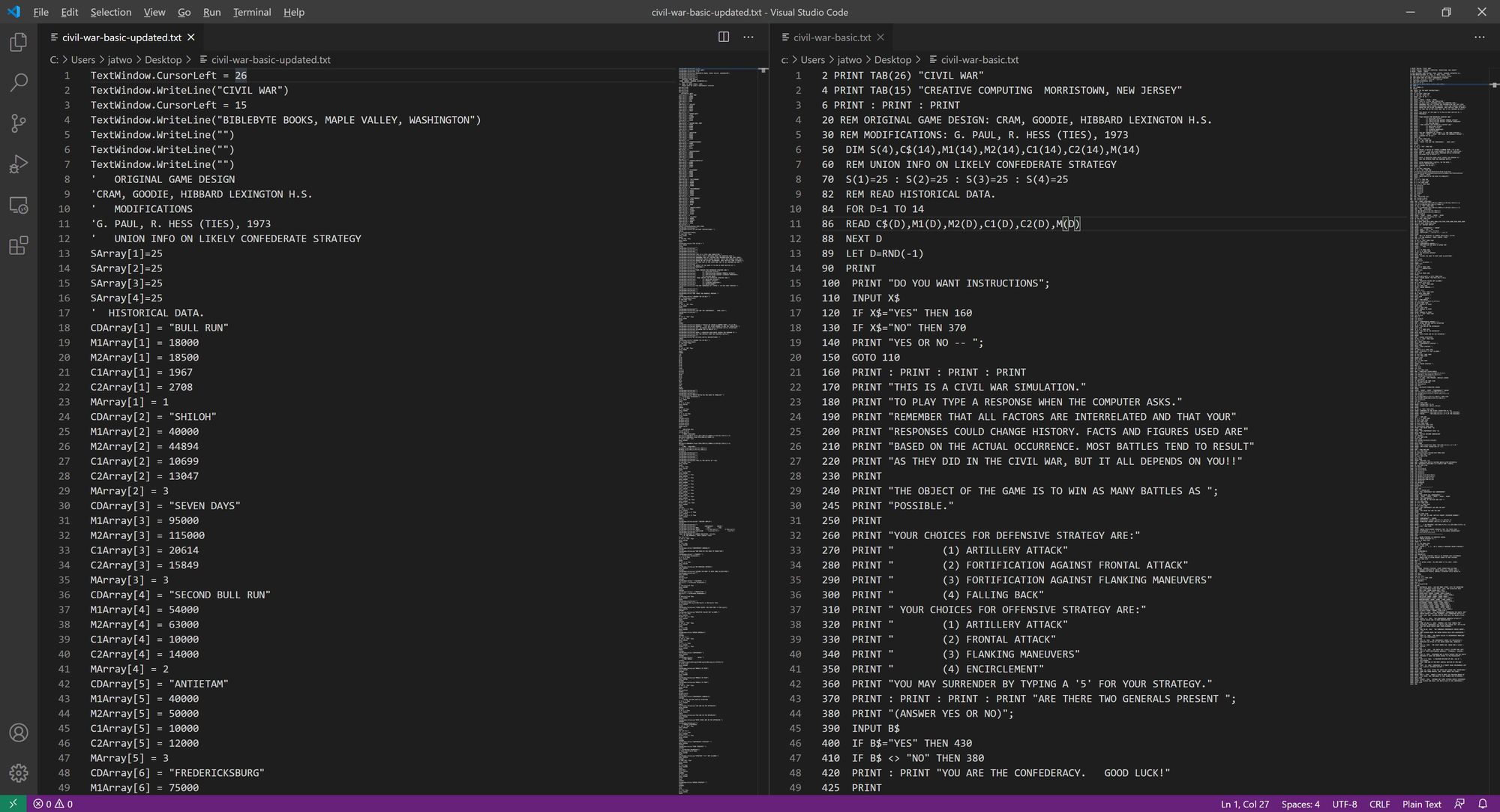
Despite its historical significance, the original BASIC code from the 1970s presents considerable challenges for contemporary programmers. The language, designed for simplicity and accessibility on limited hardware, often lacked features considered fundamental in modern programming, such as robust control structures, object-oriented principles, and, critically, subroutines. A previous attempt in 2010 to "modernize" these programs using SmallBasic largely fell short, primarily by merely removing line numbers without truly updating the underlying programming paradigms. Comparing the original 1973 BASIC "Civil War" with its 2010 SmallBasic port reveals that essential advancements, such as the use of subroutines—which Atwood hails as "merely the greatest invention in computer science"—were conspicuously absent.
Recognizing this gap, Atwood envisioned a more comprehensive modernization. His project aims to do more than just make the code runnable; it seeks to adapt the spirit of these early games to modern programming practices, emphasizing clarity, efficiency, and memory safety. This initiative required securing the blessing of the original author, David H. Ahl, a permission Atwood successfully obtained with "considerable enthusiasm." Ahl’s support underscores the enduring relevance of his work and the importance of its thoughtful preservation.
Project Scope and Technical Framework
The GitHub-hosted project is designed as a collaborative effort, inviting programmers worldwide to contribute to the translation of the 101 BASIC games. The core objective is to rewrite each game in ten distinct, memory-safe, general-purpose scripting languages. This diverse selection reflects the contemporary programming landscape and ensures broad accessibility and educational value. The chosen languages include:

- Python: Valued for its readability and extensive libraries.
- JavaScript: Ubiquitous in web development and increasingly versatile.
- Ruby: Known for its developer-friendliness and elegant syntax.
- C#: A powerful, object-oriented language popular for enterprise applications and game development.
- Go: Developed by Google, prized for its efficiency and concurrency.
- Kotlin: A modern, statically typed language that runs on the Java Virtual Machine, increasingly popular for Android development. (Initially offered as an alternative to Java).
- Rust: A systems programming language celebrated for its strong memory safety guarantees and performance. (Replaced Pascal due to its superior memory safety).
- Lua: A lightweight, embeddable scripting language, often used in game development and embedded systems. (Added after cracking the top 20 in TIOBE index).
The project specifically emphasizes memory safety, a critical concern in modern software engineering to prevent vulnerabilities and crashes. By requiring contributions in these languages, the initiative not only updates the code but also educates participants on best practices in contemporary programming. The project guidelines, detailed in the GitHub repository’s README, stress adherence to modern programming principles, including the proper use of subroutines and modular design, moving beyond the linear, often spaghetti-code structure of the original BASIC programs.
Preserving Artifacts and Fostering New Talent
Beyond the technical objectives, the project serves several broader purposes. It acts as a vital act of digital preservation, ensuring that these "precious artifacts of early computing" remain accessible and understandable for future generations. The games, though primitive by today’s standards in terms of gameplay and sophistication, represent a crucial evolutionary step in human-computer interaction and programming logic. The project also aims to preserve the aesthetic elements, including the "wonderful original art by George Beker," which accompanied the games in their initial publication.
Furthermore, the initiative is structured to foster a collaborative learning environment. Atwood consciously contrasts the solitary experience of typing code from a book in 1984 with the modern, interconnected nature of open-source development. "Imagine we’re all typing these programs in simultaneously together online, all over the world, instead of being isolated alone in our room in 1984, cursing at the inevitable typo we made somewhere when typing the code in by hand out of the book," he remarks, highlighting the transformative power of collective effort in programming.
To further encourage participation and promote diversity in tech, Atwood has pledged a significant philanthropic component. By the end of 2022, for every functioning program submitted in each of the ten designated languages, he will donate $5 to Girls Who Code, a non-profit organization dedicated to closing the gender gap in technology. This incentive not only provides a tangible reward for contributors but also aligns the project with critical social objectives in the tech industry, encouraging broader participation and supporting the next generation of female programmers.
Broader Implications and Future Outlook
The modernization of 101 BASIC Computer Games carries several important implications for the computing community. First, it underscores the enduring value of foundational texts and the importance of historical context in understanding the evolution of technology. By translating these games, the project bridges the past and present, allowing contemporary developers to appreciate the ingenuity and constraints of early programming.
Second, it serves as a practical demonstration of modern programming paradigms. The explicit requirement for memory-safe languages and the emphasis on structured programming techniques offer a hands-on lesson in how to refactor and improve legacy code, a common task in professional software development. This educational aspect is invaluable for both seasoned developers and newcomers.
Finally, the project exemplifies the power of open-source collaboration. It demonstrates how a global community can unite to achieve a common goal, leveraging diverse skills and perspectives. The call for project co-owners also highlights the need for shared leadership and organization in large-scale open-source initiatives.
As the project progresses, it is poised to create a valuable open-source resource – a living archive of computing history rendered in the languages of today. This endeavor is more than just an update; it is a re-imagining of a classic, ensuring that its legacy continues to inspire and educate programmers in an ever-evolving digital world. For many, it represents a unique opportunity to contribute to a piece of computing history, making a tangible impact on both technological preservation and future education, all while remembering that, at its heart, "this stuff is supposed to be fun."
About the Author