Jeff Atwood, co-founder of influential tech platforms Stack Overflow and Discourse, has announced a substantial philanthropic commitment, pledging eight $1 million immediate donations to non-profits and half of his remaining family wealth over the next five years to long-term efforts aimed at revitalizing the American Dream. This unprecedented move, detailed in a recent personal statement, comes at a time of escalating concerns over wealth inequality, democratic participation, and political polarization in the United States, issues Atwood believes are actively eroding the foundational promise of American life. His announcement is framed as a direct response to what he perceives as a critical juncture in American history, particularly in the aftermath of the 2024 presidential election.
The Genesis of a Pledge: A Personal Journey to Philanthropy
Atwood’s journey from humble beginnings to significant wealth profoundly shapes his philanthropic vision. He recounts a childhood rooted in the "hardscrabble rural" landscapes of West Virginia and North Carolina, a background marked by parental struggles with alcoholism and a difficult family environment. Despite these challenges, his parents, through their unconditional love, instilled in him a deep capacity for empathy and connection. This early life experience, characterized by scraping by and navigating adversity, stands in stark contrast to the wealth he later accumulated, fueling his concern for those who struggle to achieve economic stability today.
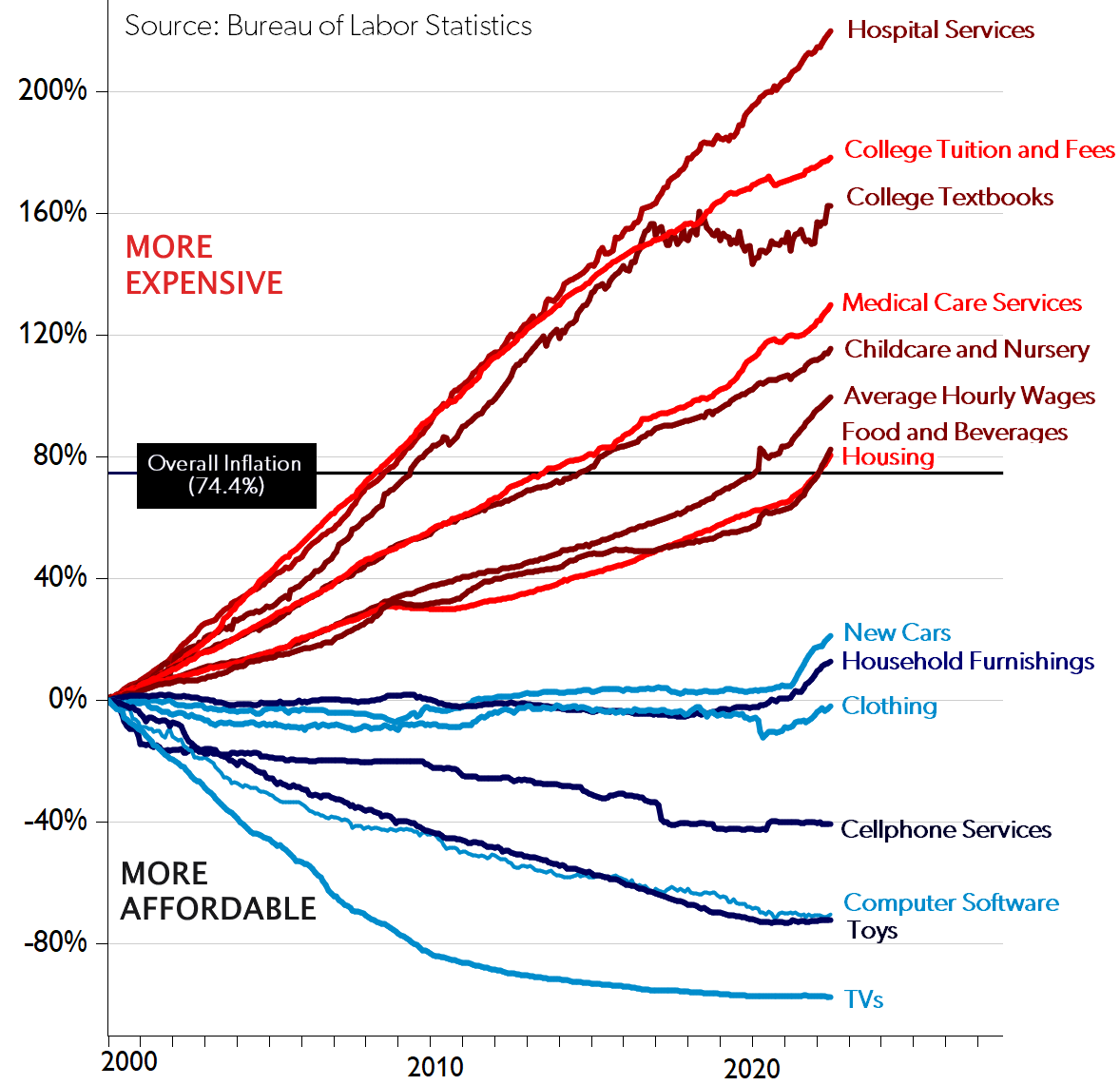
His educational path further illustrates the evolving accessibility of the American Dream. Atwood attended public schools in Chesterfield County, Virginia, and graduated from the University of Virginia in 1992, an institution founded by Thomas Jefferson. During his college years, he worked minimum wage jobs at Safeway, relying on Pell grants, scholarships, and other part-time employment to cover his tuition. At the time, annual tuition at a state school was approximately $3,000. He highlights the drastic change since then, noting that the same education now costs around $23,000 per year—an eightfold increase in three decades. This dramatic surge in educational expenses, alongside soaring costs in healthcare and housing, represents a significant barrier to entry for many aspiring Americans, making the pursuit of higher education and subsequent economic advancement increasingly difficult without substantial financial assistance or generational wealth.
Building Digital Democracies: The Tech Entrepreneur’s Path to Success
Atwood’s professional career saw him rise to prominence through co-founding two highly successful technology companies that fundamentally reshaped online communities and knowledge sharing. In 2008, he co-founded Stack Overflow, a question-and-answer platform designed for programmers worldwide. This platform was built on principles of digital democracy, allowing users to vote on questions and answers and elect community moderators through ranked-choice voting, creating a vast, shared knowledge base under a Creative Commons license. The success of Stack Overflow, later acquired for $1.8 billion, demonstrated the power of collective intelligence and democratic governance in the digital realm.
Following Stack Overflow, Atwood, with the guidance of co-founder Joel Spolsky, recognized the need for even deeper engagement and empathy in online interactions. This led to the creation of Discourse, a free, open-source tool for constructive and empathetic community discussions, also operating under Creative Commons principles. Discourse empowers communities to establish and enforce boundaries, fostering democratic governance and strong moderation to facilitate productive dialogue even amidst disagreement. Atwood views both Stack Overflow and Discourse as "projects for the public good" that happened to be successful corporations, attributing his financial rewards to a combination of hard work and good fortune—a quintessential narrative of the American Dream.

Initially, Atwood believed his substantial earnings represented the ultimate fulfillment of the American Dream. However, a profound shift in perspective began to take root, spurred by a deeper reflection on societal inequalities and the true meaning of shared prosperity.
A Deeper Understanding: "Staying Gold" and Sharing the Dream
A pivotal moment in Atwood’s evolving understanding of the American Dream came during a public high school theater performance of S.E. Hinton’s The Outsiders. While familiar with the iconic phrase "stay gold" from the 1983 film adaptation, witnessing the full narrative unfold among his community members illuminated its deeper significance: "sharing the American Dream." The play’s director articulated this sentiment in the program, emphasizing that "strength lies not just in overcoming hardships but in staying true to ourselves and lifting up those around us," and encouraging connection with "enduring themes of resilience, empathy, and unity."
This realization resonated deeply with Atwood’s belief in the founding principles of the United States, specifically the second paragraph of the Declaration of Independence, penned by the founder of his alma mater, Thomas Jefferson: "We hold these truths to be self-evident, that all men are created equal, that they are endowed by their Creator with certain unalienable Rights, that among these are Life, Liberty and the pursuit of Happiness." He posits that while these ideals are aspirational, the American Dream is not universally accessible and its meaning can be distorted, a sentiment he likens to Jimi Hendrix’s iconic, protest-laden rendition of "The Star-Spangled Banner" at Woodstock in 1969.

Challenges to the American Dream: Economic and Political Divides
Atwood’s philanthropic pledge is a direct response to what he identifies as significant threats to the American Dream, manifested in both economic and political spheres.
Economic Inequality: A Growing Chasm
He points to stark data on wealth inequality as a primary concern. In 2012, the wealthiest 1% of Americans controlled 24% of the nation’s wealth; by 2021, this figure had risen to 30%. Globally, the top 1% now hold nearly twice as much wealth as the rest of the world combined, according to Oxfam. Atwood, despite his own wealth, describes the accumulation of such extreme fortunes as "un-American," citing Pew Research data that underscores the widening gap between the rich and the rest. His personal experience of attaining significant wealth made it "unmistakably clear how unequal life is for so many of us," fostering a sense of detachment from the daily struggles faced by the majority. This perspective aligns with criticisms from various economists and social commentators who argue that unchecked wealth concentration undermines social mobility and democratic principles.
Democratic Participation and Political Polarization
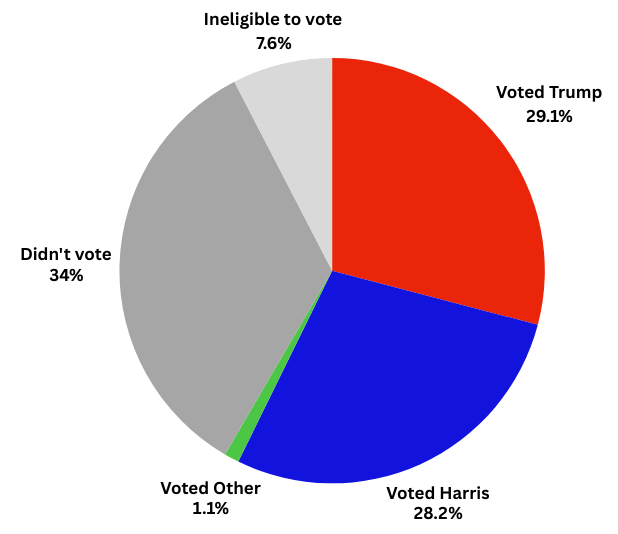
The 2024 United States presidential election served as a critical catalyst for Atwood’s accelerated philanthropic action. He notes that 34% of eligible adults did not vote, and an additional 7.6% were ineligible due to factors like non-citizenship or felony convictions. This means approximately 42% of American adults had no say in the election, raising fundamental questions about the representativeness of the democratic process. Potential contributing factors include voter suppression, gerrymandering-induced indifference, and a pervasive feeling among some citizens that their vote does not matter. The failure of the vote to "represent everyone" raises concerns about the country’s status as a leading global democracy.
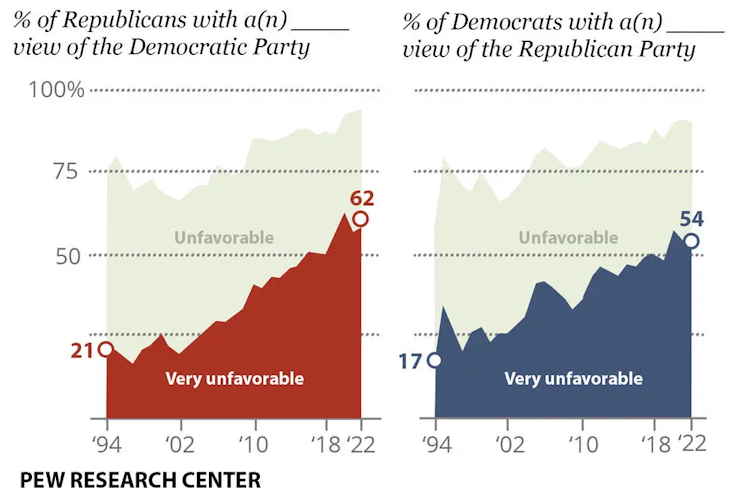
Furthermore, Atwood highlights the historically high and rising levels of political polarization within the two-party system. This deep ideological chasm, he argues, has rendered government increasingly slow and ineffective at enacting meaningful change. He points to the 26th Amendment, passed in 1971, which lowered the voting age to 18, as the last significant constitutional amendment in 60 years. Such gridlock, in his view, is "counterproductive and even dangerous," leading him to question whether Americans still share a common vision for the American Dream. The increasing divide, as depicted in various analyses of political science, often leads to legislative inertia and a decline in public trust in institutions.
Proposed Solutions for a More Inclusive Democracy
To counter these democratic deficits, Atwood proposes several concrete reforms aimed at increasing participation and strengthening the fairness of the electoral system. These include:
- Making Election Day a national holiday: This would remove a significant barrier to voting for many working individuals, ensuring they do not have to choose between their livelihood and civic duty.
- Universal mail-in voting: Expanding access to ballots through mail-in options has been shown to increase voter turnout and convenience, particularly in diverse populations.
- Adopting ranked-choice voting (RCV): This system, already implemented in some U.S. jurisdictions, allows voters to rank candidates in order of preference, potentially leading to more representative outcomes and reducing the impact of "spoiler" candidates, thereby making votes "carry more weight."
- Strengthening democratic institutions: He advocates for bolstering state and local election boards, as well as the Federal Election Commission, to ensure the integrity and fairness of elections.
Beyond structural reforms, Atwood stresses the importance of fostering empathy in an increasingly digital world. He observes that people often behave online "in ways we never would in the real world" due to the anonymity of screens. As society becomes more digital, he argues, it is crucial to "extend our kindness through that screen" to bridge divides and foster genuine understanding.
The Philanthropic Framework: A New Model for Giving
Atwood’s philanthropic strategy is not merely about giving away wealth but about actively reshaping the timeline and intent of such contributions. He acknowledges the inspiration of figures like Warren Buffett and his "Giving Pledge," which commits the majority of wealth to philanthropy. However, Atwood found this pledge "incomplete" without a clear timeline, especially noting Buffett’s amended pledge to give wealth at death to a charitable trust managed by his adult children.
For Atwood, the urgency of the present moment, particularly exacerbated by the 2024 election outcomes, demanded immediate and accelerated action. He has committed to allocating "half the wealth" he was fortunate enough to attain within the next five years, distinguishing this from the traditional "at death" model. His primary motivation is not just for his own children, for whom he plans to retain enough wealth for college and a home, but "for all my fellow Americans." This approach aligns with a growing trend among some philanthropists to deploy capital strategically and expeditiously to address pressing societal issues rather than leaving it to be distributed posthumously.
The pledge is structured in two phases:
- Immediate Relief: Eight $1 million donations have already been disbursed to non-profit groups directly supporting those in urgent need.
- Long-Term Systemic Change: The remaining half of his family’s wealth will be directed over the next five years towards efforts that address the root causes of inequality and strengthen democratic foundations, specifically an "American Dream founded on love."
Atwood explicitly contrasts two paths within the American Dream: "the path of hate" and "the path of love," invoking Martin Luther King Jr.’s philosophy on loving one’s enemies. He firmly states his family’s commitment to the latter, emphasizing that "our family pledges half our remaining wealth toward an American Dream founded on love." He encourages other Americans to contribute "however you can" to organizations effectively helping those in need and offers to "advise and empower others working towards the same goal," signaling a collaborative approach to philanthropy.
Broader Implications and a Call to Action
Atwood’s substantial pledge and accompanying manifesto underscore a growing sentiment among some tech leaders and high-net-worth individuals that private philanthropy must play a more active and timely role in addressing systemic societal issues, especially when governmental action is perceived as slow or stalled. His call for a "shared American Dream" and a democracy rooted in "love" rather than division reflects a profound concern for the nation’s future trajectory.
The implications of such large-scale, accelerated philanthropy are multi-faceted. It highlights the immense power concentrated in private hands to influence social and political landscapes. It also opens a broader discussion about the responsibilities of the wealthy in a society grappling with severe economic disparities. By focusing on both immediate relief and long-term systemic change, Atwood’s initiative seeks to bridge the gap between urgent humanitarian needs and the enduring challenges to democratic health and social equity. His public statement serves as both a personal declaration and a broader call to action, urging fellow citizens to reflect on the American Dream’s core tenets and actively participate in its preservation and expansion for all.
Atwood’s initiative will be further discussed in an upcoming blog post, "Let’s Talk About The American Dream," and he is scheduled to co-present a talk at Cooper Union with Alexander Vindman on Thursday, March 20th, at 7 pm eastern time, titled "Rebuilding the American Dream: A Path Forward." These engagements suggest an ongoing commitment to public discourse and collaborative action to address the profound challenges facing the nation.
Stay gold, America.
About the Author