In a monumental stride cementing its ambitious transmedia strategy, Atari, a name synonymous with the dawn of the video game industry, has officially partnered with Universal Pictures to transform ten of its most revered classic video game franchises into feature films. This expansive collaboration, orchestrated with the involvement of Entertainment 360, marks a significant moment for the venerated gaming brand as it seeks to extend its cultural footprint far beyond its digital origins. The announcement, dated July 27, 2026, signals a robust commitment to leveraging Atari’s rich legacy in the burgeoning market of video game adaptations.
A Deep Dive into the Deal and Featured IP
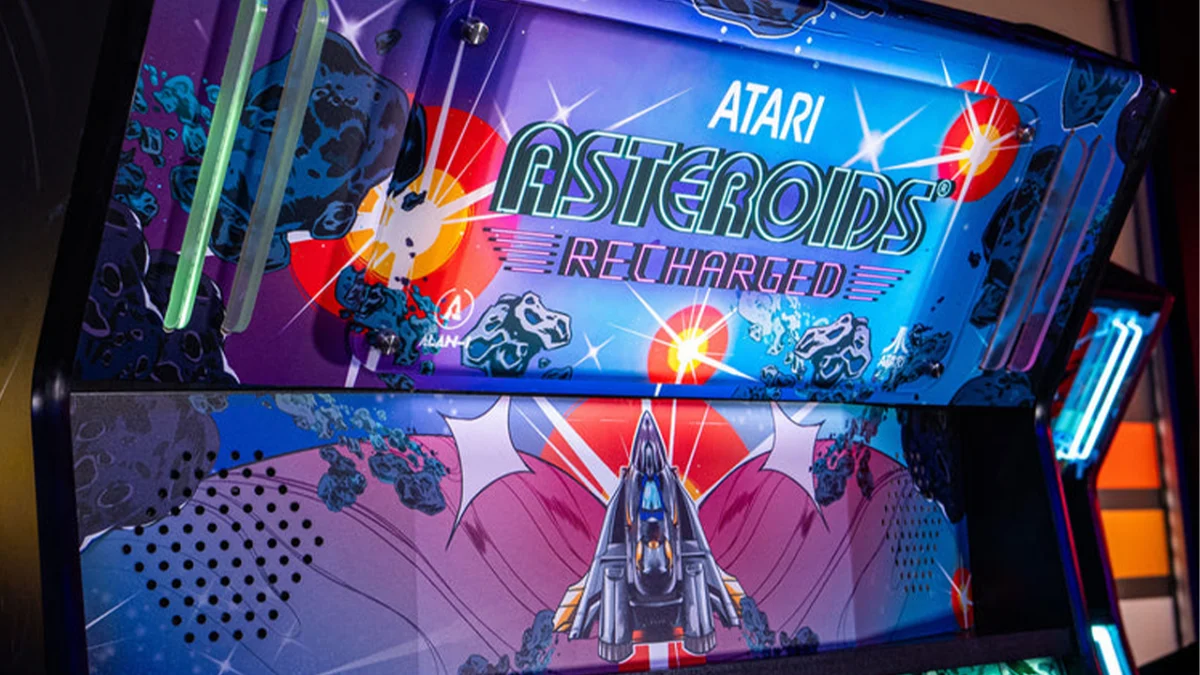
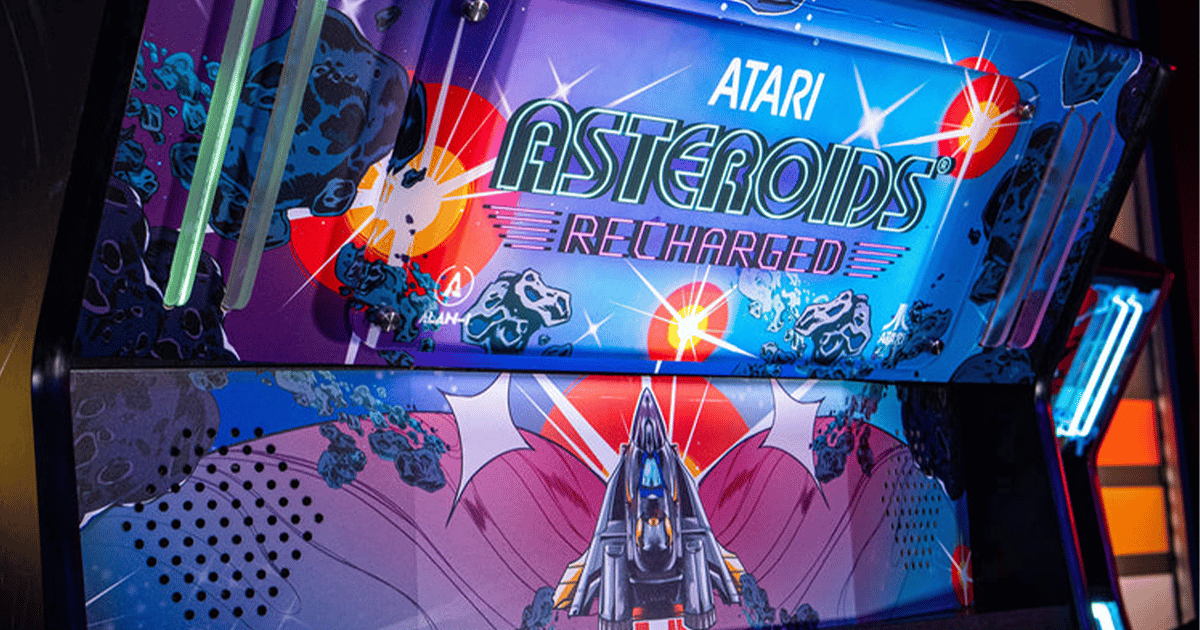
The agreement specifically targets a selection of Atari’s most iconic properties, poised for reinvention as action-adventure blockbusters. As first reported by Deadline, the intellectual properties slated for cinematic development include Asteroids, Adventure, Berzerk, Breakout, Centipede, Crystal Castles, Millipede, Missile Command, Pong, and Yars’ Revenge. This diverse portfolio represents a spectrum of arcade and early console gaming experiences, from the abstract simplicity of Pong to the more complex, narrative-lite worlds of Adventure and Yars’ Revenge. The challenge and opportunity lie in crafting compelling narratives and rich cinematic universes from games that, in many cases, were defined by their pure gameplay mechanics rather than intricate lore.
Wade Rosen, Chairman and CEO of Atari, articulated the company’s enthusiasm for this venture, stating, "For more than five decades, Atari has created games and worlds that have remained part of popular culture long after their original release. We are excited to work with Universal and Entertainment 360 to bring the spirit of our iconic brand and games to a new medium." This statement underscores Atari’s recognition of its enduring cultural impact and its strategic intent to capitalize on that legacy in contemporary entertainment landscapes.
The initial film from this ambitious slate will be shepherded by Entertainment 360’s Guymon Casady, a seasoned producer known for his work on critically acclaimed projects. The screenplay for this inaugural adaptation is set to be penned by Matt Reilly, a former Universal executive now transitioning into screenwriting, alongside Carl Hampe, a producer with credits on notable genre films like Hellboy. Both Reilly and Hampe will also serve as producers on the project, bringing a blend of studio insight and creative production experience to the forefront. This team selection suggests a deliberate approach to balancing commercial viability with a respect for the source material, albeit material that often requires substantial creative interpretation.
Atari’s Resurgence: A Strategic Renaissance Under Wade Rosen
This landmark deal is not an isolated event but rather a significant culmination of a broader strategic overhaul initiated under the leadership of CEO Wade Rosen. Since his appointment, Rosen has been vocal about repositioning Atari, famously telling Game Developer in 2024 that the company was "done being a ‘fast follower’" and intended to "strive to become a market leader." This declaration signaled a decisive pivot from simply capitalizing on nostalgia to actively shaping Atari’s future through strategic acquisitions, intellectual property expansion, and a renewed focus on innovation and preservation.
Under Rosen’s stewardship, Atari has aggressively pursued a "preservationist publisher" model, investing substantial capital in acquiring key development studios and revered intellectual properties. This strategy aims to both safeguard classic gaming history and revitalize dormant franchises for new generations. Notable acquisitions include Digital Eclipse, a studio renowned for its expertise in game preservation and restoration, acquired for up to $20 million; Nightdive Studios, developers behind the highly anticipated System Shock remake, acquired for up to $19.5 million; and Hipster Whale, the creators of the immensely popular mobile game Crossy Road. Beyond studios, Atari has also expanded its retro portfolio by acquiring rights to beloved franchises such as Chris Sawyer’s Transport Tycoon, five Wizardry titles, and the aforementioned Crossy Road. These moves collectively demonstrate a holistic approach to brand management, ensuring Atari’s relevance across various gaming segments, from retro re-releases to contemporary mobile experiences. The Universal deal represents a logical, yet bold, extension of this strategy, translating digital assets into cinematic gold.
The Expanding Universe of Game-to-Movie Adaptations
The timing of Atari’s foray into Hollywood is particularly opportune, aligning with a significant shift in the entertainment industry’s perception and success rate of video game adaptations. For decades, films based on video games were largely synonymous with critical failures and box office disappointments, often struggling to capture the essence of their interactive counterparts or appeal to broader audiences. Early examples like 1993’s Super Mario Bros. and 1994’s Street Fighter set a precedent for misfires, leading to a prevalent industry skepticism.
However, the landscape has dramatically evolved in recent years. Hollywood has begun to crack the code, with a new wave of adaptations achieving both critical acclaim and commercial success. The 2019 film Detective Pikachu demonstrated that game IP could be adapted respectfully and successfully. This was followed by the Sonic the Hedgehog film series, which garnered significant box office returns. The turning point arrived with films like 2023’s The Super Mario Bros. Movie, which grossed over $1.3 billion worldwide, becoming the highest-grossing video game film of all time and demonstrating the immense global appeal of established gaming franchises. Beyond cinema, television adaptations like HBO’s The Last of Us and Amazon Prime Video’s Fallout have achieved unprecedented critical success, proving that video game narratives can translate seamlessly into compelling serialized storytelling, attracting both loyal fans and new viewers.
This newfound success is attributed to several factors: a deeper understanding of source material, involving game creators in the production process, and a willingness to invest in high-quality storytelling and production values. The global video game market itself is a colossal industry, projected to exceed $300 billion in annual revenue by the mid-2020s, far surpassing the film and music industries combined. Tapping into this massive, engaged audience through cross-media adaptations presents an irresistible opportunity for studios like Universal, which are constantly seeking proven intellectual property to fuel their content pipelines. For Atari, this deal positions them squarely within this lucrative and growing segment, transforming their retro titles into potential tentpole franchises.
Challenges and Opportunities: Adapting Abstract Classics
While the market for game adaptations is booming, the specific choice of Atari’s classic titles presents unique creative challenges. Unlike story-rich games such as The Last of Us or Uncharted, many of the selected Atari properties – Pong, Asteroids, Breakout, Centipede, Missile Command – are arcade games defined by simple mechanics, high scores, and abstract visuals rather than character-driven narratives or deep lore.
The creative team will need to invent compelling plots, develop relatable characters, and construct intricate worlds around these minimalist premises. For instance, how does one craft a feature-length film from Pong, a game about two paddles and a bouncing ball? The answer likely lies in focusing on the spirit of the game: themes of competition, survival, precision, or even existentialism, perhaps reimagining the "ball" or "paddles" as metaphorical elements within a broader narrative. Asteroids could become a thrilling space opera, Centipede a creature feature, and Missile Command a high-stakes geopolitical thriller about preventing global annihilation. Yars’ Revenge, one of Atari’s more narratively complex early titles involving an alien insectoid fighting for its home world, offers a slightly clearer path to adaptation, though still requires significant expansion.
The success of these adaptations will hinge on the screenwriters’ ability to infuse these abstract concepts with human emotion, compelling conflict, and visually stunning effects, while retaining a recognizable connection to the original game’s core identity. This is where the creative vision of individuals like Matt Reilly and Carl Hampe will be crucial, tasked with translating simple mechanics into cinematic spectacle.
Implications for Atari, Universal, and the Industry
This collaboration carries significant implications for all parties involved and the wider entertainment industry:
- For Atari: The Universal deal is a powerful statement of intent, validating Wade Rosen’s strategic vision. It positions Atari not merely as a curator of retro games but as a dynamic IP management company capable of generating substantial revenue streams from diverse media. Success in Hollywood could dramatically elevate Atari’s brand profile, attract new generations of fans, and potentially fuel further investments in both game development and transmedia projects. It also offers a significant non-endemic revenue opportunity, diversifying the company’s financial base beyond game sales.
- For Universal Pictures: The deal provides Universal with access to a treasure trove of instantly recognizable, culturally resonant intellectual property. In an era where studios are desperate for proven brands, Atari’s catalog offers a unique blend of nostalgia and blank-slate creative potential. If successful, these films could launch new franchises, tapping into the vast global audience of gamers and those with fond memories of Atari’s golden age. This aligns with Universal’s broader strategy of developing and exploiting major global franchises.
- For Entertainment 360: As the production partner, Entertainment 360 stands to gain significant industry prestige and financial success from shepherding these projects. Their role in translating these challenging IPs into successful films will solidify their reputation as innovators in the adaptation space.
- For the Video Game Adaptation Market: Atari’s move, particularly with such abstract titles, could further broaden the scope of what is considered adaptable from the gaming world. If these films succeed, it might inspire other legacy gaming companies with minimalist IP to explore similar avenues, potentially ushering in an era of "deep cut" game adaptations alongside the more obvious narrative-driven ones. It also reinforces the notion that video game IP, regardless of its original form, holds immense value in the modern entertainment economy.
Looking Ahead: The Road to the Big Screen
While the announcement of this deal is a momentous occasion, the journey from classic game to cinematic blockbuster is long and arduous. The success of the first film, currently in development, will be paramount in setting the tone and trajectory for the subsequent nine adaptations. Audiences and critics alike will be scrutinizing how the creative team navigates the inherent challenges of adapting games like Pong or Asteroids into compelling narratives.
Atari’s bold gamble with Universal Pictures represents a fascinating chapter in its storied history. From pioneering the arcade and home console markets to navigating decades of corporate shifts, Atari is now charting a course into the heart of Hollywood. This strategic pivot, driven by a clear vision for IP utilization and brand expansion, signals that the company is not merely content to rest on its nostalgic laurels but is actively striving to redefine its legacy for the 21st century. The outcome of these cinematic ventures will undoubtedly be watched closely by the entire entertainment industry, potentially heralding a new golden age for classic gaming IP on the silver screen.
About the Author