The extended reality (XR) industry is currently navigating a complex period of transition characterized by heightening public scrutiny over privacy, significant corporate realignments, and the emergence of next-generation hardware prototypes. Recent reports from major media outlets, alongside internal shifts at global technology firms like Lenovo and Luxottica, suggest that the path toward mainstream augmented reality (AR) and virtual reality (VR) adoption remains fraught with social and economic challenges. While hardware innovation continues to advance, the industry must now contend with a "VR Winter" and a growing public backlash against wearable camera technology.
Privacy Concerns and the Social Backlash Against Smartglasses
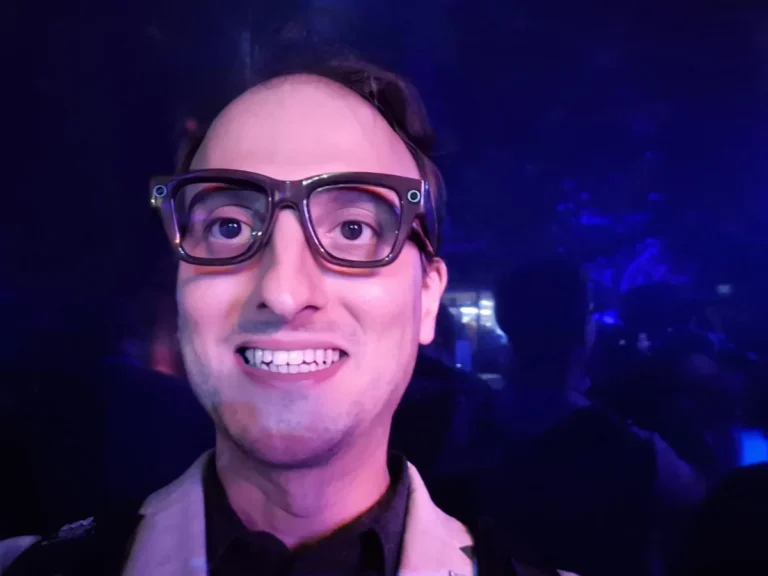
The rise of AI-integrated smartglasses, most notably the Ray-Ban Meta collection, has reignited a fierce debate regarding public surveillance and individual privacy. Reports from Engadget and The Guardian have highlighted an emerging negative sentiment toward these devices, with some critics labeling them "pervert glasses." This terminology stems from documented instances where the devices were used to record individuals without their consent.
A primary technical concern involves the recording LED—a small light designed to notify bystanders when the camera is active. Investigative reports indicate that users have found ways to tamper with or obscure this light, effectively bypassing the primary privacy safeguard built into the hardware. Furthermore, Meta’s data-handling practices have faced renewed scrutiny following reports that private images captured by the glasses were sent to human reviewers in Nigeria for AI training purposes, and concerns regarding the potential activation of facial recognition software.
This social friction mirrors the "Glasshole" era of 2013, when Google Glass faced similar resistance. However, the current backlash is intensified by the ubiquity of AI and the seamless integration of these cameras into fashionable eyewear. While some members of the VR community maintain that public usage has not yet resulted in widespread confrontation, the press suggests that content creators are increasingly hesitant to wear the devices in public spaces for fear of being perceived as intrusive.

Strategic Realignment: Lenovo Pivots to Consumer AI Wearables
In a significant move reflecting the current volatility of the XR market, Lenovo has confirmed the dissolution of its dedicated XR business division in the United States. This decision marks a departure from the company’s "business-first" strategy, which was previously executed under the ThinkReality brand.
Lenovo issued an official statement clarifying its new direction: "As the XR market evolves, we see stronger momentum and broader consumer adoption around AI-enabled wearables. As a result, Lenovo is transitioning from a business-first XR strategy… to a more consumer-focused approach within Motorola."
This restructuring is largely attributed to two factors:
- Market Contraction: The broader "Winter of VR" has seen a slowdown in enterprise adoption of high-end headsets.
- Meta Partnership Changes: Reports indicate that Meta recently canceled a planned high-end headset project that Lenovo was developing for the Horizon OS ecosystem.
By centralizing its wearable efforts under Motorola, Lenovo aims to create a unified "Personal AI" experience that bridges the gap between smartphones, tablets, and AI-native consumer wearables.
Luxottica Strengthens Vertical Integration Through Lynx Acquisition
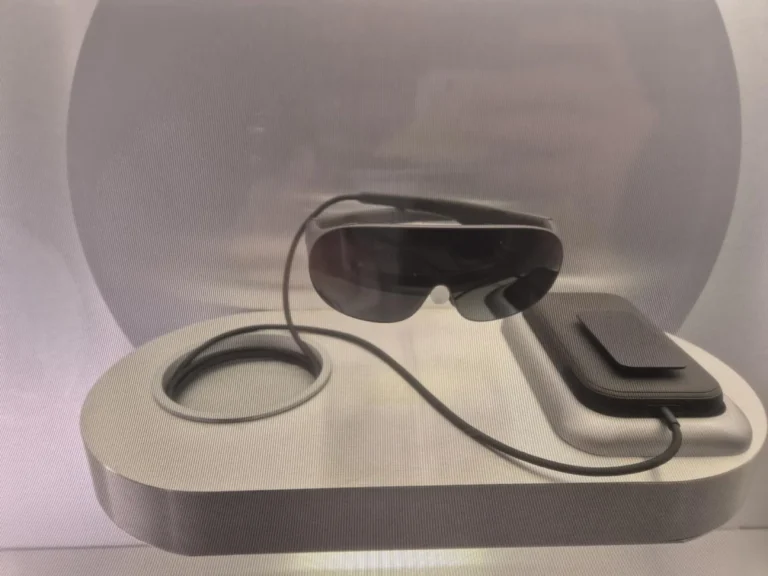
The consolidation of the XR hardware market continues as EssilorLuxottica, the world’s largest eyewear company, has officially acquired the assets of the liquidated French startup Lynx. Stan Larroque, the founder and CEO of Lynx, confirmed that Luxottica now owns the company’s intellectual property and has rehired the majority of its engineering staff.

This acquisition is strategically significant for several reasons:
- Technological Independence: While Luxottica currently partners with Meta for the Ray-Ban smartglasses, owning Lynx’s sophisticated AR/VR passthrough technology provides Luxottica with a "Plan B" should the partnership with Meta dissolve.
- R&D Expansion: The move suggests that Luxottica is moving beyond being a mere frame manufacturer and is positioning itself as a legitimate hardware developer in the spatial computing era.
- Impact on Backers: While the technology is preserved, the acquisition offers little recourse for the original Kickstarter backers and investors of the Lynx R1 headset, many of whom will not receive the hardware or a return on their investment.
Hardware Innovations: From Military Prototypes to Valve’s SteamVR Updates
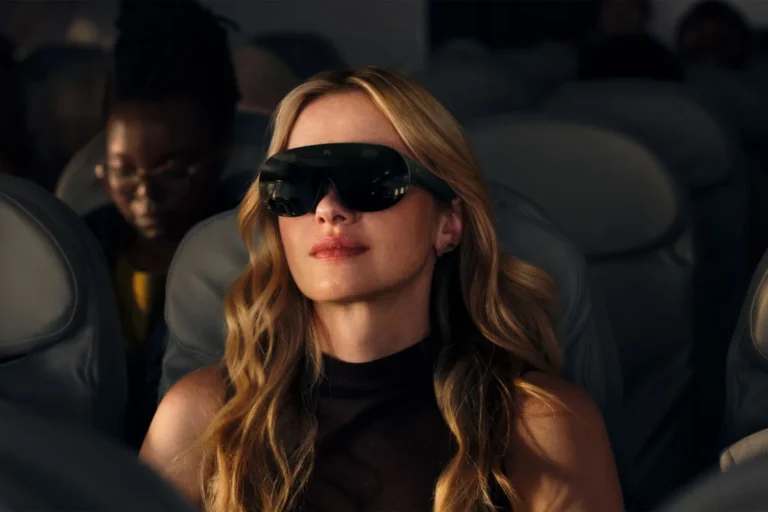
Despite corporate setbacks elsewhere, hardware innovation remains a point of interest for industry observers. Palmer Luckey, the founder of Oculus and current head of defense tech firm Anduril, recently teased a prototype of ultra-thin AR glasses. Luckey claims these glasses offer full-color displays and a wide field of view (FOV) within a form factor nearly indistinguishable from standard eyewear. While these are currently intended for military applications and likely carry a cost prohibitive for consumers, they represent a significant leap in optical engineering.
Simultaneously, Valve has released a substantial update to SteamVR, featuring a redesigned dashboard and improved interface. Analysts interpret this as a foundational step for the launch of the long-rumored "Steam Frame" (often referred to in leaks as "Deckard"). However, Valve representatives have cautioned that the global hardware market is facing a "memory crisis," with component prices expected to rise in the coming months. This suggests that when Valve’s next-generation headset does arrive, it may carry a premium price tag.
The Expansion of XR into Training and Storytelling
Beyond consumer hardware, XR technology is finding deeper roots in specialized sectors such as education and high-end storytelling.
Gaussian Splatting in Enterprise Training
Gracia, a leader in volumetric video, has collaborated with Imperial College London to implement Gaussian Splatting for technical training. By recording high-fidelity volumetric videos of complex tasks—such as PCB soldering—students can observe the process from any angle in 3D space. This application demonstrates the potential for AI-driven 3D reconstruction to replace traditional 2D instructional videos in medical and engineering fields.

Venice Immersive 2024
The intersection of technology and art will be showcased at the upcoming Venice Immersive event in September. The selection committee has announced a lineup of 68 projects from 26 countries, highlighting the continued growth of XR as a medium for narrative storytelling. This event remains a critical barometer for the health of the creative XR ecosystem.
Industry Chronology: Key Events of the Quarter
- April 2024: Lynx enters judicial liquidation following funding difficulties.
- May 2024: Reports surface regarding Meta’s data-handling practices in Nigeria concerning smartglasses images.
- June 2024: Lenovo begins internal restructuring of its US-based ThinkReality team.
- July 2024: Luxottica confirms the acquisition of Lynx assets; Valve updates SteamVR; major outlets publish reports on the "pervert glasses" backlash.
Broader Implications and Market Outlook
The XR industry is currently at a crossroads. The transition from "Glassholes" to "perverts" in the public lexicon indicates that tech companies have yet to solve the social acceptance problem inherent in face-worn cameras. Until privacy-first hardware solutions—such as physical camera shutters or unhackable notification lights—become industry standards, public pushback may continue to hinder adoption.
Furthermore, the shift from enterprise-focused VR (Lenovo) to consumer-focused AI wearables suggests that the industry believes the "killer app" for XR lies in daily AI assistance rather than high-end virtual workstations. As Luxottica builds its internal tech stack and Valve prepares for its next hardware cycle, the remainder of 2024 will likely be defined by a consolidation of power among a few key players capable of weathering the current economic "winter."
About the Author