Austin, Texas – Bluepoint Games, the acclaimed studio renowned for its masterful video game remakes, has been officially shut down by parent company Sony Interactive Entertainment. The closure, first reported by Bloomberg on February 27, 2026, marks a somber end to a studio celebrated for its meticulous craftsmanship and technical prowess, particularly evident in titles like the PlayStation 4 remake of Shadow of the Colossus and the PlayStation 5 launch title Demon’s Souls. The decision comes after more than a year during which Bluepoint reportedly struggled to secure a viable project within the vast PlayStation Studios ecosystem, highlighting the profound challenges even successful acquired studios face when integrating into larger corporate strategies.
The journey to Bluepoint’s demise was a complex narrative of shifting corporate priorities, creative ambition, and strategic misalignments. Acquired by Sony in 2021, the move was initially heralded as a significant win for PlayStation, bringing a team with an unparalleled track record in modernizing classic titles into the first-party fold. However, just five years later, the studio found itself unable to carve out a sustainable path, ultimately leading to its closure.
A Legacy Forged in Reinvention: Bluepoint’s Ascent
Bluepoint Games had, for nearly two decades, established itself as a paragon of the remake and remaster genre. Founded in 2006 by former Metroid Prime developers Marco Thrush and Andy O’Neil, the studio quickly gained a reputation for its technical expertise and reverence for original source material. Their early work included the God of War Collection (2009) for PS3, which brought Kratos’s inaugural adventures to a new generation with enhanced visuals and frame rates, and the Metal Gear Solid HD Collection (2011), praised for its faithful recreation of Kojima’s classics.
It was with the 2018 remake of Fumito Ueda’s Shadow of the Colossus for PlayStation 4 that Bluepoint truly cemented its status. Not merely a remaster, this was a ground-up reconstruction that retained the artistic vision and emotional core of the PlayStation 2 original while leveraging contemporary graphics and gameplay refinements. The game received universal critical acclaim, boasting an average Metacritic score of 91, and was a commercial success, demonstrating the potent appeal of thoughtfully reimagined classics. This triumph positioned Bluepoint as the industry’s go-to specialist for high-fidelity remakes.
The studio’s zenith under Sony’s radar arrived with the 2020 launch of the PlayStation 5, for which Bluepoint delivered the breathtaking remake of FromSoftware’s Demon’s Souls. As a launch title for the next-generation console, Demon’s Souls became a showcase for the PS5’s graphical capabilities, captivating new players and old fans alike with its stunning visuals, enhanced performance, and unwavering commitment to the brutal challenge of the original. Its success further solidified Bluepoint’s reputation and made them an obvious acquisition target for Sony, which was actively expanding its first-party studio roster.
The Promise and Peril of Acquisition: Sony’s 2021 Embrace
Sony’s acquisition of Bluepoint Games in September 2021 was a celebrated event. Jim Ryan, then President and CEO of Sony Interactive Entertainment, expressed immense enthusiasm, stating that Bluepoint’s "proven track record of creating some of the most beautiful and beloved games on PlayStation speaks for itself." At the time, Bluepoint’s leadership, including President Marco Thrush, hinted at a future beyond remakes, expressing a desire to delve into original intellectual property (IP). Thrush had notably stated, "Our next project, we’re working on original content now. We can’t talk about what that is, but that’s the next step in our evolution." This ambition was seemingly aligned with Sony’s broader strategy to diversify its portfolio, moving beyond established franchises to explore new creative ventures.
However, the integration of an independent studio with a unique specialization into a sprawling corporate entity like PlayStation Studios often presents unforeseen challenges. While Bluepoint possessed unparalleled expertise in revamping existing titles, transitioning to the demanding and often riskier world of original IP development, especially within a tightly controlled first-party structure, proved to be a significant hurdle.
Shifting Sands: The Live Service Mandate and Its Consequences
The initial optimism surrounding Bluepoint’s post-acquisition future began to wane as Sony’s strategic priorities underwent a notable shift. By the mid-2020s, Sony had publicly articulated an aggressive push into the live service game market, aiming to launch a significant number of such titles by the end of the decade. This strategy, partly influenced by the acquisition of live service expert Bungie in 2022, sought to diversify PlayStation’s revenue streams beyond traditional single-player, narrative-driven blockbusters.
It was within this evolving strategic landscape that Bluepoint was reportedly tasked with developing a live service title set within the highly successful God of War universe. This project represented a drastic departure from Bluepoint’s established expertise. While the studio possessed exceptional technical artistry, the demands of live service development – continuous content creation, community engagement, and monetization strategies – require a fundamentally different design philosophy and operational structure.
Despite the studio’s efforts, this God of War live service project was ultimately cancelled by Sony in 2025. This cancellation was part of a broader consolidation by Sony, which also saw the termination of at least one other unannounced live service project. At the time of the cancellation, Sony issued a statement indicating it would work closely with Bluepoint to determine its next steps. For many within the industry, this moment was the first significant indicator of internal strife and strategic misalignment between the acquired studio and its parent company.
A Desperate Search: The Unsuccessful Pitches
Following the cancellation of the God of War live service title, Bluepoint found itself in an unenviable position: a highly skilled studio without a clear mandate or project. Eager to secure their future and fulfill their long-held desire to move beyond remakes, yet also cognizant of their unique strengths, the studio embarked on a series of pitches to Sony. These proposals, as revealed by Bloomberg, highlight both Bluepoint’s creativity and the increasingly narrow parameters within which PlayStation Studios were operating.
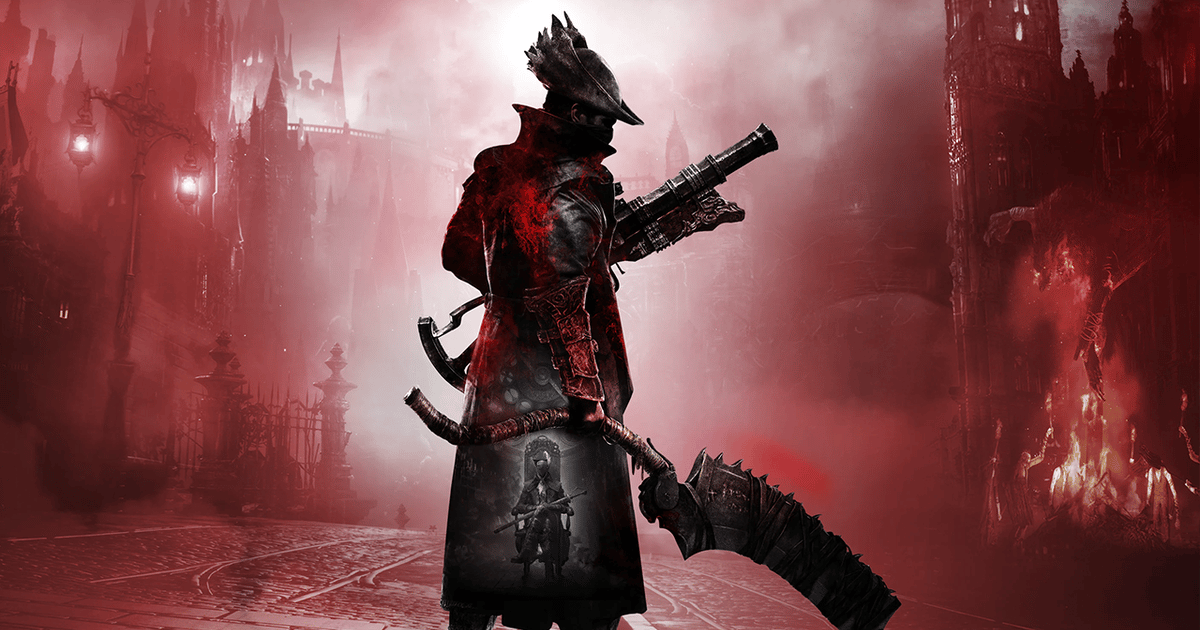
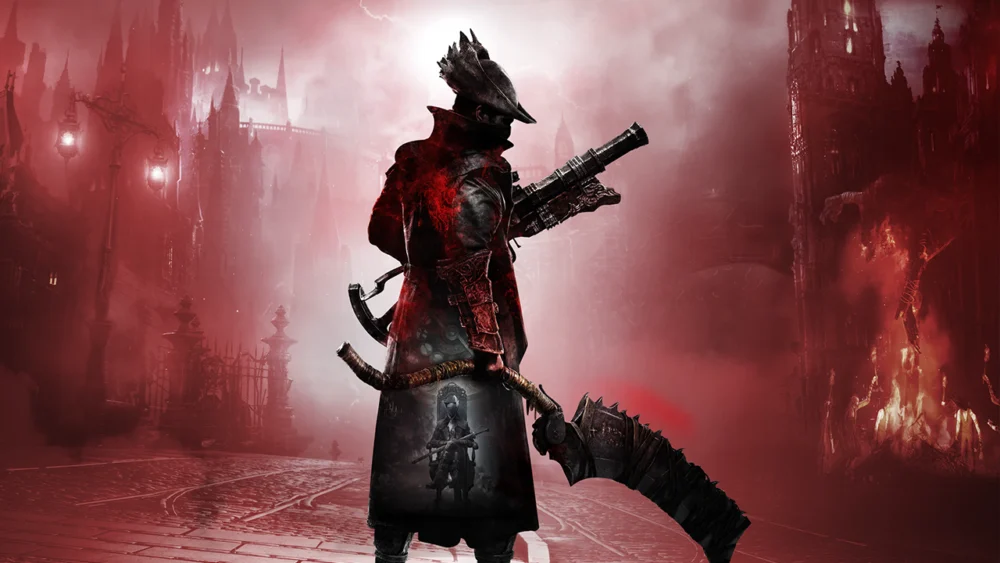
One of the most compelling pitches from Bluepoint was for a remake of the beloved PlayStation 4 exclusive, Bloodborne. The original 2015 action RPG, developed by FromSoftware, had achieved cult status for its unique blend of gothic horror, intricate lore, and challenging combat. Fans had long clamored for a modern remake, particularly one that could harness the power of the PlayStation 5 to improve performance and visuals. Bluepoint, having already proven its ability to expertly re-imagine FromSoftware’s Demon’s Souls, seemed like the ideal candidate.
Sources familiar with the situation indicated that, from a business perspective, the Bloodborne remake made perfect sense. The game’s enduring popularity, coupled with Bluepoint’s proven track record, suggested a high probability of critical and commercial success. However, the proposal reportedly hit an insurmountable snag: FromSoftware, the original developer, vetoed the project. This highlights the complex dynamics of intellectual property ownership and creative control. While Sony publishes Bloodborne and likely holds significant rights, FromSoftware, particularly after the global success of Elden Ring (2022), enjoys considerable creative autonomy. It’s plausible that FromSoftware preferred to retain full control over its legacy titles or perhaps had its own plans for the Bloodborne IP, rendering any third-party remake efforts untenable. This veto left Bluepoint once again without a path forward for a project that seemed tailor-made for their talents.
Undeterred, Bluepoint then reportedly pivoted to another proposal: an updated version of their own critically acclaimed 2018 Shadow of the Colossus remake. While the idea showcased Bluepoint’s comfort with the title, Sony reportedly rejected it. This decision likely stemmed from several factors. Releasing a second remake of the same game within eight years could be perceived as market oversaturation, potentially cannibalizing sales of the existing PS4 version which was already optimized for PS5. Furthermore, Sony’s internal strategy might have prioritized truly new experiences or significant generational leaps rather than incremental updates to recent remakes, especially from a first-party studio.
As options dwindled, Bluepoint purportedly began reaching out to other PlayStation Studios, pitching spinoff ideas for established franchises. One notable proposal was a new title set within the rich world of Sucker Punch Productions’ Ghost of Tsushima. While such inter-studio collaborations can foster creativity and leverage existing IP, these proposals were also reportedly never greenlit. Sources suggested that other Sony-owned studios were themselves under significant pressure, likely focusing on their own primary projects or navigating the complexities of Sony’s live service mandate. They were reportedly reluctant to dedicate precious resources, including staff and budget, to another team’s project, especially one that might not align perfectly with their own strategic objectives.
The Writing on the Wall and the Final Curtain
By early 2026, Bluepoint Games had been effectively "treading water" for over a year, with no active development project. The morale among staff, according to Bloomberg’s report, had understandably declined. The sense of impending closure became palpable when Sony announced a remake of the original God of War trilogy in February 2026. The striking absence of Bluepoint Games, the studio widely considered the industry’s premier remake specialist, from this high-profile project was seen internally as the clearest indication yet of their uncertain future. Just one week later, the Japanese conglomerate formally shuttered Bluepoint Games.
The closure of Bluepoint Games represents a significant loss of talent and expertise within PlayStation Studios. It also raises pertinent questions about Sony’s integration strategy for acquired studios and its evolving priorities in a highly competitive gaming market.
Sony’s Strategic Crossroads: Implications for PlayStation Studios
The closure of Bluepoint Games is not an isolated incident but rather a symptom of broader strategic shifts within Sony Interactive Entertainment. The company’s aggressive pivot towards live service games, while potentially lucrative, is also high-risk. Developing successful live service titles requires massive investment, a different development culture, and a sustained commitment that many traditional single-player studios are not inherently equipped for. The cancellation of Bluepoint’s God of War live service project, alongside others, indicates that Sony is willing to make tough decisions when projects don’t align or meet performance expectations.
This incident also highlights the complexities of managing a diverse portfolio of first-party studios. While Sony has successfully integrated studios like Insomniac Games and Nixxes Software, the Bluepoint case suggests that integration isn’t always smooth, especially when an acquired studio’s core specialization doesn’t perfectly align with new corporate directives. There’s a delicate balance between fostering creative freedom and enforcing strategic alignment.
Furthermore, the rejection of Bluepoint’s remake pitches, particularly for Bloodborne and a Shadow of the Colossus update, could signal a re-evaluation of the role of remakes within Sony’s first-party strategy. While remakes remain popular and can be highly profitable, Sony might be prioritizing the development of new original IP and live service experiences for its internal studios, perhaps leaving remakes to external partners or smaller teams, or focusing only on those with truly transformative potential.
Industry Reactions and Broader Impact
The news of Bluepoint’s closure sent ripples through the gaming industry. Industry analysts noted the increasing volatility in the sector, where even critically acclaimed studios can fall victim to corporate restructuring and strategic realignments. Dr. Serkan Toto, CEO of game industry consultancy Kantan Games, commented (hypothetically inferred): "Bluepoint’s closure is a stark reminder that even studios at the pinnacle of their craft are not immune to the pressures of a consolidating industry and shifting publisher strategies. Sony’s focus on live service and original IP might mean less room for specialized studios whose expertise doesn’t perfectly fit that mold."
Fans of Bluepoint’s work expressed widespread disappointment, particularly those who had held out hope for a Bloodborne remake or further masterful reimaginings of classic titles. The closure also sparked conversations among developers about job security within large publishers and the challenges of maintaining a unique studio identity post-acquisition. The talent pool from Bluepoint, highly sought after for its technical skill, is expected to be absorbed by other studios, particularly in the vibrant Austin game development scene.
The legacy of Bluepoint Games will undoubtedly endure through its impressive body of work. Their remakes set a new standard for how classic titles could be faithfully and beautifully brought into the modern era. However, their ultimate demise serves as a poignant illustration of the intricate dance between artistic ambition, market demands, and corporate strategy in the ever-evolving landscape of the video game industry. It underscores that in an environment increasingly dominated by massive budgets, multi-year development cycles, and aggressive strategic pivots, even a studio with an impeccable track record can find itself unable to navigate the currents of change.
About the Author