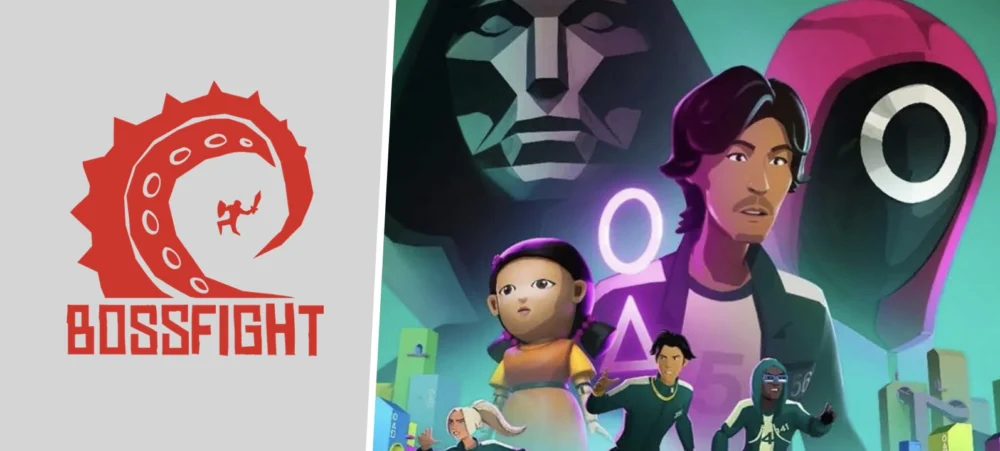
The landscape of the interactive entertainment industry has witnessed a significant shift as the leadership team behind the formerly Netflix-owned Bossfight Entertainment has announced the studio’s return to independent status. Operating under the streamlined name Bossfight, the Dallas-based developer is re-establishing its presence in the market just months after its previous incarnation was shuttered by the streaming giant. This transition marks a pivotal moment for the studio’s founders, who are pivoting away from the corporate umbrella of Big Tech to return to their roots as an agile, independent developer focused on cross-platform experiences for PC and mobile devices.
Led by original founders David Rippy (CEO), Bill Jackson (Chief Product Officer), and Scott Winsett (COO), the reformed Bossfight aims to recapture the creative autonomy that defined its early years. The studio, which gained prominence for its mobile hit Dungeon Boss and more recently developed the high-profile Squid Game: Unleashed for Netflix, is currently working on an unannounced title. According to official statements from the company, this new project is designed to uphold the team’s long-standing commitment to building accessible, community-driven games. The move comes at a time of broader volatility within the gaming industry, where many veteran developers are opting for "lean" operational models to navigate shifting market demands and investment climates.
A Chronological Overview of Bossfight’s Evolution
The trajectory of Bossfight is deeply intertwined with the broader history of the Dallas game development scene. The studio’s core leadership team comprises industry veterans whose experience dates back to Ensemble Studios, the legendary developer responsible for the Age of Empires franchise. Following the closure of Ensemble by Microsoft in 2009, many of these developers transitioned to Zynga with the formation of Bonfire Studios, which eventually evolved into Bossfight Entertainment in 2013.
In 2015, Bossfight Entertainment achieved significant commercial and critical success with the launch of Dungeon Boss, a mobile collection-based battler that became a staple of the RPG genre on iOS and Android. The game’s success caught the attention of major industry players, eventually leading to a pivotal acquisition. In March 2022, Netflix announced it had acquired Bossfight Entertainment as part of its aggressive expansion into the gaming sector. At the time, Netflix was seeking to bolster its internal development capabilities to support its burgeoning "Netflix Games" subscription offering.
Under Netflix’s ownership, Bossfight was tasked with leveraging the streaming service’s most valuable intellectual properties. This culminated in the development and 2024 launch of Squid Game: Unleashed, a multiplayer party game heavily inspired by the mechanics of Fall Guys and the narrative themes of the hit Korean drama. However, despite the high-profile nature of the project, Netflix underwent a strategic re-evaluation of its gaming division in late 2024 and 2025. This internal shift led to the closure of Bossfight Entertainment in October 2025, a move that resulted in approximately 80 employees being laid off and the dissolution of the studio as a Netflix subsidiary.
The re-emergence of the studio as simply "Bossfight" in the wake of these events represents a rapid turnaround. By reclaiming their brand and independence, Rippy, Jackson, and Winsett are signaling a return to the "startup" mentality that characterized the studio’s most productive years prior to the acquisition.
Data and Context: The Volatile Market of Gaming Acquisitions
The story of Bossfight is emblematic of a larger trend within the gaming industry regarding the cycle of acquisition and subsequent divestment or closure. Between 2021 and 2023, the industry saw an unprecedented wave of consolidation, fueled by low interest rates and a pandemic-era surge in gaming engagement. Netflix was a primary participant in this trend, acquiring not only Bossfight but also Next Games (developers of The Walking Dead: No Man’s Land), Spry Fox (creators of Cozy Grove), and Night School Studio (the team behind Oxenfree).
However, the "post-acquisition" phase has proven challenging for many studios. Industry data from 2024 and 2025 suggests that large-scale entertainment conglomerates have begun to tighten their belts as the cost of capital has risen and the growth of mobile gaming subscriptions has stabilized. The closure of Bossfight by Netflix was not an isolated incident; it mirrored a broader industry contraction that saw over 10,000 layoffs across the global gaming sector in 2024 alone.
Analysts suggest that for studios like Bossfight, the transition to a "lean, core team" model is a survival strategy. By operating with a smaller internal staff and utilizing external partners for scaling, independent studios can mitigate the high overhead costs that often lead to closures under corporate ownership. This model allows for greater financial flexibility while maintaining the creative vision of the core leadership. The studio’s decision to target both PC and mobile platforms for its next project is also data-driven, reflecting the increasing convergence of these two markets as cross-play and cross-progression become standard expectations for modern gamers.
Leadership Vision and Official Responses
The return to independence has been framed by the studio’s leadership as a "reunion" of the talent that built the company’s original reputation. CEO David Rippy emphasized the importance of the team’s shared history, noting that the leadership has worked together for over a decade across various iterations of the studio. According to Rippy, the goal of the new Bossfight is to return to the core principles that guided them from the start: building games with lasting communities and high engagement.
Chief Product Officer Bill Jackson provided further insight into the studio’s creative philosophy, which he described as centered on creating experiences that are "simple, beautiful, and fun." Jackson noted that while the studio’s recent history was heavily focused on mobile platforms due to the Netflix acquisition, the team is eager to return to the PC market. This move is a nod to the founders’ origins in PC strategy gaming and suggests that the upcoming unannounced title may bridge the gap between the accessibility of mobile gaming and the depth of PC experiences.
While Netflix has not issued an extensive public comment regarding the specific reasons for closing the studio in October 2025, industry observers point to a shift in Netflix’s gaming strategy toward more centralized, AAA-focused internal development or a greater reliance on licensed third-party titles. The departure of the Bossfight leadership to reform their own entity suggests an amicable but definitive break from the corporate structure of the streaming giant.
Broader Implications for the Gaming Industry
The re-emergence of Bossfight as an independent entity carries several implications for the future of game development. First, it highlights the resilience of the Dallas, Texas gaming hub. Dallas has long been a center for mid-to-large-scale development, and the survival of the Bossfight brand ensures that the region remains a competitive player in the national landscape.
Second, the move underscores a growing trend of "re-independence" among veteran developers. As the era of mass consolidation slows, many experienced creators who sold their studios to larger entities are finding that the corporate environment may not always align with the fast-paced, iterative nature of game design. By reforming as an independent studio, the Bossfight team is part of a growing movement of developers reclaiming their IPs and operational control.
Furthermore, the studio’s focus on a "lean" team indicates a shift in how games are being built in 2025. Rather than maintaining massive internal workforces that are subject to layoffs when projects conclude, the new Bossfight model prioritizes a small, highly skilled core team that leverages the global "work-for-hire" ecosystem to scale up during peak production periods. This approach is increasingly seen as a more sustainable way to manage the risks inherent in game development.
The industry will be watching closely to see if Bossfight can replicate the success of Dungeon Boss without the financial backing of a company like Netflix. However, the founders’ track record suggests a deep understanding of market trends and player behavior. As details regarding their first independent game are expected to be released in the coming months, the studio’s return serves as a case study in the cyclical nature of the business—where closures are often not the end, but rather a catalyst for a new beginning.
In conclusion, Bossfight’s transition from a corporate subsidiary back to an independent developer is a testament to the enduring value of veteran leadership and a clear creative vision. By streamlining their operations and returning to a multi-platform strategy, the founders of Bossfight are positioning themselves to navigate a complex market with the same agility that first brought them success over a decade ago. The upcoming project will likely serve as a litmus test for whether independent studios can still thrive in a market increasingly dominated by massive franchises and subscription services.
About the Author