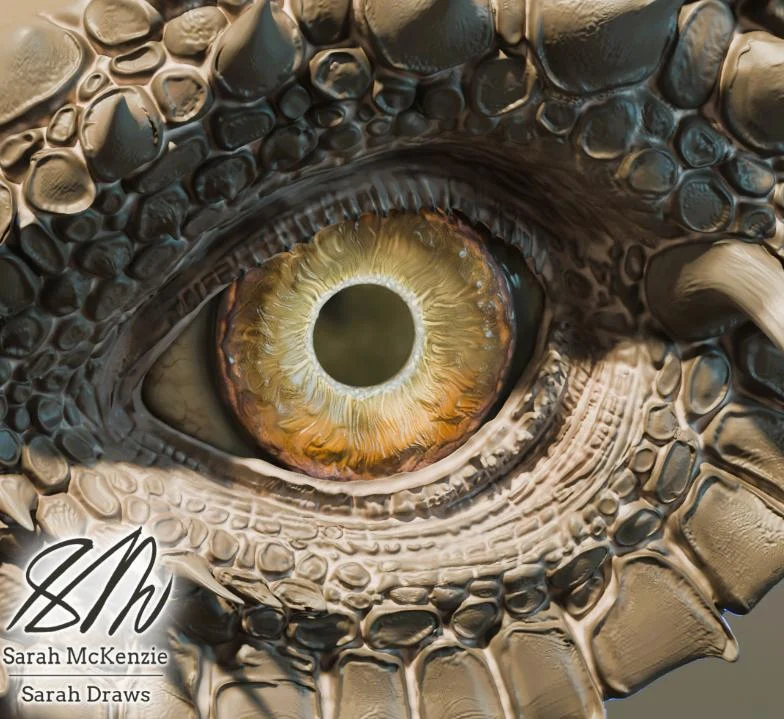
Every week, hundreds of artists share their work on the Blender Artists forum. This installment spotlights exceptional creations from the Smaugust 2026 event, a testament to the vibrant and evolving community of 3D artists utilizing the open-source Blender software. The featured artwork, a meticulously crafted dragon’s eye study, exemplifies the high caliber of digital art being produced and shared within the global Blender community.
Smaugust 2026: A Digital Menagerie of Mythical Creatures
Smaugust, a portmanteau of "Smaug" (the dragon from J.R.R. Tolkien’s The Hobbit) and "August," has emerged as a popular annual online art challenge. Primarily driven by artists on platforms like ArtStation and social media, the event encourages participants to create dragon-themed artwork throughout the month of August. While the origins of the broader Smaugust challenge are difficult to pinpoint to a single inception date, its popularity has steadily grown in recent years, attracting both seasoned professionals and emerging artists eager to hone their skills and engage with a like-minded community.
The Blender Artists forum, a long-standing hub for users of the free and open-source 3D creation suite Blender, serves as a crucial showcase for many artists participating in such challenges. The forum, established in 2006 by Bart van der Wolf, has become a cornerstone of the Blender ecosystem, fostering collaboration, critique, and the dissemination of knowledge. This particular dragon eye study, submitted during Smaugust 2026, represents just one of the many impressive submissions that populate the forum’s dedicated threads each week.
The Art of the Dragon’s Eye: Technical Prowess and Creative Vision
The featured dragon eye study, rendered in Blender, demonstrates a sophisticated understanding of anatomy, light, and material properties. The artist has likely employed a combination of modeling, sculpting, texturing, and rendering techniques to achieve a photorealistic or hyper-stylized outcome, depending on their artistic intent.
Key artistic and technical considerations evident in such a piece often include:
- Modeling and Sculpting: The intricate details of the iris, pupil, sclera, and surrounding eyelid structures require precise modeling or digital sculpting. Techniques like multiresolution sculpting in Blender allow for the addition of fine details such as wrinkles, veins, and scales.
- Texturing and Shading: Realistic rendering of an eye necessitates high-quality textures. This involves creating diffuse maps (color), roughness maps (how light scatters), normal maps (simulating surface detail), and potentially displacement maps for more pronounced geometric features. The artist would have likely used procedural textures, image-based textures, or a combination of both. The nuanced color variations within the iris, the subtle translucency of the cornea, and the specular highlights are critical for believability.
- Lighting and Rendering: The choice of lighting significantly impacts the mood and realism of the render. A dramatic lighting setup can accentuate the reptilian nature of the dragon, while softer lighting might evoke a sense of ancient wisdom or ferocity. Blender’s Cycles or Eevee render engines are capable of producing highly realistic results, with Cycles offering path tracing for unparalleled light simulation and Eevee providing real-time rendering for faster iteration.
- Composition and Focus: Even a study focused on a single element like an eye benefits from thoughtful composition. The framing, depth of field, and the angle of the gaze can all contribute to the overall impact of the artwork.
The sheer volume of work shared on platforms like Blender Artists underscores the accessibility and power of modern 3D creation tools. Blender, in particular, has democratized 3D art, allowing individuals worldwide to produce professional-grade visuals without prohibitive software costs. The continued growth of Smaugust and similar challenges is a direct reflection of this accessibility, empowering artists to explore fantasy themes and push their creative boundaries.

The Role of the Blender Artists Forum
The Blender Artists forum has played an instrumental role in the growth and development of the Blender community for nearly two decades. Founded by Bart van der Wolf in 2006, the platform has evolved from a simple message board into a comprehensive resource for artists. Its longevity and continued relevance are attributable to several factors:
- Community-Driven Content: The forum thrives on user-generated content, with artists actively sharing their WIPs (works in progress), finished pieces, and tutorials. This constant influx of new material keeps the community engaged and provides a rich learning environment.
- Critique and Feedback Culture: A core function of the forum is the provision of constructive criticism. Artists are encouraged to solicit feedback on their work, which helps them identify areas for improvement and accelerate their learning curve. This iterative process is vital for artistic growth.
- Showcasing Talent: The forum serves as a vital platform for artists to gain recognition for their skills. Many artists have leveraged the visibility gained on Blender Artists to secure freelance work, gain employment in the industry, or build a personal following.
- Resource Hub: Beyond showcasing art, the forum often becomes a repository of solutions to common technical challenges. Users frequently share tips, tricks, and workarounds for using Blender’s vast array of features, benefiting the entire community.
- Facilitating Collaboration: While not its primary function, the forum can also serve as a serendipitous meeting point for artists looking to collaborate on projects, further expanding the creative output of the Blender ecosystem.
The weekly "spotlight" posts, like the one referencing the dragon eye study, are a deliberate effort to highlight exemplary work and inspire others. This curated approach ensures that exceptional talent does not go unnoticed amidst the sheer volume of submissions, providing valuable exposure to deserving artists.
Supporting Data and Trends in Digital Art
The digital art landscape, particularly within the realm of 3D creation, has seen exponential growth. While specific data for "Smaugust" as a standalone event is often anecdotal and community-driven, broader trends in digital art and 3D software adoption provide context.
- Growth of Online Art Communities: Platforms like ArtStation, DeviantArt, and dedicated forums like Blender Artists have seen continuous user growth. ArtStation, for instance, reports millions of registered users, with a significant portion actively sharing 3D artwork.
- Increased Adoption of Open-Source Software: Blender’s market share has steadily increased over the past decade, particularly among independent artists, small studios, and educational institutions. Its free and open-source nature makes it an attractive alternative to proprietary software, fostering a wider talent pool. Industry reports from sources like Statista have indicated a rising trend in Blender usage in professional pipelines.
- Demand for 3D Assets: The burgeoning fields of gaming, virtual reality (VR), augmented reality (AR), and real-time visualization have created a massive demand for high-quality 3D assets. This demand fuels the passion of artists creating detailed models, characters, and environments, as seen in the Smaugust challenge.
- The Rise of Art Challenges: Online art challenges have become a proven method for artists to improve their skills, generate content, and engage with a community. Events like Inktober (for traditional art) and various digital art challenges, including Smaugust, demonstrate the effectiveness of these structured creative prompts.
The dragon eye study, while a singular piece, is representative of a larger movement. It speaks to the dedication of artists who invest countless hours in mastering complex software and refining their artistic vision. The ability to create such detailed and evocative imagery with accessible tools is a powerful indicator of the democratization of creative industries.
Implications and Broader Impact
The continuous output of high-quality artwork from the Blender community, exemplified by the Smaugust dragon eye study, has several significant implications:
- Talent Pipeline Development: These challenges and the platforms that host them act as incubators for emerging talent. Artists hone their skills, build portfolios, and gain visibility, creating a robust pipeline of qualified individuals for the entertainment, gaming, and design industries.
- Advancement of Digital Art Techniques: The competitive nature of these events encourages artists to explore new techniques and push the boundaries of what is possible with existing software. Innovations in rendering, texturing, and workflow often emerge from these community-driven initiatives.
- Economic Opportunities: For independent artists, platforms like Blender Artists and the broader online art market can translate into direct income through commissions, freelance work, or the sale of digital assets.
- Cultural Impact: The prevalence of fantasy themes in art challenges like Smaugust reflects a broader cultural interest in mythology, storytelling, and imaginative worlds. Digital art plays a crucial role in visualizing and disseminating these cultural touchstones.
- The Power of Open Source: The success of Blender and the vibrant community surrounding it demonstrate the viability and power of open-source development in creating professional-grade tools that can rival proprietary alternatives, fostering innovation and accessibility.
The dragon eye study, by its very nature, is a focal point of intense detail and technical execution. Its presence within the broader context of Smaugust 2026 on the Blender Artists forum underscores a thriving ecosystem where artistic passion, technical skill, and community support converge to produce breathtaking digital creations, continually pushing the frontiers of what is achievable in the world of 3D art. The ongoing contributions from artists worldwide ensure that platforms like Blender Artists remain dynamic and essential hubs for creative expression and professional development.
About the Author